Roald Amundsen, a renowned Norwegian explorer, is celebrated for his groundbreaking achievements in polar exploration. Born on July 16, 1872, in Borge, Norway, Amundsen developed a passion for exploration from an early age. His adventurous spirit and determination led him to become the first person to reach both the North and South Poles.
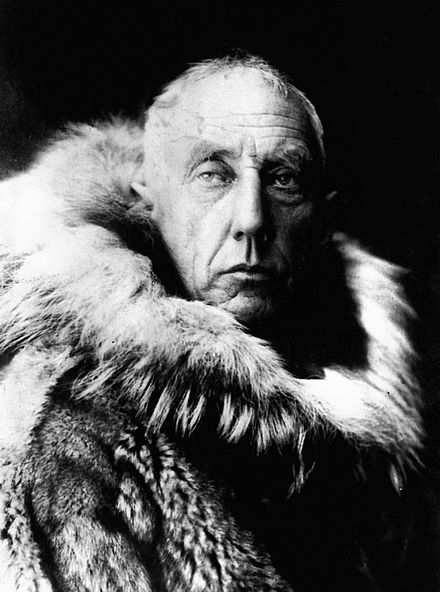
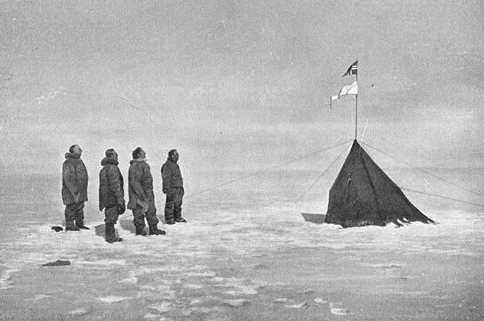
Amundsen’s most famous expedition was his journey to the South Pole. In 1910, he set sail on the ship Fram, leading the Antarctic expedition aimed at being the first to reach this uncharted territory. After months of meticulous planning and preparation, Amundsen and his team departed from their base camp in the Bay of Whales on October 19, 1911. The team, consisting of Amundsen and four experienced companions—Olav Bjaaland, Helmer Hanssen, Sverre Hassel, and Oscar Wisting—relied on a carefully selected team of sled dogs to transport their supplies across the icy expanse.
Amundsen’s expedition was characterized by its innovative approach and attention to detail. He meticulously planned their route and employed effective techniques that he had learned from the indigenous Inuit people during his earlier Arctic expeditions. These included the use of sled dogs and lightweight sledges, as well as a focus on maintaining the health and energy of both men and dogs throughout the demanding journey.
On December 14, 1911, Amundsen and his team achieved their goal, becoming the first humans to set foot at the geographic South Pole. They planted the Norwegian flag, marking this historic achievement. Amundsen’s success was partly due to his strategic decision to head south during the Antarctic summer, which allowed him to avoid the more severe weather conditions that had thwarted previous attempts by other explorers.
Just five weeks after Amundsen’s triumph, a British party led by Captain Robert Falcon Scott also reached the South Pole. Unfortunately, Scott and his companions faced harsher conditions on their return journey and ultimately perished. The tragic fate of Scott’s team highlighted the importance of Amundsen’s meticulous planning and his choice of using sled dogs, which provided a more reliable means of transportation compared to the ponies and motorized sledges used by Scott.
Amundsen’s return from the South Pole was marked by celebration and acclaim. The expedition not only solidified his reputation as a masterful explorer but also contributed significantly to the scientific understanding of the Antarctic region. His achievements inspired future generations of explorers and underscored the value of careful preparation and adaptability in the face of extreme challenges.
In addition to his Antarctic triumph, Amundsen also led the first successful expedition to reach the North Pole via airship in 1926, further cementing his legacy as one of history’s greatest explorers. His unwavering determination and pioneering spirit continue to inspire adventurers and explorers worldwide.
#Hindi
रोल्ड अमुंडसन, एक प्रसिद्ध नॉर्वेजियन खोजकर्ता थे, जो ध्रुवीय अन्वेषण में अपनी महत्वपूर्ण उपलब्धियों के लिए जाने जाते हैं। उनका जन्म 16 जुलाई, 1872 को नॉर्वे के बोरगे में हुआ था। अमुंडसन को बचपन से ही खोजबीन का शौक था। उनकी साहसी भावना और दृढ़ निश्चय ने उन्हें उत्तरी और दक्षिणी ध्रुवों तक पहुंचने वाला पहला व्यक्ति बना दिया।
अमुंडसन की सबसे प्रसिद्ध यात्रा उनकी दक्षिण ध्रुव की यात्रा थी। 1910 में, उन्होंने जहाज फ्राम पर सवार होकर अंटार्कटिक अभियान की शुरुआत की, जिसका उद्देश्य इस अनजाने क्षेत्र तक सबसे पहले पहुंचना था। कई महीनों की तैयारी के बाद, अमुंडसन और उनकी टीम ने 19 अक्टूबर, 1911 को बे ऑफ व्हेल्स में अपने बेस कैंप से प्रस्थान किया। इस टीम में अमुंडसन के साथ ओलाव ब्जालांद, हेल्मर हैंसेन, स्वेरे हासेल, और ऑस्कर विसटिंग शामिल थे। उन्होंने अपने सामान को बर्फीले रास्ते पर ले जाने के लिए स्लेज कुत्तों की एक चुनी हुई टीम पर भरोसा किया।
अमुंडसन के अभियान की खासियत उसकी नवीन दृष्टिकोण और विस्तार पर ध्यान था। उन्होंने अपनी यात्रा की योजना बहुत सोच-समझ कर बनाई और उन्होंने अपनी पहले की आर्कटिक यात्राओं में इनुइट लोगों से सीखे गए तरीकों का उपयोग किया। इनमें स्लेज कुत्तों और हल्के स्लेजों का उपयोग शामिल था, साथ ही कठिन यात्रा के दौरान पुरुषों और कुत्तों दोनों के स्वास्थ्य और ऊर्जा को बनाए रखने पर ध्यान देना था।
14 दिसंबर, 1911 को, अमुंडसन और उनकी टीम ने अपने लक्ष्य को प्राप्त किया और वे भौगोलिक दक्षिण ध्रुव पर पहुंचने वाले पहले इंसान बन गए। उन्होंने वहां नॉर्वेजियन ध्वज फहराया, जो इस ऐतिहासिक उपलब्धि को चिह्नित करता है। अमुंडसन की सफलता का एक कारण यह भी था कि उन्होंने अंटार्कटिक गर्मियों के दौरान दक्षिण की ओर बढ़ने का रणनीतिक निर्णय लिया, जिससे उन्हें उन गंभीर मौसम स्थितियों से बचने में मदद मिली जिन्होंने अन्य खोजकर्ताओं के प्रयासों को विफल कर दिया था।
अमुंडसन की इस सफलता के सिर्फ पांच हफ्ते बाद, एक ब्रिटिश दल कैप्टन रॉबर्ट फाल्कन स्कॉट के नेतृत्व में दक्षिण ध्रुव पर पहुंचा। दुर्भाग्यवश, स्कॉट और उनकी टीम को वापस लौटते समय कठिन परिस्थितियों का सामना करना पड़ा और वे सभी मारे गए। स्कॉट की टीम की दुखद कहानी ने अमुंडसन की विस्तार से की गई योजना और स्लेज कुत्तों का उपयोग करने की उनकी पसंद के महत्व को उजागर किया, जो स्कॉट द्वारा उपयोग किए गए टट्टू और मोटर चालित स्लेज की तुलना में अधिक विश्वसनीय साबित हुए थे।
दक्षिण ध्रुव से लौटने पर अमुंडसन का स्वागत और सराहना की गई। इस अभियान ने न केवल उनकी प्रतिष्ठा को एक कुशल खोजकर्ता के रूप में मजबूत किया, बल्कि अंटार्कटिक क्षेत्र की वैज्ञानिक समझ में भी महत्वपूर्ण योगदान दिया। उनकी उपलब्धियों ने भविष्य की खोजकर्ताओं की पीढ़ियों को प्रेरित किया और कठिन चुनौतियों का सामना करने में सावधानीपूर्वक तैयारी और अनुकूलता के महत्व को रेखांकित किया।
अंटार्कटिक विजय के अलावा, अमुंडसन ने 1926 में एयरशिप के माध्यम से उत्तरी ध्रुव तक पहुंचने वाले पहले सफल अभियान का भी नेतृत्व किया, जिससे वह इतिहास के महानतम खोजकर्ताओं में से एक बन गए। उनका अदम्य संकल्प और अग्रणी भावना आज भी दुनिया भर के साहसिक यात्रियों और खोजकर्ताओं को प्रेरित करती है।


Roald Amundsen, a renowned Norwegian explorer, is celebrated for his groundbreaking achievements in polar exploration. Born on July 16, 1872, in Borge, Norway, Amundsen developed a passion for exploration from an early age. His adventurous spirit and determination led him to become the first person to reach both the North and South Poles.
Amundsen’s most famous expedition was his journey to the South Pole. In 1910, he set sail on the ship Fram, leading the Antarctic expedition aimed at being the first to reach this uncharted territory. After months of meticulous planning and preparation, Amundsen and his team departed from their base camp in the Bay of Whales on October 19, 1911. The team, consisting of Amundsen and four experienced companions—Olav Bjaaland, Helmer Hanssen, Sverre Hassel, and Oscar Wisting—relied on a carefully selected team of sled dogs to transport their supplies across the icy expanse.
Amundsen’s expedition was characterized by its innovative approach and attention to detail. He meticulously planned their route and employed effective techniques that he had learned from the indigenous Inuit people during his earlier Arctic expeditions. These included the use of sled dogs and lightweight sledges, as well as a focus on maintaining the health and energy of both men and dogs throughout the demanding journey.
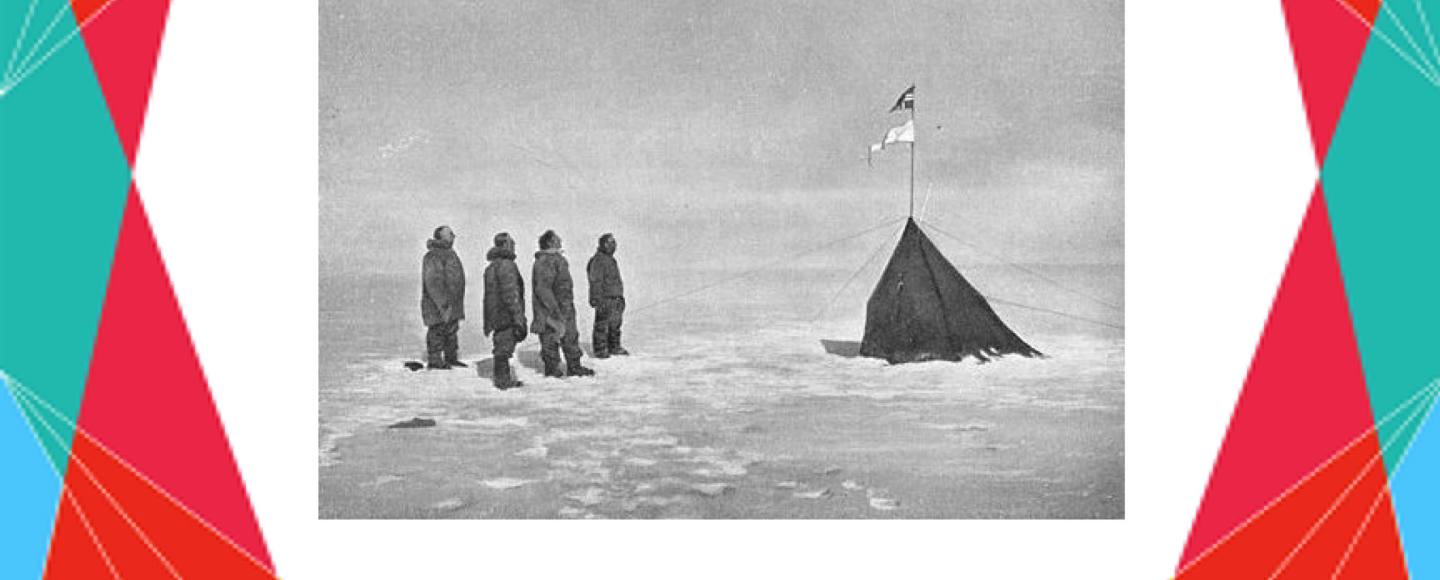
On December 14, 1911, Amundsen and his team achieved their goal, becoming the first humans to set foot at the geographic South Pole. They planted the Norwegian flag, marking this historic achievement. Amundsen’s success was partly due to his strategic decision to head south during the Antarctic summer, which allowed him to avoid the more severe weather conditions that had thwarted previous attempts by other explorers.
Just five weeks after Amundsen’s triumph, a British party led by Captain Robert Falcon Scott also reached the South Pole. Unfortunately, Scott and his companions faced harsher conditions on their return journey and ultimately perished. The tragic fate of Scott’s team highlighted the importance of Amundsen’s meticulous planning and his choice of using sled dogs, which provided a more reliable means of transportation compared to the ponies and motorized sledges used by Scott.
Amundsen’s return from the South Pole was marked by celebration and acclaim. The expedition not only solidified his reputation as a masterful explorer but also contributed significantly to the scientific understanding of the Antarctic region. His achievements inspired future generations of explorers and underscored the value of careful preparation and adaptability in the face of extreme challenges.
In addition to his Antarctic triumph, Amundsen also led the first successful expedition to reach the North Pole via airship in 1926, further cementing his legacy as one of history’s greatest explorers. His unwavering determination and pioneering spirit continue to inspire adventurers and explorers worldwide.
#Hindi
रोल्ड अमुंडसन, एक प्रसिद्ध नॉर्वेजियन खोजकर्ता थे, जो ध्रुवीय अन्वेषण में अपनी महत्वपूर्ण उपलब्धियों के लिए जाने जाते हैं। उनका जन्म 16 जुलाई, 1872 को नॉर्वे के बोरगे में हुआ था। अमुंडसन को बचपन से ही खोजबीन का शौक था। उनकी साहसी भावना और दृढ़ निश्चय ने उन्हें उत्तरी और दक्षिणी ध्रुवों तक पहुंचने वाला पहला व्यक्ति बना दिया।
अमुंडसन की सबसे प्रसिद्ध यात्रा उनकी दक्षिण ध्रुव की यात्रा थी। 1910 में, उन्होंने जहाज फ्राम पर सवार होकर अंटार्कटिक अभियान की शुरुआत की, जिसका उद्देश्य इस अनजाने क्षेत्र तक सबसे पहले पहुंचना था। कई महीनों की तैयारी के बाद, अमुंडसन और उनकी टीम ने 19 अक्टूबर, 1911 को बे ऑफ व्हेल्स में अपने बेस कैंप से प्रस्थान किया। इस टीम में अमुंडसन के साथ ओलाव ब्जालांद, हेल्मर हैंसेन, स्वेरे हासेल, और ऑस्कर विसटिंग शामिल थे। उन्होंने अपने सामान को बर्फीले रास्ते पर ले जाने के लिए स्लेज कुत्तों की एक चुनी हुई टीम पर भरोसा किया।
अमुंडसन के अभियान की खासियत उसकी नवीन दृष्टिकोण और विस्तार पर ध्यान था। उन्होंने अपनी यात्रा की योजना बहुत सोच-समझ कर बनाई और उन्होंने अपनी पहले की आर्कटिक यात्राओं में इनुइट लोगों से सीखे गए तरीकों का उपयोग किया। इनमें स्लेज कुत्तों और हल्के स्लेजों का उपयोग शामिल था, साथ ही कठिन यात्रा के दौरान पुरुषों और कुत्तों दोनों के स्वास्थ्य और ऊर्जा को बनाए रखने पर ध्यान देना था।
14 दिसंबर, 1911 को, अमुंडसन और उनकी टीम ने अपने लक्ष्य को प्राप्त किया और वे भौगोलिक दक्षिण ध्रुव पर पहुंचने वाले पहले इंसान बन गए। उन्होंने वहां नॉर्वेजियन ध्वज फहराया, जो इस ऐतिहासिक उपलब्धि को चिह्नित करता है। अमुंडसन की सफलता का एक कारण यह भी था कि उन्होंने अंटार्कटिक गर्मियों के दौरान दक्षिण की ओर बढ़ने का रणनीतिक निर्णय लिया, जिससे उन्हें उन गंभीर मौसम स्थितियों से बचने में मदद मिली जिन्होंने अन्य खोजकर्ताओं के प्रयासों को विफल कर दिया था।
अमुंडसन की इस सफलता के सिर्फ पांच हफ्ते बाद, एक ब्रिटिश दल कैप्टन रॉबर्ट फाल्कन स्कॉट के नेतृत्व में दक्षिण ध्रुव पर पहुंचा। दुर्भाग्यवश, स्कॉट और उनकी टीम को वापस लौटते समय कठिन परिस्थितियों का सामना करना पड़ा और वे सभी मारे गए। स्कॉट की टीम की दुखद कहानी ने अमुंडसन की विस्तार से की गई योजना और स्लेज कुत्तों का उपयोग करने की उनकी पसंद के महत्व को उजागर किया, जो स्कॉट द्वारा उपयोग किए गए टट्टू और मोटर चालित स्लेज की तुलना में अधिक विश्वसनीय साबित हुए थे।
दक्षिण ध्रुव से लौटने पर अमुंडसन का स्वागत और सराहना की गई। इस अभियान ने न केवल उनकी प्रतिष्ठा को एक कुशल खोजकर्ता के रूप में मजबूत किया, बल्कि अंटार्कटिक क्षेत्र की वैज्ञानिक समझ में भी महत्वपूर्ण योगदान दिया। उनकी उपलब्धियों ने भविष्य की खोजकर्ताओं की पीढ़ियों को प्रेरित किया और कठिन चुनौतियों का सामना करने में सावधानीपूर्वक तैयारी और अनुकूलता के महत्व को रेखांकित किया।
अंटार्कटिक विजय के अलावा, अमुंडसन ने 1926 में एयरशिप के माध्यम से उत्तरी ध्रुव तक पहुंचने वाले पहले सफल अभियान का भी नेतृत्व किया, जिससे वह इतिहास के महानतम खोजकर्ताओं में से एक बन गए। उनका अदम्य संकल्प और अग्रणी भावना आज भी दुनिया भर के साहसिक यात्रियों और खोजकर्ताओं को प्रेरित करती है।
Share this: