A country struggling for increasing its literacy rate and making every effort to get its girl child educated, today is a big day. It’s national education day. It is celebrated on the birth anniversary of India’s first education minister Bharat Ratna Maulana Abul Kalam Azad. He was born today in 1888. He was a freedom fighter, a writer, a poet and a journalist.
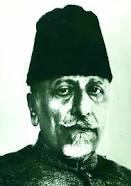
National Education Day in India is a significant occasion marked to celebrate the contributions of Maulana Abul Kalam Azad to the field of education in the country. Born on November 11, 1888, Azad was not only an influential freedom fighter but also a visionary leader who laid down the foundation for educational reforms and progressive policies that continue to impact India’s education system today.
Early Life and Contributions
Maulana Abul Kalam Azad was an extraordinary talent who mastered several languages and was a prolific writer and poet. His intellectual prowess and leadership skills were evident from a young age. At only 35, he became the youngest President of the Indian National Congress, showing his remarkable ability to lead and inspire. Throughout his political career, Azad was an advocate for unity and opposed the partition of India, believing that it would create lasting divisions.
Contribution to Education
Upon becoming India’s first Education Minister, a position he held from 1947 to 1958, Azad embarked on a mission to transform the country’s education landscape. Recognizing education as a fundamental right, he worked tirelessly to make it accessible to every Indian. Azad’s policies focused on eradicating illiteracy and promoting technical, scientific, and higher education.
- Indian Institutes of Technology (IITs): Recognizing the importance of technical education in nation-building, Azad played a crucial role in establishing the Indian Institutes of Technology. The IITs have since become world-renowned centers of excellence in engineering and technology and continue to produce some of the best minds in the field globally.
- University Grants Commission (UGC): Azad was instrumental in setting up the University Grants Commission, which has since served as a critical regulatory body, ensuring the maintenance of standards in higher education institutions across India.
- Focus on Girl Child Education: Azad was deeply committed to the idea of inclusive education and understood the importance of educating girls in improving the socio-economic fabric of society. His policies laid the groundwork for initiatives that promote girl child education, which continue to evolve and expand.
Legacy and Celebrations
National Education Day serves as a reminder of Azad’s profound legacy in education. Schools and institutions across India celebrate this day with seminars, symposia, essay-writing, and workshops to highlight the importance of literacy, educational equity, and the promotion of scientific temper and innovation.
Challenges and Contemporary Relevance
Despite the progress made since Azad’s era, India still faces challenges in achieving high literacy rates, particularly among marginalized communities and girls. National Education Day not only commemorates past achievements but also inspires ongoing efforts to address these challenges. Government initiatives, non-governmental organizations, and community efforts continue to work towards making education more inclusive and accessible, reflecting Azad’s vision.
In summary, National Education Day is more than a commemoration of Maulana Abul Kalam Azad’s birth anniversary. It is a day to reflect on the strides made in education and re-energize efforts to overcome the ongoing challenges in educating every child, especially in improving literacy rates and ensuring that girls have equal access to quality education. Azad’s vision and efforts have left an indelible mark on India’s education system, creating a path that others follow with hope and determination.
#Hindi
आज का दिन बहुत खास है क्योंकि आज राष्ट्रीय शिक्षा दिवस है। ये भारत के पहले शिक्षा मंत्री भारत रत्न मौलाना अबुल कलाम आजाद के जन्मदिन पर मनाया जाता है। उनका जन्म 11 नवंबर 1888 को हुआ था। वे एक स्वतंत्रता सेनानी, लेखक, कवि और पत्रकार थे।
मौलाना अबुल कलाम आजाद ने भारत की शिक्षा के क्षेत्र में बहुत योगदान दिया। वे एक महान नेता थे जिन्होंने शिक्षा में सुधार और प्रगतिशील नीतियों की नींव रखी, जिनका असर आज भी भारत की शिक्षा प्रणाली पर दिखता है।
शिक्षा में योगदान:
- भारतीय प्रौद्योगिकी संस्थान (IITs): मौलाना आजाद ने तकनीकी शिक्षा के महत्व को समझा और IITs की स्थापना में मुख्य भूमिका निभाई। आज ये संस्थान दुनिया भर में इंजीनियरिंग और प्रौद्योगिकी के क्षेत्र में उत्कृष्टता के लिए जाने जाते हैं।
- विश्वविद्यालय अनुदान आयोग (UGC): उन्होंने UGC की स्थापना की, जो भारत में उच्च शिक्षा की गुणवत्ता को बनाए रखने में महत्वपूर्ण भूमिका निभाता है।
- बालिका शिक्षा पर जोर: आजाद ने समावेशी शिक्षा की अहमियत को समझा और बालिकाओं की शिक्षा पर विशेष ध्यान दिया। उनकी नीतियों ने बालिका शिक्षा को बढ़ावा देने के लिए कई पहल की नींव रखी।
राष्ट्रीय शिक्षा दिवस मौलाना आजाद की शिक्षा के क्षेत्र में महान विरासत का सम्मान करता है। इस दिन स्कूलों और संस्थानों में सेमिनार, निबंध लेखन और कार्यशालाओं का आयोजन होता है ताकि साक्षरता, शिक्षा में समानता और वैज्ञानिक सोच के महत्व को उजागर किया जा सके।
आज भी भारत को साक्षरता दर बढ़ाने में कई चुनौतियों का सामना करना पड़ता है, विशेषकर लड़कियों और हाशिये के समुदायों में। राष्ट्रीय शिक्षा दिवस हमें इन चुनौतियों को दूर करने के लिए प्रेरित करता है। सरकारी पहल, गैर-सरकारी संगठन और समुदायिक प्रयास शिक्षा को अधिक समावेशी और सुलभ बनाने के लिए काम कर रहे हैं, जो आजाद के दृष्टिकोण को दर्शाता है।
संक्षेप में, राष्ट्रीय शिक्षा दिवस सिर्फ मौलाना अबुल कलाम आजाद की जयंती का स्मरण नहीं है, बल्कि यह शिक्षा में हुई प्रगति पर विचार करने और हर बच्चे को शिक्षित करने की दिशा में प्रयासों को पुनर्जीवित करने का दिन है, विशेषकर लड़कियों की शिक्षा को सुनिश्चित करने का। आजाद की दृष्टि और प्रयासों ने भारत की शिक्षा प्रणाली पर अमिट छाप छोड़ी है, जिससे अन्य लोग उम्मीद और दृढ़ संकल्प के साथ आगे बढ़ सकते हैं।

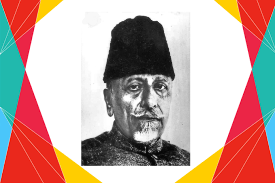


A country struggling for increasing its literacy rate and making every effort to get its girl child educated, today is a big day. It’s national education day. It is celebrated on the birth anniversary of India’s first education minister Bharat Ratna Maulana Abul Kalam Azad. He was born today in 1888. He was a freedom fighter, a writer, a poet and a journalist.

National Education Day in India is a significant occasion marked to celebrate the contributions of Maulana Abul Kalam Azad to the field of education in the country. Born on November 11, 1888, Azad was not only an influential freedom fighter but also a visionary leader who laid down the foundation for educational reforms and progressive policies that continue to impact India’s education system today.
Early Life and Contributions
Maulana Abul Kalam Azad was an extraordinary talent who mastered several languages and was a prolific writer and poet. His intellectual prowess and leadership skills were evident from a young age. At only 35, he became the youngest President of the Indian National Congress, showing his remarkable ability to lead and inspire. Throughout his political career, Azad was an advocate for unity and opposed the partition of India, believing that it would create lasting divisions.
Contribution to Education
Upon becoming India’s first Education Minister, a position he held from 1947 to 1958, Azad embarked on a mission to transform the country’s education landscape. Recognizing education as a fundamental right, he worked tirelessly to make it accessible to every Indian. Azad’s policies focused on eradicating illiteracy and promoting technical, scientific, and higher education.
Legacy and Celebrations
National Education Day serves as a reminder of Azad’s profound legacy in education. Schools and institutions across India celebrate this day with seminars, symposia, essay-writing, and workshops to highlight the importance of literacy, educational equity, and the promotion of scientific temper and innovation.
Challenges and Contemporary Relevance
Despite the progress made since Azad’s era, India still faces challenges in achieving high literacy rates, particularly among marginalized communities and girls. National Education Day not only commemorates past achievements but also inspires ongoing efforts to address these challenges. Government initiatives, non-governmental organizations, and community efforts continue to work towards making education more inclusive and accessible, reflecting Azad’s vision.
In summary, National Education Day is more than a commemoration of Maulana Abul Kalam Azad’s birth anniversary. It is a day to reflect on the strides made in education and re-energize efforts to overcome the ongoing challenges in educating every child, especially in improving literacy rates and ensuring that girls have equal access to quality education. Azad’s vision and efforts have left an indelible mark on India’s education system, creating a path that others follow with hope and determination.
#Hindi
आज का दिन बहुत खास है क्योंकि आज राष्ट्रीय शिक्षा दिवस है। ये भारत के पहले शिक्षा मंत्री भारत रत्न मौलाना अबुल कलाम आजाद के जन्मदिन पर मनाया जाता है। उनका जन्म 11 नवंबर 1888 को हुआ था। वे एक स्वतंत्रता सेनानी, लेखक, कवि और पत्रकार थे।
मौलाना अबुल कलाम आजाद ने भारत की शिक्षा के क्षेत्र में बहुत योगदान दिया। वे एक महान नेता थे जिन्होंने शिक्षा में सुधार और प्रगतिशील नीतियों की नींव रखी, जिनका असर आज भी भारत की शिक्षा प्रणाली पर दिखता है।
शिक्षा में योगदान:
राष्ट्रीय शिक्षा दिवस मौलाना आजाद की शिक्षा के क्षेत्र में महान विरासत का सम्मान करता है। इस दिन स्कूलों और संस्थानों में सेमिनार, निबंध लेखन और कार्यशालाओं का आयोजन होता है ताकि साक्षरता, शिक्षा में समानता और वैज्ञानिक सोच के महत्व को उजागर किया जा सके।
आज भी भारत को साक्षरता दर बढ़ाने में कई चुनौतियों का सामना करना पड़ता है, विशेषकर लड़कियों और हाशिये के समुदायों में। राष्ट्रीय शिक्षा दिवस हमें इन चुनौतियों को दूर करने के लिए प्रेरित करता है। सरकारी पहल, गैर-सरकारी संगठन और समुदायिक प्रयास शिक्षा को अधिक समावेशी और सुलभ बनाने के लिए काम कर रहे हैं, जो आजाद के दृष्टिकोण को दर्शाता है।
संक्षेप में, राष्ट्रीय शिक्षा दिवस सिर्फ मौलाना अबुल कलाम आजाद की जयंती का स्मरण नहीं है, बल्कि यह शिक्षा में हुई प्रगति पर विचार करने और हर बच्चे को शिक्षित करने की दिशा में प्रयासों को पुनर्जीवित करने का दिन है, विशेषकर लड़कियों की शिक्षा को सुनिश्चित करने का। आजाद की दृष्टि और प्रयासों ने भारत की शिक्षा प्रणाली पर अमिट छाप छोड़ी है, जिससे अन्य लोग उम्मीद और दृढ़ संकल्प के साथ आगे बढ़ सकते हैं।
Share this: