Sliced bread is a staple food that has become popular in many countries around the world. It is a type of bread that is pre-sliced into individual slices, making it convenient and easy to use.
The concept of slicing bread can be traced back to ancient times when people would use various tools such as knives or even their hands to slice bread. However, the idea of commercially producing pre-sliced bread did not come about until the early 20th century.
The credit for inventing the first commercially successful bread slicing machine goes to Otto Frederick Rohwedder, an American inventor from Iowa. In 1912, Rohwedder developed a machine that could both slice and wrap bread. The machine was initially met with skepticism, but by 1928, it gained popularity and began being used by bakeries.
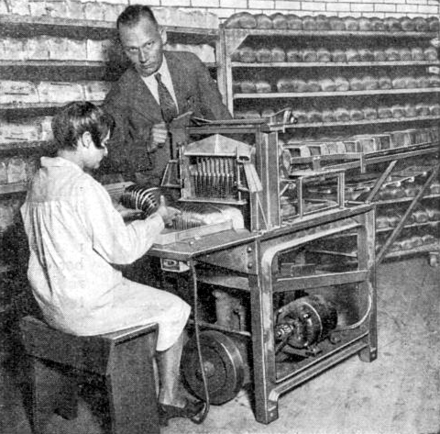
This photograph depicts a “new electrical bread slicing machine” in use by an unnamed bakery in St. Louis in 1930, and may well show Rohwedder’s machine in use by the Papendick Bakery Company
The invention of sliced bread revolutionized the baking industry. It made it easier for bakers to produce and distribute bread, while also making it more convenient for consumers to purchase and consume. Sliced bread quickly became a household staple and gained widespread popularity.
During World War II, sliced bread became even more essential. In 1943, the U.S. government briefly banned the production of sliced bread as part of the wartime rationing efforts. However, the ban was lifted just a few months later due to public outcry. The phrase “the greatest thing since sliced bread” emerged during this time, highlighting the significance of sliced bread in people’s lives.
Over the years, sliced bread has become a common feature in households and has inspired various recipes and sandwich creations. It has also led to the development of different types of sliced bread, including whole wheat, multigrain, and gluten-free options, catering to various dietary needs and preferences.
In conclusion, sliced bread has a long and fascinating history. It has become a staple food in many cultures and continues to be a popular option for sandwiches and meals worldwide.
#Hindi
ब्रेड एक मुख्य खाना है जो दुनिया के कई देशों में बहुत लोकप्रिय हो गया है। यह एक ऐसा ब्रेड है जिसे पहले से ही टुकड़ों में काटा जाता है, जिससे इसे प्रयोग करना आसान और सुविधाजनक होता है।
ब्रेड को टुकड़ों में काटने का विचार बहुत पुराने समय से चला आ रहा है जब लोग चाकू या अपने हाथों का उपयोग करके ब्रेड को काटते थे। लेकिन वाणिज्यिक रूप से पहले से ब्रेड बनाने का विचार 20वीं सदी की शुरुआत तक नहीं आया था।
पहली सफल ब्रेड काटने वाली मशीन का श्रेय ओटो फ्रेडरिक रोहवेडर को जाता है, जो आयोवा के एक अमेरिकी आविष्कारक थे। 1912 में, रोहवेडर ने एक ऐसी मशीन विकसित की जो ब्रेड को काट भी सकती थी और पैक भी कर सकती थी। शुरुआत में इस मशीन पर संदेह किया गया, लेकिन 1928 तक यह लोकप्रिय हो गई और बेकरी में इस्तेमाल होने लगी।
यह फोटो 1930 में सेंट लुइस में एक अज्ञात बेकरी द्वारा इस्तेमाल की जा रही “नई इलेक्ट्रिकल ब्रेड काटने वाली मशीन” को दिखाती है, और यह रोहवेडर की मशीन को पापेंडिक बेकरी कंपनी द्वारा उपयोग में ला सकती है।
कटी हुई ब्रेड ने बेकिंग उद्योग में क्रांति ला दी। इससे बेकर्स के लिए ब्रेड बनाना और वितरित करना आसान हो गया, और उपभोक्ताओं के लिए खरीदना और खाना सुविधाजनक हो गया। कटी हुई ब्रेड जल्दी ही घरों में एक मुख्य खाद्य पदार्थ बन गई और व्यापक लोकप्रियता हासिल की।
द्वितीय विश्व युद्ध के दौरान, कटी हुई ब्रेड और भी आवश्यक बन गई। 1943 में, अमेरिकी सरकार ने युद्धकालीन राशनिंग के हिस्से के रूप में कटी हुई ब्रेड के उत्पादन पर अस्थायी रूप से प्रतिबंध लगा दिया। हालांकि, कुछ महीनों बाद जनविरोध के कारण प्रतिबंध हटा दिया गया। “कटी हुई ब्रेड के बाद सबसे बड़ी चीज” वाक्यांश इसी समय उभरा, जो लोगों के जीवन में कटी हुई ब्रेड के महत्व को दर्शाता है।
सालों के दौरान, कटी हुई ब्रेड घरों में एक सामान्य विशेषता बन गई और इसने विभिन्न रेसिपी और सैंडविच क्रिएशंस को प्रेरित किया। इसने विभिन्न प्रकार के कटी हुई ब्रेड जैसे कि साबुत गेहूं, मल्टीग्रेन और ग्लूटेन-फ्री विकल्पों का विकास भी किया, जो विभिन्न डाइटरी जरूरतों और पसंदों को पूरा करते हैं।
अंत में, कटी हुई ब्रेड का एक लंबा और दिलचस्प इतिहास है। यह कई संस्कृतियों में मुख्य खाद्य पदार्थ बन गई है और दुनियाभर में सैंडविच और भोजन के लिए एक लोकप्रिय विकल्प बनी हुई है।



Sliced bread is a staple food that has become popular in many countries around the world. It is a type of bread that is pre-sliced into individual slices, making it convenient and easy to use.
The concept of slicing bread can be traced back to ancient times when people would use various tools such as knives or even their hands to slice bread. However, the idea of commercially producing pre-sliced bread did not come about until the early 20th century.
The credit for inventing the first commercially successful bread slicing machine goes to Otto Frederick Rohwedder, an American inventor from Iowa. In 1912, Rohwedder developed a machine that could both slice and wrap bread. The machine was initially met with skepticism, but by 1928, it gained popularity and began being used by bakeries.
The invention of sliced bread revolutionized the baking industry. It made it easier for bakers to produce and distribute bread, while also making it more convenient for consumers to purchase and consume. Sliced bread quickly became a household staple and gained widespread popularity.
During World War II, sliced bread became even more essential. In 1943, the U.S. government briefly banned the production of sliced bread as part of the wartime rationing efforts. However, the ban was lifted just a few months later due to public outcry. The phrase “the greatest thing since sliced bread” emerged during this time, highlighting the significance of sliced bread in people’s lives.
Over the years, sliced bread has become a common feature in households and has inspired various recipes and sandwich creations. It has also led to the development of different types of sliced bread, including whole wheat, multigrain, and gluten-free options, catering to various dietary needs and preferences.
In conclusion, sliced bread has a long and fascinating history. It has become a staple food in many cultures and continues to be a popular option for sandwiches and meals worldwide.
#Hindi
ब्रेड एक मुख्य खाना है जो दुनिया के कई देशों में बहुत लोकप्रिय हो गया है। यह एक ऐसा ब्रेड है जिसे पहले से ही टुकड़ों में काटा जाता है, जिससे इसे प्रयोग करना आसान और सुविधाजनक होता है।
ब्रेड को टुकड़ों में काटने का विचार बहुत पुराने समय से चला आ रहा है जब लोग चाकू या अपने हाथों का उपयोग करके ब्रेड को काटते थे। लेकिन वाणिज्यिक रूप से पहले से ब्रेड बनाने का विचार 20वीं सदी की शुरुआत तक नहीं आया था।
पहली सफल ब्रेड काटने वाली मशीन का श्रेय ओटो फ्रेडरिक रोहवेडर को जाता है, जो आयोवा के एक अमेरिकी आविष्कारक थे। 1912 में, रोहवेडर ने एक ऐसी मशीन विकसित की जो ब्रेड को काट भी सकती थी और पैक भी कर सकती थी। शुरुआत में इस मशीन पर संदेह किया गया, लेकिन 1928 तक यह लोकप्रिय हो गई और बेकरी में इस्तेमाल होने लगी।
यह फोटो 1930 में सेंट लुइस में एक अज्ञात बेकरी द्वारा इस्तेमाल की जा रही “नई इलेक्ट्रिकल ब्रेड काटने वाली मशीन” को दिखाती है, और यह रोहवेडर की मशीन को पापेंडिक बेकरी कंपनी द्वारा उपयोग में ला सकती है।
कटी हुई ब्रेड ने बेकिंग उद्योग में क्रांति ला दी। इससे बेकर्स के लिए ब्रेड बनाना और वितरित करना आसान हो गया, और उपभोक्ताओं के लिए खरीदना और खाना सुविधाजनक हो गया। कटी हुई ब्रेड जल्दी ही घरों में एक मुख्य खाद्य पदार्थ बन गई और व्यापक लोकप्रियता हासिल की।
द्वितीय विश्व युद्ध के दौरान, कटी हुई ब्रेड और भी आवश्यक बन गई। 1943 में, अमेरिकी सरकार ने युद्धकालीन राशनिंग के हिस्से के रूप में कटी हुई ब्रेड के उत्पादन पर अस्थायी रूप से प्रतिबंध लगा दिया। हालांकि, कुछ महीनों बाद जनविरोध के कारण प्रतिबंध हटा दिया गया। “कटी हुई ब्रेड के बाद सबसे बड़ी चीज” वाक्यांश इसी समय उभरा, जो लोगों के जीवन में कटी हुई ब्रेड के महत्व को दर्शाता है।
सालों के दौरान, कटी हुई ब्रेड घरों में एक सामान्य विशेषता बन गई और इसने विभिन्न रेसिपी और सैंडविच क्रिएशंस को प्रेरित किया। इसने विभिन्न प्रकार के कटी हुई ब्रेड जैसे कि साबुत गेहूं, मल्टीग्रेन और ग्लूटेन-फ्री विकल्पों का विकास भी किया, जो विभिन्न डाइटरी जरूरतों और पसंदों को पूरा करते हैं।
अंत में, कटी हुई ब्रेड का एक लंबा और दिलचस्प इतिहास है। यह कई संस्कृतियों में मुख्य खाद्य पदार्थ बन गई है और दुनियाभर में सैंडविच और भोजन के लिए एक लोकप्रिय विकल्प बनी हुई है।
Share this: