In 1905, for the first time in a criminal case, the criminal was convicted through fingerprint evidence.
This technique was used in a murder case in London. In forensic science, this technique is considered to be the main evidence in criminal cases.
In 1905, a man named William Jones went to visit a paint shop in Deptford, but it was closed. The police were called and found the owner of the shop, Thomas Farrow, dead and his wife Ann was unconscious. The shop had been robbed and the police found a fingerprint in the cash box. They searched for the person who left the fingerprint and found two brothers, Alfred and Albert Stratton. The police compared Alfred’s fingerprint with the one found in the cash box and it was a perfect match. The police took the evidence to court and explained how fingerprinting worked, convincing the jury to charge the brothers with murder. They were found guilty and punished for their crime.
Fast Facts :
1. Fingerprints were first used as a means of identification in ancient Babylon and China.
2. The first recorded use of fingerprints in a criminal investigation was in Argentina in 1892.
3. Fingerprints have unique ridge patterns that are formed during fetal development and remain unchanged throughout a person’s life.
4. Contrary to popular belief, fingerprints are not absolutely unique to each individual. However, the chances of two people having identical fingerprints are extremely low.
5. The three main types of fingerprint patterns are arches, loops, and whorls, with variations within each type.
6. Chemicals, extreme temperatures, and physical damage can affect the quality of fingerprints and make them more difficult to analyze.
7. Fingerprint evidence is not always infallible and can be subject to human error or misinterpretation.
8. The Automated Fingerprint Identification System (AFIS) was introduced in the 1980s, revolutionizing the way fingerprints are stored and compared in criminal investigations.
9. Fingerprint evidence is one of the most reliable and widely accepted forms of evidence in forensic science.
10. In some cases, partial fingerprints or even palm prints can be used as evidence in criminal investigations.
#Hindi
1905 में आज पहली बार किसी आपराधिक मामले में fingerprint evidence यानी उंगलियों के निशान के ज़रिए अपराधी को दोषी ठहराया गया था ।
इस तकनीक का इस्तेमाल London में, हत्या के एक मामले में किया गया था । Forensic science में ये तकनीक आपराधिक मामलों में प्रमुख सबूत मानी जाती है।
हुआ यूँ कि 1905 में, आज ही के दिन विलियम जोन्स नाम का एक व्यक्ति डेप्टफोर्ड में एक पेंट की दुकान पर गया, लेकिन वो बंद थी। पुलिस को बुलाया गया और दुकान के मालिक थॉमस फैरो को मरा हुआ पाया गया और उसकी पत्नी ऐन बेहोश थी। दुकान को लूट लिया गया था और पुलिस को कैश बॉक्स में एक फिंगरप्रिंट मिला। उन्होंने उस व्यक्ति की खोज की जिसने फिंगरप्रिंट छोड़ा और दो भाइयों, अल्फ्रेड और अल्बर्ट स्ट्रैटन को पाया। पुलिस ने अल्फ्रेड के फिंगरप्रिंट की तुलना कैश बॉक्स में मिले फिंगरप्रिंट से की और ये एक परफेक्ट मैच था। पुलिस सबूतों को अदालत में ले गई और समझाया कि फ़िंगरप्रिंटिंग कैसे काम करती है, जिससे जूरी ने भाइयों पर हत्या का आरोप लगाया। उन्हें दोषी पाया गया और उनके अपराध के लिए सज़ा दी गई।

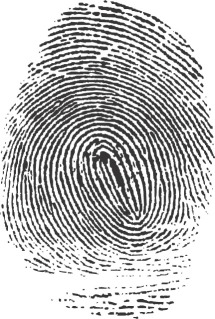


In 1905, for the first time in a criminal case, the criminal was convicted through fingerprint evidence.
This technique was used in a murder case in London. In forensic science, this technique is considered to be the main evidence in criminal cases.
In 1905, a man named William Jones went to visit a paint shop in Deptford, but it was closed. The police were called and found the owner of the shop, Thomas Farrow, dead and his wife Ann was unconscious. The shop had been robbed and the police found a fingerprint in the cash box. They searched for the person who left the fingerprint and found two brothers, Alfred and Albert Stratton. The police compared Alfred’s fingerprint with the one found in the cash box and it was a perfect match. The police took the evidence to court and explained how fingerprinting worked, convincing the jury to charge the brothers with murder. They were found guilty and punished for their crime.
Fast Facts :
1. Fingerprints were first used as a means of identification in ancient Babylon and China.
2. The first recorded use of fingerprints in a criminal investigation was in Argentina in 1892.
3. Fingerprints have unique ridge patterns that are formed during fetal development and remain unchanged throughout a person’s life.
4. Contrary to popular belief, fingerprints are not absolutely unique to each individual. However, the chances of two people having identical fingerprints are extremely low.
5. The three main types of fingerprint patterns are arches, loops, and whorls, with variations within each type.
6. Chemicals, extreme temperatures, and physical damage can affect the quality of fingerprints and make them more difficult to analyze.
7. Fingerprint evidence is not always infallible and can be subject to human error or misinterpretation.
8. The Automated Fingerprint Identification System (AFIS) was introduced in the 1980s, revolutionizing the way fingerprints are stored and compared in criminal investigations.
9. Fingerprint evidence is one of the most reliable and widely accepted forms of evidence in forensic science.
10. In some cases, partial fingerprints or even palm prints can be used as evidence in criminal investigations.
#Hindi
1905 में आज पहली बार किसी आपराधिक मामले में fingerprint evidence यानी उंगलियों के निशान के ज़रिए अपराधी को दोषी ठहराया गया था ।
इस तकनीक का इस्तेमाल London में, हत्या के एक मामले में किया गया था । Forensic science में ये तकनीक आपराधिक मामलों में प्रमुख सबूत मानी जाती है।
हुआ यूँ कि 1905 में, आज ही के दिन विलियम जोन्स नाम का एक व्यक्ति डेप्टफोर्ड में एक पेंट की दुकान पर गया, लेकिन वो बंद थी। पुलिस को बुलाया गया और दुकान के मालिक थॉमस फैरो को मरा हुआ पाया गया और उसकी पत्नी ऐन बेहोश थी। दुकान को लूट लिया गया था और पुलिस को कैश बॉक्स में एक फिंगरप्रिंट मिला। उन्होंने उस व्यक्ति की खोज की जिसने फिंगरप्रिंट छोड़ा और दो भाइयों, अल्फ्रेड और अल्बर्ट स्ट्रैटन को पाया। पुलिस ने अल्फ्रेड के फिंगरप्रिंट की तुलना कैश बॉक्स में मिले फिंगरप्रिंट से की और ये एक परफेक्ट मैच था। पुलिस सबूतों को अदालत में ले गई और समझाया कि फ़िंगरप्रिंटिंग कैसे काम करती है, जिससे जूरी ने भाइयों पर हत्या का आरोप लगाया। उन्हें दोषी पाया गया और उनके अपराध के लिए सज़ा दी गई।
Share this: