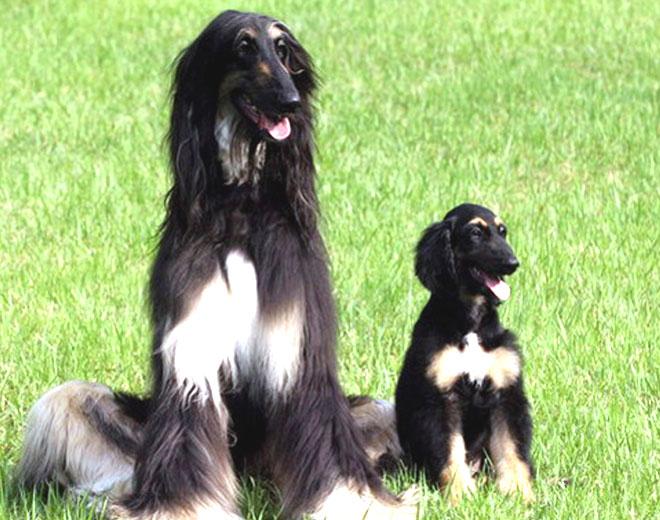
The small puppy in the image above is very special. Today is his birthday. He was born today in 2005. In the same year, it was claimed TIME’s “Invention of the Year”.
It’s world’s first cloned dog. An afghan hound, created using a cell from an ear of an adult Afghan hound and involved 123 surrogate mothers, of which only three produced pups. Snuppy being the sole survivor. It was produced by a team of South Korean researchers with Woo-Suk Hwang, a professor of Seoul National University.
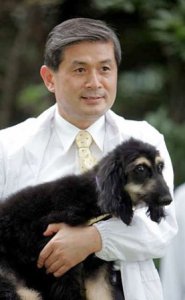
Although many animals were cloned before this but this was a special case as before this all efforts of cloning a dog failed. This was due to the problematic task of maturing a canine ovum in an artificial environment.
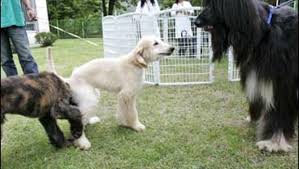
Snuppy’s journey continued and in September 2008 Snuppy became father of 10 cute little puppies. This marked first breeding in cloned dogs.
The process of cloning Snuppy involved taking a skin cell from a male Afghan hound and inserting its DNA into an egg cell that had been emptied of its nucleus. The egg cell containing the cloned DNA was then implanted into a surrogate mother dog, where it developed into a fetus and eventually was born as a live puppy.
While the cloning of Snuppy was a groundbreaking achievement in the field of genetics and reproductive technology, it also raised ethical concerns about the implications of cloning animals. Many questioned whether cloning animals was morally acceptable, and whether it was a violation of the natural order of life.
Despite the controversy surrounding the cloning of Snuppy, the scientific community hailed the achievement as a major milestone in genetic engineering. The successful cloning of a dog opened up new possibilities for studying genetic diseases in dogs, as well as the potential for using cloning techniques to preserve endangered species.
Since Snuppy’s birth, other dogs have been successfully cloned using similar techniques, demonstrating that cloning is a viable method of reproducing animals. While the debate over the ethics of cloning continues, the world’s first cloned dog will always hold a special place in history as a trailblazer in the field of genetic engineering.
#Hindi
इंसान का सबसे अच्छा दोस्त होता है कुत्ता… इंसान के इसी दोस्त को आज के दिन पहली बार क्लोन किया गया था… इस समय क्लोनिंग नई चीज़ नहीं थी बल्कि इससे पहले कुत्तों को क्लोन करने की सारी कोशिशें विफल हो चुकी थीं… इसलिए आज का दिन इतिहास में दर्ज है और इंसानों और कुत्तों, दोनों के लिए खास है…
इस कुत्ते का नाम रखा गया था स्नपी… 2005 में इसे क्लोन किया गया था और इसी साल टाइम मैगेज़ीन ने इसे ‘Invention of the year’ कहा था…
यह दुनिया का पहला क्लोन किया गया कुत्ता था। यह अफगान हाउंड नस्ल का था, जिसे एक वयस्क अफगान हाउंड के कान की कोशिका का उपयोग करके बनाया गया था और 123 सरोगेट माताओं की मदद ली गई थी, जिनमें से केवल तीन ने पिल्ले को जन्म दिया। स्नप्पी अकेला ऐसा पिल्ला था जो जीवित बचा। इसे दक्षिण कोरिया के शोधकर्ताओं की एक टीम ने सियोल नेशनल यूनिवर्सिटी के प्रोफेसर वू-सुक ह्वांग के साथ मिलकर बनाया था।
हालांकि इससे पहले कई जानवरों को क्लोन किया गया था, लेकिन यह मामला खास था क्योंकि कुत्ते को क्लोन करने के सभी प्रयास पहले विफल हो चुके थे। इसका कारण यह था कि कुत्ते के अंडाणु को कृत्रिम वातावरण में विकसित करना मुश्किल होता है।
स्नप्पी की यात्रा जारी रही और सितंबर 2008 में स्नप्पी 10 प्यारे छोटे पिल्लों का पिता बना। यह क्लोन किए गए कुत्तों में पहला प्रजनन था।
स्नप्पी को क्लोन करने की प्रक्रिया में एक नर अफगान हाउंड की त्वचा की कोशिका ली गई और उसके डीएनए को एक अंडाणु कोशिका में डाला गया, जिसका नाभिक हटा दिया गया था। इस अंडाणु कोशिका को एक सरोगेट मां कुतिया में आरोपित किया गया, जहां यह भ्रूण बना और अंततः एक जीवित पिल्ले के रूप में पैदा हुआ।
स्नप्पी के क्लोनिंग ने जीनअनुवंशिकी और प्रजनन प्रौद्योगिकी के क्षेत्र में एक शानदार उपलब्धि हासिल की, लेकिन इससे जानवरों की क्लोनिंग के प्रभावों पर नैतिक सवाल भी उठे। कई लोगों ने पूछा कि क्या जानवरों की क्लोनिंग नैतिक रूप से सही है और क्या यह जीवन के प्राकृतिक क्रम का उल्लंघन है।
स्नप्पी की क्लोनिंग को लेकर विवाद के बावजूद, वैज्ञानिक समुदाय ने इसे जीन इंजीनियरिंग में एक बड़ी उपलब्धि के रूप में सराहा। कुत्ते की सफल क्लोनिंग ने कुत्तों में आनुवंशिक बीमारियों के अध्ययन के लिए नई संभावनाएं खोलीं, और क्लोनिंग तकनीकों का उपयोग करके विलुप्तप्राय प्रजातियों के संरक्षण की संभावना भी दिखाई।
स्नप्पी के जन्म के बाद से, अन्य कुत्तों को समान तकनीकों का उपयोग करके सफलतापूर्वक क्लोन किया गया है, जिससे यह साबित होता है कि क्लोनिंग जानवरों को पुनः उत्पन्न करने का एक व्यवहार्य तरीका है। जबकि क्लोनिंग की नैतिकता पर बहस जारी है, दुनिया का पहला क्लोन किया गया कुत्ता हमेशा जीन इंजीनियरिंग के क्षेत्र में एक अग्रणी के रूप में इतिहास में अपनी खास जगह बनाए रखेगा।
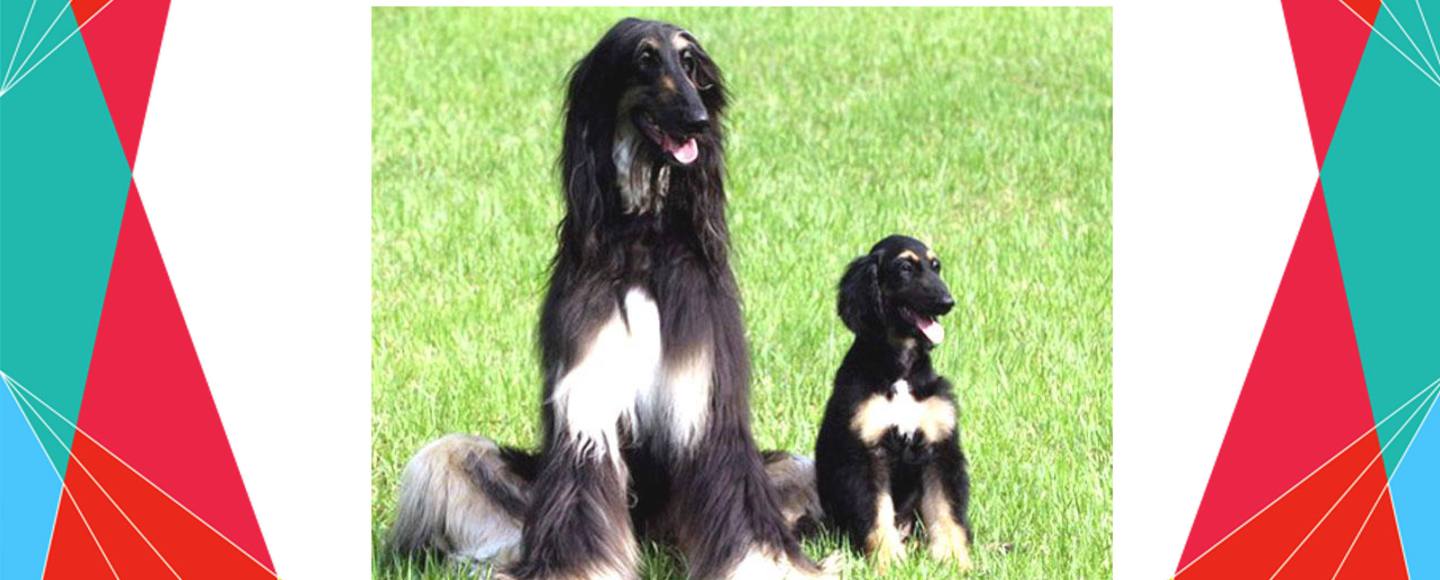


The small puppy in the image above is very special. Today is his birthday. He was born today in 2005. In the same year, it was claimed TIME’s “Invention of the Year”.
It’s world’s first cloned dog. An afghan hound, created using a cell from an ear of an adult Afghan hound and involved 123 surrogate mothers, of which only three produced pups. Snuppy being the sole survivor. It was produced by a team of South Korean researchers with Woo-Suk Hwang, a professor of Seoul National University.
Although many animals were cloned before this but this was a special case as before this all efforts of cloning a dog failed. This was due to the problematic task of maturing a canine ovum in an artificial environment.
Snuppy’s journey continued and in September 2008 Snuppy became father of 10 cute little puppies. This marked first breeding in cloned dogs.

The process of cloning Snuppy involved taking a skin cell from a male Afghan hound and inserting its DNA into an egg cell that had been emptied of its nucleus. The egg cell containing the cloned DNA was then implanted into a surrogate mother dog, where it developed into a fetus and eventually was born as a live puppy.
While the cloning of Snuppy was a groundbreaking achievement in the field of genetics and reproductive technology, it also raised ethical concerns about the implications of cloning animals. Many questioned whether cloning animals was morally acceptable, and whether it was a violation of the natural order of life.
Despite the controversy surrounding the cloning of Snuppy, the scientific community hailed the achievement as a major milestone in genetic engineering. The successful cloning of a dog opened up new possibilities for studying genetic diseases in dogs, as well as the potential for using cloning techniques to preserve endangered species.
Since Snuppy’s birth, other dogs have been successfully cloned using similar techniques, demonstrating that cloning is a viable method of reproducing animals. While the debate over the ethics of cloning continues, the world’s first cloned dog will always hold a special place in history as a trailblazer in the field of genetic engineering.
#Hindi
इंसान का सबसे अच्छा दोस्त होता है कुत्ता… इंसान के इसी दोस्त को आज के दिन पहली बार क्लोन किया गया था… इस समय क्लोनिंग नई चीज़ नहीं थी बल्कि इससे पहले कुत्तों को क्लोन करने की सारी कोशिशें विफल हो चुकी थीं… इसलिए आज का दिन इतिहास में दर्ज है और इंसानों और कुत्तों, दोनों के लिए खास है…
इस कुत्ते का नाम रखा गया था स्नपी… 2005 में इसे क्लोन किया गया था और इसी साल टाइम मैगेज़ीन ने इसे ‘Invention of the year’ कहा था…
यह दुनिया का पहला क्लोन किया गया कुत्ता था। यह अफगान हाउंड नस्ल का था, जिसे एक वयस्क अफगान हाउंड के कान की कोशिका का उपयोग करके बनाया गया था और 123 सरोगेट माताओं की मदद ली गई थी, जिनमें से केवल तीन ने पिल्ले को जन्म दिया। स्नप्पी अकेला ऐसा पिल्ला था जो जीवित बचा। इसे दक्षिण कोरिया के शोधकर्ताओं की एक टीम ने सियोल नेशनल यूनिवर्सिटी के प्रोफेसर वू-सुक ह्वांग के साथ मिलकर बनाया था।
हालांकि इससे पहले कई जानवरों को क्लोन किया गया था, लेकिन यह मामला खास था क्योंकि कुत्ते को क्लोन करने के सभी प्रयास पहले विफल हो चुके थे। इसका कारण यह था कि कुत्ते के अंडाणु को कृत्रिम वातावरण में विकसित करना मुश्किल होता है।
स्नप्पी की यात्रा जारी रही और सितंबर 2008 में स्नप्पी 10 प्यारे छोटे पिल्लों का पिता बना। यह क्लोन किए गए कुत्तों में पहला प्रजनन था।
स्नप्पी को क्लोन करने की प्रक्रिया में एक नर अफगान हाउंड की त्वचा की कोशिका ली गई और उसके डीएनए को एक अंडाणु कोशिका में डाला गया, जिसका नाभिक हटा दिया गया था। इस अंडाणु कोशिका को एक सरोगेट मां कुतिया में आरोपित किया गया, जहां यह भ्रूण बना और अंततः एक जीवित पिल्ले के रूप में पैदा हुआ।
स्नप्पी के क्लोनिंग ने जीनअनुवंशिकी और प्रजनन प्रौद्योगिकी के क्षेत्र में एक शानदार उपलब्धि हासिल की, लेकिन इससे जानवरों की क्लोनिंग के प्रभावों पर नैतिक सवाल भी उठे। कई लोगों ने पूछा कि क्या जानवरों की क्लोनिंग नैतिक रूप से सही है और क्या यह जीवन के प्राकृतिक क्रम का उल्लंघन है।
स्नप्पी की क्लोनिंग को लेकर विवाद के बावजूद, वैज्ञानिक समुदाय ने इसे जीन इंजीनियरिंग में एक बड़ी उपलब्धि के रूप में सराहा। कुत्ते की सफल क्लोनिंग ने कुत्तों में आनुवंशिक बीमारियों के अध्ययन के लिए नई संभावनाएं खोलीं, और क्लोनिंग तकनीकों का उपयोग करके विलुप्तप्राय प्रजातियों के संरक्षण की संभावना भी दिखाई।
स्नप्पी के जन्म के बाद से, अन्य कुत्तों को समान तकनीकों का उपयोग करके सफलतापूर्वक क्लोन किया गया है, जिससे यह साबित होता है कि क्लोनिंग जानवरों को पुनः उत्पन्न करने का एक व्यवहार्य तरीका है। जबकि क्लोनिंग की नैतिकता पर बहस जारी है, दुनिया का पहला क्लोन किया गया कुत्ता हमेशा जीन इंजीनियरिंग के क्षेत्र में एक अग्रणी के रूप में इतिहास में अपनी खास जगह बनाए रखेगा।
Share this: