6 April : When Britishers tasted India’s salty spirit
Britishers cam up with a taxation on salt policy. There was no way disobey the policy. So Bapu initiated a completely different way to oppose it. It was called the Famous Dandi March.
No taste without salt ! But this salt would not have been added to your life if father of the nation would not have stood against british taxation on salt policy.
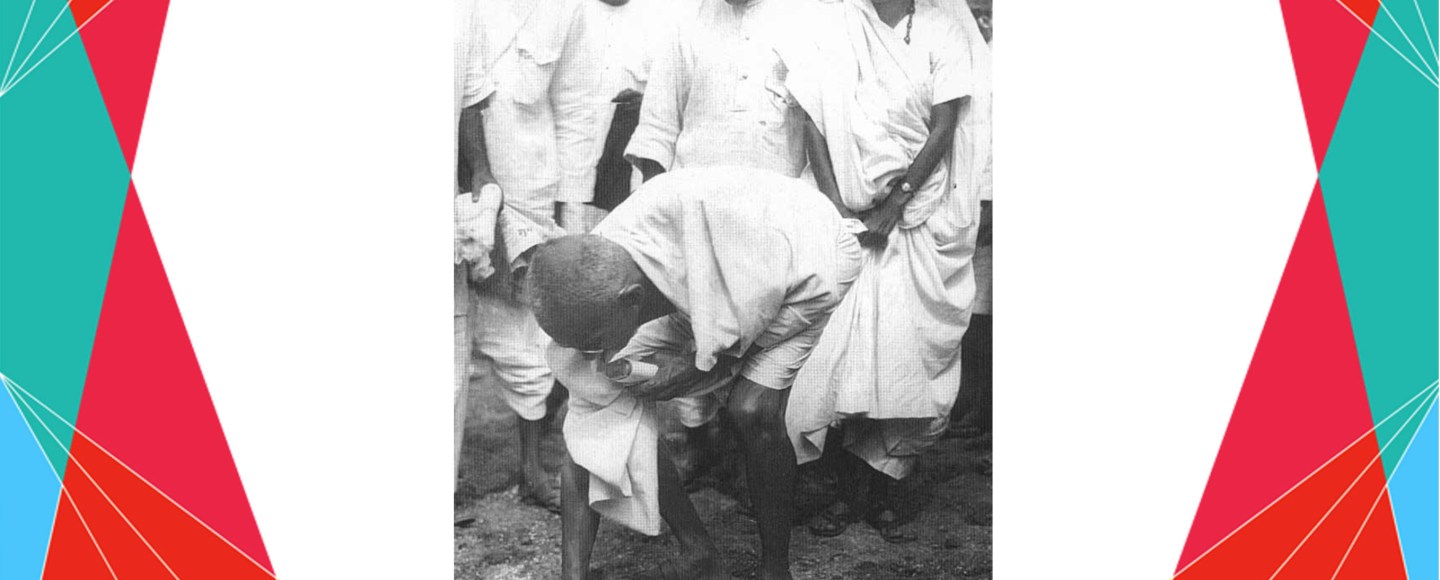
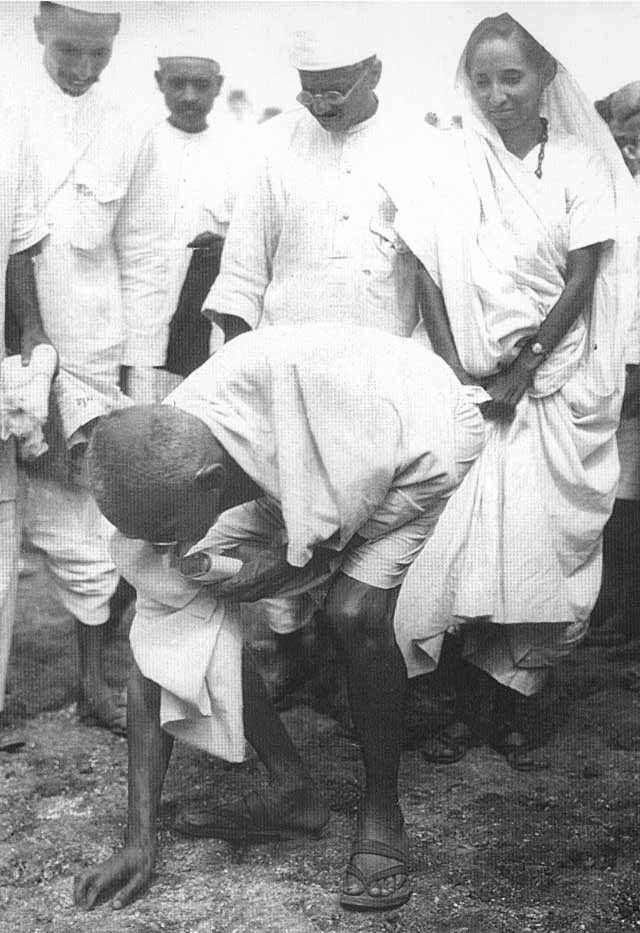
Today morning in 1930 at 6.30 am, Mahatma Gandhi was standing with a lump of salt in one hand, and said – “With this, I am shaking the foundations of the British empire.”
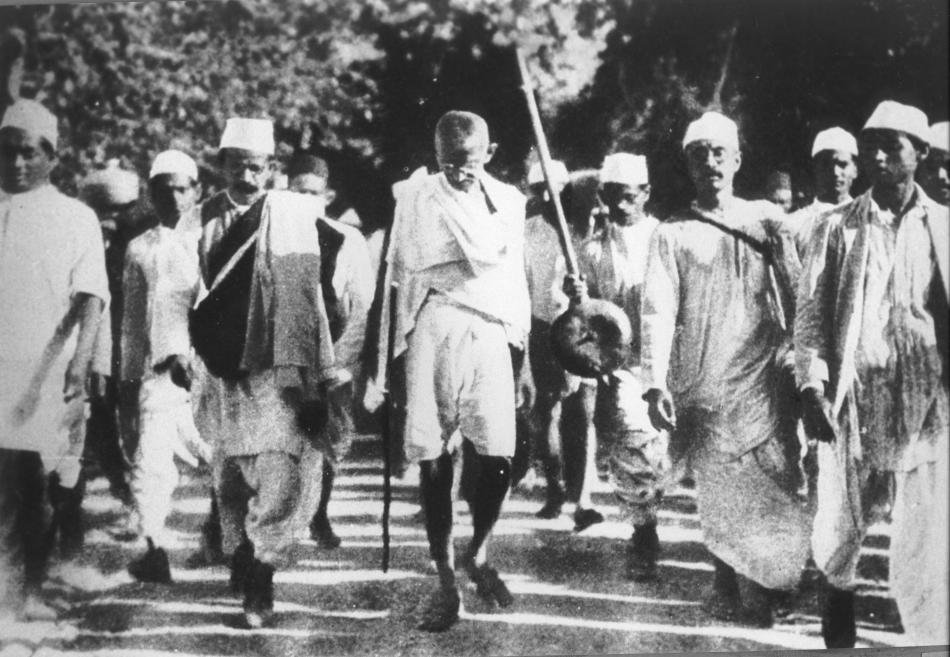
This happened after the famous Dandi March. Gandhi along with his followers walked from his base, Sabarmati Ashram, near the city of Ahmedabad to the coastal village of Dandi, which was located at a small town called Navsari in the state of Gujarat. 78 people began this march. All along the way, Gandhi addressed large crowds, and with each passing day an increasing number of people joined the salt satyagraha.
They walked almost 390 km in 24 days i.e. from 12 March, to produce salt without paying tax. By the time they reached Dandi on April 6, Gandhi was at the head of a crowd of tens of thousands and finally on the dawn of 6th april Gandhi broke the salt law at 6.30 am and made salt.
The march was a powerful display of civil disobedience, with participants peacefully defying British authorities by making their own salt from seawater. This act of defiance was seen as a direct challenge to the British salt laws, which allowed the colonial government to tax and control the production and sale of salt.
The Dandi March captured the imagination of the Indian public and garnered international attention, highlighting the injustice of British rule in India. It inspired similar protests across the country, leading to widespread civil disobedience and mass arrests of Indian nationalists.
The success of the Dandi March brought attention to the Indian independence movement and increased pressure on the British government to grant India self-rule. The march also marked a turning point in Gandhi’s leadership, solidifying his status as the leader of the Indian independence movement.
In 1947, India finally gained independence from British rule, and the Dandi March remains a powerful symbol of nonviolent resistance and the fight for freedom. The march serves as a reminder of the power of peaceful protest and the importance of standing up against injustice, even in the face of overwhelming odds.
#Hindi
डांडी मार्च… इतिहास की वो घटना जिसे हमने स्कूल में इतिहास की किताबों में गर्व के साथ पढ़ा होगा। महात्मा गांधी का वो कदम जिसे स्वतंत्रता पाने की तरफ बढ़ाए गए एक मजबूत कदम के तौर पर याद किया जाता है। करीब 88 साल पहले आज के दिन सुबह साढे छ बजे महात्मा गांधी हाथ में नमक लेकर खड़े हुए और ब्रिटिश सरकार की नींव हिलाने वाला कदम बढ़ाया। उन्होंने गुजरात की राजधानी अहमदाबाद में अपने साबरमती आश्रम से गुजरात के ही नवसारी जिले के छोटे से गांव डांडी तक एक मार्च किया। इस मार्च की शुरुआत में बापू के साथ 78 लोग थे। रास्ते में उनके कदम से कदम मिलाकर लोगों ने चलना शुरु किया। बापू ने पूरे रास्ते लोगों को अंग्रेज़ों के खिलाफ आवाज़ उठाने के लिए प्रोत्साहित किया। लगभग 390 किलोमीटर की दूरी तय कर 24 दिन बाद बापू अपने दल-बल के साथ डांडी पहुंचे। हज़ारों की संख्या में लोग बापू के साथ थे और सुबह डांडी पहुंचकर अंग्रेज़ों के नमक नीति के खिलाफ जाकर वहां नमक बनाया। गांधी जी के इस कदम ने लोगों में बहुत ज़्याजदा ऊर्जा भरी और ये भरोसा जगाया कि स्वतंत्र भारत का सपना अब दूर नहीं है।


No taste without salt ! But this salt would not have been added to your life if father of the nation would not have stood against british taxation on salt policy.
Today morning in 1930 at 6.30 am, Mahatma Gandhi was standing with a lump of salt in one hand, and said – “With this, I am shaking the foundations of the British empire.”
 Gandhi along with his followers walked from his base, Sabarmati Ashram, near the city of Ahmedabad to the coastal village of Dandi, which was located at a small town called Navsari in the state of Gujarat. 78 people began this march. All along the way, Gandhi addressed large crowds, and with each passing day an increasing number of people joined the salt satyagraha.
This happened after the famous Dandi March.
They walked almost 390 km in 24 days i.e. from 12 March, to produce salt without paying tax. By the time they reached Dandi on April 6, Gandhi was at the head of a crowd of tens of thousands and finally on the dawn of 6th april Gandhi broke the salt law at 6.30 am and made salt.
The march was a powerful display of civil disobedience, with participants peacefully defying British authorities by making their own salt from seawater. This act of defiance was seen as a direct challenge to the British salt laws, which allowed the colonial government to tax and control the production and sale of salt.
The Dandi March captured the imagination of the Indian public and garnered international attention, highlighting the injustice of British rule in India. It inspired similar protests across the country, leading to widespread civil disobedience and mass arrests of Indian nationalists.
The success of the Dandi March brought attention to the Indian independence movement and increased pressure on the British government to grant India self-rule. The march also marked a turning point in Gandhi’s leadership, solidifying his status as the leader of the Indian independence movement.
In 1947, India finally gained independence from British rule, and the Dandi March remains a powerful symbol of nonviolent resistance and the fight for freedom. The march serves as a reminder of the power of peaceful protest and the importance of standing up against injustice, even in the face of overwhelming odds.
#Hindi
डांडी मार्च… इतिहास की वो घटना जिसे हमने स्कूल में इतिहास की किताबों में गर्व के साथ पढ़ा होगा। महात्मा गांधी का वो कदम जिसे स्वतंत्रता पाने की तरफ बढ़ाए गए एक मजबूत कदम के तौर पर याद किया जाता है। करीब 88 साल पहले आज के दिन सुबह साढे छ बजे महात्मा गांधी हाथ में नमक लेकर खड़े हुए और ब्रिटिश सरकार की नींव हिलाने वाला कदम बढ़ाया। उन्होंने गुजरात की राजधानी अहमदाबाद में अपने साबरमती आश्रम से गुजरात के ही नवसारी जिले के छोटे से गांव डांडी तक एक मार्च किया। इस मार्च की शुरुआत में बापू के साथ 78 लोग थे। रास्ते में उनके कदम से कदम मिलाकर लोगों ने चलना शुरु किया। बापू ने पूरे रास्ते लोगों को अंग्रेज़ों के खिलाफ आवाज़ उठाने के लिए प्रोत्साहित किया। लगभग 390 किलोमीटर की दूरी तय कर 24 दिन बाद बापू अपने दल-बल के साथ डांडी पहुंचे। हज़ारों की संख्या में लोग बापू के साथ थे और सुबह डांडी पहुंचकर अंग्रेज़ों के नमक नीति के खिलाफ जाकर वहां नमक बनाया। गांधी जी के इस कदम ने लोगों में बहुत ज़्याजदा ऊर्जा भरी और ये भरोसा जगाया कि स्वतंत्र भारत का सपना अब दूर नहीं है।
Share this: