For the first time plastic heart was implanted in a human body. The artificial heart remained in the body till a donor heart was made available. It was first and one of its kind achievement in medical science.
Plastic heart or the Artificial heart did dhak…dhak for the first time today in 1969.
It was transplanted in a patient Haskell Carp’s chest by Surgeons Domingo Liotta and Denton Cooley on April 4, 1969 in Houston. The operation was successful and the heart remained in place and worked properly. They removed the artificial heart 64 hours later when a donor heart became available. Unfortunately the patient died two days later but helped the world know the feasibility of artificial organs transplant.
Listen to Cardiovascular surgeon Dr. Denton Cooley, who transplanted the first artificial heart in a patient successfully.
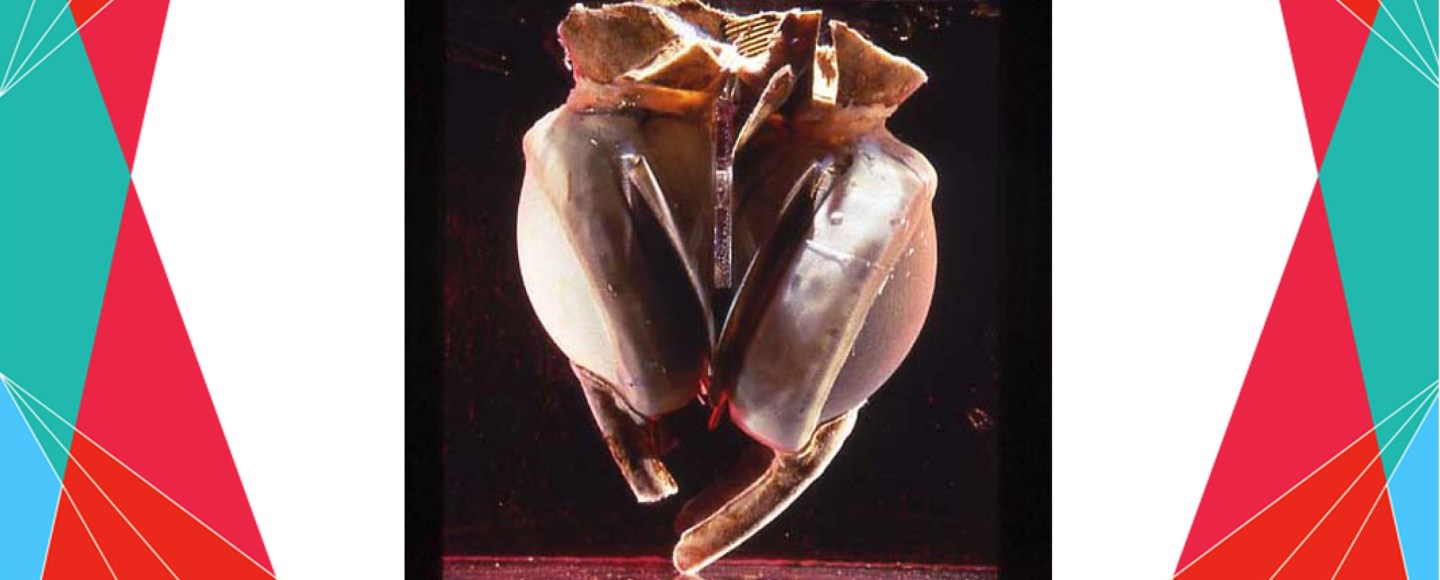
The plastic heart, called the Liotta-Cooley Artificial Heart after its inventor, Dr. Domingo Liotta, and the surgeon who implanted it, Dr. Denton Cooley, is now among the 137 million artifacts, works of art and specimens in the collection of the Smithsonian Institution in Washington.
It was a groundbreaking moment in the history of medical science when the first artificial heart, also known as the plastic heart, successfully pumped for the first time on this day in 1969. This revolutionary development in the field of cardiology paved the way for future advancements in heart transplantation and artificial organ technology.
The artificial heart was developed by Dr. Denton Cooley, a renowned cardiovascular surgeon, and his team at the Texas Heart Institute. The device was implanted into a patient named Haskell Karp, who was suffering from end-stage heart failure and was not a candidate for a traditional heart transplant.
The plastic heart was made from a combination of plastics and metal components, and was designed to function as a temporary measure until a suitable donor heart could be found for the patient. The successful operation marked a major milestone in the field of artificial organ technology and gave hope to countless patients suffering from heart failure.
Since then, there have been numerous advancements in artificial heart technology, with more durable and efficient devices being developed. Today, artificial hearts are used as a bridge to transplant for patients awaiting a donor heart, as well as a permanent solution for those who are not eligible for a traditional heart transplant.
The development of the artificial heart has saved countless lives and continues to be a game-changer in the field of cardiology. It has provided hope to patients with end-stage heart failure and has revolutionized the way we approach heart transplantation.
As we commemorate this historic moment in medical history, we are reminded of the incredible advancements that have been made in the field of medicine and the life-saving potential of artificial organs. The plastic heart may have been a pioneering development, but it has paved the way for even more remarkable innovations in the future.
#Hindi
1969 में आज के दिन पहली बार प्लास्टिक हार्ट या कृत्रिम दिल ने धक…धक किया। इसे 4 अप्रैल, 1969 को ह्यूस्टन में सर्जन डोमिंगो लिओटा और डेंटन कूली ने मरीज हास्कल कार्प की छाती में प्रत्यारोपित किया। ऑपरेशन सफल रहा और दिल ने सही तरीके से काम किया। 64 घंटे बाद, जब एक डोनर हार्ट मिला, तो उन्होंने कृत्रिम दिल को हटा दिया। दुर्भाग्यवश, मरीज दो दिन बाद चल बसा, लेकिन इसने दुनिया को कृत्रिम अंग प्रत्यारोपण की संभावना के बारे में बताया।
प्लास्टिक हार्ट, जिसे इसके आविष्कारक डॉ. डोमिंगो लिओटा और इसे प्रत्यारोपित करने वाले सर्जन डॉ. डेंटन कूली के नाम पर लिओटा-कूली कृत्रिम दिल कहा जाता है, अब वाशिंगटन के स्मिथसोनियन इंस्टीट्यूशन के संग्रह में शामिल है। यह चिकित्सा विज्ञान के इतिहास में एक महत्वपूर्ण क्षण था जब 1969 में पहली बार कृत्रिम दिल ने सफलतापूर्वक धड़कन की।
कृत्रिम दिल का विकास डॉ. डेंटन कूली और उनकी टीम ने टेक्सास हार्ट इंस्टीट्यूट में किया था। इसे एक ऐसे मरीज में प्रत्यारोपित किया गया था जिसे गंभीर हृदय विफलता थी और जो पारंपरिक हृदय प्रत्यारोपण के लिए उम्मीदवार नहीं था।
प्लास्टिक और धातु के हिस्सों से बने इस कृत्रिम दिल को एक अस्थायी उपाय के रूप में डिजाइन किया गया था ताकि मरीज के लिए एक उपयुक्त डोनर हार्ट मिलने तक काम कर सके। इस सफल ऑपरेशन ने कृत्रिम अंग प्रौद्योगिकी के क्षेत्र में एक महत्वपूर्ण मील का पत्थर स्थापित किया और हृदय विफलता से पीड़ित अनगिनत मरीजों को आशा दी।
तब से, कृत्रिम दिल प्रौद्योगिकी में कई प्रगति हुई हैं, और अब अधिक टिकाऊ और प्रभावी उपकरण विकसित किए जा रहे हैं। आज, कृत्रिम दिल का उपयोग डोनर हार्ट की प्रतीक्षा कर रहे मरीजों के लिए एक पुल के रूप में किया जाता है, और उन लोगों के लिए एक स्थायी समाधान के रूप में भी जिनके लिए पारंपरिक हृदय प्रत्यारोपण संभव नहीं है।
कृत्रिम दिल के विकास ने अनगिनत जीवन बचाए हैं और हृदय विज्ञान के क्षेत्र में एक महत्वपूर्ण बदलाव लाया है। इसने गंभीर हृदय विफलता से पीड़ित मरीजों को आशा दी है और हृदय प्रत्यारोपण के दृष्टिकोण को नए तरीके से बदल दिया है।
जैसा कि हम इस ऐतिहासिक क्षण को याद करते हैं, हम चिकित्सा के क्षेत्र में हुई अविश्वसनीय प्रगति और कृत्रिम अंगों की जीवन-रक्षक क्षमता को याद करते हैं। प्लास्टिक हार्ट एक अग्रणी विकास था, लेकिन इसने भविष्य में और भी अद्भुत नवाचारों के लिए मार्ग प्रशस्त किया है।


Plastic heart or the Artificial heart did dhak…dhak for the first time today in 1969.
It was transplanted in a patient Haskell Carp’s chest by Surgeons Domingo Liotta and Denton Cooley on April 4, 1969 in Houston. The operation was successful and the heart remained in place and worked properly. They removed the artificial heart 64 hours later when a donor heart became available. Unfortunately the patient died two days later but helped the world know the feasibility of artificial organs transplant.
Listen to Cardiovascular surgeon Dr. Denton Cooley, who transplanted the first artificial heart in a patient successfully.
The plastic heart, called the Liotta-Cooley Artificial Heart after its inventor, Dr. Domingo Liotta, and the surgeon who implanted it, Dr. Denton Cooley, is now among the 137 million artifacts, works of art and specimens in the collection of the Smithsonian Institution in Washington.
It was a groundbreaking moment in the history of medical science when the first artificial heart, also known as the plastic heart, successfully pumped for the first time on this day in 1969. This revolutionary development in the field of cardiology paved the way for future advancements in heart transplantation and artificial organ technology.
The artificial heart was developed by Dr. Denton Cooley, a renowned cardiovascular surgeon, and his team at the Texas Heart Institute. The device was implanted into a patient named Haskell Karp, who was suffering from end-stage heart failure and was not a candidate for a traditional heart transplant.
The plastic heart was made from a combination of plastics and metal components, and was designed to function as a temporary measure until a suitable donor heart could be found for the patient. The successful operation marked a major milestone in the field of artificial organ technology and gave hope to countless patients suffering from heart failure.
Since then, there have been numerous advancements in artificial heart technology, with more durable and efficient devices being developed. Today, artificial hearts are used as a bridge to transplant for patients awaiting a donor heart, as well as a permanent solution for those who are not eligible for a traditional heart transplant.
The development of the artificial heart has saved countless lives and continues to be a game-changer in the field of cardiology. It has provided hope to patients with end-stage heart failure and has revolutionized the way we approach heart transplantation.
As we commemorate this historic moment in medical history, we are reminded of the incredible advancements that have been made in the field of medicine and the life-saving potential of artificial organs. The plastic heart may have been a pioneering development, but it has paved the way for even more remarkable innovations in the future.
#Hindi
1969 में आज के दिन पहली बार प्लास्टिक हार्ट या कृत्रिम दिल ने धक…धक किया। इसे 4 अप्रैल, 1969 को ह्यूस्टन में सर्जन डोमिंगो लिओटा और डेंटन कूली ने मरीज हास्कल कार्प की छाती में प्रत्यारोपित किया। ऑपरेशन सफल रहा और दिल ने सही तरीके से काम किया। 64 घंटे बाद, जब एक डोनर हार्ट मिला, तो उन्होंने कृत्रिम दिल को हटा दिया। दुर्भाग्यवश, मरीज दो दिन बाद चल बसा, लेकिन इसने दुनिया को कृत्रिम अंग प्रत्यारोपण की संभावना के बारे में बताया।
प्लास्टिक हार्ट, जिसे इसके आविष्कारक डॉ. डोमिंगो लिओटा और इसे प्रत्यारोपित करने वाले सर्जन डॉ. डेंटन कूली के नाम पर लिओटा-कूली कृत्रिम दिल कहा जाता है, अब वाशिंगटन के स्मिथसोनियन इंस्टीट्यूशन के संग्रह में शामिल है। यह चिकित्सा विज्ञान के इतिहास में एक महत्वपूर्ण क्षण था जब 1969 में पहली बार कृत्रिम दिल ने सफलतापूर्वक धड़कन की।
कृत्रिम दिल का विकास डॉ. डेंटन कूली और उनकी टीम ने टेक्सास हार्ट इंस्टीट्यूट में किया था। इसे एक ऐसे मरीज में प्रत्यारोपित किया गया था जिसे गंभीर हृदय विफलता थी और जो पारंपरिक हृदय प्रत्यारोपण के लिए उम्मीदवार नहीं था।
प्लास्टिक और धातु के हिस्सों से बने इस कृत्रिम दिल को एक अस्थायी उपाय के रूप में डिजाइन किया गया था ताकि मरीज के लिए एक उपयुक्त डोनर हार्ट मिलने तक काम कर सके। इस सफल ऑपरेशन ने कृत्रिम अंग प्रौद्योगिकी के क्षेत्र में एक महत्वपूर्ण मील का पत्थर स्थापित किया और हृदय विफलता से पीड़ित अनगिनत मरीजों को आशा दी।
तब से, कृत्रिम दिल प्रौद्योगिकी में कई प्रगति हुई हैं, और अब अधिक टिकाऊ और प्रभावी उपकरण विकसित किए जा रहे हैं। आज, कृत्रिम दिल का उपयोग डोनर हार्ट की प्रतीक्षा कर रहे मरीजों के लिए एक पुल के रूप में किया जाता है, और उन लोगों के लिए एक स्थायी समाधान के रूप में भी जिनके लिए पारंपरिक हृदय प्रत्यारोपण संभव नहीं है।
कृत्रिम दिल के विकास ने अनगिनत जीवन बचाए हैं और हृदय विज्ञान के क्षेत्र में एक महत्वपूर्ण बदलाव लाया है। इसने गंभीर हृदय विफलता से पीड़ित मरीजों को आशा दी है और हृदय प्रत्यारोपण के दृष्टिकोण को नए तरीके से बदल दिया है।
जैसा कि हम इस ऐतिहासिक क्षण को याद करते हैं, हम चिकित्सा के क्षेत्र में हुई अविश्वसनीय प्रगति और कृत्रिम अंगों की जीवन-रक्षक क्षमता को याद करते हैं। प्लास्टिक हार्ट एक अग्रणी विकास था, लेकिन इसने भविष्य में और भी अद्भुत नवाचारों के लिए मार्ग प्रशस्त किया है।
Share this: