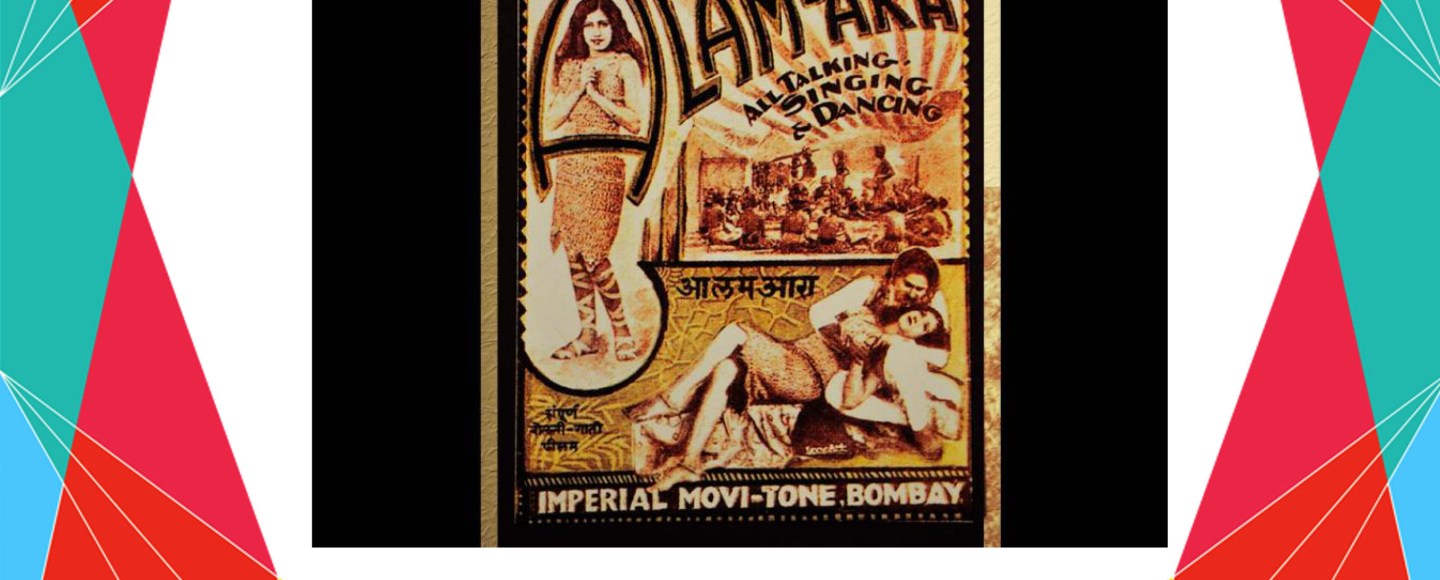
The first talking and singing film of Indian Cinema ‘Alam Ara’ (The Ornament of the World) was released today in 1931 at Majestic Cinema in Mumbai.
The release of ‘Alam Ara’ marked a significant milestone in the history of Indian cinema. The film not only introduced sound and music to Indian cinema but also paved the way for a whole new era of entertainment. It was a groundbreaking moment that changed the landscape of Indian cinema forever.
Directed by Ardeshir Irani, ‘Alam Ara’ featured a talented cast including Master Vithal and Zubaida in the lead roles. The film was shot using the Tanar single system camera, which was a revolutionary technology at the time as it allowed sound to be recorded directly onto the film. This allowed for synchronized sound and music, a feature that was not available in Indian cinema before.
One of the most memorable aspects of the film was its music. ‘Alam Ara’ featured the first song in Indian cinema, ‘De de khuda ke naan par’, which became an instant hit with audiences. The music was composed by Ferozshah M. Mistri and B. Irani, and the film had a total of seven songs that added to the overall charm and appeal of the film.
It is interesting to note that the shooting of ‘Alam Ara’ was mostly done at night in order to avoid daytime noises that could disrupt the recording of sound. This attention to detail and dedication to creating a seamless viewing experience for audiences was just one of the many reasons why ‘Alam Ara’ was such a success.
However, it is also unfortunate to learn that ‘Alam Ara’ is now considered a lost film. According to the National Film Archive of India, no copy of the film has been available since 1967, making it a relic that exists only in the memories of those who were lucky enough to see it when it was first released.
Despite its disappearance, the legacy of ‘Alam Ara’ lives on in the hearts of those who appreciate its contribution to Indian cinema. It will always hold a special place in the history of Indian entertainment and will continue to be remembered as a trailblazing film that changed the course of Indian cinema forever.
#Hindi
‘आलम आरा’ की रिलीज़ भारतीय सिनेमा के इतिहास में एक महत्वपूर्ण मील का पत्थर साबित हुई। इस फिल्म ने न केवल भारतीय सिनेमा में ध्वनि और संगीत की शुरुआत की, बल्कि एक नई मनोरंजन युग की नींव भी रखी। यह एक क्रांतिकारी क्षण था जिसने भारतीय सिनेमा के परिदृश्य को हमेशा के लिए बदल दिया।
निर्देशक अर्देशिर ईरानी द्वारा निर्देशित ‘आलम आरा’ में मास्टर विठल और जुबैदा जैसे प्रतिभाशाली कलाकार मुख्य भूमिकाओं में थे। फिल्म की शूटिंग तनार सिंगल सिस्टम कैमरे का उपयोग करके की गई थी, जो उस समय की एक क्रांतिकारी तकनीक थी क्योंकि इसने ध्वनि को सीधे फिल्म पर रिकॉर्ड करने की अनुमति दी। इससे समकालिक ध्वनि और संगीत संभव हुआ, जो पहले भारतीय सिनेमा में उपलब्ध नहीं था।
फिल्म के सबसे यादगार पहलुओं में से एक इसका संगीत था। ‘आलम आरा’ में भारतीय सिनेमा का पहला गीत ‘दे दे खुदा के नाम पर’ शामिल था, जो दर्शकों के बीच तुरंत हिट हो गया। संगीत फिरोजशाह एम. मिस्त्री और बी. ईरानी द्वारा कम्पोज़ किया गया था, और फिल्म में कुल सात गाने थे जो फिल्म के आकर्षण और अपील को और बढ़ा देते थे।
यह जानना दिलचस्प है कि ‘आलम आरा’ की शूटिंग ज्यादातर रात में की गई थी ताकि दिन के समय की आवाज़ें जो ध्वनि रिकॉर्डिंग को बाधित कर सकती थीं, से बचा जा सके। दर्शकों के लिए एक सहज देखने का अनुभव बनाने की इस ध्यानशीलता और समर्पण के कारण ‘आलम आरा’ बहुत सफल रही।
हालांकि, यह जानकर दुख होता है कि ‘आलम आरा’ अब एक खोई हुई फिल्म मानी जाती है। भारतीय राष्ट्रीय फिल्म अभिलेखागार के अनुसार, 1967 के बाद से इस फिल्म की कोई प्रति उपलब्ध नहीं है, जिससे यह केवल उन लोगों की यादों में मौजूद है जिन्होंने इसे पहली बार रिलीज़ के समय देखा था।
इसके बावजूद, ‘आलम आरा’ की विरासत उन लोगों के दिलों में जीवित है जो भारतीय सिनेमा में इसके योगदान की सराहना करते हैं। यह भारतीय मनोरंजन के इतिहास में हमेशा एक विशेष स्थान पर रहेगा और इसे एक पथप्रदर्शक फिल्म के रूप में याद किया जाएगा जिसने भारतीय सिनेमा के मार्ग को हमेशा के लिए बदल दिया।


The release of ‘Alam Ara’ marked a significant milestone in the history of Indian cinema. The film not only introduced sound and music to Indian cinema but also paved the way for a whole new era of entertainment. It was a groundbreaking moment that changed the landscape of Indian cinema forever.
Directed by Ardeshir Irani, ‘Alam Ara’ featured a talented cast including Master Vithal and Zubaida in the lead roles. The film was shot using the Tanar single system camera, which was a revolutionary technology at the time as it allowed sound to be recorded directly onto the film. This allowed for synchronized sound and music, a feature that was not available in Indian cinema before.
One of the most memorable aspects of the film was its music. ‘Alam Ara’ featured the first song in Indian cinema, ‘De de khuda ke naan par’, which became an instant hit with audiences. The music was composed by Ferozshah M. Mistri and B. Irani, and the film had a total of seven songs that added to the overall charm and appeal of the film.
It is interesting to note that the shooting of ‘Alam Ara’ was mostly done at night in order to avoid daytime noises that could disrupt the recording of sound. This attention to detail and dedication to creating a seamless viewing experience for audiences was just one of the many reasons why ‘Alam Ara’ was such a success.
However, it is also unfortunate to learn that ‘Alam Ara’ is now considered a lost film. According to the National Film Archive of India, no copy of the film has been available since 1967, making it a relic that exists only in the memories of those who were lucky enough to see it when it was first released.
Despite its disappearance, the legacy of ‘Alam Ara’ lives on in the hearts of those who appreciate its contribution to Indian cinema. It will always hold a special place in the history of Indian entertainment and will continue to be remembered as a trailblazing film that changed the course of Indian cinema forever.
#Hindi
‘आलम आरा’ की रिलीज़ भारतीय सिनेमा के इतिहास में एक महत्वपूर्ण मील का पत्थर साबित हुई। इस फिल्म ने न केवल भारतीय सिनेमा में ध्वनि और संगीत की शुरुआत की, बल्कि एक नई मनोरंजन युग की नींव भी रखी। यह एक क्रांतिकारी क्षण था जिसने भारतीय सिनेमा के परिदृश्य को हमेशा के लिए बदल दिया।
निर्देशक अर्देशिर ईरानी द्वारा निर्देशित ‘आलम आरा’ में मास्टर विठल और जुबैदा जैसे प्रतिभाशाली कलाकार मुख्य भूमिकाओं में थे। फिल्म की शूटिंग तनार सिंगल सिस्टम कैमरे का उपयोग करके की गई थी, जो उस समय की एक क्रांतिकारी तकनीक थी क्योंकि इसने ध्वनि को सीधे फिल्म पर रिकॉर्ड करने की अनुमति दी। इससे समकालिक ध्वनि और संगीत संभव हुआ, जो पहले भारतीय सिनेमा में उपलब्ध नहीं था।
फिल्म के सबसे यादगार पहलुओं में से एक इसका संगीत था। ‘आलम आरा’ में भारतीय सिनेमा का पहला गीत ‘दे दे खुदा के नाम पर’ शामिल था, जो दर्शकों के बीच तुरंत हिट हो गया। संगीत फिरोजशाह एम. मिस्त्री और बी. ईरानी द्वारा कम्पोज़ किया गया था, और फिल्म में कुल सात गाने थे जो फिल्म के आकर्षण और अपील को और बढ़ा देते थे।
यह जानना दिलचस्प है कि ‘आलम आरा’ की शूटिंग ज्यादातर रात में की गई थी ताकि दिन के समय की आवाज़ें जो ध्वनि रिकॉर्डिंग को बाधित कर सकती थीं, से बचा जा सके। दर्शकों के लिए एक सहज देखने का अनुभव बनाने की इस ध्यानशीलता और समर्पण के कारण ‘आलम आरा’ बहुत सफल रही।
हालांकि, यह जानकर दुख होता है कि ‘आलम आरा’ अब एक खोई हुई फिल्म मानी जाती है। भारतीय राष्ट्रीय फिल्म अभिलेखागार के अनुसार, 1967 के बाद से इस फिल्म की कोई प्रति उपलब्ध नहीं है, जिससे यह केवल उन लोगों की यादों में मौजूद है जिन्होंने इसे पहली बार रिलीज़ के समय देखा था।
इसके बावजूद, ‘आलम आरा’ की विरासत उन लोगों के दिलों में जीवित है जो भारतीय सिनेमा में इसके योगदान की सराहना करते हैं। यह भारतीय मनोरंजन के इतिहास में हमेशा एक विशेष स्थान पर रहेगा और इसे एक पथप्रदर्शक फिल्म के रूप में याद किया जाएगा जिसने भारतीय सिनेमा के मार्ग को हमेशा के लिए बदल दिया।
Share this: