It is a silvery-white, soft, non-magnetic, ductile metal. It is available in almost all houses these days.
It is aluminium. From aluminium foils to aluminium window frames, it is a very useful and corrosion resistant material.
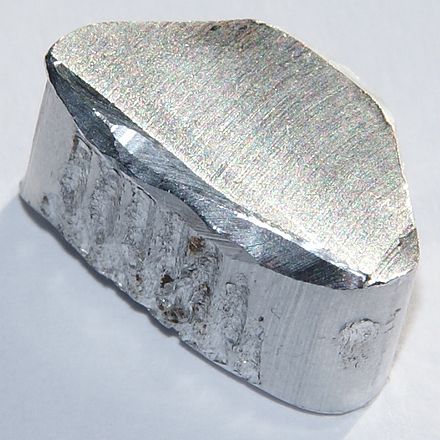
Aluminium, a silvery-white metal, has become an integral part of our lives today. Found in almost every household, it is used in various forms like foils, utensils, window frames, and even in construction materials due to its corrosion-resistant properties.
The history of aluminium dates back to the 19th century when it was first produced in a laboratory in 1886. It was the result of the relentless efforts of two inventors, Charles Martin Hall from the United States and Paul Heroult from France. Their groundbreaking discovery was the Hall-Heroult electrolytic process, which revolutionized the production of metallic aluminium on a large scale.
Charles Martin Hall spent several years experimenting in his laboratory to find a cost-effective method to produce aluminium. His perseverance paid off when he successfully developed a special technique that could produce aluminium at a reduced cost. This breakthrough allowed aluminium to be produced in larger quantities, making it more accessible and affordable for various industries.
The Hall-Heroult process is still widely used today. It involves the electrolysis of aluminium oxide dissolved in molten cryolite, a mineral that acts as a solvent. This process requires a large amount of energy, making electricity a crucial component in aluminium production. The process involves the separation of aluminium from other elements, resulting in the extraction of pure metallic aluminium.
The discovery of this electrolytic process was a significant milestone in the history of aluminium. Prior to this, aluminium was considered a rare and precious metal due to the complexities involved in its extraction. It was even more expensive than gold. However, with the development of the Hall-Heroult process, aluminium became much more accessible and affordable, leading to its widespread use in various industries.
The use of aluminium has expanded over the years, finding applications in diverse fields. Its low density, high strength, and resistance to corrosion make it an ideal material for aerospace, construction, transportation, and packaging industries. It is also used extensively in electrical wiring and power transmission due to its excellent conductivity.
#Hindi
यह एक चमकीला सफेद, मुलायम, गैर-चुंबकीय, और लचीला धातु है। आजकल यह लगभग हर घर में उपलब्ध है। यह है एल्यूमिनियम। एल्यूमिनियम फॉयल से लेकर एल्यूमिनियम की खिड़की के फ्रेम तक, यह एक बहुत ही उपयोगी और जंग-रोधी सामग्री है।
एल्यूमिनियम, एक चमकीला सफेद धातु, आज हमारे जीवन का अहम हिस्सा बन गया है। लगभग हर घर में पाया जाता है और इसे फॉयल, बर्तन, खिड़की के फ्रेम और निर्माण सामग्री के रूप में इस्तेमाल किया जाता है, इसके जंग-रोधी गुणों के कारण।
एल्यूमिनियम की कहानी 19वीं सदी से शुरू होती है, जब इसे पहली बार 1886 में एक प्रयोगशाला में बनाया गया था। यह दो आविष्कारकों, अमेरिका के चार्ल्स मार्टिन हॉल और फ्रांस के पॉल हेरू के प्रयासों का परिणाम था। उनका महत्वपूर्ण खोज, हॉल-हेरू इलेक्ट्रोलाइटिक प्रक्रिया, धातु एल्यूमिनियम के बड़े पैमाने पर उत्पादन में क्रांतिकारी बदलाव लाया।
चार्ल्स मार्टिन हॉल ने अपने प्रयोगशाला में कई वर्षों तक एक सस्ती विधि खोजने के लिए मेहनत की, ताकि एल्यूमिनियम का उत्पादन कम लागत पर किया जा सके। उनकी मेहनत रंग लाई जब उन्होंने एक विशेष तकनीक विकसित की, जिससे एल्यूमिनियम का बड़े पैमाने पर और कम कीमत पर उत्पादन संभव हुआ। इस उपलब्धि ने विभिन्न उद्योगों के लिए एल्यूमिनियम को और सुलभ और किफायती बना दिया।
हॉल-हेरू प्रक्रिया आज भी व्यापक रूप से उपयोग की जाती है। इसमें एल्यूमिनियम ऑक्साइड को पिघले हुए क्रायोलाइट में घोलकर विद्युत अपघटन किया जाता है। इस प्रक्रिया में बहुत ऊर्जा की आवश्यकता होती है, इसलिए बिजली एल्यूमिनियम उत्पादन में एक महत्वपूर्ण घटक है। इस प्रक्रिया के माध्यम से अन्य तत्वों से एल्यूमिनियम को अलग किया जाता है, जिससे शुद्ध धातु एल्यूमिनियम का निष्कर्षण होता है।
इस इलेक्ट्रोलाइटिक प्रक्रिया की खोज एल्यूमिनियम के इतिहास में एक महत्वपूर्ण मील का पत्थर थी। इससे पहले, एल्यूमिनियम को एक दुर्लभ और कीमती धातु माना जाता था, क्योंकि इसके निष्कर्षण में जटिलता होती थी। यह सोने से भी महंगा था। लेकिन हॉल-हेरू प्रक्रिया के विकास के साथ, एल्यूमिनियम और अधिक सुलभ और किफायती हो गया, जिससे विभिन्न उद्योगों में इसका व्यापक उपयोग होने लगा।
वर्षों से एल्यूमिनियम का उपयोग कई क्षेत्रों में बढ़ गया है। इसकी कम घनत्व, उच्च ताकत और जंग से बचाव करने वाली विशेषताएं इसे विमानन, निर्माण, परिवहन और पैकेजिंग उद्योगों के लिए एक आदर्श सामग्री बनाती हैं। यह विद्युत तारों और बिजली के संचरण में भी बड़े पैमाने पर प्रयोग किया जाता है, इसके उत्कृष्ट चालकता के कारण।
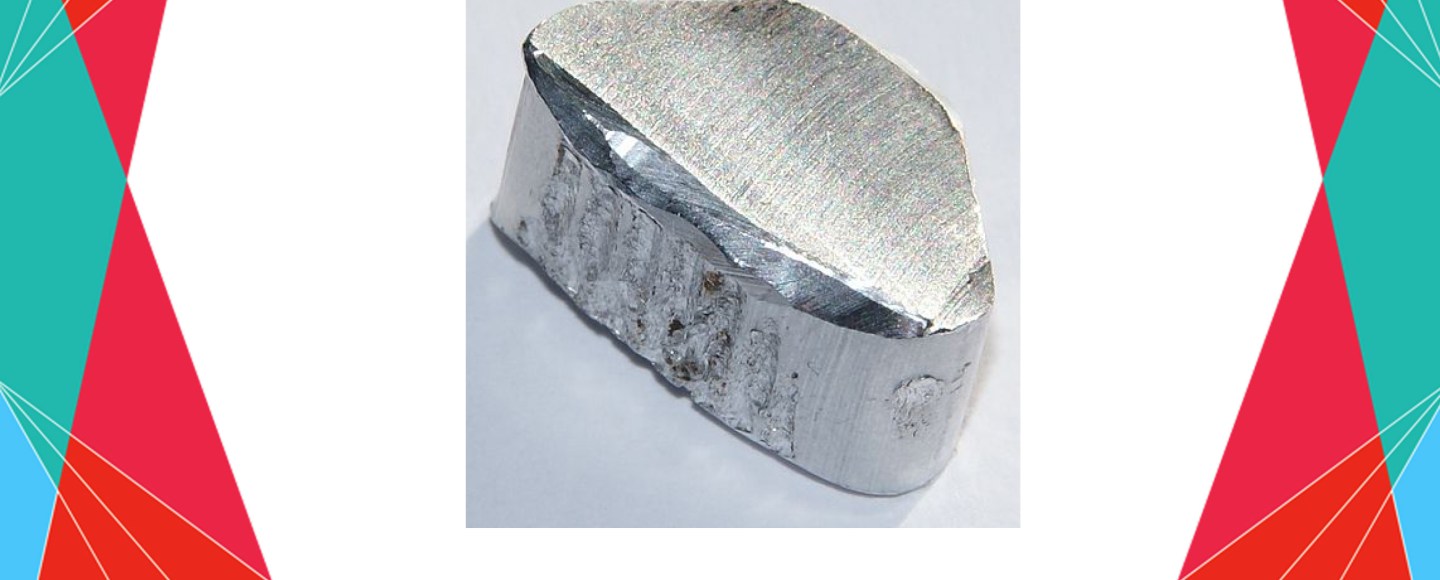


It is a silvery-white, soft, non-magnetic, ductile metal. It is available in almost all houses these days.
It is aluminium. From aluminium foils to aluminium window frames, it is a very useful and corrosion resistant material.

Aluminium, a silvery-white metal, has become an integral part of our lives today. Found in almost every household, it is used in various forms like foils, utensils, window frames, and even in construction materials due to its corrosion-resistant properties.
The history of aluminium dates back to the 19th century when it was first produced in a laboratory in 1886. It was the result of the relentless efforts of two inventors, Charles Martin Hall from the United States and Paul Heroult from France. Their groundbreaking discovery was the Hall-Heroult electrolytic process, which revolutionized the production of metallic aluminium on a large scale.
Charles Martin Hall spent several years experimenting in his laboratory to find a cost-effective method to produce aluminium. His perseverance paid off when he successfully developed a special technique that could produce aluminium at a reduced cost. This breakthrough allowed aluminium to be produced in larger quantities, making it more accessible and affordable for various industries.
The Hall-Heroult process is still widely used today. It involves the electrolysis of aluminium oxide dissolved in molten cryolite, a mineral that acts as a solvent. This process requires a large amount of energy, making electricity a crucial component in aluminium production. The process involves the separation of aluminium from other elements, resulting in the extraction of pure metallic aluminium.
The discovery of this electrolytic process was a significant milestone in the history of aluminium. Prior to this, aluminium was considered a rare and precious metal due to the complexities involved in its extraction. It was even more expensive than gold. However, with the development of the Hall-Heroult process, aluminium became much more accessible and affordable, leading to its widespread use in various industries.
The use of aluminium has expanded over the years, finding applications in diverse fields. Its low density, high strength, and resistance to corrosion make it an ideal material for aerospace, construction, transportation, and packaging industries. It is also used extensively in electrical wiring and power transmission due to its excellent conductivity.
#Hindi
यह एक चमकीला सफेद, मुलायम, गैर-चुंबकीय, और लचीला धातु है। आजकल यह लगभग हर घर में उपलब्ध है। यह है एल्यूमिनियम। एल्यूमिनियम फॉयल से लेकर एल्यूमिनियम की खिड़की के फ्रेम तक, यह एक बहुत ही उपयोगी और जंग-रोधी सामग्री है।
एल्यूमिनियम, एक चमकीला सफेद धातु, आज हमारे जीवन का अहम हिस्सा बन गया है। लगभग हर घर में पाया जाता है और इसे फॉयल, बर्तन, खिड़की के फ्रेम और निर्माण सामग्री के रूप में इस्तेमाल किया जाता है, इसके जंग-रोधी गुणों के कारण।
एल्यूमिनियम की कहानी 19वीं सदी से शुरू होती है, जब इसे पहली बार 1886 में एक प्रयोगशाला में बनाया गया था। यह दो आविष्कारकों, अमेरिका के चार्ल्स मार्टिन हॉल और फ्रांस के पॉल हेरू के प्रयासों का परिणाम था। उनका महत्वपूर्ण खोज, हॉल-हेरू इलेक्ट्रोलाइटिक प्रक्रिया, धातु एल्यूमिनियम के बड़े पैमाने पर उत्पादन में क्रांतिकारी बदलाव लाया।
चार्ल्स मार्टिन हॉल ने अपने प्रयोगशाला में कई वर्षों तक एक सस्ती विधि खोजने के लिए मेहनत की, ताकि एल्यूमिनियम का उत्पादन कम लागत पर किया जा सके। उनकी मेहनत रंग लाई जब उन्होंने एक विशेष तकनीक विकसित की, जिससे एल्यूमिनियम का बड़े पैमाने पर और कम कीमत पर उत्पादन संभव हुआ। इस उपलब्धि ने विभिन्न उद्योगों के लिए एल्यूमिनियम को और सुलभ और किफायती बना दिया।
हॉल-हेरू प्रक्रिया आज भी व्यापक रूप से उपयोग की जाती है। इसमें एल्यूमिनियम ऑक्साइड को पिघले हुए क्रायोलाइट में घोलकर विद्युत अपघटन किया जाता है। इस प्रक्रिया में बहुत ऊर्जा की आवश्यकता होती है, इसलिए बिजली एल्यूमिनियम उत्पादन में एक महत्वपूर्ण घटक है। इस प्रक्रिया के माध्यम से अन्य तत्वों से एल्यूमिनियम को अलग किया जाता है, जिससे शुद्ध धातु एल्यूमिनियम का निष्कर्षण होता है।
इस इलेक्ट्रोलाइटिक प्रक्रिया की खोज एल्यूमिनियम के इतिहास में एक महत्वपूर्ण मील का पत्थर थी। इससे पहले, एल्यूमिनियम को एक दुर्लभ और कीमती धातु माना जाता था, क्योंकि इसके निष्कर्षण में जटिलता होती थी। यह सोने से भी महंगा था। लेकिन हॉल-हेरू प्रक्रिया के विकास के साथ, एल्यूमिनियम और अधिक सुलभ और किफायती हो गया, जिससे विभिन्न उद्योगों में इसका व्यापक उपयोग होने लगा।
वर्षों से एल्यूमिनियम का उपयोग कई क्षेत्रों में बढ़ गया है। इसकी कम घनत्व, उच्च ताकत और जंग से बचाव करने वाली विशेषताएं इसे विमानन, निर्माण, परिवहन और पैकेजिंग उद्योगों के लिए एक आदर्श सामग्री बनाती हैं। यह विद्युत तारों और बिजली के संचरण में भी बड़े पैमाने पर प्रयोग किया जाता है, इसके उत्कृष्ट चालकता के कारण।
Share this: