The global phenomenon ‘Charlie Chaplin’ first film was “Making a Living”
(Dur: 13 mins)
Must watch the first film of the fintest actor, filmmaker, composer and comedian of silent era.
https://www.youtube.com/watch?v=ZxdYTsiDTj0
Video Description : Chaplin's character attempts to convince a passerby (director Henry Lehrman) to give him money. Chaplin is then shown flirting with a woman; Lehrman enters to present the woman with flowers and sees Chaplin. A slapstick fight between the two ensues. Later, Lehrman's character takes a photograph of an automobile accident; Chaplin's character steals the camera whilst the journalist is helping a trapped motorist and rushes back to the paper with it to claim the photograph as his own. A short pursuit with the Keystone Kops follows.
Unseen ‘Charlie Chaplin’
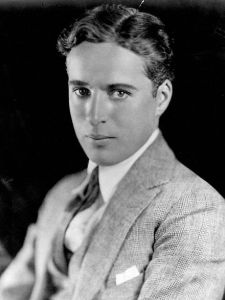
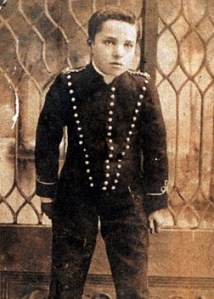
Charlie Chaplin, the iconic figure in the world of silent cinema, made his debut in films on February 2nd. Known for his unique character “The Tramp,” Chaplin captivated audiences with his physical comedy and emotional performances, becoming one of the most influential figures in the early days of cinema.
Born on April 16, 1889, in London, Chaplin’s journey to the silver screen was not an easy one. Growing up in poverty and facing difficult family circumstances, he found solace in performing arts from an early age. After honing his skills as a stage actor, he eventually made his way to the United States, where his talents were soon recognized.
Chaplin’s film debut came with the short comedy film, “Making a Living,” released on February 2, 1914. Directed by Henry Lehrman, the film showcased Chaplin’s versatility as an actor and his ability to engage audiences with his comedic timing and physicality. Although the film failed to earn much attention, it marked the beginning of Chaplin’s long and illustrious career in the film industry.
It was his second film, “Kid Auto Races at Venice,” released just a few days later on February 7th, that truly introduced audiences to the character that would define Chaplin’s career – The Tramp. Dressed in his signature baggy pants, oversized shoes, and bowler hat, The Tramp became an instant sensation. With his slapstick humor and sympathetic nature, The Tramp created a universal language that transcended cultural barriers and resonated with audiences across the globe.
Chaplin’s portrayal of The Tramp allowed him to address societal issues and explore themes of poverty, class struggle, and the human condition. Through his films, Chaplin brought attention to the struggles of the working class and shed light on the harsh realities of the early twentieth century. In a time of rapid industrialization and social change, his films provided both entertainment and social commentary.
Throughout his career, Chaplin wrote, directed, and starred in many critically acclaimed films, including “The Great Dictator,” “Modern Times,” and “City Lights.” His contributions to the art of storytelling in film earned him numerous accolades, including an honorary Academy Award in 1972.
#Hindi
चार्ली चैपलिन, जो मूक सिनेमा की दुनिया के एक प्रतिष्ठित व्यक्ति थे, ने 2 फरवरी को फिल्मों में अपनी शुरुआत की थी। अपने अनोखे किरदार “द ट्रैम्प” के लिए मशहूर, चैपलिन ने अपनी शारीरिक कॉमेडी और भावनात्मक अभिनय से दर्शकों का दिल जीत लिया और सिनेमा की प्रारंभिक दिनों के सबसे प्रभावशाली व्यक्तित्वों में से एक बन गए।
16 अप्रैल, 1889 को लंदन में जन्मे चैपलिन का फिल्मी दुनिया तक का सफर आसान नहीं था। गरीबी में बड़े होते हुए और पारिवारिक कठिनाइयों का सामना करते हुए, उन्होंने छोटी उम्र से ही कला में अपनी शांति पाई। मंच कलाकार के रूप में अपने कौशल को निखारने के बाद, अंततः वे अमेरिका पहुंचे, जहां उनके टैलेंट को जल्द ही पहचान मिल गई।
चैपलिन की फिल्म डेब्यू “मेकिंग ए लिविंग” के साथ 2 फरवरी, 1914 को हुई। हेनरी लहरमन द्वारा निर्देशित इस छोटी कॉमेडी फिल्म ने चैपलिन की अभिनेता के रूप में बहुमुखी प्रतिभा और उनकी कॉमेडी टाइमिंग व शारीरिकता के साथ दर्शकों को प्रभावित करने की क्षमता को दिखाया। हालांकि, इस फिल्म को ज्यादा ध्यान नहीं मिला, लेकिन यह चैपलिन के लंबे और सफल फिल्मी करियर की शुरुआत थी।
उनकी दूसरी फिल्म, “किड ऑटो रेसिस एट वेनिस,” जो कुछ दिन बाद 7 फरवरी को रिलीज हुई, ने सच में दर्शकों को उस किरदार से परिचित कराया जो चैपलिन के करियर को परिभाषित करेगा – द ट्रैम्प। अपने विशिष्ट ढीले पैंट, बड़े जूते, और बोउलर हैट में, द ट्रैम्प तुरंत एक सनसनी बन गया। अपनी स्लैपस्टिक हास्य और संवेदनशीलता के साथ, द ट्रैम्प ने एक विश्वव्यापी भाषा बनाई जो सांस्कृतिक बाधाओं को पार कर गई और दुनिया भर के दर्शकों के दिलों को छू गई।
चैपलिन के द ट्रैम्प के चित्रण ने उन्हें सामाजिक मुद्दों को संबोधित करने और गरीबी, वर्ग संघर्ष और मानव स्थिति जैसे विषयों का अन्वेषण करने की अनुमति दी। अपनी फिल्मों के माध्यम से, चैपलिन ने श्रमिक वर्ग के संघर्षों पर ध्यान आकर्षित किया और बीसवीं सदी की शुरुआत की कठोर वास्तविकताओं पर रोशनी डाली। तेजी से औद्योगीकरण और सामाजिक परिवर्तन के समय में, उनकी फिल्मों ने मनोरंजन के साथ-साथ सामाजिक टिप्पणी भी प्रदान की।
अपने करियर के दौरान, चैपलिन ने कई आलोचनात्मक प्रशंसा प्राप्त फिल्मों को लिखा, निर्देशित और अभिनय किया, जिनमें “द ग्रेट डिक्टेटर,” “मॉडर्न टाइम्स,” और “सिटी लाइट्स” शामिल हैं। फिल्म में कहानी कहने की कला में उनके योगदान ने उन्हें कई सम्मानों से नवाजा, जिसमें 1972 में एक मानद अकादमी पुरस्कार भी शामिल है।


The global phenomenon ‘Charlie Chaplin’ first film was “Making a Living”
(Dur: 13 mins)
Must watch the first film of the fintest actor, filmmaker, composer and comedian of silent era.
https://www.youtube.com/watch?v=ZxdYTsiDTj0
Video Description : Chaplin's character attempts to convince a passerby (director Henry Lehrman) to give him money. Chaplin is then shown flirting with a woman; Lehrman enters to present the woman with flowers and sees Chaplin. A slapstick fight between the two ensues. Later, Lehrman's character takes a photograph of an automobile accident; Chaplin's character steals the camera whilst the journalist is helping a trapped motorist and rushes back to the paper with it to claim the photograph as his own. A short pursuit with the Keystone Kops follows.Unseen ‘Charlie Chaplin’


Charlie Chaplin, the iconic figure in the world of silent cinema, made his debut in films on February 2nd. Known for his unique character “The Tramp,” Chaplin captivated audiences with his physical comedy and emotional performances, becoming one of the most influential figures in the early days of cinema.
Born on April 16, 1889, in London, Chaplin’s journey to the silver screen was not an easy one. Growing up in poverty and facing difficult family circumstances, he found solace in performing arts from an early age. After honing his skills as a stage actor, he eventually made his way to the United States, where his talents were soon recognized.
Chaplin’s film debut came with the short comedy film, “Making a Living,” released on February 2, 1914. Directed by Henry Lehrman, the film showcased Chaplin’s versatility as an actor and his ability to engage audiences with his comedic timing and physicality. Although the film failed to earn much attention, it marked the beginning of Chaplin’s long and illustrious career in the film industry.
It was his second film, “Kid Auto Races at Venice,” released just a few days later on February 7th, that truly introduced audiences to the character that would define Chaplin’s career – The Tramp. Dressed in his signature baggy pants, oversized shoes, and bowler hat, The Tramp became an instant sensation. With his slapstick humor and sympathetic nature, The Tramp created a universal language that transcended cultural barriers and resonated with audiences across the globe.
Chaplin’s portrayal of The Tramp allowed him to address societal issues and explore themes of poverty, class struggle, and the human condition. Through his films, Chaplin brought attention to the struggles of the working class and shed light on the harsh realities of the early twentieth century. In a time of rapid industrialization and social change, his films provided both entertainment and social commentary.
Throughout his career, Chaplin wrote, directed, and starred in many critically acclaimed films, including “The Great Dictator,” “Modern Times,” and “City Lights.” His contributions to the art of storytelling in film earned him numerous accolades, including an honorary Academy Award in 1972.
#Hindi
चार्ली चैपलिन, जो मूक सिनेमा की दुनिया के एक प्रतिष्ठित व्यक्ति थे, ने 2 फरवरी को फिल्मों में अपनी शुरुआत की थी। अपने अनोखे किरदार “द ट्रैम्प” के लिए मशहूर, चैपलिन ने अपनी शारीरिक कॉमेडी और भावनात्मक अभिनय से दर्शकों का दिल जीत लिया और सिनेमा की प्रारंभिक दिनों के सबसे प्रभावशाली व्यक्तित्वों में से एक बन गए।
16 अप्रैल, 1889 को लंदन में जन्मे चैपलिन का फिल्मी दुनिया तक का सफर आसान नहीं था। गरीबी में बड़े होते हुए और पारिवारिक कठिनाइयों का सामना करते हुए, उन्होंने छोटी उम्र से ही कला में अपनी शांति पाई। मंच कलाकार के रूप में अपने कौशल को निखारने के बाद, अंततः वे अमेरिका पहुंचे, जहां उनके टैलेंट को जल्द ही पहचान मिल गई।
चैपलिन की फिल्म डेब्यू “मेकिंग ए लिविंग” के साथ 2 फरवरी, 1914 को हुई। हेनरी लहरमन द्वारा निर्देशित इस छोटी कॉमेडी फिल्म ने चैपलिन की अभिनेता के रूप में बहुमुखी प्रतिभा और उनकी कॉमेडी टाइमिंग व शारीरिकता के साथ दर्शकों को प्रभावित करने की क्षमता को दिखाया। हालांकि, इस फिल्म को ज्यादा ध्यान नहीं मिला, लेकिन यह चैपलिन के लंबे और सफल फिल्मी करियर की शुरुआत थी।
उनकी दूसरी फिल्म, “किड ऑटो रेसिस एट वेनिस,” जो कुछ दिन बाद 7 फरवरी को रिलीज हुई, ने सच में दर्शकों को उस किरदार से परिचित कराया जो चैपलिन के करियर को परिभाषित करेगा – द ट्रैम्प। अपने विशिष्ट ढीले पैंट, बड़े जूते, और बोउलर हैट में, द ट्रैम्प तुरंत एक सनसनी बन गया। अपनी स्लैपस्टिक हास्य और संवेदनशीलता के साथ, द ट्रैम्प ने एक विश्वव्यापी भाषा बनाई जो सांस्कृतिक बाधाओं को पार कर गई और दुनिया भर के दर्शकों के दिलों को छू गई।
चैपलिन के द ट्रैम्प के चित्रण ने उन्हें सामाजिक मुद्दों को संबोधित करने और गरीबी, वर्ग संघर्ष और मानव स्थिति जैसे विषयों का अन्वेषण करने की अनुमति दी। अपनी फिल्मों के माध्यम से, चैपलिन ने श्रमिक वर्ग के संघर्षों पर ध्यान आकर्षित किया और बीसवीं सदी की शुरुआत की कठोर वास्तविकताओं पर रोशनी डाली। तेजी से औद्योगीकरण और सामाजिक परिवर्तन के समय में, उनकी फिल्मों ने मनोरंजन के साथ-साथ सामाजिक टिप्पणी भी प्रदान की।
अपने करियर के दौरान, चैपलिन ने कई आलोचनात्मक प्रशंसा प्राप्त फिल्मों को लिखा, निर्देशित और अभिनय किया, जिनमें “द ग्रेट डिक्टेटर,” “मॉडर्न टाइम्स,” और “सिटी लाइट्स” शामिल हैं। फिल्म में कहानी कहने की कला में उनके योगदान ने उन्हें कई सम्मानों से नवाजा, जिसमें 1972 में एक मानद अकादमी पुरस्कार भी शामिल है।
Share this: