The man who created the ‘Common man’ or the ‘Aam Aadmi’ died today in 2015. On the death anniversary of the famous Cartoonist R K Laxman, let’s remember his ‘Aam Aadmi’.

I drew objects that caught my eye outside the window of my room – the dry twigs, leaves and lizard-like creatures crawling about, the servant chopping firewood and, of course, and number of crows in various postures on the rooftops of the buildings opposite.
— R. K. Laxman
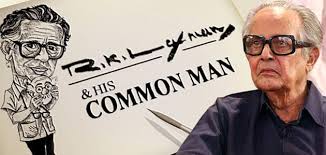
Rasipuram Krishnaswami Iyer Laxman and his common man
Rasipuram Krishnaswami Iyer Laxman, more commonly known as R.K. Laxman, was a prominent Indian cartoonist whose work left an indelible mark on Indian society and media. Born on October 24, 1921, in Mysore, India, Laxman harnessed his keen observational skills and sharp wit to create iconic cartoons that resonated with the everyday experiences of millions of Indians. Perhaps his most enduring legacy is the creation of ‘The Common Man,’ a character that became synonymous with his work and came to symbolize the voice of the ordinary Indian citizen.
Laxman’s career as a cartoonist began at a young age, with his illustrations first appearing in school magazines and later in prominent publications like The Hindu and The Times of India. It was at The Times of India that Laxman truly made his mark. His daily cartoon strip, titled ‘You Said It,’ featured ‘The Common Man’ and ran for over five decades, becoming one of the most recognizable and beloved features in Indian journalism.
‘The Common Man,’ or the ‘Aam Aadmi,’ is depicted as a bespectacled, balding, and dhoti-clad middle-aged man. He is an everyman character who silently observes the political and social landscape of India, often acting as a witness to the absurdities and ironies inherent in the nation’s political and bureaucratic systems. Through this character, Laxman provided a lens through which the public could critique and understand the complex dynamics of Indian society. The cartoons were characterized by subtle humor and poignant commentary, often highlighting the struggles, resilience, and undying spirit of the average Indian.
R.K. Laxman’s work was not restricted to addressing political issues; he was an astute observer of social changes and cultural shifts, making his cartoons relevant across generations. His genius lay in his ability to distill complex issues into simple, relatable imagery that captured the essence of the Indian experience during a time of rapid change and development.
Laxman’s contribution to Indian media and culture was widely recognized during his lifetime. He received numerous accolades, including the Padma Bhushan in 1973 and the Padma Vibhushan in 2005, two of India’s highest civilian honors. Despite his accolades and fame, Laxman remained humble, often attributing his success to his deep love for observing people and society.
R.K. Laxman passed away on January 26, 2015, leaving behind a legacy that continues to inspire cartoonists and social commentators in India and beyond. On the anniversary of his death, it is fitting to remember his creation, ‘The Common Man,’ who remains a timeless symbol of the hopes, frustrations, and aspirations of the Indian populace.
In celebrating Laxman’s life and work, we are reminded of the power of art and humor in challenging authority, provoking thought, and fostering empathy. His cartoons continue to be a mirror reflecting the soul of India, a testament to the enduring relevance of his vision and artistry.
#Hindi
आर.के. लक्ष्मण, पूरा नाम रसिपुरम कृष्णस्वामी अय्यर लक्ष्मण, भारत के एक मशहूर कार्टूनिस्ट थे, जिनके काम ने भारतीय समाज और मीडिया पर गहरा असर छोड़ा। उनका जन्म 24 अक्टूबर 1921 को मैसूर, भारत में हुआ था। लक्ष्मण ने अपनी तीव्र निरीक्षण क्षमता और तीव्र बुद्धि का उपयोग करके ऐसे कार्टून बनाए जो लाखों भारतीयों की रोजमर्रा की जिंदगी से जुड़ते थे। उनकी सबसे मशहूर रचना ‘द कॉमन मैन’ या ‘आम आदमी’ है, जो उनके काम का प्रतीक बन गया और साधारण भारतीय नागरिक की आवाज बन गया।
लक्ष्मण ने अपनी कार्टूनिस्ट की यात्रा छोटी उम्र से ही शुरू की, जब उनके चित्र स्कूल की पत्रिकाओं में प्रकाशित होने लगे और बाद में प्रसिद्ध पत्रिकाओं जैसे ‘द हिंदू’ और ‘टाइम्स ऑफ इंडिया’ में भी छपे। ‘टाइम्स ऑफ इंडिया’ में उन्होंने खास पहचान बनाई। उनका दैनिक कार्टून स्ट्रिप ‘यू सेड इट’ जिसमें ‘द कॉमन मैन’ होता था, पचास सालों से ज्यादा चला और भारतीय पत्रकारिता की जानी-मानी विशेषता बन गया।
‘द कॉमन मैन’ एक चश्मा लगाए, गंजे, धोती पहने मध्यम आयु के व्यक्ति के रूप में दिखाया गया है। वह भारतीय राजनीति और सामाजिक परिदृश्य को शांतिपूर्वक देखते हैं, और देश की राजनीतिक और प्रशासनिक प्रणाली में अंतर्निहित विसंगतियों का गवाह बनते हैं। इस चरित्र के माध्यम से, लक्ष्मण ने जनता को भारतीय समाज की जटिलताओं को समझने और उन पर विचार करने का एक तरीका दिया। उनके कार्टून में सूक्ष्म हास्य और प्रभावी टिप्पणी होती थी, जो आम भारतीय की कठिनाइयों, सहनशक्ति और अदम्य भावना को उजागर करती थी।
आर.के. लक्ष्मण के कार्टून सिर्फ राजनीतिक मुद्दों तक सीमित नहीं थे; वे सामाजिक परिवर्तन और सांस्कृतिक बदलावों के भी मर्मज्ञ पर्यवेक्षक थे, जिससे उनके कार्टून पीढ़ियों तक प्रासंगिक बने रहे। उनकी कलाकारी की खूबी यह थी कि वे जटिल विषयों को सरल, संबंधित चित्रों में बदल देते थे, जो भारत के अनुभव का सार पकड़ते थे।
आर.के. लक्ष्मण की उपलब्धियों को उनके जीवनकाल में खूब सराहा गया। उन्हें 1973 में पद्म भूषण और 2005 में पद्म विभूषण से सम्मानित किया गया, जो भारत के सर्वोच्च नागरिक सम्मान हैं। अपनी प्रसिद्धि के बावजूद, लक्ष्मण विनम्र रहे और अपनी सफलता का श्रेय लोगों और समाज को गहराई से समझने की अपनी रुचि को दिया।
आर.के. लक्ष्मण का निधन 26 जनवरी 2015 को हुआ, लेकिन उनकी विरासत आज भी कार्टूनिस्टों और सामाजिक टिप्पणीकारों को प्रेरित करती है। उनकी मृत्यु की वर्षगांठ पर, ‘द कॉमन मैन’ को याद करना सही होगा, जो भारतीय जनता की आशाओं, निराशाओं और आकांक्षाओं का शाश्वत प्रतीक है।
लक्ष्मण के जीवन और काम का जश्न मनाते हुए, हम यह भी याद करते हैं कि कला और हास्य में सत्ता को चुनौती देने, विचारों को उकसाने और सहानुभूति बढ़ाने की शक्ति होती है। उनके कार्टून आज भी भारत की आत्मा का आईना हैं, और उनकी दृष्टि और कलाकारिता की स्थायी प्रासंगिकता का प्रमाण हैं।



The man who created the ‘Common man’ or the ‘Aam Aadmi’ died today in 2015. On the death anniversary of the famous Cartoonist R K Laxman, let’s remember his ‘Aam Aadmi’.
Rasipuram Krishnaswami Iyer Laxman and his common man
Rasipuram Krishnaswami Iyer Laxman, more commonly known as R.K. Laxman, was a prominent Indian cartoonist whose work left an indelible mark on Indian society and media. Born on October 24, 1921, in Mysore, India, Laxman harnessed his keen observational skills and sharp wit to create iconic cartoons that resonated with the everyday experiences of millions of Indians. Perhaps his most enduring legacy is the creation of ‘The Common Man,’ a character that became synonymous with his work and came to symbolize the voice of the ordinary Indian citizen.
Laxman’s career as a cartoonist began at a young age, with his illustrations first appearing in school magazines and later in prominent publications like The Hindu and The Times of India. It was at The Times of India that Laxman truly made his mark. His daily cartoon strip, titled ‘You Said It,’ featured ‘The Common Man’ and ran for over five decades, becoming one of the most recognizable and beloved features in Indian journalism.
‘The Common Man,’ or the ‘Aam Aadmi,’ is depicted as a bespectacled, balding, and dhoti-clad middle-aged man. He is an everyman character who silently observes the political and social landscape of India, often acting as a witness to the absurdities and ironies inherent in the nation’s political and bureaucratic systems. Through this character, Laxman provided a lens through which the public could critique and understand the complex dynamics of Indian society. The cartoons were characterized by subtle humor and poignant commentary, often highlighting the struggles, resilience, and undying spirit of the average Indian.
R.K. Laxman’s work was not restricted to addressing political issues; he was an astute observer of social changes and cultural shifts, making his cartoons relevant across generations. His genius lay in his ability to distill complex issues into simple, relatable imagery that captured the essence of the Indian experience during a time of rapid change and development.
Laxman’s contribution to Indian media and culture was widely recognized during his lifetime. He received numerous accolades, including the Padma Bhushan in 1973 and the Padma Vibhushan in 2005, two of India’s highest civilian honors. Despite his accolades and fame, Laxman remained humble, often attributing his success to his deep love for observing people and society.
R.K. Laxman passed away on January 26, 2015, leaving behind a legacy that continues to inspire cartoonists and social commentators in India and beyond. On the anniversary of his death, it is fitting to remember his creation, ‘The Common Man,’ who remains a timeless symbol of the hopes, frustrations, and aspirations of the Indian populace.
In celebrating Laxman’s life and work, we are reminded of the power of art and humor in challenging authority, provoking thought, and fostering empathy. His cartoons continue to be a mirror reflecting the soul of India, a testament to the enduring relevance of his vision and artistry.
#Hindi
आर.के. लक्ष्मण, पूरा नाम रसिपुरम कृष्णस्वामी अय्यर लक्ष्मण, भारत के एक मशहूर कार्टूनिस्ट थे, जिनके काम ने भारतीय समाज और मीडिया पर गहरा असर छोड़ा। उनका जन्म 24 अक्टूबर 1921 को मैसूर, भारत में हुआ था। लक्ष्मण ने अपनी तीव्र निरीक्षण क्षमता और तीव्र बुद्धि का उपयोग करके ऐसे कार्टून बनाए जो लाखों भारतीयों की रोजमर्रा की जिंदगी से जुड़ते थे। उनकी सबसे मशहूर रचना ‘द कॉमन मैन’ या ‘आम आदमी’ है, जो उनके काम का प्रतीक बन गया और साधारण भारतीय नागरिक की आवाज बन गया।
लक्ष्मण ने अपनी कार्टूनिस्ट की यात्रा छोटी उम्र से ही शुरू की, जब उनके चित्र स्कूल की पत्रिकाओं में प्रकाशित होने लगे और बाद में प्रसिद्ध पत्रिकाओं जैसे ‘द हिंदू’ और ‘टाइम्स ऑफ इंडिया’ में भी छपे। ‘टाइम्स ऑफ इंडिया’ में उन्होंने खास पहचान बनाई। उनका दैनिक कार्टून स्ट्रिप ‘यू सेड इट’ जिसमें ‘द कॉमन मैन’ होता था, पचास सालों से ज्यादा चला और भारतीय पत्रकारिता की जानी-मानी विशेषता बन गया।
‘द कॉमन मैन’ एक चश्मा लगाए, गंजे, धोती पहने मध्यम आयु के व्यक्ति के रूप में दिखाया गया है। वह भारतीय राजनीति और सामाजिक परिदृश्य को शांतिपूर्वक देखते हैं, और देश की राजनीतिक और प्रशासनिक प्रणाली में अंतर्निहित विसंगतियों का गवाह बनते हैं। इस चरित्र के माध्यम से, लक्ष्मण ने जनता को भारतीय समाज की जटिलताओं को समझने और उन पर विचार करने का एक तरीका दिया। उनके कार्टून में सूक्ष्म हास्य और प्रभावी टिप्पणी होती थी, जो आम भारतीय की कठिनाइयों, सहनशक्ति और अदम्य भावना को उजागर करती थी।
आर.के. लक्ष्मण के कार्टून सिर्फ राजनीतिक मुद्दों तक सीमित नहीं थे; वे सामाजिक परिवर्तन और सांस्कृतिक बदलावों के भी मर्मज्ञ पर्यवेक्षक थे, जिससे उनके कार्टून पीढ़ियों तक प्रासंगिक बने रहे। उनकी कलाकारी की खूबी यह थी कि वे जटिल विषयों को सरल, संबंधित चित्रों में बदल देते थे, जो भारत के अनुभव का सार पकड़ते थे।
आर.के. लक्ष्मण की उपलब्धियों को उनके जीवनकाल में खूब सराहा गया। उन्हें 1973 में पद्म भूषण और 2005 में पद्म विभूषण से सम्मानित किया गया, जो भारत के सर्वोच्च नागरिक सम्मान हैं। अपनी प्रसिद्धि के बावजूद, लक्ष्मण विनम्र रहे और अपनी सफलता का श्रेय लोगों और समाज को गहराई से समझने की अपनी रुचि को दिया।
आर.के. लक्ष्मण का निधन 26 जनवरी 2015 को हुआ, लेकिन उनकी विरासत आज भी कार्टूनिस्टों और सामाजिक टिप्पणीकारों को प्रेरित करती है। उनकी मृत्यु की वर्षगांठ पर, ‘द कॉमन मैन’ को याद करना सही होगा, जो भारतीय जनता की आशाओं, निराशाओं और आकांक्षाओं का शाश्वत प्रतीक है।
लक्ष्मण के जीवन और काम का जश्न मनाते हुए, हम यह भी याद करते हैं कि कला और हास्य में सत्ता को चुनौती देने, विचारों को उकसाने और सहानुभूति बढ़ाने की शक्ति होती है। उनके कार्टून आज भी भारत की आत्मा का आईना हैं, और उनकी दृष्टि और कलाकारिता की स्थायी प्रासंगिकता का प्रमाण हैं।
Share this: