On January 19, 1983, Apple unveiled its first personal computer to the world – the Lisa. This groundbreaking machine was the first of its kind to feature a graphical user interface (GUI) and a mouse, revolutionizing the way people interacted with computers.
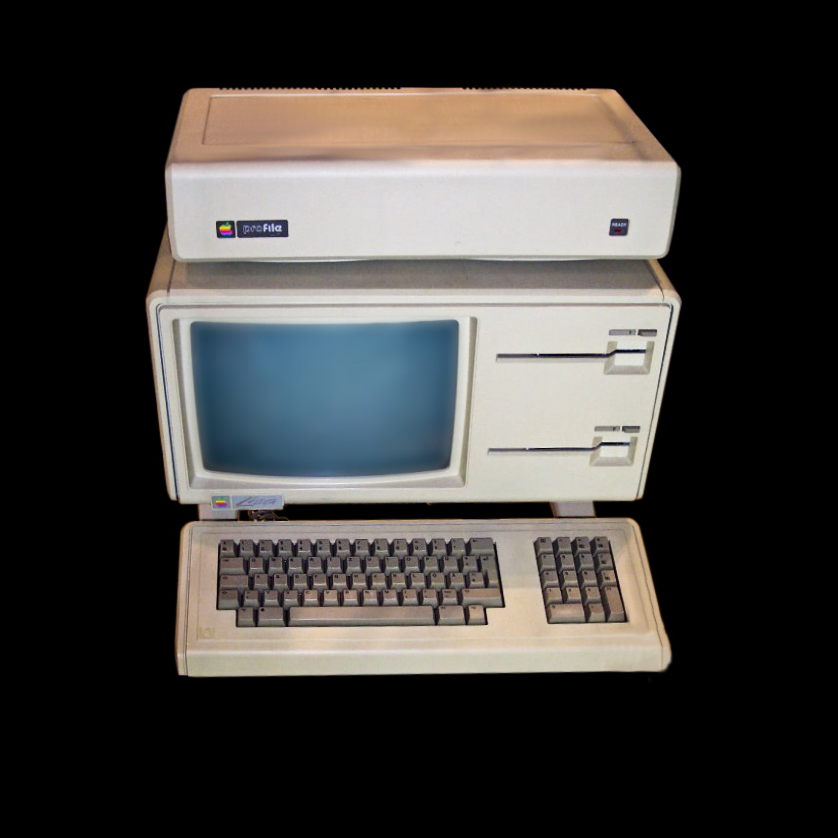
What makes the Lisa even more astonishing is that it was actually more advanced than Apple’s current favorite, the Macintosh. It incorporated several features that were ahead of its time, including protected memory, cooperative multitasking, a sophisticated hard disk-based operating system, a built-in screensaver, an advanced calculator with a paper tape and Reverse Polish Notation (RPN), support for up to 2 megabytes of RAM, expansion slots, a numeric keypad, data corruption protection schemes, non-physical file names, and a larger higher-resolution display. Many of these features would not be implemented on the Macintosh platform for several years.
The Lisa project was initially under the guidance of late Apple founder and CEO Steve Jobs. However, he was eventually removed from the project due to conflicts with the team and his own ambitious ideas. Jobs later joined the Macintosh project, which became a huge success and is widely regarded as one of the most influential personal computers in history.
The Lisa, although it had its share of technical and marketing challenges, was a significant milestone in the evolution of personal computers. It showcased the potential of GUI and mouse-based interfaces in making computers more user-friendly and accessible to a wider audience. While it may not have achieved the same level of popularity as the Macintosh, the Lisa’s legacy can still be seen in the modern computing devices we use today.
Looking at how computers have evolved over the years, it is clear that not only their appearance but also their capabilities have drastically changed. The Lisa was a true testament to the innovative spirit of Apple and its determination to push the boundaries of what was possible in the world of computing. As we continue to witness advancements in technology, it is exciting to think about what the future holds for computers and the impact they will have on our lives.
#Hindi
19 जनवरी, 1983 को एप्पल ने अपनी पहली व्यक्तिगत कंप्यूटर ‘लीसा’ को दुनिया के सामने पेश किया। यह अनोखी मशीन ग्राफिकल यूजर इंटरफेस (GUI) और माउस देने वाला पहला कंप्यूटर था, जिसने लोगों के कंप्यूटर से बातचीत करने के तरीके को बदल दिया।
लीसा की खास बात यह थी कि यह एप्पल के मौजूदा पसंदीदा कंप्यूटर मैकिन्टोश से भी अधिक उन्नत था। इसमें कई अत्याधुनिक सुविधाएँ थीं, जैसे प्रोटेक्टेड मेमोरी, कोऑपरेटिव मल्टीटास्किंग, एक उन्नत हार्ड डिस्क आधारित ऑपरेटिंग सिस्टम, बिल्ट-इन स्क्रीनसेवर, एक उन्नत कैलकुलेटर पेपर टेप और रिवर्स पोलिश नोटेशन (RPN) के साथ, 2 मेगाबाइट RAM तक का समर्थन, विस्तार स्लॉट्स, एक न्यूमेरिक कीपैड, डेटा करप्शन से सुरक्षा, नॉन-फिजिकल फाइल नाम, और एक बड़ा उच्च-रिजॉल्यूशन डिस्प्ले। ये कई विशेषताएँ मैकिन्टोश में आने में कई साल लग गए।
लीसा प्रोजेक्ट की शुरुआत एप्पल के संस्थापक और सीईओ स्टीव जॉब्स के मार्गदर्शन में हुई थी, लेकिन टीम के साथ मतभेदों और उनकी अपनी महत्वाकांक्षी योजनाओं के कारण उन्हें इस प्रोजेक्ट से हटा दिया गया। बाद में, जॉब्स ने मैकिन्टोश प्रोजेक्ट से जुड़कर उसे बड़ी सफलता दिलाई, जो इतिहास के सबसे प्रभावशाली व्यक्तिगत कंप्यूटरों में गिना जाता है।
हालांकि लीसा को तकनीकी और मार्केटिंग चुनौतियों का सामना करना पड़ा, फिर भी यह व्यक्तिगत कंप्यूटरों के विकास में एक महत्वपूर्ण मील का पत्थर था। इसने कंप्यूटर को ज्यादा उपयोगकर्ता अनुकूल और सुलभ बनाने में GUI और माउस आधारित इंटरफेस की क्षमता दिखाई। भले ही लीसा मैकिन्टोश जितनी लोकप्रियता नहीं हासिल कर सका, लेकिन इसकी विरासत आज के आधुनिक कंप्यूटर उपकरणों में देखी जा सकती है।
जैसे-जैसे कंप्यूटर वर्षों में विकसित हुए हैं, यह साफ है कि न केवल उनका स्वरूप बल्कि उनकी क्षमताएं भी काफी बदल गई हैं। लीसा एप्पल की नवाचारी भावना का सच्चा उदाहरण था और यह दिखाता है कि कंप्यूटिंग की दुनिया में क्या-क्या संभव हो सकता है। हम जब तकनीक में उन्नति देखते रहते हैं, तो यह सोचकर रोमांच होता है कि भविष्य में कंप्यूटर कैसे होंगे और वे हमारे जीवन पर कैसे प्रभाव डालेंगे।

 NehaScope
On January 19, 1983, Apple unveiled its first personal computer to the world – the Lisa. This groundbreaking machine was the first of its kind to feature a graphical user interface (GUI) and a mouse, revolutionizing the way people interacted with computers.
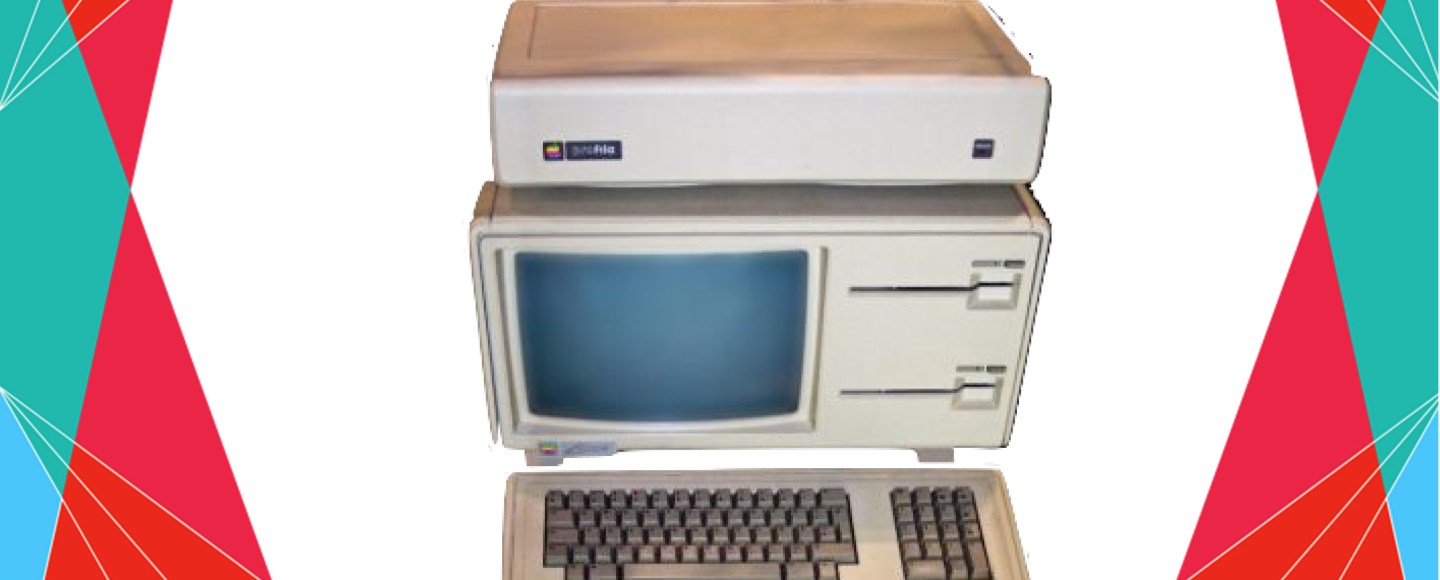
What makes the Lisa even more astonishing is that it was actually more advanced than Apple’s current favorite, the Macintosh. It incorporated several features that were ahead of its time, including protected memory, cooperative multitasking, a sophisticated hard disk-based operating system, a built-in screensaver, an advanced calculator with a paper tape and Reverse Polish Notation (RPN), support for up to 2 megabytes of RAM, expansion slots, a numeric keypad, data corruption protection schemes, non-physical file names, and a larger higher-resolution display. Many of these features would not be implemented on the Macintosh platform for several years.
The Lisa project was initially under the guidance of late Apple founder and CEO Steve Jobs. However, he was eventually removed from the project due to conflicts with the team and his own ambitious ideas. Jobs later joined the Macintosh project, which became a huge success and is widely regarded as one of the most influential personal computers in history.
The Lisa, although it had its share of technical and marketing challenges, was a significant milestone in the evolution of personal computers. It showcased the potential of GUI and mouse-based interfaces in making computers more user-friendly and accessible to a wider audience. While it may not have achieved the same level of popularity as the Macintosh, the Lisa’s legacy can still be seen in the modern computing devices we use today.
Looking at how computers have evolved over the years, it is clear that not only their appearance but also their capabilities have drastically changed. The Lisa was a true testament to the innovative spirit of Apple and its determination to push the boundaries of what was possible in the world of computing. As we continue to witness advancements in technology, it is exciting to think about what the future holds for computers and the impact they will have on our lives.
#Hindi
19 जनवरी, 1983 को एप्पल ने अपनी पहली व्यक्तिगत कंप्यूटर ‘लीसा’ को दुनिया के सामने पेश किया। यह अनोखी मशीन ग्राफिकल यूजर इंटरफेस (GUI) और माउस देने वाला पहला कंप्यूटर था, जिसने लोगों के कंप्यूटर से बातचीत करने के तरीके को बदल दिया।
लीसा की खास बात यह थी कि यह एप्पल के मौजूदा पसंदीदा कंप्यूटर मैकिन्टोश से भी अधिक उन्नत था। इसमें कई अत्याधुनिक सुविधाएँ थीं, जैसे प्रोटेक्टेड मेमोरी, कोऑपरेटिव मल्टीटास्किंग, एक उन्नत हार्ड डिस्क आधारित ऑपरेटिंग सिस्टम, बिल्ट-इन स्क्रीनसेवर, एक उन्नत कैलकुलेटर पेपर टेप और रिवर्स पोलिश नोटेशन (RPN) के साथ, 2 मेगाबाइट RAM तक का समर्थन, विस्तार स्लॉट्स, एक न्यूमेरिक कीपैड, डेटा करप्शन से सुरक्षा, नॉन-फिजिकल फाइल नाम, और एक बड़ा उच्च-रिजॉल्यूशन डिस्प्ले। ये कई विशेषताएँ मैकिन्टोश में आने में कई साल लग गए।
लीसा प्रोजेक्ट की शुरुआत एप्पल के संस्थापक और सीईओ स्टीव जॉब्स के मार्गदर्शन में हुई थी, लेकिन टीम के साथ मतभेदों और उनकी अपनी महत्वाकांक्षी योजनाओं के कारण उन्हें इस प्रोजेक्ट से हटा दिया गया। बाद में, जॉब्स ने मैकिन्टोश प्रोजेक्ट से जुड़कर उसे बड़ी सफलता दिलाई, जो इतिहास के सबसे प्रभावशाली व्यक्तिगत कंप्यूटरों में गिना जाता है।
हालांकि लीसा को तकनीकी और मार्केटिंग चुनौतियों का सामना करना पड़ा, फिर भी यह व्यक्तिगत कंप्यूटरों के विकास में एक महत्वपूर्ण मील का पत्थर था। इसने कंप्यूटर को ज्यादा उपयोगकर्ता अनुकूल और सुलभ बनाने में GUI और माउस आधारित इंटरफेस की क्षमता दिखाई। भले ही लीसा मैकिन्टोश जितनी लोकप्रियता नहीं हासिल कर सका, लेकिन इसकी विरासत आज के आधुनिक कंप्यूटर उपकरणों में देखी जा सकती है।
जैसे-जैसे कंप्यूटर वर्षों में विकसित हुए हैं, यह साफ है कि न केवल उनका स्वरूप बल्कि उनकी क्षमताएं भी काफी बदल गई हैं। लीसा एप्पल की नवाचारी भावना का सच्चा उदाहरण था और यह दिखाता है कि कंप्यूटिंग की दुनिया में क्या-क्या संभव हो सकता है। हम जब तकनीक में उन्नति देखते रहते हैं, तो यह सोचकर रोमांच होता है कि भविष्य में कंप्यूटर कैसे होंगे और वे हमारे जीवन पर कैसे प्रभाव डालेंगे।
Share this: