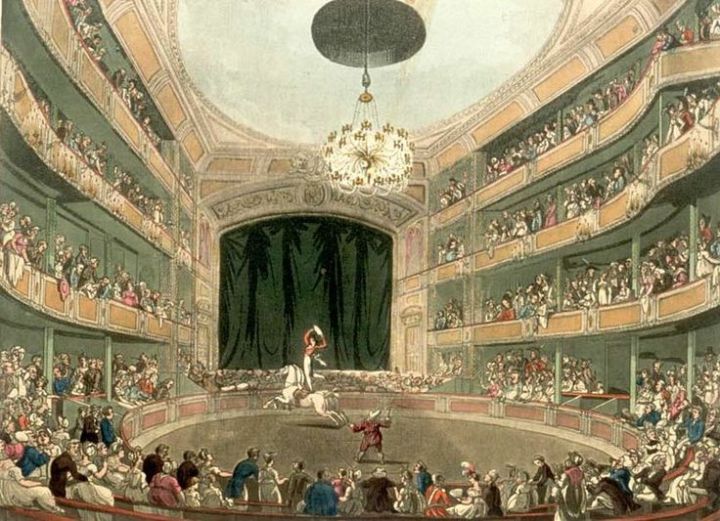
Going almost extinct today, the concept of Modern Circus actually came in 1768. First Modern Circus was staged today then. English cavalryman Philip Ashley was the owner and creator of this concept and thus credited as Father of the Modern Circus. First performance was a horsemanship followed by clowns, acrobats, animals, trapeze acts, musician etc. Earliest modern circus were performed in open air. Later it was changed to ‘big tops’ circus where there was a central ring with seating all around inside a tent. It was only in the 19th century that touring circuses superseded static ones. Ancient circus had exhibition of horses, chariot races, staged battles and fight of trained animals.
The concept of the modern circus, which is now on the verge of extinction, actually originated in 1768. It was on this day that the first modern circus was staged, thanks to Philip Ashley, an English cavalryman who is credited as the Father of the Modern Circus.

The first performance of the modern circus consisted of a variety of acts, including horsemanship, clowns, acrobats, animals, trapeze acts, and musicians. These early circus performances were held in open-air spaces, captivating audiences with their thrilling and awe-inspiring acts.
However, as the popularity of the modern circus grew, changes were made to its structure. The traditional open-air format was eventually replaced by the iconic “big tops” circus, where a central ring was surrounded by seating within a large tent. This setup allowed for a more controlled environment and enhanced the audience’s viewing experience.
The 19th century marked a significant shift in the circus industry, as touring circuses became more prevalent. These traveling shows brought the wonder and excitement of the circus to various towns and cities, captivating audiences across the world.
It is worth noting that the concept of circus itself is not a new phenomenon. Ancient circuses, dating back centuries, consisted of exhibitions of horses, chariot races, staged battles, and fights between trained animals. These ancient spectacles were often held for the entertainment of royalty and the elite.
However, with the rise of technology and changing entertainment preferences, the modern circus has seen a decline in popularity in recent years. Many factors have contributed to this, including the rise of digital entertainment and the changing tastes of audiences.
Additionally, animal rights concerns have also affected the circus industry. The use of animals in circus performances has come under scrutiny and has led to protests and calls for an end to their involvement. This has prompted many circuses to transition to animal-free acts or to close down altogether.
Despite these challenges, it is important to remember the rich history and legacy of the modern circus. It has provided generations of people with an escape from reality and a sense of wonder. The circus has showcased incredible human feats and talented performers, leaving audiences in awe and amazement.
While it may be struggling to survive in today’s world, the modern circus will always hold a special place in our hearts as a captivating form of entertainment. Let us not forget the passion, dedication, and creativity of those who have made the circus what it is today.
So, as we bid farewell to the modern circus, let us cherish the memories and celebrate the impact it has had on our culture. The modern circus may be fading away, but its spirit lives on in the hearts of those who have experienced its magic.
The legacy of the modern circus can be seen in the countless artists, performers, and entertainers who have been inspired by its grandeur. Many circus skills, such as acrobatics, aerial arts, and clowning, have found their way into other performing arts disciplines, enriching the world of entertainment.
Furthermore, the modern circus has played a significant role in shaping our understanding of human potential. Through their awe-inspiring acts, circus performers have shown us what is possible with dedication, discipline, and practice. They have defied gravity, pushed the boundaries of physicality, and challenged our perceptions of what the human body can achieve.
The modern circus has also been a source of joy and wonder for audiences of all ages. Families have gathered under the big top, eagerly anticipating the thrill and excitement that awaited them. The circus has provided a momentary escape from the mundane, transporting spectators into a world of imagination and possibility.
As we reflect on the decline of the modern circus, let us also consider the opportunities it presents for innovation and reinvention. Perhaps the circus of the future will embrace technology, incorporating virtual reality and immersive experiences to captivate audiences in new ways. It may evolve into a hybrid form of entertainment, blending traditional circus skills with contemporary art forms.
Ultimately, the fate of the modern circus rests in the hands of the next generation. It is up to them to carry the torch and preserve its rich heritage. Whether they choose to become performers, directors, or simply enthusiastic spectators, their support and passion will ensure that the legacy of the circus lives on.
So, let us honor the modern circus for its contribution to our cultural tapestry. Let us remember the laughter, the gasps of amazement, and the sense of belonging it brought to countless individuals. Though it may fade into obscurity, the modern circus will forever remain a symbol of human creativity, resilience, and the power of imagination.
#Hindi
आज लगभग विलुप्त होने की कगार पर पहुंच चुका आधुनिक सर्कस का कॉन्सेप्ट वास्तव में 1768 में आया था। इसी दिन पहला आधुनिक सर्कस मंचित किया गया था। अंग्रेज़ घुड़सवार फिलिप एशले इस कॉन्सेप्ट के मालिक और निर्माता थे और इसलिए उन्हें आधुनिक सर्कस का जनक माना जाता है।
पहले प्रदर्शन में घुड़सवारी के साथ-साथ जोकर, कलाबाज, जानवर, ट्रेपेज़ ऐक्ट्स, संगीतकार आदि शामिल थे। शुरुआती आधुनिक सर्कस खुले स्थानों में प्रदर्शन किया जाता था, जो अपने रोमांचक और मनमोहक कृत्यों से दर्शकों को मोहित कर देता था।
हालांकि, जैसे-जैसे आधुनिक सर्कस की लोकप्रियता बढ़ी, उसके ढांचे में परिवर्तन किए गए। पारंपरिक खुले-आकाश के प्रारूप को ‘बिग टॉप्स’ सर्कस ने अपनी जगह दी, जहां एक बड़े तंबू के अंदर एक केंद्रीय रिंग के चारों ओर बैठने की व्यवस्था की गई। इस सेटअप ने नियंत्रित वातावरण और दर्शकों के देखने के अनुभव को बेहतर बनाया।
19वीं सदी ने सर्कस उद्योग में एक महत्वपूर्ण बदलाव को चिह्नित किया, क्योंकि भ्रमणशील सर्कस स्थिर सर्कसों से अधिक लोकप्रिय हो गए। ये यात्रा करने वाले शो विभिन्न कस्बों और शहरों में सर्कस के चमत्कार और उत्साह को लेकर आए, जिससे दुनियाभर के दर्शक मोहित हुए।
यह ध्यान देने योग्य है कि सर्कस की अवधारणा कोई नई नहीं है। प्राचीन सर्कस, जो सदियों पहले के हैं, घोड़ों की प्रदर्शनियों, रथ दौड़, मंचित युद्धों और प्रशिक्षित जानवरों की लड़ाइयों से बने होते थे। ये प्राचीन तमाशे अक्सर राजघरानों और अभिजात वर्ग के मनोरंजन के लिए आयोजित किए जाते थे।
हालांकि, प्रौद्योगिकी के उदय और बदलते मनोरंजन प्राथमिकताओं के साथ, हाल के वर्षों में आधुनिक सर्कस की लोकप्रियता में गिरावट देखी गई है। कई कारकों ने इसमें योगदान दिया है, जिसमें डिजिटल मनोरंजन का उभार और दर्शकों की बदलती पसंद शामिल हैं।
इसके अतिरिक्त, पशु अधिकारों की चिंताओं ने भी सर्कस उद्योग को प्रभावित किया है। सर्कस प्रदर्शनों में पशुओं के उपयोग की जांच की गई है और इसके खिलाफ विरोध और उनकी भागीदारी को समाप्त करने की मांग की गई है। इसने कई सर्कसों को पशु-मुक्त कृत्यों में परिवर्तित करने या पूरी तरह से बंद करने के लिए प्रेरित किया है।
इन चुनौतियों के बावजूद, आधुनिक सर्कस के समृद्ध इतिहास और धरोहर को याद रखना महत्वपूर्ण है। इसने पीढ़ियों से लोगों को वास्तविकता से पलायन और चमत्कार की अनुभूति प्रदान की है। सर्कस ने अविश्वसनीय मानव कारनामों और प्रतिभाशाली कलाकारों को प्रदर्शित किया है, जिससे दर्शक प्रेरित और अचंभित हुए हैं।
हालांकि, यह आज की दुनिया में जीवित रहने के लिए संघर्ष कर रहा है, आधुनिक सर्कस हमेशा हमारे दिलों में एक आकर्षक मनोरंजन के रूप में एक विशेष स्थान बनाए रखेगा। हमें सर्कस को उसकी वर्तमान स्थिति तक पहुंचाने वाले लोगों के जुनून, समर्पण और रचनात्मकता को नहीं भूलना चाहिए।
तो, जब हम आधुनिक सर्कस को अलविदा कह रहे हैं, आइए उसकी स्मृतियों को संजोएं और हमारे संस्कृति पर उसके प्रभाव का जश्न मनाएं। आधुनिक सर्कस भले ही धुंधला हो रहा हो, लेकिन उसका आत्मा उन लोगों के दिलों में जीवित रहेगा जिन्होंने उसके जादू का अनुभव किया है।
आधुनिक सर्कस की धरोहर उन असंख्य कलाकारों, प्रदर्शनकारियों, और मनोरंजनकर्ताओं में देखी जा सकती है जो इसकी भव्यता से प्रेरित हुए हैं। कई सर्कस कौशल, जैसे कलाबाजी, हवाई कला, और जोकर की कला, अन्य प्रदर्शनकारी कला शैलियों में समाहित हो गए हैं, जिससे मनोरंजन की दुनिया समृद्ध हुई है।
Furthermore, आधुनिक सर्कस ने हमारे मानव क्षमता की समझ को आकार देने में महत्वपूर्ण भूमिका निभाई है। उनके अद्भुत कृत्यों के माध्यम से, सर्कस कलाकारों ने हमें दिखाया है कि समर्पण, अनुशासन, और अभ्यास के साथ क्या संभव है। उन्होंने गुरुत्वाकर्षण को चुनौती दी है, शारीरिकता की सीमाओं को पार किया है, और इस विचार को चुनौती दी है कि मानव शरीर क्या प्राप्त कर सकता है।
आधुनिक सर्कस ने सभी उम्र के दर्शकों के लिए खुशी और आश्चर्य का स्रोत भी बना है। परिवार ने बड़े तंबू के नीचे एकत्र होकर उस उत्तेजना और रोमांच की प्रतीक्षा की है जो उनका इंतजार कर रहा था। सर्कस ने आम स्थितियों से क्षणिक पलायन प्रदान की है, दर्शकों को कल्पनाओं की दुनिया में ले जाकर संभावनाओं को खोल दिया।
जैसे हम आधुनिक सर्कस के पतन पर विचार करते हैं, हमें उन अवसरों को भी विचार करना चाहिए जो यह नवाचार और पुनर्निर्माण के लिए प्रस्तुत करता है। शायद भविष्य का सर्कस प्रौद्योगिकी को गले लगाएगा, आभासी वास्तविकता और अद्वितीय अनुभवों को शामिल कर दर्शकों को नए तरीके से आकर्षित करेगा। यह मनोरंजन के एक संकर रूप में विकसित हो सकता है, जो पारंपरिक सर्कस कौशल को समकालीन कला रूपों के साथ मिश्रित करता है।
अंततः, आधुनिक सर्कस का भविष्य अगली पीढ़ी के हाथों में है। यह उनके लिए है कि वे इसे आगे बढ़ाएं और इसकी समृद्ध विरासत को संरक्षित करें। चाहे वे कलाकार बनें, निर्देशक बनें, या सिर्फ उत्साही दर्शक बनें, उनका समर्थन और जुनून यह सुनिश्चित करेगा कि सर्कस की धरोहर जीवित रहे।
तो, आइए आधुनिक सर्कस को हमारी सांस्कृतिक गलीचे में उसके योगदान के लिए सम्मानित करें। आइए उस हंसी, आश्चर्य और उस सामूहिक भावना को याद करें जो इसने अनगिनत व्यक्तियों को दी है। हालांकि यह गुमनामी में खो सकता है, आधुनिक सर्कस हमेशा मानव रचनात्मकता, धैर्य, और कल्पना की शक्ति का प्रतीक रहेगा।


Going almost extinct today, the concept of Modern Circus actually came in 1768. First Modern Circus was staged today then. English cavalryman Philip Ashley was the owner and creator of this concept and thus credited as Father of the Modern Circus. First performance was a horsemanship followed by clowns, acrobats, animals, trapeze acts, musician etc. Earliest modern circus were performed in open air. Later it was changed to ‘big tops’ circus where there was a central ring with seating all around inside a tent. It was only in the 19th century that touring circuses superseded static ones. Ancient circus had exhibition of horses, chariot races, staged battles and fight of trained animals.
The concept of the modern circus, which is now on the verge of extinction, actually originated in 1768. It was on this day that the first modern circus was staged, thanks to Philip Ashley, an English cavalryman who is credited as the Father of the Modern Circus.
The first performance of the modern circus consisted of a variety of acts, including horsemanship, clowns, acrobats, animals, trapeze acts, and musicians. These early circus performances were held in open-air spaces, captivating audiences with their thrilling and awe-inspiring acts.
However, as the popularity of the modern circus grew, changes were made to its structure. The traditional open-air format was eventually replaced by the iconic “big tops” circus, where a central ring was surrounded by seating within a large tent. This setup allowed for a more controlled environment and enhanced the audience’s viewing experience.
The 19th century marked a significant shift in the circus industry, as touring circuses became more prevalent. These traveling shows brought the wonder and excitement of the circus to various towns and cities, captivating audiences across the world.
It is worth noting that the concept of circus itself is not a new phenomenon. Ancient circuses, dating back centuries, consisted of exhibitions of horses, chariot races, staged battles, and fights between trained animals. These ancient spectacles were often held for the entertainment of royalty and the elite.
However, with the rise of technology and changing entertainment preferences, the modern circus has seen a decline in popularity in recent years. Many factors have contributed to this, including the rise of digital entertainment and the changing tastes of audiences.
Additionally, animal rights concerns have also affected the circus industry. The use of animals in circus performances has come under scrutiny and has led to protests and calls for an end to their involvement. This has prompted many circuses to transition to animal-free acts or to close down altogether.
Despite these challenges, it is important to remember the rich history and legacy of the modern circus. It has provided generations of people with an escape from reality and a sense of wonder. The circus has showcased incredible human feats and talented performers, leaving audiences in awe and amazement.
While it may be struggling to survive in today’s world, the modern circus will always hold a special place in our hearts as a captivating form of entertainment. Let us not forget the passion, dedication, and creativity of those who have made the circus what it is today.
So, as we bid farewell to the modern circus, let us cherish the memories and celebrate the impact it has had on our culture. The modern circus may be fading away, but its spirit lives on in the hearts of those who have experienced its magic.
The legacy of the modern circus can be seen in the countless artists, performers, and entertainers who have been inspired by its grandeur. Many circus skills, such as acrobatics, aerial arts, and clowning, have found their way into other performing arts disciplines, enriching the world of entertainment.
Furthermore, the modern circus has played a significant role in shaping our understanding of human potential. Through their awe-inspiring acts, circus performers have shown us what is possible with dedication, discipline, and practice. They have defied gravity, pushed the boundaries of physicality, and challenged our perceptions of what the human body can achieve.
The modern circus has also been a source of joy and wonder for audiences of all ages. Families have gathered under the big top, eagerly anticipating the thrill and excitement that awaited them. The circus has provided a momentary escape from the mundane, transporting spectators into a world of imagination and possibility.
As we reflect on the decline of the modern circus, let us also consider the opportunities it presents for innovation and reinvention. Perhaps the circus of the future will embrace technology, incorporating virtual reality and immersive experiences to captivate audiences in new ways. It may evolve into a hybrid form of entertainment, blending traditional circus skills with contemporary art forms.
Ultimately, the fate of the modern circus rests in the hands of the next generation. It is up to them to carry the torch and preserve its rich heritage. Whether they choose to become performers, directors, or simply enthusiastic spectators, their support and passion will ensure that the legacy of the circus lives on.
So, let us honor the modern circus for its contribution to our cultural tapestry. Let us remember the laughter, the gasps of amazement, and the sense of belonging it brought to countless individuals. Though it may fade into obscurity, the modern circus will forever remain a symbol of human creativity, resilience, and the power of imagination.
#Hindi
आज लगभग विलुप्त होने की कगार पर पहुंच चुका आधुनिक सर्कस का कॉन्सेप्ट वास्तव में 1768 में आया था। इसी दिन पहला आधुनिक सर्कस मंचित किया गया था। अंग्रेज़ घुड़सवार फिलिप एशले इस कॉन्सेप्ट के मालिक और निर्माता थे और इसलिए उन्हें आधुनिक सर्कस का जनक माना जाता है।
पहले प्रदर्शन में घुड़सवारी के साथ-साथ जोकर, कलाबाज, जानवर, ट्रेपेज़ ऐक्ट्स, संगीतकार आदि शामिल थे। शुरुआती आधुनिक सर्कस खुले स्थानों में प्रदर्शन किया जाता था, जो अपने रोमांचक और मनमोहक कृत्यों से दर्शकों को मोहित कर देता था।
हालांकि, जैसे-जैसे आधुनिक सर्कस की लोकप्रियता बढ़ी, उसके ढांचे में परिवर्तन किए गए। पारंपरिक खुले-आकाश के प्रारूप को ‘बिग टॉप्स’ सर्कस ने अपनी जगह दी, जहां एक बड़े तंबू के अंदर एक केंद्रीय रिंग के चारों ओर बैठने की व्यवस्था की गई। इस सेटअप ने नियंत्रित वातावरण और दर्शकों के देखने के अनुभव को बेहतर बनाया।
19वीं सदी ने सर्कस उद्योग में एक महत्वपूर्ण बदलाव को चिह्नित किया, क्योंकि भ्रमणशील सर्कस स्थिर सर्कसों से अधिक लोकप्रिय हो गए। ये यात्रा करने वाले शो विभिन्न कस्बों और शहरों में सर्कस के चमत्कार और उत्साह को लेकर आए, जिससे दुनियाभर के दर्शक मोहित हुए।
यह ध्यान देने योग्य है कि सर्कस की अवधारणा कोई नई नहीं है। प्राचीन सर्कस, जो सदियों पहले के हैं, घोड़ों की प्रदर्शनियों, रथ दौड़, मंचित युद्धों और प्रशिक्षित जानवरों की लड़ाइयों से बने होते थे। ये प्राचीन तमाशे अक्सर राजघरानों और अभिजात वर्ग के मनोरंजन के लिए आयोजित किए जाते थे।
हालांकि, प्रौद्योगिकी के उदय और बदलते मनोरंजन प्राथमिकताओं के साथ, हाल के वर्षों में आधुनिक सर्कस की लोकप्रियता में गिरावट देखी गई है। कई कारकों ने इसमें योगदान दिया है, जिसमें डिजिटल मनोरंजन का उभार और दर्शकों की बदलती पसंद शामिल हैं।
इसके अतिरिक्त, पशु अधिकारों की चिंताओं ने भी सर्कस उद्योग को प्रभावित किया है। सर्कस प्रदर्शनों में पशुओं के उपयोग की जांच की गई है और इसके खिलाफ विरोध और उनकी भागीदारी को समाप्त करने की मांग की गई है। इसने कई सर्कसों को पशु-मुक्त कृत्यों में परिवर्तित करने या पूरी तरह से बंद करने के लिए प्रेरित किया है।
इन चुनौतियों के बावजूद, आधुनिक सर्कस के समृद्ध इतिहास और धरोहर को याद रखना महत्वपूर्ण है। इसने पीढ़ियों से लोगों को वास्तविकता से पलायन और चमत्कार की अनुभूति प्रदान की है। सर्कस ने अविश्वसनीय मानव कारनामों और प्रतिभाशाली कलाकारों को प्रदर्शित किया है, जिससे दर्शक प्रेरित और अचंभित हुए हैं।
हालांकि, यह आज की दुनिया में जीवित रहने के लिए संघर्ष कर रहा है, आधुनिक सर्कस हमेशा हमारे दिलों में एक आकर्षक मनोरंजन के रूप में एक विशेष स्थान बनाए रखेगा। हमें सर्कस को उसकी वर्तमान स्थिति तक पहुंचाने वाले लोगों के जुनून, समर्पण और रचनात्मकता को नहीं भूलना चाहिए।
तो, जब हम आधुनिक सर्कस को अलविदा कह रहे हैं, आइए उसकी स्मृतियों को संजोएं और हमारे संस्कृति पर उसके प्रभाव का जश्न मनाएं। आधुनिक सर्कस भले ही धुंधला हो रहा हो, लेकिन उसका आत्मा उन लोगों के दिलों में जीवित रहेगा जिन्होंने उसके जादू का अनुभव किया है।
आधुनिक सर्कस की धरोहर उन असंख्य कलाकारों, प्रदर्शनकारियों, और मनोरंजनकर्ताओं में देखी जा सकती है जो इसकी भव्यता से प्रेरित हुए हैं। कई सर्कस कौशल, जैसे कलाबाजी, हवाई कला, और जोकर की कला, अन्य प्रदर्शनकारी कला शैलियों में समाहित हो गए हैं, जिससे मनोरंजन की दुनिया समृद्ध हुई है।
Furthermore, आधुनिक सर्कस ने हमारे मानव क्षमता की समझ को आकार देने में महत्वपूर्ण भूमिका निभाई है। उनके अद्भुत कृत्यों के माध्यम से, सर्कस कलाकारों ने हमें दिखाया है कि समर्पण, अनुशासन, और अभ्यास के साथ क्या संभव है। उन्होंने गुरुत्वाकर्षण को चुनौती दी है, शारीरिकता की सीमाओं को पार किया है, और इस विचार को चुनौती दी है कि मानव शरीर क्या प्राप्त कर सकता है।
आधुनिक सर्कस ने सभी उम्र के दर्शकों के लिए खुशी और आश्चर्य का स्रोत भी बना है। परिवार ने बड़े तंबू के नीचे एकत्र होकर उस उत्तेजना और रोमांच की प्रतीक्षा की है जो उनका इंतजार कर रहा था। सर्कस ने आम स्थितियों से क्षणिक पलायन प्रदान की है, दर्शकों को कल्पनाओं की दुनिया में ले जाकर संभावनाओं को खोल दिया।
जैसे हम आधुनिक सर्कस के पतन पर विचार करते हैं, हमें उन अवसरों को भी विचार करना चाहिए जो यह नवाचार और पुनर्निर्माण के लिए प्रस्तुत करता है। शायद भविष्य का सर्कस प्रौद्योगिकी को गले लगाएगा, आभासी वास्तविकता और अद्वितीय अनुभवों को शामिल कर दर्शकों को नए तरीके से आकर्षित करेगा। यह मनोरंजन के एक संकर रूप में विकसित हो सकता है, जो पारंपरिक सर्कस कौशल को समकालीन कला रूपों के साथ मिश्रित करता है।
अंततः, आधुनिक सर्कस का भविष्य अगली पीढ़ी के हाथों में है। यह उनके लिए है कि वे इसे आगे बढ़ाएं और इसकी समृद्ध विरासत को संरक्षित करें। चाहे वे कलाकार बनें, निर्देशक बनें, या सिर्फ उत्साही दर्शक बनें, उनका समर्थन और जुनून यह सुनिश्चित करेगा कि सर्कस की धरोहर जीवित रहे।
तो, आइए आधुनिक सर्कस को हमारी सांस्कृतिक गलीचे में उसके योगदान के लिए सम्मानित करें। आइए उस हंसी, आश्चर्य और उस सामूहिक भावना को याद करें जो इसने अनगिनत व्यक्तियों को दी है। हालांकि यह गुमनामी में खो सकता है, आधुनिक सर्कस हमेशा मानव रचनात्मकता, धैर्य, और कल्पना की शक्ति का प्रतीक रहेगा।
Share this: