Today, we need to rewind to the year 1990, when, on January 7, the interior of the ‘Leaning Tower of Pisa’ was closed to the public because of safety concerns. ~~ This was for the first and the only time, in its 800 years existence.
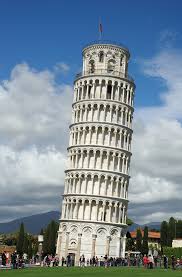
The Leaning Tower of Pisa, one of Italy’s most iconic structures, has a rich historical perspective that dates back to its construction in the 12th century. Designed by Italian architect Bonanno Pisano, the tower was meant to be a symbol of Pisa’s wealth and power.
Construction of the tower began in 1173 and took almost 200 years to complete. However, even during its early stages, the tower started to lean on one side due to the soft ground on which it was built. By the time the builders reached the second floor in 1178, the tower’s inclination was noticeable.
Despite the tower’s leaning, construction continued with some precautions being taken. The builders tried to adjust the levels of the subsequent floors to compensate for the tilt. They even built the upper floors with one side taller than the other in an attempt to straighten the tower. However, their efforts were in vain, and the tower continued to lean.
Over the centuries, the tilt of the tower only increased, becoming a point of fascination and curiosity for visitors from all over the world. Despite its precarious state, the tower managed to stand tall, captivating the imagination of generations.
Fast forward to 1990 when, for the first and only time in its 800-year existence, the interior of the Leaning Tower of Pisa was closed to the public. Safety concerns arose, and experts feared that the tower might eventually collapse. It was a significant moment in the tower’s history, as people wondered if this iconic structure could be saved.
Following extensive restoration work, the tower was reopened to the public on December 15, 2001. The restoration included various measures to stabilize the tower and prevent further leaning. Engineers used methods such as removing soil from underneath the tower and installing a series of counterweights to balance the structure.
The successful restoration and stabilization of the tower brought relief and joy to the people of Pisa and Italy as a whole. It was declared stable for at least another 300 years, ensuring that future generations would continue to marvel at this architectural wonder.
The Leaning Tower of Pisa stands not only as a beautiful testament to medieval Italian architecture, but also as a symbol of resilience and ingenuity. Despite facing significant challenges, it has managed to defy gravity and capture the hearts of millions worldwide.
Today, visitors flock to Pisa to witness this magnificent structure. They stand in awe of its lean and marvel at the fact that it still stands after all these years. The Leaning Tower of Pisa has become a beloved tourist attraction, attracting thousands of visitors from around the globe each year. People come to take pictures pretending to hold up the tower or to simply admire its unique architectural beauty.
As tourists explore the tower, they can’t help but feel a sense of awe and wonder. They imagine the countless workers who dedicated their lives to its construction, attempting to build a tower that defied the laws of gravity. They marvel at the creativity and determination of the architects and engineers who came up with various solutions to try and save the tower from collapse.
Walking up the spiraling staircase of the tower, visitors can feel a slight tilt beneath their feet, a subtle reminder of the tower’s leaning nature. They pass by the intricate frescoes and ornate design, appreciating the artistry that went into creating such a magnificent structure.
Reaching the top, visitors are rewarded with a breathtaking view of the city of Pisa. From the tower’s vantage point, they can see the sprawling landscape, the red-tiled roofs of the buildings, and the Arno River flowing gracefully through the city. It is a sight that prompts reflection on the passage of time and the endurance of human creations.
As the sun sets over the horizon, casting a warm glow on the leaning tower, visitors can’t help but feel grateful that this architectural wonder was saved. The restoration work and stabilization efforts have allowed the tower to continue standing, reminding us of the power of human ingenuity and the importance of preserving our historical treasures.
The Leaning Tower of Pisa is not just a symbol of Italy, but a symbol of humanity’s ability to overcome challenges and create something truly remarkable. It stands as a testament to the resilience of the people who refused to let the tower crumble and fall into oblivion.
As the tourists descend the tower, they carry with them memories and stories of their visit. They have witnessed firsthand the beauty and fragility of the Leaning Tower of Pisa and have become a part of its history.
And so, the Leaning Tower of Pisa continues to stand tall, defying gravity and captivating the world. It is a reminder that even in the face of adversity, with determination and perseverance, we can create something enduring and extraordinary.
#Hindi
आज हमें 1990 के वर्ष में वापस जाना होगा, जब 7 जनवरी को ‘पीसा की झुकी मीनार’ के अंदरूनी हिस्से को सुरक्षा चिंताओं के कारण जनता के लिए बंद कर दिया गया था। यह इसके 800 साल के अस्तित्व में पहली और एकमात्र बार था।
पीसा की झुकी मीनार, जो इटली की सबसे प्रसिद्ध संरचनाओं में से एक है, का इतिहास 12वीं शताब्दी में इसके निर्माण से शुरू होता है। इसे इटालियन वास्तुकार बोनानो पिसानो ने डिजाइन किया था, और इसे पीसा की संपन्नता और शक्ति का प्रतीक बनाने का उद्देश्य था।
मीनार का निर्माण 1173 में शुरू हुआ और इसे पूरा होने में लगभग 200 साल लगे। हालांकि, निर्माण के शुरुआती चरणों में ही यह मीनार एक ओर झुकने लगी, क्योंकि यह एक नरम भूमि पर बनी थी। 1178 में जब तक निर्माणकर्ता दूसरे मंजिल तक पहुंचे, तब तक मीनार का झुकाव स्पष्ट हो गया था।
मीनार के झुकने के बावजूद, निर्माण को सावधानियों के साथ जारी रखा गया। निर्माणकर्ताओं ने झुकाव की भरपाई के लिए ऊपरी मंजिलों को एक तरफ ऊँचा बनाने की कोशिश की। हालांकि, उनके प्रयास असफल रहे और मीनार झुकती रही।
सदियों से, मीनार का झुकाव केवल बढ़ता गया, जो दुनियाभर के पर्यटकों के लिए आकर्षण और जिज्ञासा का विषय बन गया। अपने अस्थिर अवस्था के बावजूद, मीनार खड़ी रही और पीढ़ियों की कल्पना को प्रेरित करती रही।
1990 में, अपने 800 साल के अस्तित्व में पहली और एकमात्र बार, पीसा की झुकी मीनार का अंदरूनी हिस्सा जनता के लिए बंद कर दिया गया। सुरक्षा चिंताओं के कारण विशेषज्ञों को डर था कि मीनार कभी भी गिर सकती है। यह मीनार के इतिहास में एक महत्वपूर्ण क्षण था, जब लोगों ने सोचा कि क्या इस प्रतिष्ठित संरचना को बचाया जा सकता है।
विस्तारपूर्ण बहाली कार्य के बाद, मीनार को 15 दिसंबर 2001 को जनता के लिए फिर से खोल दिया गया। बहाली में मीनार को स्थिर करने और आगे के झुकाव को रोकने के लिए विभिन्न उपाय शामिल थे। इंजीनियरों ने मीनार के नीचे से मिट्टी हटाने और संरचना को संतुलित करने के लिए काउंटरवेट्स की स्थापना जैसी विधियों का उपयोग किया।
मीनार की सफल बहाली और स्थिरीकरण ने पीसा और पूरे इटली के लोगों को राहत और खुशी दी। इसे कम से कम अगले 300 वर्षों के लिए स्थिर घोषित किया गया, यह सुनिश्चित करते हुए कि आने वाली पीढ़ियाँ इस अद्भुत वास्तुशिल्प का आनंद ले सकें।
पीसा की झुकी मीनार न केवल मध्यकालीन इटालियन वास्तुकला का एक सुंदर प्रमाण है, बल्कि यह दृढ़ता और सूझबूझ का भी प्रतीक है। महत्वपूर्ण चुनौतियों का सामना करने के बावजूद, यह गुरुत्वाकर्षण को चुनौती देकर लाखों लोगों के दिलों पर कब्जा करने में सफल रही है।
आज, पीसा में पर्यटक इस भव्य संरचना को देखने के लिए आते हैं। वे इसके झुकाव को देख कर हैरान होते हैं और इस तथ्य की सराहना करते हैं कि यह मीनार इतने वर्षों बाद भी खड़ी है। पीसा की झुकी मीनार एक प्रिय पर्यटक आकर्षण बन गई है और हर साल दुनिया भर से हजारों लोग इसे देखने आते हैं। लोग यहां तस्वीरें लेते हैं, मीनार को सहारा देने का नाटक करते हैं या इसकी अद्वितीय वास्तुशिल्प सुंदरता की प्रशंसा करते हैं।
जैसे-जैसे पर्यटक मीनार का अन्वेषण करते हैं, वे विस्मय और आश्चर्य की भावना से भर जाते हैं। वे उन अनेकों मजदूरों की कल्पना करते हैं जिन्होंने इसके निर्माण में अपनी जान लगाई, गुरुत्वाकर्षण के नियमों को चुनौती देने वाली मीनार बनाने का प्रयास किया। वे उन वास्तुकारों और इंजीनियरों की रचनात्मकता और दृढ़ संकल्प की प्रशंसा करते हैं, जिन्होंने मीनार को गिरने से बचाने के लिए विभिन्न समाधानों के साथ आए।
मीनार की सर्पिल सीढ़ियों पर चढ़ते समय, पर्यटक अपने पैरों के नीचे एक हल्का सा झुकाव महसूस कर सकते हैं, जो मीनार के झुकी हुई प्रकृति की सूक्ष्म याद दिलाता है। वे जटिल फ्रेस्को और अलंकृत डिज़ाइन को देखते हुए सराहना करते हैं, जो इस अद्भुत संरचना को बनाने में की गई कलाकारी का नमूना प्रस्तुत करता है।
शिखर पर पहुंचकर, पर्यटकों को पीसा शहर का एक शानदार दृश्य प्राप्त होता है। मीनार के दृश्य बिंदु से, वे विस्तृत परिदृश्य, इमारतों की लाल टाइलों वाली छतें, और अरनो नदी को शहर के माध्यम से बहते हुए देख सकते हैं। यह एक दृश्य है जो समय के गुजरने और मानव रचनाओं की स्थायित्व पर विचार करने के लिए प्रेरित करता है।
जैसे ही सूरज क्षितिज पर अस्त होता है, मीनार पर एक गर्म चमक डालता है, पर्यटक आभारी महसूस करते हैं कि इस वास्तुशिल्प चमत्कार को बचाया गया था। बहाली कार्य और स्थिरीकरण के प्रयासों ने मीनार को खड़ा रहने दिया, जो हमें मानव सूझबूझ की शक्ति और हमारे ऐतिहासिक खजाने को संरक्षित करने के महत्व की याद दिलाता है।
पीसा की झुकी मीनार न केवल इटली का प्रतीक है, बल्कि मानवता की उन चुनौतियों को पार करने और वास्तव में उल्लेखनीय कुछ बनाने की क्षमता का प्रतीक भी है। यह उन लोगों की दृढ़ता का प्रमाण है जिन्होंने मीनार को समाप्त होकर विस्मृति में खोने नहीं दिया।
जैसे ही पर्यटक मीनार से नीचे उतरते हैं, वे अपनी यात्रा की यादें और कहानियाँ अपने साथ ले जाते हैं। उन्होंने प्रत्यक्ष रूप से पीसा की झुकी मीनार की सुंदरता और नाजुकता को देखा है और वे इसके इतिहास का हिस्सा बन गए हैं।
और इस तरह, पीसा की झुकी मीनार गर्व से खड़ी रहती है, गुरुत्वाकर्षण को चुनौती देती है और दुनिया को मोहित करती है। यह याद दिलाने वाला है कि प्रतिकूल परिस्थितियों में भी, दृढ़ता और धैर्य के साथ, हम कुछ असाधारण और स्थायी बना सकते हैं।



Today, we need to rewind to the year 1990, when, on January 7, the interior of the ‘Leaning Tower of Pisa’ was closed to the public because of safety concerns. ~~ This was for the first and the only time, in its 800 years existence.
The Leaning Tower of Pisa, one of Italy’s most iconic structures, has a rich historical perspective that dates back to its construction in the 12th century. Designed by Italian architect Bonanno Pisano, the tower was meant to be a symbol of Pisa’s wealth and power.
Construction of the tower began in 1173 and took almost 200 years to complete. However, even during its early stages, the tower started to lean on one side due to the soft ground on which it was built. By the time the builders reached the second floor in 1178, the tower’s inclination was noticeable.
Despite the tower’s leaning, construction continued with some precautions being taken. The builders tried to adjust the levels of the subsequent floors to compensate for the tilt. They even built the upper floors with one side taller than the other in an attempt to straighten the tower. However, their efforts were in vain, and the tower continued to lean.
Over the centuries, the tilt of the tower only increased, becoming a point of fascination and curiosity for visitors from all over the world. Despite its precarious state, the tower managed to stand tall, captivating the imagination of generations.
Fast forward to 1990 when, for the first and only time in its 800-year existence, the interior of the Leaning Tower of Pisa was closed to the public. Safety concerns arose, and experts feared that the tower might eventually collapse. It was a significant moment in the tower’s history, as people wondered if this iconic structure could be saved.
Following extensive restoration work, the tower was reopened to the public on December 15, 2001. The restoration included various measures to stabilize the tower and prevent further leaning. Engineers used methods such as removing soil from underneath the tower and installing a series of counterweights to balance the structure.
The successful restoration and stabilization of the tower brought relief and joy to the people of Pisa and Italy as a whole. It was declared stable for at least another 300 years, ensuring that future generations would continue to marvel at this architectural wonder.
The Leaning Tower of Pisa stands not only as a beautiful testament to medieval Italian architecture, but also as a symbol of resilience and ingenuity. Despite facing significant challenges, it has managed to defy gravity and capture the hearts of millions worldwide.
Today, visitors flock to Pisa to witness this magnificent structure. They stand in awe of its lean and marvel at the fact that it still stands after all these years. The Leaning Tower of Pisa has become a beloved tourist attraction, attracting thousands of visitors from around the globe each year. People come to take pictures pretending to hold up the tower or to simply admire its unique architectural beauty.
As tourists explore the tower, they can’t help but feel a sense of awe and wonder. They imagine the countless workers who dedicated their lives to its construction, attempting to build a tower that defied the laws of gravity. They marvel at the creativity and determination of the architects and engineers who came up with various solutions to try and save the tower from collapse.
Walking up the spiraling staircase of the tower, visitors can feel a slight tilt beneath their feet, a subtle reminder of the tower’s leaning nature. They pass by the intricate frescoes and ornate design, appreciating the artistry that went into creating such a magnificent structure.
Reaching the top, visitors are rewarded with a breathtaking view of the city of Pisa. From the tower’s vantage point, they can see the sprawling landscape, the red-tiled roofs of the buildings, and the Arno River flowing gracefully through the city. It is a sight that prompts reflection on the passage of time and the endurance of human creations.
As the sun sets over the horizon, casting a warm glow on the leaning tower, visitors can’t help but feel grateful that this architectural wonder was saved. The restoration work and stabilization efforts have allowed the tower to continue standing, reminding us of the power of human ingenuity and the importance of preserving our historical treasures.
The Leaning Tower of Pisa is not just a symbol of Italy, but a symbol of humanity’s ability to overcome challenges and create something truly remarkable. It stands as a testament to the resilience of the people who refused to let the tower crumble and fall into oblivion.
As the tourists descend the tower, they carry with them memories and stories of their visit. They have witnessed firsthand the beauty and fragility of the Leaning Tower of Pisa and have become a part of its history.
And so, the Leaning Tower of Pisa continues to stand tall, defying gravity and captivating the world. It is a reminder that even in the face of adversity, with determination and perseverance, we can create something enduring and extraordinary.
#Hindi
आज हमें 1990 के वर्ष में वापस जाना होगा, जब 7 जनवरी को ‘पीसा की झुकी मीनार’ के अंदरूनी हिस्से को सुरक्षा चिंताओं के कारण जनता के लिए बंद कर दिया गया था। यह इसके 800 साल के अस्तित्व में पहली और एकमात्र बार था।
पीसा की झुकी मीनार, जो इटली की सबसे प्रसिद्ध संरचनाओं में से एक है, का इतिहास 12वीं शताब्दी में इसके निर्माण से शुरू होता है। इसे इटालियन वास्तुकार बोनानो पिसानो ने डिजाइन किया था, और इसे पीसा की संपन्नता और शक्ति का प्रतीक बनाने का उद्देश्य था।
मीनार का निर्माण 1173 में शुरू हुआ और इसे पूरा होने में लगभग 200 साल लगे। हालांकि, निर्माण के शुरुआती चरणों में ही यह मीनार एक ओर झुकने लगी, क्योंकि यह एक नरम भूमि पर बनी थी। 1178 में जब तक निर्माणकर्ता दूसरे मंजिल तक पहुंचे, तब तक मीनार का झुकाव स्पष्ट हो गया था।
मीनार के झुकने के बावजूद, निर्माण को सावधानियों के साथ जारी रखा गया। निर्माणकर्ताओं ने झुकाव की भरपाई के लिए ऊपरी मंजिलों को एक तरफ ऊँचा बनाने की कोशिश की। हालांकि, उनके प्रयास असफल रहे और मीनार झुकती रही।
सदियों से, मीनार का झुकाव केवल बढ़ता गया, जो दुनियाभर के पर्यटकों के लिए आकर्षण और जिज्ञासा का विषय बन गया। अपने अस्थिर अवस्था के बावजूद, मीनार खड़ी रही और पीढ़ियों की कल्पना को प्रेरित करती रही।
1990 में, अपने 800 साल के अस्तित्व में पहली और एकमात्र बार, पीसा की झुकी मीनार का अंदरूनी हिस्सा जनता के लिए बंद कर दिया गया। सुरक्षा चिंताओं के कारण विशेषज्ञों को डर था कि मीनार कभी भी गिर सकती है। यह मीनार के इतिहास में एक महत्वपूर्ण क्षण था, जब लोगों ने सोचा कि क्या इस प्रतिष्ठित संरचना को बचाया जा सकता है।
विस्तारपूर्ण बहाली कार्य के बाद, मीनार को 15 दिसंबर 2001 को जनता के लिए फिर से खोल दिया गया। बहाली में मीनार को स्थिर करने और आगे के झुकाव को रोकने के लिए विभिन्न उपाय शामिल थे। इंजीनियरों ने मीनार के नीचे से मिट्टी हटाने और संरचना को संतुलित करने के लिए काउंटरवेट्स की स्थापना जैसी विधियों का उपयोग किया।
मीनार की सफल बहाली और स्थिरीकरण ने पीसा और पूरे इटली के लोगों को राहत और खुशी दी। इसे कम से कम अगले 300 वर्षों के लिए स्थिर घोषित किया गया, यह सुनिश्चित करते हुए कि आने वाली पीढ़ियाँ इस अद्भुत वास्तुशिल्प का आनंद ले सकें।
पीसा की झुकी मीनार न केवल मध्यकालीन इटालियन वास्तुकला का एक सुंदर प्रमाण है, बल्कि यह दृढ़ता और सूझबूझ का भी प्रतीक है। महत्वपूर्ण चुनौतियों का सामना करने के बावजूद, यह गुरुत्वाकर्षण को चुनौती देकर लाखों लोगों के दिलों पर कब्जा करने में सफल रही है।
आज, पीसा में पर्यटक इस भव्य संरचना को देखने के लिए आते हैं। वे इसके झुकाव को देख कर हैरान होते हैं और इस तथ्य की सराहना करते हैं कि यह मीनार इतने वर्षों बाद भी खड़ी है। पीसा की झुकी मीनार एक प्रिय पर्यटक आकर्षण बन गई है और हर साल दुनिया भर से हजारों लोग इसे देखने आते हैं। लोग यहां तस्वीरें लेते हैं, मीनार को सहारा देने का नाटक करते हैं या इसकी अद्वितीय वास्तुशिल्प सुंदरता की प्रशंसा करते हैं।
जैसे-जैसे पर्यटक मीनार का अन्वेषण करते हैं, वे विस्मय और आश्चर्य की भावना से भर जाते हैं। वे उन अनेकों मजदूरों की कल्पना करते हैं जिन्होंने इसके निर्माण में अपनी जान लगाई, गुरुत्वाकर्षण के नियमों को चुनौती देने वाली मीनार बनाने का प्रयास किया। वे उन वास्तुकारों और इंजीनियरों की रचनात्मकता और दृढ़ संकल्प की प्रशंसा करते हैं, जिन्होंने मीनार को गिरने से बचाने के लिए विभिन्न समाधानों के साथ आए।
मीनार की सर्पिल सीढ़ियों पर चढ़ते समय, पर्यटक अपने पैरों के नीचे एक हल्का सा झुकाव महसूस कर सकते हैं, जो मीनार के झुकी हुई प्रकृति की सूक्ष्म याद दिलाता है। वे जटिल फ्रेस्को और अलंकृत डिज़ाइन को देखते हुए सराहना करते हैं, जो इस अद्भुत संरचना को बनाने में की गई कलाकारी का नमूना प्रस्तुत करता है।
शिखर पर पहुंचकर, पर्यटकों को पीसा शहर का एक शानदार दृश्य प्राप्त होता है। मीनार के दृश्य बिंदु से, वे विस्तृत परिदृश्य, इमारतों की लाल टाइलों वाली छतें, और अरनो नदी को शहर के माध्यम से बहते हुए देख सकते हैं। यह एक दृश्य है जो समय के गुजरने और मानव रचनाओं की स्थायित्व पर विचार करने के लिए प्रेरित करता है।
जैसे ही सूरज क्षितिज पर अस्त होता है, मीनार पर एक गर्म चमक डालता है, पर्यटक आभारी महसूस करते हैं कि इस वास्तुशिल्प चमत्कार को बचाया गया था। बहाली कार्य और स्थिरीकरण के प्रयासों ने मीनार को खड़ा रहने दिया, जो हमें मानव सूझबूझ की शक्ति और हमारे ऐतिहासिक खजाने को संरक्षित करने के महत्व की याद दिलाता है।
पीसा की झुकी मीनार न केवल इटली का प्रतीक है, बल्कि मानवता की उन चुनौतियों को पार करने और वास्तव में उल्लेखनीय कुछ बनाने की क्षमता का प्रतीक भी है। यह उन लोगों की दृढ़ता का प्रमाण है जिन्होंने मीनार को समाप्त होकर विस्मृति में खोने नहीं दिया।
जैसे ही पर्यटक मीनार से नीचे उतरते हैं, वे अपनी यात्रा की यादें और कहानियाँ अपने साथ ले जाते हैं। उन्होंने प्रत्यक्ष रूप से पीसा की झुकी मीनार की सुंदरता और नाजुकता को देखा है और वे इसके इतिहास का हिस्सा बन गए हैं।
और इस तरह, पीसा की झुकी मीनार गर्व से खड़ी रहती है, गुरुत्वाकर्षण को चुनौती देती है और दुनिया को मोहित करती है। यह याद दिलाने वाला है कि प्रतिकूल परिस्थितियों में भी, दृढ़ता और धैर्य के साथ, हम कुछ असाधारण और स्थायी बना सकते हैं।
Share this: