Landing on the surface of the moon and entering its orbit are two distinct phases in lunar exploration, each with its unique challenges and achievements.
Entering the Moon’s Orbit:
The act of entering the Moon’s orbit involves maneuvering a spacecraft to alter its trajectory from the Earth’s gravitational influence to that of the Moon. This requires precise calculations and adjustments to ensure the spacecraft achieves the correct speed and trajectory. Entering lunar orbit is a critical step that allows for reconnaissance of potential landing sites, scientific observations, and serves as a staging point for future lunar landings.
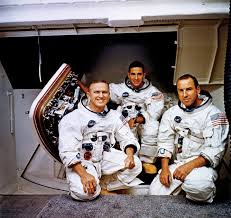
On December 21, 1968, history was made with the launch of Apollo 8, marking a significant milestone in human space exploration. This mission was pivotal as it was the first time humans left Earth’s orbit and traveled to another celestial body. Apollo 8 was a trailblazer, laying the groundwork for the subsequent Apollo missions that aimed to land humans on the Moon.
Apollo 8 Mission:
Apollo 8 was the second manned mission of the United States’ Apollo space program and was instrumental in achieving President John F. Kennedy’s goal of landing a man on the Moon before the end of the 1960s. The mission had three crew members: Commander Frank Borman, Command Module Pilot James Lovell, and Lunar Module Pilot William Anders. They embarked on a journey that took them beyond the confines of Earth, allowing them to orbit the Moon, experience its far side, and return safely.
The mission launched from Kennedy Space Center in Florida aboard a Saturn V rocket. After a successful translunar injection, the crew traveled the vast distance to the Moon. Upon reaching the Moon, they executed a crucial burn of the spacecraft’s Service Propulsion System (SPS) engine to enter lunar orbit. This task required precise timing and coordination, as it was essential to slow the spacecraft enough to be captured by the Moon’s gravity without overshooting or crashing.
Historical Firsts:
Apollo 8 was a mission of many firsts:
- First Humans to Leave Earth’s Gravitational Influence: The crew were the first humans to journey beyond low Earth orbit, venturing into a region of space previously unexplored by humans.
- First to Orbit Another Celestial Body: Apollo 8 was the first manned mission to successfully orbit the Moon, making ten orbits in total over the course of 20 hours.
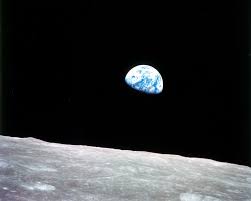
- First to See Earthrise: During their fourth orbit on December 24, 1968, the crew witnessed Earthrise as the Earth appeared to rise over the Moon’s horizon—a sight that had never been seen by human eyes before. This iconic moment was captured in a photograph that became emblematic of the space age and a symbol of Earth’s fragility.
Return to Earth:
After completing their mission objectives, the crew executed another burn of the SPS engine to break free from lunar orbit and begin their journey back to Earth. Re-entry posed its own challenges, requiring precise angle and speed to safely penetrate Earth’s atmosphere before splashing down in the Pacific Ocean on December 27, 1968.
Apollo 8 was a monumental achievement and a vital precursor to the eventual lunar landing of Apollo 11. It demonstrated the feasibility of lunar orbit insertion and return, paving the way for Neil Armstrong and Buzz Aldrin’s famous moonwalk just months later in July 1969.
#Hindi
चंद्रमा की सतह पर उतरना और उसकी कक्षा में प्रवेश करना, चंद्र अन्वेषण के दो महत्वपूर्ण चरण हैं, जिनमें से हर एक के अलग-अलग चुनौतियाँ और उपलब्धियाँ होती हैं।
चंद्रमा की कक्षा में प्रवेश करना:
चंद्रमा की कक्षा में प्रवेश करने का मतलब होता है अंतरिक्ष यान को इस तरह से चलाना कि वह पृथ्वी की गुरुत्वाकर्षण शक्ति से हटकर चंद्रमा की ओर आकर्षित हो जाए। इसके लिए सटीक गणना और समायोजन की आवश्यकता होती है ताकि अंतरिक्ष यान सही गति और मार्ग पर जा सके। चंद्रमा की कक्षा में प्रवेश करना एक महत्वपूर्ण कदम होता है, जिससे संभावित लैंडिंग स्थलों का निरीक्षण किया जा सकता है, वैज्ञानिक अध्ययनों को अंजाम दिया जा सकता है, और भविष्य के चंद्र लैंडिंग के लिए एक आधार तैयार किया जा सकता है।
21 दिसंबर, 1968 को, अपोलो 8 के प्रक्षेपण ने मानव अंतरिक्ष अन्वेषण में एक महत्वपूर्ण मील का पत्थर स्थापित किया। इस मिशन ने पहली बार मनुष्यों को पृथ्वी की कक्षा से बाहर भेजा और उन्हें एक अन्य खगोलीय पिंड तक पहुँचाया। अपोलो 8 ने उन भविष्य के अपोलो मिशनों के लिए नींव रखी, जिनका उद्देश्य चंद्रमा पर मनुष्यों को उतारना था।
अपोलो 8 मिशन:
अपोलो 8 अमेरिका के अपोलो अंतरिक्ष कार्यक्रम का दूसरा मानवयुक्त मिशन था और राष्ट्रपति जॉन एफ. कैनेडी के दशक के अंत तक चंद्रमा पर मानव को उतारने के लक्ष्य को पाने में अहम था। इस मिशन में तीन क्रू सदस्य थे: कमांडर फ्रैंक बोरमन, कमांड मॉड्यूल पायलट जेम्स लोवेल, और लूनर मॉड्यूल पायलट विलियम एंडर्स। उन्होंने पृथ्वी की सीमा से बाहर जाकर चंद्रमा की परिक्रमा की, उसके दूसरी तरफ का अनुभव किया, और सुरक्षित लौट आए।
मिशन ने फ्लोरिडा के केनेडी स्पेस सेंटर से एक सैटर्न V रॉकेट के माध्यम से प्रक्षेपण किया। सफलतापूर्वक चंद्रमा की दिशा में जाने के बाद, क्रू ने चंद्रमा की कक्षा में प्रवेश करने के लिए अंतरिक्ष यान के सर्विस प्रोपल्शन सिस्टम (SPS) इंजन का महत्वपूर्ण संचालन किया। यह कार्य समय और समन्वय की सटीकता की मांग करता था, क्योंकि यह अंतरिक्ष यान को चंद्रमा की गुरुत्वाकर्षण शक्ति द्वारा खींचने के लिए पर्याप्त धीमा करना महत्वपूर्ण था, ताकि ओवरशूट या क्रैश न हो सके।
ऐतिहासिक प्रथम:
अपोलो 8 कई प्रथमों का मिशन था:
- पृथ्वी की गुरुत्वाकर्षण शक्ति से बाहर जाने वाले पहले मानव: क्रू पहले मानव बने जिन्होंने निम्न पृथ्वी कक्षा से बाहर जाकर अनदेखे अंतरिक्ष में यात्रा की।
- किसी अन्य खगोलीय पिंड की कक्षा में प्रवेश करने वाला पहला मिशन: अपोलो 8 पहला मानवयुक्त मिशन था जिसने सफलतापूर्वक चंद्रमा की कक्षा में परिक्रमा की, कुल 20 घंटे में दस चक्कर लगाए।
- पहली बार अर्थराइज देखा: 24 दिसंबर, 1968 को अपने चौथे चक्कर के दौरान, क्रू ने अर्थराइज देखा, जब पृथ्वी पहली बार चंद्रमा के क्षितिज से ऊपर उठती दिखाई दी। इस अद्वितीय दृश्य को एक फोटो में कैद किया गया, जो अंतरिक्ष युग का एक प्रतीक बन गया।
पृथ्वी पर लौटना:
अपने मिशन के उद्देश्यों को पूरा करने के बाद, क्रू ने चंद्रमा की कक्षा से बाहर निकलने और पृथ्वी की ओर वापसी शुरू करने के लिए एसपीएस इंजन का फिर से संचालन किया। पुनःप्रवेश में भी अपनी चुनौतियाँ होती हैं, जिसमें पृथ्वी के वायुमंडल में सुरक्षित प्रवेश के लिए सटीक कोण और गति की आवश्यकता होती है। अंततः, 27 दिसंबर, 1968 को, वे प्रशांत महासागर में सुरक्षित उतरे।
अपोलो 8 एक महत्वपूर्ण उपलब्धि थी और अपोलो 11 के चंद्र लैंडिंग के लिए एक आवश्यक अग्रदूत थी। इसने चंद्र कक्षा में प्रवेश और वापसी की व्यवहार्यता को प्रदर्शित किया, जिससे कुछ महीने बाद जुलाई 1969 में नील आर्मस्ट्रॉन्ग और बज़ एल्ड्रिन के प्रसिद्ध चंद्रमा पर चलने का मार्ग प्रशस्त हुआ।


 NehaScope
Landing on the surface of the moon and entering its orbit are two distinct phases in lunar exploration, each with its unique challenges and achievements.
Entering the Moon’s Orbit:
The act of entering the Moon’s orbit involves maneuvering a spacecraft to alter its trajectory from the Earth’s gravitational influence to that of the Moon. This requires precise calculations and adjustments to ensure the spacecraft achieves the correct speed and trajectory. Entering lunar orbit is a critical step that allows for reconnaissance of potential landing sites, scientific observations, and serves as a staging point for future lunar landings.
On December 21, 1968, history was made with the launch of Apollo 8, marking a significant milestone in human space exploration. This mission was pivotal as it was the first time humans left Earth’s orbit and traveled to another celestial body. Apollo 8 was a trailblazer, laying the groundwork for the subsequent Apollo missions that aimed to land humans on the Moon.
Apollo 8 Mission:
Apollo 8 was the second manned mission of the United States’ Apollo space program and was instrumental in achieving President John F. Kennedy’s goal of landing a man on the Moon before the end of the 1960s. The mission had three crew members: Commander Frank Borman, Command Module Pilot James Lovell, and Lunar Module Pilot William Anders. They embarked on a journey that took them beyond the confines of Earth, allowing them to orbit the Moon, experience its far side, and return safely.
The mission launched from Kennedy Space Center in Florida aboard a Saturn V rocket. After a successful translunar injection, the crew traveled the vast distance to the Moon. Upon reaching the Moon, they executed a crucial burn of the spacecraft’s Service Propulsion System (SPS) engine to enter lunar orbit. This task required precise timing and coordination, as it was essential to slow the spacecraft enough to be captured by the Moon’s gravity without overshooting or crashing.
Historical Firsts:
Apollo 8 was a mission of many firsts:
Return to Earth:
After completing their mission objectives, the crew executed another burn of the SPS engine to break free from lunar orbit and begin their journey back to Earth. Re-entry posed its own challenges, requiring precise angle and speed to safely penetrate Earth’s atmosphere before splashing down in the Pacific Ocean on December 27, 1968.
Apollo 8 was a monumental achievement and a vital precursor to the eventual lunar landing of Apollo 11. It demonstrated the feasibility of lunar orbit insertion and return, paving the way for Neil Armstrong and Buzz Aldrin’s famous moonwalk just months later in July 1969.
#Hindi
चंद्रमा की सतह पर उतरना और उसकी कक्षा में प्रवेश करना, चंद्र अन्वेषण के दो महत्वपूर्ण चरण हैं, जिनमें से हर एक के अलग-अलग चुनौतियाँ और उपलब्धियाँ होती हैं।
चंद्रमा की कक्षा में प्रवेश करना:
चंद्रमा की कक्षा में प्रवेश करने का मतलब होता है अंतरिक्ष यान को इस तरह से चलाना कि वह पृथ्वी की गुरुत्वाकर्षण शक्ति से हटकर चंद्रमा की ओर आकर्षित हो जाए। इसके लिए सटीक गणना और समायोजन की आवश्यकता होती है ताकि अंतरिक्ष यान सही गति और मार्ग पर जा सके। चंद्रमा की कक्षा में प्रवेश करना एक महत्वपूर्ण कदम होता है, जिससे संभावित लैंडिंग स्थलों का निरीक्षण किया जा सकता है, वैज्ञानिक अध्ययनों को अंजाम दिया जा सकता है, और भविष्य के चंद्र लैंडिंग के लिए एक आधार तैयार किया जा सकता है।
21 दिसंबर, 1968 को, अपोलो 8 के प्रक्षेपण ने मानव अंतरिक्ष अन्वेषण में एक महत्वपूर्ण मील का पत्थर स्थापित किया। इस मिशन ने पहली बार मनुष्यों को पृथ्वी की कक्षा से बाहर भेजा और उन्हें एक अन्य खगोलीय पिंड तक पहुँचाया। अपोलो 8 ने उन भविष्य के अपोलो मिशनों के लिए नींव रखी, जिनका उद्देश्य चंद्रमा पर मनुष्यों को उतारना था।
अपोलो 8 मिशन:
अपोलो 8 अमेरिका के अपोलो अंतरिक्ष कार्यक्रम का दूसरा मानवयुक्त मिशन था और राष्ट्रपति जॉन एफ. कैनेडी के दशक के अंत तक चंद्रमा पर मानव को उतारने के लक्ष्य को पाने में अहम था। इस मिशन में तीन क्रू सदस्य थे: कमांडर फ्रैंक बोरमन, कमांड मॉड्यूल पायलट जेम्स लोवेल, और लूनर मॉड्यूल पायलट विलियम एंडर्स। उन्होंने पृथ्वी की सीमा से बाहर जाकर चंद्रमा की परिक्रमा की, उसके दूसरी तरफ का अनुभव किया, और सुरक्षित लौट आए।
मिशन ने फ्लोरिडा के केनेडी स्पेस सेंटर से एक सैटर्न V रॉकेट के माध्यम से प्रक्षेपण किया। सफलतापूर्वक चंद्रमा की दिशा में जाने के बाद, क्रू ने चंद्रमा की कक्षा में प्रवेश करने के लिए अंतरिक्ष यान के सर्विस प्रोपल्शन सिस्टम (SPS) इंजन का महत्वपूर्ण संचालन किया। यह कार्य समय और समन्वय की सटीकता की मांग करता था, क्योंकि यह अंतरिक्ष यान को चंद्रमा की गुरुत्वाकर्षण शक्ति द्वारा खींचने के लिए पर्याप्त धीमा करना महत्वपूर्ण था, ताकि ओवरशूट या क्रैश न हो सके।
ऐतिहासिक प्रथम:
अपोलो 8 कई प्रथमों का मिशन था:
पृथ्वी पर लौटना:
अपने मिशन के उद्देश्यों को पूरा करने के बाद, क्रू ने चंद्रमा की कक्षा से बाहर निकलने और पृथ्वी की ओर वापसी शुरू करने के लिए एसपीएस इंजन का फिर से संचालन किया। पुनःप्रवेश में भी अपनी चुनौतियाँ होती हैं, जिसमें पृथ्वी के वायुमंडल में सुरक्षित प्रवेश के लिए सटीक कोण और गति की आवश्यकता होती है। अंततः, 27 दिसंबर, 1968 को, वे प्रशांत महासागर में सुरक्षित उतरे।
अपोलो 8 एक महत्वपूर्ण उपलब्धि थी और अपोलो 11 के चंद्र लैंडिंग के लिए एक आवश्यक अग्रदूत थी। इसने चंद्र कक्षा में प्रवेश और वापसी की व्यवहार्यता को प्रदर्शित किया, जिससे कुछ महीने बाद जुलाई 1969 में नील आर्मस्ट्रॉन्ग और बज़ एल्ड्रिन के प्रसिद्ध चंद्रमा पर चलने का मार्ग प्रशस्त हुआ।
Share this: