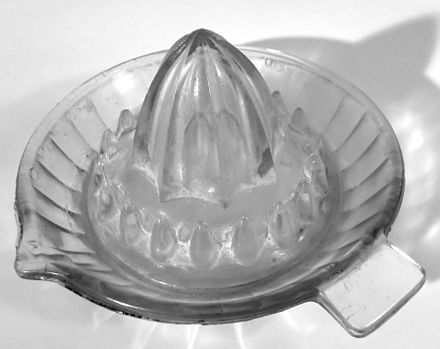
The lemon squeezer is an intriguing kitchen tool with a rich history that extends back several centuries. While it seems like a simple device, its evolution reflects the creativity and ingenuity of inventors who sought to improve everyday life with functional solutions.
Historical Background
The concept of the lemon squeezer originated in the early 1700s, with some of the earliest known devices being found in Turkey. These rudimentary tools were designed to extract juice from lemons and other citrus fruits, which was a valuable task since citrus fruits were prized for their flavor and essential nutrients, particularly Vitamin C.
Evolution and Design
The journey of the lemon squeezer from its early forms to the efficient designs we recognize today has been marked by numerous innovations. The U.S. patent office alone lists over 200 patents for various types of lemon squeezers, with the earliest patents appearing in the 1860s. These patents document a fascinating progression, as inventors experimented with different materials, mechanical designs, and ergonomics to enhance the efficiency and ease of extracting juice.
John Thomas White and the Modern Lemon Squeezer
A significant milestone in the development of the lemon squeezer occurred on October 8, 1896, when African-American inventor John Thomas White was awarded a patent for his design. White’s invention provided a more efficient and user-friendly way to squeeze lemons, reflecting both his ingenuity and the growing demand for practical kitchen tools during that era. His patented design laid the groundwork for the modern lemon squeezers we now have in our kitchens.
John Thomas White’s contribution is especially noteworthy not just for its technical merits but also because it highlights the often-overlooked contributions of African-American inventors during a time when racial discrimination was prevalent. His work on the lemon squeezer is a testament to his creativity and persistence despite the barriers he likely faced.
Impact on Kitchens Today
Today, lemon squeezers have become a staple in kitchens around the world. Their design has been refined over the years, with variations including handheld juicers, reamers, and lever-press models, each catering to different preferences and needs. Modern materials like stainless steel and durable plastics have further enhanced their functionality and longevity.
The lemon squeezer is a perfect example of how something as simple as squeezing juice has spurred inventive solutions that have stood the test of time. Its presence in kitchens underscores the blend of tradition and innovation that typifies so many aspects of culinary equipment. Thanks to pioneers like John Thomas White, the lemon squeezer continues to be a valuable, everyday tool that simplifies culinary tasks, enabling us to enjoy fresh, flavorful citrus in our drinks and dishes with minimal effort.
#Hindi
नींबू निचोड़ने वाला एक दिलचस्प रसोई उपकरण है जिसकी समृद्ध इतिहास कई शताब्दियों से जुड़ा है। यह एक साधारण यंत्र लगता है, लेकिन इसकी प्रगति उन अनुसंधानों को दर्शाती है जिन्होंने रोजमर्रा की जिंदगी को सरल बनाने के लिए नए और उपयोगी समाधान खोजे।
इतिहासिक पृष्ठभूमि
नींबू निचोड़ने के यंत्र की संकल्पना 1700 के दशक के आरंभ में हुई, जब सबसे पहले ऐसे यंत्र तुर्की में पाए गए। ये प्रारंभिक उपकरण नींबू और अन्य खट्टे फलों से रस निकालने के लिए बनाए गए थे। यह महत्वपूर्ण था क्योंकि खट्टे फल उनके स्वाद और विटामिन C जैसे पौष्टिक तत्वों के लिए मूल्यवान माने जाते थे।
विकास और डिजाइन
पहले के स्वरूपों से लेकर आज के कुशल डिजाइनों तक नींबू निचोड़ने वाले के सफर में कई नवाचार शामिल हैं। अमेरिकी पेटेंट कार्यालय में 200 से अधिक प्रकार के नींबू निचोड़ने वालों के पेटेंट हैं, जिनमें से सबसे पुराने 1860 के दशक में दर्ज हुए थे। इन पेटेंट्स में दस्तावेजों के अनुसार विभिन्न सामग्री, यांत्रिक डिजाइन और कार्यक्षमता को बढ़ाने के लिए विभिन्न प्रयोग किए गए।
जॉन थॉमस व्हाइट और आधुनिक नींबू निचोड़ने वाला
8 अक्टूबर 1896 को अफ्रीकी-अमेरिकी आविष्कारक जॉन थॉमस व्हाइट को उनके डिजाइन के लिए पेटेंट मिला। व्हाइट के आविष्कार ने नींबू निचोड़ने के लिए और अधिक कुशल और उपयोगकर्ता के लिए सुविधाजनक तरीका प्रदान किया। उनके आविष्कार ने उस समय की मांग के अनुसार व्यावहारिक रसोई उपकरणों की नींव रखी। व्हाइट का योगदान विशेष रूप से उल्लेखनीय है क्योंकि यह उस समय के अफ्रीकी-अमेरिकी आविष्कारकों के योगदान को उजागर करता है, जब नस्लीय भेदभाव आम था।
आज की रसोई में प्रभाव
आज, नींबू निचोड़ने वाले दुनिया भर की रसोई में एक आवश्यक उपकरण बन गए हैं। उनके डिजाइन को समय के साथ सुधारा गया है, जिनमें हाथ से चलने वाले जूसर, रीमर और लीवर-प्रेस मॉडल शामिल हैं। उनके उपयोग को और अधिक सरल और दीर्घकालिक बनाने के लिए आधुनिक सामग्री जैसे स्टेनलेस स्टील और टिकाऊ प्लास्टिक का उपयोग किया जा रहा है।
नींबू निचोड़ने वाला यह दिखाता है कि कैसे एक साधारण कार्य जैसे रस निकालना नवीन समाधान उत्पन्न कर सकता है जो समय की कसौटी पर खरे उतरते हैं। जॉन थॉमस व्हाइट जैसे अग्रणियों के प्रयासों के कारण, नींबू निचोड़ने वाला एक कीमती और साधारण उपकरण बना हुआ है जो हमारे रोजमर्रा के रसोई के कार्यों को आसान बनाता है।


 NehaScope
The lemon squeezer is an intriguing kitchen tool with a rich history that extends back several centuries. While it seems like a simple device, its evolution reflects the creativity and ingenuity of inventors who sought to improve everyday life with functional solutions.
Historical Background
The concept of the lemon squeezer originated in the early 1700s, with some of the earliest known devices being found in Turkey. These rudimentary tools were designed to extract juice from lemons and other citrus fruits, which was a valuable task since citrus fruits were prized for their flavor and essential nutrients, particularly Vitamin C.
Evolution and Design
The journey of the lemon squeezer from its early forms to the efficient designs we recognize today has been marked by numerous innovations. The U.S. patent office alone lists over 200 patents for various types of lemon squeezers, with the earliest patents appearing in the 1860s. These patents document a fascinating progression, as inventors experimented with different materials, mechanical designs, and ergonomics to enhance the efficiency and ease of extracting juice.
John Thomas White and the Modern Lemon Squeezer
A significant milestone in the development of the lemon squeezer occurred on October 8, 1896, when African-American inventor John Thomas White was awarded a patent for his design. White’s invention provided a more efficient and user-friendly way to squeeze lemons, reflecting both his ingenuity and the growing demand for practical kitchen tools during that era. His patented design laid the groundwork for the modern lemon squeezers we now have in our kitchens.
John Thomas White’s contribution is especially noteworthy not just for its technical merits but also because it highlights the often-overlooked contributions of African-American inventors during a time when racial discrimination was prevalent. His work on the lemon squeezer is a testament to his creativity and persistence despite the barriers he likely faced.
Impact on Kitchens Today
Today, lemon squeezers have become a staple in kitchens around the world. Their design has been refined over the years, with variations including handheld juicers, reamers, and lever-press models, each catering to different preferences and needs. Modern materials like stainless steel and durable plastics have further enhanced their functionality and longevity.
The lemon squeezer is a perfect example of how something as simple as squeezing juice has spurred inventive solutions that have stood the test of time. Its presence in kitchens underscores the blend of tradition and innovation that typifies so many aspects of culinary equipment. Thanks to pioneers like John Thomas White, the lemon squeezer continues to be a valuable, everyday tool that simplifies culinary tasks, enabling us to enjoy fresh, flavorful citrus in our drinks and dishes with minimal effort.
#Hindi
नींबू निचोड़ने वाला एक दिलचस्प रसोई उपकरण है जिसकी समृद्ध इतिहास कई शताब्दियों से जुड़ा है। यह एक साधारण यंत्र लगता है, लेकिन इसकी प्रगति उन अनुसंधानों को दर्शाती है जिन्होंने रोजमर्रा की जिंदगी को सरल बनाने के लिए नए और उपयोगी समाधान खोजे।
इतिहासिक पृष्ठभूमि
नींबू निचोड़ने के यंत्र की संकल्पना 1700 के दशक के आरंभ में हुई, जब सबसे पहले ऐसे यंत्र तुर्की में पाए गए। ये प्रारंभिक उपकरण नींबू और अन्य खट्टे फलों से रस निकालने के लिए बनाए गए थे। यह महत्वपूर्ण था क्योंकि खट्टे फल उनके स्वाद और विटामिन C जैसे पौष्टिक तत्वों के लिए मूल्यवान माने जाते थे।
विकास और डिजाइन
पहले के स्वरूपों से लेकर आज के कुशल डिजाइनों तक नींबू निचोड़ने वाले के सफर में कई नवाचार शामिल हैं। अमेरिकी पेटेंट कार्यालय में 200 से अधिक प्रकार के नींबू निचोड़ने वालों के पेटेंट हैं, जिनमें से सबसे पुराने 1860 के दशक में दर्ज हुए थे। इन पेटेंट्स में दस्तावेजों के अनुसार विभिन्न सामग्री, यांत्रिक डिजाइन और कार्यक्षमता को बढ़ाने के लिए विभिन्न प्रयोग किए गए।
जॉन थॉमस व्हाइट और आधुनिक नींबू निचोड़ने वाला
8 अक्टूबर 1896 को अफ्रीकी-अमेरिकी आविष्कारक जॉन थॉमस व्हाइट को उनके डिजाइन के लिए पेटेंट मिला। व्हाइट के आविष्कार ने नींबू निचोड़ने के लिए और अधिक कुशल और उपयोगकर्ता के लिए सुविधाजनक तरीका प्रदान किया। उनके आविष्कार ने उस समय की मांग के अनुसार व्यावहारिक रसोई उपकरणों की नींव रखी। व्हाइट का योगदान विशेष रूप से उल्लेखनीय है क्योंकि यह उस समय के अफ्रीकी-अमेरिकी आविष्कारकों के योगदान को उजागर करता है, जब नस्लीय भेदभाव आम था।
आज की रसोई में प्रभाव
आज, नींबू निचोड़ने वाले दुनिया भर की रसोई में एक आवश्यक उपकरण बन गए हैं। उनके डिजाइन को समय के साथ सुधारा गया है, जिनमें हाथ से चलने वाले जूसर, रीमर और लीवर-प्रेस मॉडल शामिल हैं। उनके उपयोग को और अधिक सरल और दीर्घकालिक बनाने के लिए आधुनिक सामग्री जैसे स्टेनलेस स्टील और टिकाऊ प्लास्टिक का उपयोग किया जा रहा है।
नींबू निचोड़ने वाला यह दिखाता है कि कैसे एक साधारण कार्य जैसे रस निकालना नवीन समाधान उत्पन्न कर सकता है जो समय की कसौटी पर खरे उतरते हैं। जॉन थॉमस व्हाइट जैसे अग्रणियों के प्रयासों के कारण, नींबू निचोड़ने वाला एक कीमती और साधारण उपकरण बना हुआ है जो हमारे रोजमर्रा के रसोई के कार्यों को आसान बनाता है।
Share this: