Before today in 1944, infants born with a condition known as ‘Blue Baby Syndrome’ faced grim prospects. Many succumbed to the condition shortly after birth, while others lived with severe health complications. This congenital defect caused their skin, especially around the pupils and extremities, to take on a bluish tint due to insufficient oxygen in the blood, a condition medically referred to as cyanosis.
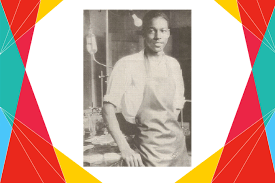
On this remarkable day in 1944, a groundbreaking medical advancement provided a glimmer of hope for these children and their families. The first successful surgical procedure to address ‘Blue Baby Syndrome’ was performed by the pioneering surgeon Alfred Blalock and his talented assistant Vivien Thomas. Together, they developed a technique that altered the course of treatment for congenital heart defects.
Blue baby syndrome is a disease in which kids body turn blue, specially the pupil of the eye. It is a congenital heart malformation that robs the blood of oxygen.
The procedure they implemented was innovative for its time, involving the creation of an anastomosis, or connection, between a major artery leaving the heart, such as the subclavian or carotid artery, and the pulmonary artery. This connection was designed to reroute blood flow, giving it another opportunity to pass through the lungs and become oxygenated before circulating to the rest of the body. This surgical intervention was named the Blalock-Taussig Shunt, after Blalock and pediatric cardiologist Helen Taussig, who had conceptualized the need for such a procedure to help infants with this condition.
Blue Baby Syndrome is primarily due to congenital heart malformations that severely impact the heart’s ability to pump oxygen-rich blood to the body. These defects often involve abnormalities such as Tetralogy of Fallot, which includes a combination of heart defects that obstruct normal blood flow and oxygenation. Prior to this surgical innovation, treatment options were extremely limited and largely ineffective.
The Blalock-Taussig Shunt revolutionized the field of pediatric cardiology and gave children suffering from this condition a chance at life that was previously unimaginable. The success of this operation not only provided immediate relief for many affected infants but also paved the way for future advancements in cardiac surgery, offering hope and improved quality of life for countless others born with congenital heart diseases.
This historic surgery marked a turning point in medical history, demonstrating the power of surgical innovation and collaboration among medical professionals to overcome challenging health conditions. Today, the legacy of Alfred Blalock and Vivien Thomas continues to inspire and save lives, underscoring the profound impact of their contributions to medicine.
#Hindi
आज से पहले, 1944 में, ‘ब्लू बेबी सिंड्रोम’ के साथ जन्मे शिशुओं के लिए भविष्य बहुत ही निराशाजनक होता था। कई शिशु जन्म के तुरंत बाद इस स्थिति का शिकार हो जाते थे, जबकि अन्य गंभीर स्वास्थ्य जटिलताओं के साथ जीते थे। इस जन्मजात दोष के कारण उनके त्वचा, विशेष रूप से पुतलियों और अंगों के आसपास, को नीला रंग लेने के लिए मजबूर होना पड़ता था, जो रक्त में अपर्याप्त ऑक्सीजन के कारण होता था, जिसे चिकित्सकीय रूप से साइनोसिस कहा जाता है।
1944 के इस उल्लेखनीय दिन पर, एक क्रांतिकारी चिकित्सा प्रगति ने इन बच्चों और उनके परिवारों के लिए आशा की एक किरण प्रदान की। ‘ब्लू बेबी सिंड्रोम’ को संबोधित करने के लिए पहली सफल सर्जिकल प्रक्रिया अग्रणी सर्जन अल्फ्रेड ब्लैलॉक और उनके प्रतिभावान सहायक विवियन थॉमस द्वारा की गई थी। उन्होंने मिलकर एक तकनीक विकसित की जो हृदय जन्मजात दोषों के उपचार के लिए रास्ता बदलने वाली थी।
उन्होंने जो प्रक्रिया अपनाई, वह उस समय के लिए बहुत ही नवाचारी थी, जिसमें हृदय से निकलने वाली एक प्रमुख धमनियों, जैसे कि सबक्लेवियन या कैरोटिड धमनी, और पल्मोनरी धमनी के बीच एक अनास्तोमोसिस या कनेक्शन का निर्माण शामिल था। इस कनेक्शन को रक्त प्रवाह को पुनर्व्यवस्थित करने के लिए डिज़ाइन किया गया था, जिससे इसे फेफड़ों के माध्यम से गुजरने और शरीर के बाकी हिस्सों में संचारित होने से पहले ऑक्सीजन युक्त बनने का एक और अवसर मिलता था। इस सर्जिकल हस्तक्षेप का नाम ब्लैलॉक-टॉस्सिग शंट रखा गया, ब्लैलॉक और बाल रोग कार्डियोलॉजिस्ट हेलेन टॉस्सिग के नाम पर, जिन्होंने इस स्थिति वाले शिशुओं की मदद के लिए ऐसी प्रक्रिया की आवश्यकता का विचार किया था।
ब्लू बेबी सिंड्रोम मुख्य रूप से जन्मजात हृदय विकृतियों के कारण होता है जो हृदय की ऑक्सीजन युक्त रक्त को शरीर तक पहुंचाने की क्षमता को गंभीर रूप से प्रभावित करते हैं। इन दोषों में अक्सर टेट्रालॉजी ऑफ फॉलोट जैसी असमानताएं शामिल होती हैं, जिनमें हृदय दोषों का संयोजन होता है जो सामान्य रक्त प्रवाह और ऑक्सीजन संतृप्ति को अवरुद्ध करते हैं। इस सर्जिकल नवाचार से पहले, उपचार के विकल्प अत्यधिक सीमित और लगभग अप्रभावी थे।
ब्लैलॉक-टॉस्सिग शंट ने बाल रोग कार्डियोलॉजी के क्षेत्र में क्रांति ला दी और इस स्थिति से पीड़ित बच्चों को एक ऐसा जीवन जीने का मौका दिया जो पहले अकल्पनीय था। इस ऑपरेशन की सफलता ने न केवल कई प्रभावित शिशुओं के लिए तत्काल राहत प्रदान की बल्कि हृदय सर्जरी में भविष्य के विकास के लिए रास्ता भी प्रशस्त किया, जिससे जन्मजात हृदय रोगों के साथ पैदा होने वाले अनगिनत अन्य लोगों के लिए आशा और बेहतर जीवन की गुणवत्ता प्राप्त हुई।
यह ऐतिहासिक सर्जरी चिकित्सा इतिहास में एक महत्वपूर्ण मोड़ थी, जिसने चिकित्सा पेशेवरों के बीच सर्जिकल नवाचार और सहयोग की शक्ति का प्रदर्शन किया ताकि चुनौतीपूर्ण स्वास्थ्य स्थितियों को पार किया जा सके। आज, अल्फ्रेड ब्लैलॉक और विवियन थॉमस की विरासत प्रेरणा देती है और जीवन को बचाती है, उनके चिकित्सा में योगदान के गहरे प्रभाव को रेखांकित करती है।

 NehaScope
Before today in 1944, infants born with a condition known as ‘Blue Baby Syndrome’ faced grim prospects. Many succumbed to the condition shortly after birth, while others lived with severe health complications. This congenital defect caused their skin, especially around the pupils and extremities, to take on a bluish tint due to insufficient oxygen in the blood, a condition medically referred to as cyanosis.
On this remarkable day in 1944, a groundbreaking medical advancement provided a glimmer of hope for these children and their families. The first successful surgical procedure to address ‘Blue Baby Syndrome’ was performed by the pioneering surgeon Alfred Blalock and his talented assistant Vivien Thomas. Together, they developed a technique that altered the course of treatment for congenital heart defects.
The procedure they implemented was innovative for its time, involving the creation of an anastomosis, or connection, between a major artery leaving the heart, such as the subclavian or carotid artery, and the pulmonary artery. This connection was designed to reroute blood flow, giving it another opportunity to pass through the lungs and become oxygenated before circulating to the rest of the body. This surgical intervention was named the Blalock-Taussig Shunt, after Blalock and pediatric cardiologist Helen Taussig, who had conceptualized the need for such a procedure to help infants with this condition.
Blue Baby Syndrome is primarily due to congenital heart malformations that severely impact the heart’s ability to pump oxygen-rich blood to the body. These defects often involve abnormalities such as Tetralogy of Fallot, which includes a combination of heart defects that obstruct normal blood flow and oxygenation. Prior to this surgical innovation, treatment options were extremely limited and largely ineffective.
The Blalock-Taussig Shunt revolutionized the field of pediatric cardiology and gave children suffering from this condition a chance at life that was previously unimaginable. The success of this operation not only provided immediate relief for many affected infants but also paved the way for future advancements in cardiac surgery, offering hope and improved quality of life for countless others born with congenital heart diseases.
This historic surgery marked a turning point in medical history, demonstrating the power of surgical innovation and collaboration among medical professionals to overcome challenging health conditions. Today, the legacy of Alfred Blalock and Vivien Thomas continues to inspire and save lives, underscoring the profound impact of their contributions to medicine.
#Hindi
आज से पहले, 1944 में, ‘ब्लू बेबी सिंड्रोम’ के साथ जन्मे शिशुओं के लिए भविष्य बहुत ही निराशाजनक होता था। कई शिशु जन्म के तुरंत बाद इस स्थिति का शिकार हो जाते थे, जबकि अन्य गंभीर स्वास्थ्य जटिलताओं के साथ जीते थे। इस जन्मजात दोष के कारण उनके त्वचा, विशेष रूप से पुतलियों और अंगों के आसपास, को नीला रंग लेने के लिए मजबूर होना पड़ता था, जो रक्त में अपर्याप्त ऑक्सीजन के कारण होता था, जिसे चिकित्सकीय रूप से साइनोसिस कहा जाता है।
1944 के इस उल्लेखनीय दिन पर, एक क्रांतिकारी चिकित्सा प्रगति ने इन बच्चों और उनके परिवारों के लिए आशा की एक किरण प्रदान की। ‘ब्लू बेबी सिंड्रोम’ को संबोधित करने के लिए पहली सफल सर्जिकल प्रक्रिया अग्रणी सर्जन अल्फ्रेड ब्लैलॉक और उनके प्रतिभावान सहायक विवियन थॉमस द्वारा की गई थी। उन्होंने मिलकर एक तकनीक विकसित की जो हृदय जन्मजात दोषों के उपचार के लिए रास्ता बदलने वाली थी।
उन्होंने जो प्रक्रिया अपनाई, वह उस समय के लिए बहुत ही नवाचारी थी, जिसमें हृदय से निकलने वाली एक प्रमुख धमनियों, जैसे कि सबक्लेवियन या कैरोटिड धमनी, और पल्मोनरी धमनी के बीच एक अनास्तोमोसिस या कनेक्शन का निर्माण शामिल था। इस कनेक्शन को रक्त प्रवाह को पुनर्व्यवस्थित करने के लिए डिज़ाइन किया गया था, जिससे इसे फेफड़ों के माध्यम से गुजरने और शरीर के बाकी हिस्सों में संचारित होने से पहले ऑक्सीजन युक्त बनने का एक और अवसर मिलता था। इस सर्जिकल हस्तक्षेप का नाम ब्लैलॉक-टॉस्सिग शंट रखा गया, ब्लैलॉक और बाल रोग कार्डियोलॉजिस्ट हेलेन टॉस्सिग के नाम पर, जिन्होंने इस स्थिति वाले शिशुओं की मदद के लिए ऐसी प्रक्रिया की आवश्यकता का विचार किया था।
ब्लू बेबी सिंड्रोम मुख्य रूप से जन्मजात हृदय विकृतियों के कारण होता है जो हृदय की ऑक्सीजन युक्त रक्त को शरीर तक पहुंचाने की क्षमता को गंभीर रूप से प्रभावित करते हैं। इन दोषों में अक्सर टेट्रालॉजी ऑफ फॉलोट जैसी असमानताएं शामिल होती हैं, जिनमें हृदय दोषों का संयोजन होता है जो सामान्य रक्त प्रवाह और ऑक्सीजन संतृप्ति को अवरुद्ध करते हैं। इस सर्जिकल नवाचार से पहले, उपचार के विकल्प अत्यधिक सीमित और लगभग अप्रभावी थे।
ब्लैलॉक-टॉस्सिग शंट ने बाल रोग कार्डियोलॉजी के क्षेत्र में क्रांति ला दी और इस स्थिति से पीड़ित बच्चों को एक ऐसा जीवन जीने का मौका दिया जो पहले अकल्पनीय था। इस ऑपरेशन की सफलता ने न केवल कई प्रभावित शिशुओं के लिए तत्काल राहत प्रदान की बल्कि हृदय सर्जरी में भविष्य के विकास के लिए रास्ता भी प्रशस्त किया, जिससे जन्मजात हृदय रोगों के साथ पैदा होने वाले अनगिनत अन्य लोगों के लिए आशा और बेहतर जीवन की गुणवत्ता प्राप्त हुई।
यह ऐतिहासिक सर्जरी चिकित्सा इतिहास में एक महत्वपूर्ण मोड़ थी, जिसने चिकित्सा पेशेवरों के बीच सर्जिकल नवाचार और सहयोग की शक्ति का प्रदर्शन किया ताकि चुनौतीपूर्ण स्वास्थ्य स्थितियों को पार किया जा सके। आज, अल्फ्रेड ब्लैलॉक और विवियन थॉमस की विरासत प्रेरणा देती है और जीवन को बचाती है, उनके चिकित्सा में योगदान के गहरे प्रभाव को रेखांकित करती है।
Share this: