The convenience of making phone calls today, anywhere in the world with just a tap on a smartphone, is something we often take for granted. With advanced technology and high-speed networks, placing a call is a seamless process that requires minimal effort. However, the journey to achieving this level of ease in communication was a long and challenging one, particularly in the context of Subscriber Trunk Dialling (STD).
On this day in 1960, a significant milestone was achieved in India’s telecommunications history—the first Subscriber Trunk Dialling (STD) call was successfully made between the cities of Lucknow and Kanpur. This event marked a turning point in the way people communicated over long distances within the country, laying the foundation for more accessible and direct communication.
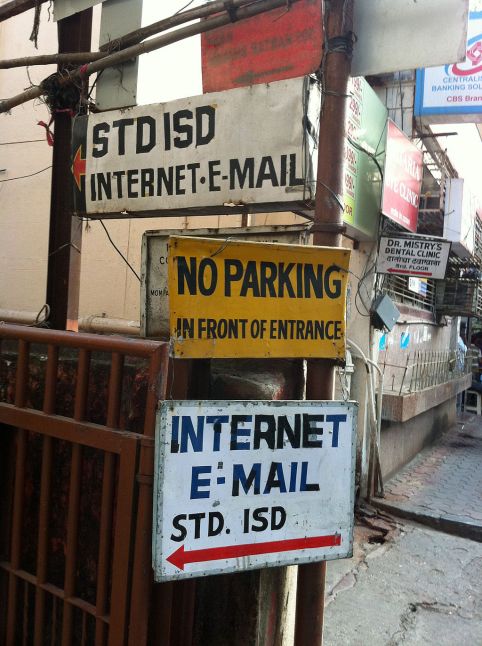
Before the introduction of STD, making a long-distance call was not as straightforward as it is today. These calls could only be placed with the assistance of a telephone operator. The process involved the caller dialing the operator and requesting a long-distance connection. The operator then manually connected the call through a series of switchboards, which was time-consuming and often unreliable. This dependence on operators also meant that calls could not be made at any time of the day or night, adding another layer of inconvenience.
The introduction of STD changed this dynamic significantly. Subscriber Trunk Dialling allowed users to directly dial long-distance calls without operator assistance. This was made possible through the establishment of an automated switching system that could connect calls directly based on the dialed numbers. The implementation of this system required extensive planning and development, as it needed new infrastructure, equipment, and technology to support automated switching.
The first STD call between Lucknow and Kanpur symbolized the successful deployment of this technology in India. It not only represented a technological advancement but also demonstrated the commitment of the Indian telecommunications sector to modernizing communication facilities. The successful implementation paved the way for expanding STD services to other regions, gradually encompassing the entire nation.
This advancement in telecommunications was crucial for various reasons. It facilitated easier and faster communication, contributing to personal and business interactions across different cities. Moreover, it marked the beginning of improving the efficiency and reliability of the telephone network, moving away from manual operations to automated systems.
In conclusion, the first STD call in India on this day in 1960 was a momentous achievement that simplified and revolutionized long-distance communication. It set the stage for continuous improvements in telecommunications technology, eventually leading us to the highly connected world we live in today. The journey from operator-assisted calls to modern-day smartphone communication is a testament to the relentless progress in the field of telecommunications.
#Hindi
आज के समय में स्मार्टफोन पर एक टैप से दुनिया में कहीं भी फोन कॉल करने की सुविधा को हम अक्सर हल्के में ले लेते हैं। उन्नत तकनीक और हाई-स्पीड नेटवर्क के साथ, कॉल करना एक सहज प्रक्रिया है जिसमें न्यूनतम प्रयास की आवश्यकता होती है। हालांकि, संचार के इस स्तर की सुविधा प्राप्त करने की यात्रा लंबी और चुनौतीपूर्ण थी, खासकर सब्सक्राइबर ट्रंक डायलिंग (एसटीडी) के संदर्भ में।
1960 में इस दिन, भारत के दूरसंचार इतिहास में एक महत्वपूर्ण मील का पत्थर हासिल हुआ—लखनऊ और कानपुर शहरों के बीच पहली बार सब्सक्राइबर ट्रंक डायलिंग (एसटीडी) कॉल सफलतापूर्वक की गई। इस घटना ने देश के भीतर लंबी दूरी के संचार के तरीके में एक महत्वपूर्ण बदलाव का संकेत दिया, जिससे अधिक सुलभ और प्रत्यक्ष संचार का आधार तैयार हुआ।
एसटीडी के परिचय से पहले, लंबी दूरी की कॉल करना आज की तरह सीधा नहीं था। ये कॉल केवल एक टेलीफोन ऑपरेटर की सहायता से ही की जा सकती थीं। इस प्रक्रिया में कॉलर को ऑपरेटर को डायल करके लंबी दूरी के कनेक्शन का अनुरोध करना पड़ता था। ऑपरेटर फिर स्विचबोर्ड की एक श्रृंखला के माध्यम से मैन्युअल रूप से कॉल को जोड़ता था, जो समय लेने वाला और अक्सर अविश्वसनीय होता था। ऑपरेटरों पर इस निर्भरता का मतलब यह भी था कि कॉल दिन या रात में किसी भी समय नहीं की जा सकती थीं, जो असुविधा की एक और परत जोड़ देता था।
एसटीडी के परिचय ने इस गतिशीलता को महत्वपूर्ण रूप से बदल दिया। सब्सक्राइबर ट्रंक डायलिंग ने उपयोगकर्ताओं को ऑपरेटर की सहायता के बिना लंबी दूरी की कॉल सीधे डायल करने की अनुमति दी। यह एक स्वचालित स्विचिंग प्रणाली की स्थापना के माध्यम से संभव हुआ जो डायल किए गए नंबरों के आधार पर कॉल को सीधे जोड़ सकती थी। इस प्रणाली के कार्यान्वयन में व्यापक योजना और विकास की आवश्यकता थी, क्योंकि इसे स्वचालित स्विचिंग का समर्थन करने के लिए नए बुनियादी ढांचे, उपकरण और तकनीक की आवश्यकता थी।
लखनऊ और कानपुर के बीच पहला एसटीडी कॉल भारत में इस तकनीक की सफल तैनाती का प्रतीक था। यह न केवल एक तकनीकी प्रगति का प्रतिनिधित्व करता था, बल्कि भारतीय दूरसंचार क्षेत्र की संचार सुविधाओं के आधुनिकीकरण के प्रति प्रतिबद्धता भी दर्शाता था। सफल कार्यान्वयन ने अन्य क्षेत्रों में एसटीडी सेवाओं के विस्तार का मार्ग प्रशस्त किया, जो धीरे-धीरे पूरे देश को शामिल करता गया।
दूरसंचार में यह प्रगति विभिन्न कारणों से महत्वपूर्ण थी। इसने विभिन्न शहरों में व्यक्तिगत और व्यावसायिक बातचीत में योगदान करते हुए संचार को आसान और तेज बनाया। इसके अलावा, इसने टेलीफोन नेटवर्क की दक्षता और विश्वसनीयता में सुधार की शुरुआत की, मैन्युअल संचालन से स्वचालित प्रणालियों की ओर आगे बढ़ते हुए।
अंत में, 1960 में इस दिन भारत में पहली एसटीडी कॉल एक महत्वपूर्ण उपलब्धि थी जिसने लंबी दूरी के संचार को सरल और क्रांतिकारी बना दिया। इसने दूरसंचार प्रौद्योगिकी में लगातार सुधारों के लिए मंच तैयार किया, जो अंततः हमें आज के अत्यधिक जुड़े हुए दुनिया तक लेकर आया। ऑपरेटर-सहायता प्राप्त कॉल से लेकर आधुनिक स्मार्टफोन संचार तक की यात्रा दूरसंचार के क्षेत्र में निरंतर प्रगति का प्रमाण है।

 NehaScope
The convenience of making phone calls today, anywhere in the world with just a tap on a smartphone, is something we often take for granted. With advanced technology and high-speed networks, placing a call is a seamless process that requires minimal effort. However, the journey to achieving this level of ease in communication was a long and challenging one, particularly in the context of Subscriber Trunk Dialling (STD).
On this day in 1960, a significant milestone was achieved in India’s telecommunications history—the first Subscriber Trunk Dialling (STD) call was successfully made between the cities of Lucknow and Kanpur. This event marked a turning point in the way people communicated over long distances within the country, laying the foundation for more accessible and direct communication.
Before the introduction of STD, making a long-distance call was not as straightforward as it is today. These calls could only be placed with the assistance of a telephone operator. The process involved the caller dialing the operator and requesting a long-distance connection. The operator then manually connected the call through a series of switchboards, which was time-consuming and often unreliable. This dependence on operators also meant that calls could not be made at any time of the day or night, adding another layer of inconvenience.
The introduction of STD changed this dynamic significantly. Subscriber Trunk Dialling allowed users to directly dial long-distance calls without operator assistance. This was made possible through the establishment of an automated switching system that could connect calls directly based on the dialed numbers. The implementation of this system required extensive planning and development, as it needed new infrastructure, equipment, and technology to support automated switching.
The first STD call between Lucknow and Kanpur symbolized the successful deployment of this technology in India. It not only represented a technological advancement but also demonstrated the commitment of the Indian telecommunications sector to modernizing communication facilities. The successful implementation paved the way for expanding STD services to other regions, gradually encompassing the entire nation.
This advancement in telecommunications was crucial for various reasons. It facilitated easier and faster communication, contributing to personal and business interactions across different cities. Moreover, it marked the beginning of improving the efficiency and reliability of the telephone network, moving away from manual operations to automated systems.
In conclusion, the first STD call in India on this day in 1960 was a momentous achievement that simplified and revolutionized long-distance communication. It set the stage for continuous improvements in telecommunications technology, eventually leading us to the highly connected world we live in today. The journey from operator-assisted calls to modern-day smartphone communication is a testament to the relentless progress in the field of telecommunications.
#Hindi
आज के समय में स्मार्टफोन पर एक टैप से दुनिया में कहीं भी फोन कॉल करने की सुविधा को हम अक्सर हल्के में ले लेते हैं। उन्नत तकनीक और हाई-स्पीड नेटवर्क के साथ, कॉल करना एक सहज प्रक्रिया है जिसमें न्यूनतम प्रयास की आवश्यकता होती है। हालांकि, संचार के इस स्तर की सुविधा प्राप्त करने की यात्रा लंबी और चुनौतीपूर्ण थी, खासकर सब्सक्राइबर ट्रंक डायलिंग (एसटीडी) के संदर्भ में।
1960 में इस दिन, भारत के दूरसंचार इतिहास में एक महत्वपूर्ण मील का पत्थर हासिल हुआ—लखनऊ और कानपुर शहरों के बीच पहली बार सब्सक्राइबर ट्रंक डायलिंग (एसटीडी) कॉल सफलतापूर्वक की गई। इस घटना ने देश के भीतर लंबी दूरी के संचार के तरीके में एक महत्वपूर्ण बदलाव का संकेत दिया, जिससे अधिक सुलभ और प्रत्यक्ष संचार का आधार तैयार हुआ।
एसटीडी के परिचय से पहले, लंबी दूरी की कॉल करना आज की तरह सीधा नहीं था। ये कॉल केवल एक टेलीफोन ऑपरेटर की सहायता से ही की जा सकती थीं। इस प्रक्रिया में कॉलर को ऑपरेटर को डायल करके लंबी दूरी के कनेक्शन का अनुरोध करना पड़ता था। ऑपरेटर फिर स्विचबोर्ड की एक श्रृंखला के माध्यम से मैन्युअल रूप से कॉल को जोड़ता था, जो समय लेने वाला और अक्सर अविश्वसनीय होता था। ऑपरेटरों पर इस निर्भरता का मतलब यह भी था कि कॉल दिन या रात में किसी भी समय नहीं की जा सकती थीं, जो असुविधा की एक और परत जोड़ देता था।
एसटीडी के परिचय ने इस गतिशीलता को महत्वपूर्ण रूप से बदल दिया। सब्सक्राइबर ट्रंक डायलिंग ने उपयोगकर्ताओं को ऑपरेटर की सहायता के बिना लंबी दूरी की कॉल सीधे डायल करने की अनुमति दी। यह एक स्वचालित स्विचिंग प्रणाली की स्थापना के माध्यम से संभव हुआ जो डायल किए गए नंबरों के आधार पर कॉल को सीधे जोड़ सकती थी। इस प्रणाली के कार्यान्वयन में व्यापक योजना और विकास की आवश्यकता थी, क्योंकि इसे स्वचालित स्विचिंग का समर्थन करने के लिए नए बुनियादी ढांचे, उपकरण और तकनीक की आवश्यकता थी।
लखनऊ और कानपुर के बीच पहला एसटीडी कॉल भारत में इस तकनीक की सफल तैनाती का प्रतीक था। यह न केवल एक तकनीकी प्रगति का प्रतिनिधित्व करता था, बल्कि भारतीय दूरसंचार क्षेत्र की संचार सुविधाओं के आधुनिकीकरण के प्रति प्रतिबद्धता भी दर्शाता था। सफल कार्यान्वयन ने अन्य क्षेत्रों में एसटीडी सेवाओं के विस्तार का मार्ग प्रशस्त किया, जो धीरे-धीरे पूरे देश को शामिल करता गया।
दूरसंचार में यह प्रगति विभिन्न कारणों से महत्वपूर्ण थी। इसने विभिन्न शहरों में व्यक्तिगत और व्यावसायिक बातचीत में योगदान करते हुए संचार को आसान और तेज बनाया। इसके अलावा, इसने टेलीफोन नेटवर्क की दक्षता और विश्वसनीयता में सुधार की शुरुआत की, मैन्युअल संचालन से स्वचालित प्रणालियों की ओर आगे बढ़ते हुए।
अंत में, 1960 में इस दिन भारत में पहली एसटीडी कॉल एक महत्वपूर्ण उपलब्धि थी जिसने लंबी दूरी के संचार को सरल और क्रांतिकारी बना दिया। इसने दूरसंचार प्रौद्योगिकी में लगातार सुधारों के लिए मंच तैयार किया, जो अंततः हमें आज के अत्यधिक जुड़े हुए दुनिया तक लेकर आया। ऑपरेटर-सहायता प्राप्त कॉल से लेकर आधुनिक स्मार्टफोन संचार तक की यात्रा दूरसंचार के क्षेत्र में निरंतर प्रगति का प्रमाण है।
Share this: