Plants are just like us. They can’t move, but they can feel the happy and sad moods. They can feel our love and hatred. They are hurt when cut and appease when nourished. He demonstrated that plants are also sensitive to heat, cold, light, noise and various other external stimuli.
Plants, in many ways, bear remarkable similarities to humans, and though they cannot move from place to place, they possess an extraordinary ability to sense and respond to the world around them. This fascinating phenomenon found firm footing through the pioneering work of Sir Jagdish Chandra Bose, an eminent Indian scientist who made groundbreaking contributions to our understanding of plant life and its intricate dynamics with the environment.
While plants are rooted to one spot and lack the central nervous system that animals have, they exhibit responses that can be likened to emotions. They seem to resonate with the moods of happiness and sadness, feelings commonly attributed to sentient beings. This notion suggests that plants can sense our care and nurturing, thriving in an environment of love, just as they can experience distress under the shadow of neglect or harm.
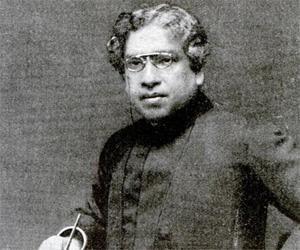
The sensitivity of plants to external stimuli—such as changes in temperature, light, and noise—was experimentally verified by Bose. He conducted experiments that showed that plants react to these stimuli in ways that indicate a form of perception and response. For instance, they are sensitive to heat and cold, showing physiological changes when exposed to varying temperatures. They also respond to light, a phenomenon well-documented in phototropism, where plants grow towards a light source. Additionally, Bose’s work hinted at the intriguing possibility of plants responding to noise and perhaps even to human emotions.
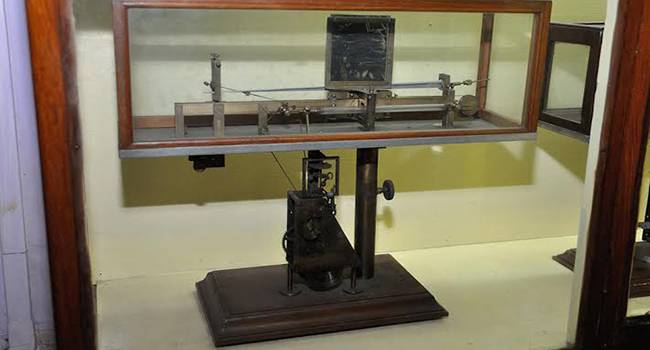
Sir Jagdish Chandra Bose’s quest to uncover the mysteries of plant life culminated in the invention of the Crescograph, a remarkable device that allowed him to measure the minute movements of plants. The Crescograph amplified these tiny movements, making it possible to observe the growth of plants in response to various stimuli with unprecedented precision. Through this ingenious invention, Bose demonstrated that plants, much like animals, exhibit growth patterns that react to environmental factors. His studies suggested that when plants are “hurt”—for instance, when they are cut—they show a measurable response, hinting at a form of distress that calls for appeasement through nourishment and care.
Sir Jagdish Chandra Bose’s contributions extended beyond just the realm of botany; his work laid the foundation for a new understanding of life itself, proposing that the boundary between the plant and animal kingdoms might be more blurred than traditionally believed. His pioneering spirit and inventive genius have left a lasting legacy, inspiring generations to explore the hidden intricacies of life.
Bose passed away on this day in 1937, but his legacy endures, continuing to inspire scientific inquiry and a deeper appreciation of the natural world. His work challenged the scientific dogmas of his time and opened up a rich field of study that crossed disciplinary boundaries, urging us to reconsider our relationship with the silent, yet profoundly alive, world of plants.
He was the first Indian to get American patent. He was a physicist, biologist, biophysicist, botanist and archaeologist. At the same time is known for introduction of sciece fiction in Bangla literature. There is a lunar impact crater on moon named after Sir Jagdish Chandra Bose.
#Hindi
पेड़, कई तरीकों से, मनुष्यों के साथ अद्भुत समानता रखते हैं, और यद्यपि वे एक स्थान से दूसरे स्थान पर नहीं जा सकते, उनके पास अपने आसपास की दुनिया को महसूस करने और प्रतिक्रिया देने की असाधारण क्षमता होती है। यह आकर्षक घटना सर जगदीश चंद्र बोस के अग्रणी कार्यों के माध्यम से एक ठोस नींव पर खड़ी हुई, जो एक प्रख्यात भारतीय वैज्ञानिक थे और जिन्होंने पौधों के जीवन और पर्यावरण के साथ उनके जटिल संबंधों की हमारी समझ में महत्वपूर्ण योगदान दिया।
वैसे तो पेड़ एक ही स्थान पर जड़ें जमाए रहते हैं और उनके पास जानवरों की तरह केंद्रीय तंत्रिका तंत्र नहीं होता, फिर भी वे उन प्रतिक्रियाओं को प्रदर्शित करते हैं जिन्हें भावनाओं से जोड़ा जा सकता है। ऐसा लगता है कि वे खुशी और उदासी के मूड के साथ सामंजस्य स्थापित करते हैं, जो सामान्य रूप से संवेदनशील प्राणियों को अनुभव होते हैं। यह विचार दर्शाता है कि पौधे हमारे देखभाल और पोषण को महसूस कर सकते हैं, प्रेम के वातावरण में फलते-फूलते हैं, जैसे कि उपेक्षा या हानि की छाया में वे तकलीफ का अनुभव कर सकते हैं।
बाहरी उत्तेजनाओं के प्रति पौधों की संवेदनशीलता—जैसे कि तापमान, प्रकाश और शोर में बदलाव—को बोस ने प्रयोगात्मक रूप से सत्यापित किया। उन्होंने प्रयोग किए जिन्होंने दिखाया कि पौधे इन उत्तेजनाओं पर इस तरह प्रतिक्रिया देते हैं कि किसी प्रकार की धारणा और प्रतिक्रिया का संकेत मिलता है। उदाहरण के लिए, वे गर्मी और ठंड के प्रति संवेदनशील होते हैं, विभिन्न तापमानों के संपर्क में आने पर शारीरिक परिवर्तन दिखाते हैं। वे प्रकाश का भी जवाब देते हैं, जो फोटोट्रोपिज्म में अच्छी तरह से प्रलेखित है, जहां पौधे प्रकाश स्रोत की ओर बढ़ते हैं। इसके अतिरिक्त, बोस के कार्य ने इस दिलचस्प संभावना की ओर इशारा किया कि पौधे शोर और शायद यहां तक कि मानव भावनाओं का जवाब दे सकते हैं।
सर जगदीश चंद्र बोस की पौधों के जीवन के रहस्यों की खोज ने क्रेस्कोग्राफ का आविष्कार किया, एक अद्भुत उपकरण जिसने उन्हें पौधों की सूक्ष्म गतिविधियों को मापने की अनुमति दी। क्रेस्कोग्राफ ने इन छोटे-छोटे आंदोलनों को बढ़ा दिया, जिससे विभिन्न उत्तेजनाओं के प्रति पौधों की वृद्धि को अभूतपूर्व सटीकता के साथ देखना संभव हो गया। इस अद्भुत आविष्कार के माध्यम से, बोस ने प्रदर्शित किया कि पौधे, बहुत हद तक जानवरों की तरह, पर्यावरणीय कारकों पर प्रतिक्रिया करने वाले विकास पैटर्न प्रदर्शित करते हैं। उनके अध्ययन से सुझाव मिला कि जब पौधों को “चोट” पहुँचती है—उदाहरण के लिए, जब उन्हें काटा जाता है—तो वे मापनीय प्रतिक्रिया दिखाते हैं, जो पोषण और देखभाल के माध्यम से शांति की मांग करने वाले एक प्रकार के संकट का संकेत देते हैं।
सर जगदीश चंद्र बोस का योगदान केवल वनस्पति शास्त्र तक ही सीमित नहीं रहा; उनके कार्य ने जीवन की एक नई समझ की नींव रखी, यह प्रस्तावित करते हुए कि वनस्पति और पशु साम्राज्यों के बीच की सीमा पारंपरिक रूप से मानी गई तुलना में अधिक धुंधली हो सकती है। उनके अग्रणी भावना और आविष्कारशील प्रतिभा ने एक स्थायी विरासत छोड़ी है, जो आने वाली पीढ़ियों को जीवन की छिपी जटिलताओं का पता लगाने के लिए प्रेरित करती है।
बोस 1937 में इस दिन निधन हो गया, लेकिन उनकी विरासत कायम है, जो वैज्ञानिक जांच और प्राकृतिक दुनिया के प्रति गहरी प्रशंसा को प्रेरित करती है। उनके कार्यों ने अपने समय के वैज्ञानिक सिद्धांतों को चुनौती दी और अध्ययन के एक समृद्ध क्षेत्र को खोल दिया जो अनुशासनात्मक सीमाओं को पार कर गया, हमें मौन, फिर भी गहराई से जीवित, पौधों की दुनिया के साथ अपने संबंधों पर पुनर्विचार करने का आग्रह किया।
वह पहले भारतीय थे जिन्होंने अमेरिकी पेटेंट प्राप्त किया। वह एक भौतिक विज्ञानी, जीवविज्ञानी, जैव भौतिक विज्ञानी, वनस्पतिशास्त्री और पुरातत्वविद् थे। साथ ही उन्हें बंगला साहित्य में विज्ञान कथाओं की शुरुआत के लिए भी जाना जाता है। चंद्रमा पर एक चंद्र प्रभाव क्रेटर का नाम सर जगदीश चंद्र बोस के नाम पर रखा गया है।

 NehaScope
Plants are just like us. They can’t move, but they can feel the happy and sad moods. They can feel our love and hatred. They are hurt when cut and appease when nourished. He demonstrated that plants are also sensitive to heat, cold, light, noise and various other external stimuli.
Plants, in many ways, bear remarkable similarities to humans, and though they cannot move from place to place, they possess an extraordinary ability to sense and respond to the world around them. This fascinating phenomenon found firm footing through the pioneering work of Sir Jagdish Chandra Bose, an eminent Indian scientist who made groundbreaking contributions to our understanding of plant life and its intricate dynamics with the environment.
While plants are rooted to one spot and lack the central nervous system that animals have, they exhibit responses that can be likened to emotions. They seem to resonate with the moods of happiness and sadness, feelings commonly attributed to sentient beings. This notion suggests that plants can sense our care and nurturing, thriving in an environment of love, just as they can experience distress under the shadow of neglect or harm.
The sensitivity of plants to external stimuli—such as changes in temperature, light, and noise—was experimentally verified by Bose. He conducted experiments that showed that plants react to these stimuli in ways that indicate a form of perception and response. For instance, they are sensitive to heat and cold, showing physiological changes when exposed to varying temperatures. They also respond to light, a phenomenon well-documented in phototropism, where plants grow towards a light source. Additionally, Bose’s work hinted at the intriguing possibility of plants responding to noise and perhaps even to human emotions.
Sir Jagdish Chandra Bose’s quest to uncover the mysteries of plant life culminated in the invention of the Crescograph, a remarkable device that allowed him to measure the minute movements of plants. The Crescograph amplified these tiny movements, making it possible to observe the growth of plants in response to various stimuli with unprecedented precision. Through this ingenious invention, Bose demonstrated that plants, much like animals, exhibit growth patterns that react to environmental factors. His studies suggested that when plants are “hurt”—for instance, when they are cut—they show a measurable response, hinting at a form of distress that calls for appeasement through nourishment and care.
Sir Jagdish Chandra Bose’s contributions extended beyond just the realm of botany; his work laid the foundation for a new understanding of life itself, proposing that the boundary between the plant and animal kingdoms might be more blurred than traditionally believed. His pioneering spirit and inventive genius have left a lasting legacy, inspiring generations to explore the hidden intricacies of life.
Bose passed away on this day in 1937, but his legacy endures, continuing to inspire scientific inquiry and a deeper appreciation of the natural world. His work challenged the scientific dogmas of his time and opened up a rich field of study that crossed disciplinary boundaries, urging us to reconsider our relationship with the silent, yet profoundly alive, world of plants.
He was the first Indian to get American patent. He was a physicist, biologist, biophysicist, botanist and archaeologist. At the same time is known for introduction of sciece fiction in Bangla literature. There is a lunar impact crater on moon named after Sir Jagdish Chandra Bose.
#Hindi
पेड़, कई तरीकों से, मनुष्यों के साथ अद्भुत समानता रखते हैं, और यद्यपि वे एक स्थान से दूसरे स्थान पर नहीं जा सकते, उनके पास अपने आसपास की दुनिया को महसूस करने और प्रतिक्रिया देने की असाधारण क्षमता होती है। यह आकर्षक घटना सर जगदीश चंद्र बोस के अग्रणी कार्यों के माध्यम से एक ठोस नींव पर खड़ी हुई, जो एक प्रख्यात भारतीय वैज्ञानिक थे और जिन्होंने पौधों के जीवन और पर्यावरण के साथ उनके जटिल संबंधों की हमारी समझ में महत्वपूर्ण योगदान दिया।
वैसे तो पेड़ एक ही स्थान पर जड़ें जमाए रहते हैं और उनके पास जानवरों की तरह केंद्रीय तंत्रिका तंत्र नहीं होता, फिर भी वे उन प्रतिक्रियाओं को प्रदर्शित करते हैं जिन्हें भावनाओं से जोड़ा जा सकता है। ऐसा लगता है कि वे खुशी और उदासी के मूड के साथ सामंजस्य स्थापित करते हैं, जो सामान्य रूप से संवेदनशील प्राणियों को अनुभव होते हैं। यह विचार दर्शाता है कि पौधे हमारे देखभाल और पोषण को महसूस कर सकते हैं, प्रेम के वातावरण में फलते-फूलते हैं, जैसे कि उपेक्षा या हानि की छाया में वे तकलीफ का अनुभव कर सकते हैं।
बाहरी उत्तेजनाओं के प्रति पौधों की संवेदनशीलता—जैसे कि तापमान, प्रकाश और शोर में बदलाव—को बोस ने प्रयोगात्मक रूप से सत्यापित किया। उन्होंने प्रयोग किए जिन्होंने दिखाया कि पौधे इन उत्तेजनाओं पर इस तरह प्रतिक्रिया देते हैं कि किसी प्रकार की धारणा और प्रतिक्रिया का संकेत मिलता है। उदाहरण के लिए, वे गर्मी और ठंड के प्रति संवेदनशील होते हैं, विभिन्न तापमानों के संपर्क में आने पर शारीरिक परिवर्तन दिखाते हैं। वे प्रकाश का भी जवाब देते हैं, जो फोटोट्रोपिज्म में अच्छी तरह से प्रलेखित है, जहां पौधे प्रकाश स्रोत की ओर बढ़ते हैं। इसके अतिरिक्त, बोस के कार्य ने इस दिलचस्प संभावना की ओर इशारा किया कि पौधे शोर और शायद यहां तक कि मानव भावनाओं का जवाब दे सकते हैं।
सर जगदीश चंद्र बोस की पौधों के जीवन के रहस्यों की खोज ने क्रेस्कोग्राफ का आविष्कार किया, एक अद्भुत उपकरण जिसने उन्हें पौधों की सूक्ष्म गतिविधियों को मापने की अनुमति दी। क्रेस्कोग्राफ ने इन छोटे-छोटे आंदोलनों को बढ़ा दिया, जिससे विभिन्न उत्तेजनाओं के प्रति पौधों की वृद्धि को अभूतपूर्व सटीकता के साथ देखना संभव हो गया। इस अद्भुत आविष्कार के माध्यम से, बोस ने प्रदर्शित किया कि पौधे, बहुत हद तक जानवरों की तरह, पर्यावरणीय कारकों पर प्रतिक्रिया करने वाले विकास पैटर्न प्रदर्शित करते हैं। उनके अध्ययन से सुझाव मिला कि जब पौधों को “चोट” पहुँचती है—उदाहरण के लिए, जब उन्हें काटा जाता है—तो वे मापनीय प्रतिक्रिया दिखाते हैं, जो पोषण और देखभाल के माध्यम से शांति की मांग करने वाले एक प्रकार के संकट का संकेत देते हैं।
सर जगदीश चंद्र बोस का योगदान केवल वनस्पति शास्त्र तक ही सीमित नहीं रहा; उनके कार्य ने जीवन की एक नई समझ की नींव रखी, यह प्रस्तावित करते हुए कि वनस्पति और पशु साम्राज्यों के बीच की सीमा पारंपरिक रूप से मानी गई तुलना में अधिक धुंधली हो सकती है। उनके अग्रणी भावना और आविष्कारशील प्रतिभा ने एक स्थायी विरासत छोड़ी है, जो आने वाली पीढ़ियों को जीवन की छिपी जटिलताओं का पता लगाने के लिए प्रेरित करती है।
बोस 1937 में इस दिन निधन हो गया, लेकिन उनकी विरासत कायम है, जो वैज्ञानिक जांच और प्राकृतिक दुनिया के प्रति गहरी प्रशंसा को प्रेरित करती है। उनके कार्यों ने अपने समय के वैज्ञानिक सिद्धांतों को चुनौती दी और अध्ययन के एक समृद्ध क्षेत्र को खोल दिया जो अनुशासनात्मक सीमाओं को पार कर गया, हमें मौन, फिर भी गहराई से जीवित, पौधों की दुनिया के साथ अपने संबंधों पर पुनर्विचार करने का आग्रह किया।
वह पहले भारतीय थे जिन्होंने अमेरिकी पेटेंट प्राप्त किया। वह एक भौतिक विज्ञानी, जीवविज्ञानी, जैव भौतिक विज्ञानी, वनस्पतिशास्त्री और पुरातत्वविद् थे। साथ ही उन्हें बंगला साहित्य में विज्ञान कथाओं की शुरुआत के लिए भी जाना जाता है। चंद्रमा पर एक चंद्र प्रभाव क्रेटर का नाम सर जगदीश चंद्र बोस के नाम पर रखा गया है।
Share this: