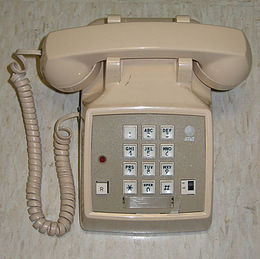
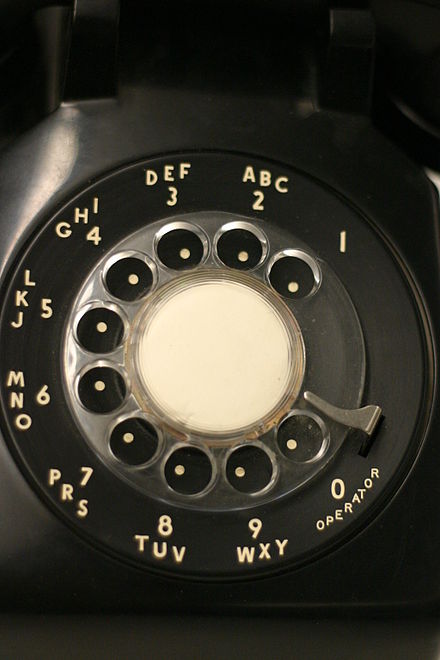
The development and introduction of push-button phones marked a significant technological advancement in telecommunication and streamlined the way people interacted with their telephones. Before the advent of push-button telephony, the rotary dial phone was the standard. The rotary dial mechanism required users to insert a finger into a numbered hole and rotate the dial to a fixed stop position for each digit they wished to dial, which was time-consuming and mechanically demanding.
Historical Context and Invention:
In 1963, Bell Telephone Laboratories revolutionized telecommunication by creating the first electronic push-button system with touch-tone dialing. The system was introduced commercially to residents of Carnegie and Greensburg, Pennsylvania, just outside of Pittsburgh. This system significantly simplified and expedited the process of making a telephone call.
Advantages Over Rotary Dial Telephones:
- Speed: Push-button phones allowed users to dial phone numbers more quickly than the rotary system. Instead of waiting for the dial to return to its resting position after each number, users could simply press each button in succession.
- Ease of Use: The buttons of a push-button phone were more user-friendly, requiring less physical effort and coordination compared to the rotary dial.
- Improved Reliability: The electronic nature of push-button dialing reduced mechanical wear and tear, leading to increased phone reliability and longevity.
- Compatibility with Modern Systems: The touch-tone system used by push-button phones made it easier to interact with automated systems, which began to appear in greater numbers. This facilitated the evolution of telecommunication services, such as voice menus and automated customer service.
How Touch-Tone Dialing Works:
The system used in these early push-button phones is known as Dual-Tone Multi-Frequency (DTMF) signaling. Each button pressed on the keypad generates two simultaneous tones of different frequencies. These tones are unique to each digit and are then transmitted over the phone line to the central office, which decodes them into the corresponding phone number.
The precise tones allowed for more reliable and quicker connections compared to the signaling method used by rotary phones, which relied on the physical interruption of an electrical circuit to generate pulses corresponding to each digit.
Impact on Telecommunication:
The introduction of push-button phones with touch-tone dialing marked the beginning of a new era in telecommunication. It paved the way for further innovations, including features such as redial, speed dial, and the integration of additional services like voicemail and call forwarding. The technology also set the stage for the eventual development of mobile telephones and touchscreen devices, which incorporate variations of the same foundational technology.
The transition from rotary dial to push-button phones was a significant milestone in the telecommunications industry. It not only improved the efficiency and user experience of telephony but also laid the groundwork for future technological advancements in communication. The first installation of these phones in Carnegie and Greensburg, Pennsylvania, on this day in 1963, represents the genesis of modern telecommunication systems that continue to evolve to this day.
#Hindi
पुश-बटन फोन: टेलीफोन क्रांति की शुरुआत
शुरुआती दौर: जब रोटरी डायल का दौर था
पुश-बटन फोन आने से पहले लोग रोटरी डायल फोन का इस्तेमाल करते थे। इसमें नंबर डायल करने के लिए घड़ी की सुई की तरह घूमने वाले डायल में उंगली डालकर उसे घुमाना पड़ता था। यह तरीका धीमा और मुश्किल था क्योंकि हर नंबर के बाद डायल को वापस आने में समय लगता था।
पुश-बटन फोन का आविष्कार
1963 में बेल टेलीफोन प्रयोगशालाओं ने पहली बार पुश-बटन फोन पेश किया, जिसमें टच-टोन डायलिंग थी। इसे सबसे पहले कार्नेगी और ग्रीन्सबर्ग (पेनसिल्वेनिया, अमेरिका) में लॉन्च किया गया। इस नई तकनीक ने टेलीफोन कॉलिंग को तेज़ और आसान बना दिया।
पुश-बटन फोन के फायदे
✅ तेज़ डायलिंग: अब किसी भी नंबर को रोटरी डायल की तुलना में जल्दी डायल किया जा सकता था।
✅ उपयोग में आसान: बटन दबाने की प्रक्रिया आसान थी और इसमें कम शारीरिक मेहनत लगती थी।
✅ बेहतर विश्वसनीयता: इसमें कम यांत्रिक हिस्से थे, जिससे फोन ज्यादा टिकाऊ बना।
✅ आधुनिक तकनीक से जुड़ाव: स्वचालित सेवाओं जैसे वॉयस मेनू, कस्टमर सर्विस और कॉल फॉरवर्डिंग जैसी सुविधाएं इसी तकनीक पर आधारित थीं।
टच-टोन डायलिंग कैसे काम करती थी?
पुश-बटन फोन में डुअल-टोन मल्टी-फ्रीक्वेंसी (DTMF) सिग्नलिंग का उपयोग होता था।
🔹 जब कोई बटन दबाया जाता, तो दो अलग-अलग ध्वनि तरंगें उत्पन्न होती थीं।
🔹 ये तरंगें टेलीफोन नेटवर्क तक पहुँचतीं और संबंधित नंबर की पहचान होती।
🔹 इससे कॉल कनेक्ट करने की प्रक्रिया तेज़ और सटीक हो गई।
टेलीफोन तकनीक में नया दौर
📞 पुश-बटन फोन ने आगे चलकर स्पीड डायल, रेडायल, वॉयसमेल और कॉल फॉरवर्डिंग जैसी नई सेवाओं की नींव रखी।
📱 आज के स्मार्टफोन भी इसी तकनीक का विकसित रूप हैं, जहाँ टचस्क्रीन के माध्यम से नंबर डायल किए जाते हैं।
पुश-बटन फोन का आविष्कार टेलीफोन जगत में एक क्रांतिकारी बदलाव था। इससे संवाद करने का तरीका तेज़, सरल और अधिक प्रभावी हो गया। यह तकनीक आगे चलकर मोबाइल फोन और डिजिटल कम्युनिकेशन के विकास की बुनियाद बनी।


 NehaScope
The development and introduction of push-button phones marked a significant technological advancement in telecommunication and streamlined the way people interacted with their telephones. Before the advent of push-button telephony, the rotary dial phone was the standard. The rotary dial mechanism required users to insert a finger into a numbered hole and rotate the dial to a fixed stop position for each digit they wished to dial, which was time-consuming and mechanically demanding.
Historical Context and Invention:
In 1963, Bell Telephone Laboratories revolutionized telecommunication by creating the first electronic push-button system with touch-tone dialing. The system was introduced commercially to residents of Carnegie and Greensburg, Pennsylvania, just outside of Pittsburgh. This system significantly simplified and expedited the process of making a telephone call.
Advantages Over Rotary Dial Telephones:
How Touch-Tone Dialing Works:
The system used in these early push-button phones is known as Dual-Tone Multi-Frequency (DTMF) signaling. Each button pressed on the keypad generates two simultaneous tones of different frequencies. These tones are unique to each digit and are then transmitted over the phone line to the central office, which decodes them into the corresponding phone number.
The precise tones allowed for more reliable and quicker connections compared to the signaling method used by rotary phones, which relied on the physical interruption of an electrical circuit to generate pulses corresponding to each digit.
Impact on Telecommunication:
The introduction of push-button phones with touch-tone dialing marked the beginning of a new era in telecommunication. It paved the way for further innovations, including features such as redial, speed dial, and the integration of additional services like voicemail and call forwarding. The technology also set the stage for the eventual development of mobile telephones and touchscreen devices, which incorporate variations of the same foundational technology.
The transition from rotary dial to push-button phones was a significant milestone in the telecommunications industry. It not only improved the efficiency and user experience of telephony but also laid the groundwork for future technological advancements in communication. The first installation of these phones in Carnegie and Greensburg, Pennsylvania, on this day in 1963, represents the genesis of modern telecommunication systems that continue to evolve to this day.
#Hindi
पुश-बटन फोन: टेलीफोन क्रांति की शुरुआत
शुरुआती दौर: जब रोटरी डायल का दौर था
पुश-बटन फोन आने से पहले लोग रोटरी डायल फोन का इस्तेमाल करते थे। इसमें नंबर डायल करने के लिए घड़ी की सुई की तरह घूमने वाले डायल में उंगली डालकर उसे घुमाना पड़ता था। यह तरीका धीमा और मुश्किल था क्योंकि हर नंबर के बाद डायल को वापस आने में समय लगता था।
पुश-बटन फोन का आविष्कार
1963 में बेल टेलीफोन प्रयोगशालाओं ने पहली बार पुश-बटन फोन पेश किया, जिसमें टच-टोन डायलिंग थी। इसे सबसे पहले कार्नेगी और ग्रीन्सबर्ग (पेनसिल्वेनिया, अमेरिका) में लॉन्च किया गया। इस नई तकनीक ने टेलीफोन कॉलिंग को तेज़ और आसान बना दिया।
पुश-बटन फोन के फायदे
✅ तेज़ डायलिंग: अब किसी भी नंबर को रोटरी डायल की तुलना में जल्दी डायल किया जा सकता था।
✅ उपयोग में आसान: बटन दबाने की प्रक्रिया आसान थी और इसमें कम शारीरिक मेहनत लगती थी।
✅ बेहतर विश्वसनीयता: इसमें कम यांत्रिक हिस्से थे, जिससे फोन ज्यादा टिकाऊ बना।
✅ आधुनिक तकनीक से जुड़ाव: स्वचालित सेवाओं जैसे वॉयस मेनू, कस्टमर सर्विस और कॉल फॉरवर्डिंग जैसी सुविधाएं इसी तकनीक पर आधारित थीं।
टच-टोन डायलिंग कैसे काम करती थी?
पुश-बटन फोन में डुअल-टोन मल्टी-फ्रीक्वेंसी (DTMF) सिग्नलिंग का उपयोग होता था।
🔹 जब कोई बटन दबाया जाता, तो दो अलग-अलग ध्वनि तरंगें उत्पन्न होती थीं।
🔹 ये तरंगें टेलीफोन नेटवर्क तक पहुँचतीं और संबंधित नंबर की पहचान होती।
🔹 इससे कॉल कनेक्ट करने की प्रक्रिया तेज़ और सटीक हो गई।
टेलीफोन तकनीक में नया दौर
📞 पुश-बटन फोन ने आगे चलकर स्पीड डायल, रेडायल, वॉयसमेल और कॉल फॉरवर्डिंग जैसी नई सेवाओं की नींव रखी।
📱 आज के स्मार्टफोन भी इसी तकनीक का विकसित रूप हैं, जहाँ टचस्क्रीन के माध्यम से नंबर डायल किए जाते हैं।
पुश-बटन फोन का आविष्कार टेलीफोन जगत में एक क्रांतिकारी बदलाव था। इससे संवाद करने का तरीका तेज़, सरल और अधिक प्रभावी हो गया। यह तकनीक आगे चलकर मोबाइल फोन और डिजिटल कम्युनिकेशन के विकास की बुनियाद बनी।
Share this: