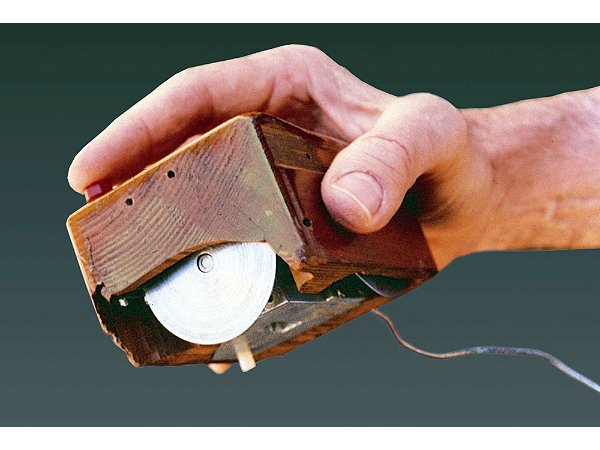
On this day in 1970, a revolutionary advancement in computer technology was officially recognized with the granting of a patent for the “X-Y Position Indicator for a Display System,” an invention more commonly known today as the computer mouse. The patent was awarded to American engineer Douglas Engelbart, whose innovative device would forever change the way humans interact with computers.
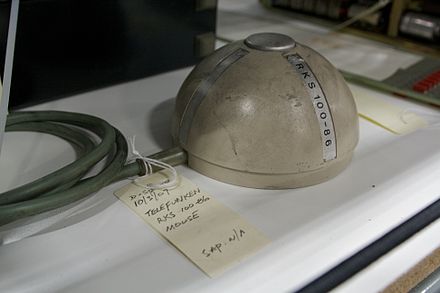
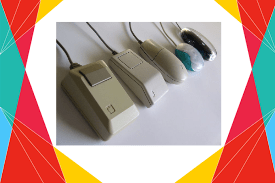
Douglas Engelbart conceived the idea of the mouse during his work at the Stanford Research Institute in California. The initial prototype of the device was constructed in 1964, representing one of the earliest attempts to develop a more intuitive and efficient means of navigating a computer interface. Engelbart’s inspiration for the name “mouse” was drawn from the device’s appearance—its rounded, palm-sized top looked akin to a mouse’s body, and the cord extending from its back resembled a tail. Although modern iterations of the mouse are often wireless, the name has endured.
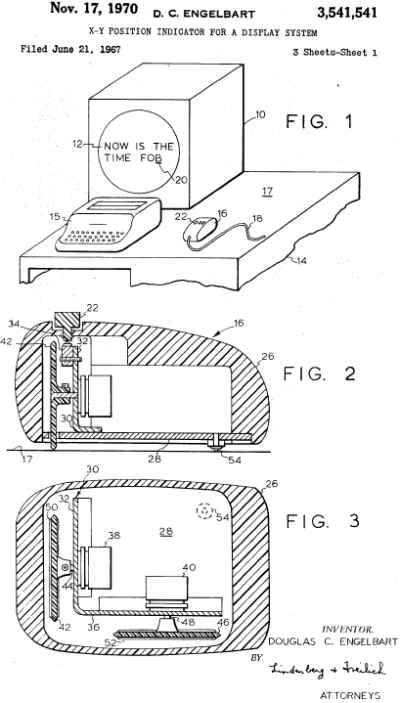
Despite its invention in the mid-1960s, the mouse did not receive public demonstration until 1968. This demonstration took place during Engelbart’s “Mother of All Demos,” a landmark presentation in which he showcased various computer technologies, including interactive computing and hypertext. It wasn’t until 1981 that the mouse was incorporated into a commercial computer system, marking the start of its journey into mainstream use.
The mainstream breakthrough for the mouse came with the advent of personal computing. Apple’s introduction of the Lisa computer in 1983 was a pivotal moment, as it was the first personal computer to include a mouse as part of its design. However, it was the release of the Apple Macintosh in 1984 that truly propelled the mouse into widespread popularity. The Macintosh, with its graphical user interface (GUI), made the mouse an essential tool for navigating the system, further solidifying its place in computing history.
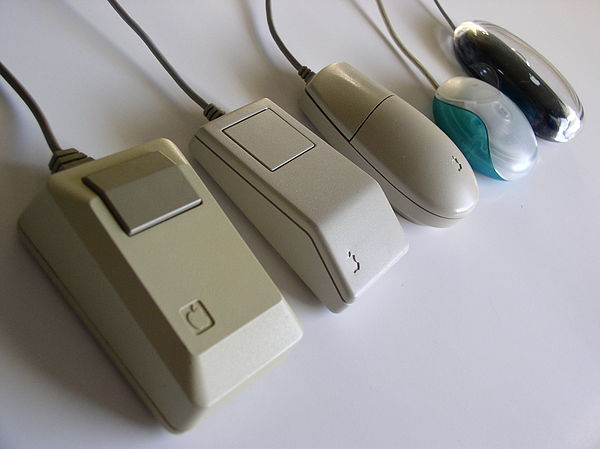
From its early days as a novel invention to its status as a ubiquitous input device, the mouse has played a crucial role in making computers more accessible and user-friendly for millions of people around the world. Engelbart’s vision of enhancing human-computer interaction laid the groundwork for future technological innovations, enabling users to perform tasks with ease and precision. Engelbart’s invention underscores a pivotal shift in the relationship between people and technology, emphasizing the power and potential of intuitive design in revolutionizing the digital landscape.
#Hindi
इस दिन 1970 में, कंप्यूटर प्रौद्योगिकी में एक क्रांतिकारी प्रगति को आधिकारिक रूप से मान्यता प्राप्त हुई जब “एक्स-वाई पोज़िशन इंडिकेटर फॉर ए डिस्प्ले सिस्टम” के लिए पेटेंट प्रदान किया गया, जिसे आज हम कंप्यूटर माउस के रूप में जानते हैं। यह पेटेंट अमेरिकी इंजीनियर डगलस एंगलबार्ट को दिया गया, जिनके इस नवाचारी उपकरण ने हमेशा के लिए कंप्यूटर के साथ मानवों की बातचीत के तरीके को बदल दिया।
डगलस एंगलबार्ट ने माउस का विचार कैलिफोर्निया के स्टैनफोर्ड रिसर्च इंस्टीट्यूट में अपने काम के दौरान प्रस्तुत किया। इस उपकरण के प्रारंभिक प्रोटोटाइप का निर्माण 1964 में किया गया, जो कंप्यूटर इंटरफ़ेस के माध्यम से अधिक सहज और कुशल तरीके से नेविगेट करने के शुरुआती प्रयासों में से एक था। एंगलबार्ट का नाम “माउस” रखने की प्रेरणा इसके आकार से आई—इसका गोल और हथेली के आकार का शीर्ष माउस के शरीर के समान दिखता था, और इसके पीछे से निकलने वाली तार पूंछ के समान दिखाई देती थी। हालांकि आधुनिक माउस अक्सर वायरलेस होते हैं, लेकिन यह नाम आज भी प्रचलित है।
1960 के दशक के मध्य में आविष्कार होने के बावजूद, माउस को 1968 तक सार्वजनिक प्रदर्शन नहीं मिला। यह प्रदर्शन एंगलबार्ट के “मदर ऑफ ऑल डेमोस” के दौरान हुआ, एक ऐतिहासिक प्रस्तुति जिसमें उन्होंने विभिन्न कंप्यूटर प्रौद्योगिकियों का प्रदर्शन किया, जिसमें इंटरैक्टिव कंप्यूटिंग और हाइपरटेक्स्ट शामिल थे। 1981 तक माउस को व्यावसायिक कंप्यूटर सिस्टम में शामिल नहीं किया गया था, जो इसके मुख्यधारा में प्रवेश की शुरुआत का संकेत था।
माउस के लिए मुख्यधारा की सफलता व्यक्तिगत कंप्यूटिंग के आगमन के साथ आई। 1983 में एप्पल के लिसा कंप्यूटर का परिचय एक महत्वपूर्ण क्षण था क्योंकि यह माउस को डिजाइन के हिस्से के रूप में शामिल करने वाला पहला व्यक्तिगत कंप्यूटर था। हालांकि, 1984 में एप्पल मैकिन्टौश की रिलीज़ ने वास्तव में माउस को व्यापक लोकप्रियता में लाने में मदद की। मैकिन्टौश, अपने ग्राफिकल यूज़र इंटरफ़ेस (GUI) के साथ, सिस्टम नेविगेशन के लिए माउस का एक आवश्यक उपकरण बना, जिसने कंप्यूटिंग इतिहास में इसकी जगह को और मजबूत कर दिया।
शुरुआती दिनों में एक नवीन आविष्कार के रूप में माउस से लेकर सर्वव्यापी इनपुट डिवाइस के रूप में इसकी स्थिति तक, माउस ने दुनिया भर में लाखों लोगों के लिए कंप्यूटर को अधिक सुलभ और उपयोगकर्ता के अनुकूल बनाने में महत्वपूर्ण भूमिका निभाई है। मानव-कंप्यूटर इंटरैक्शन को बढ़ाने की एंगलबार्ट की दृष्टि ने भविष्य की तकनीकी नवाचारों की नींव रखी, जिससे उपयोगकर्ताओं को सरलता और सटीकता के साथ कार्य करने में सक्षम बनाया। एंगलबार्ट के आविष्कार ने लोगों और प्रौद्योगिकी के बीच संबंध में एक महत्वपूर्ण बदलाव को उजागर किया, डिजिटल परिदृश्य में क्रांतिकारी बदलाव लाने में सहज डिजाइन की शक्ति और संभावनाओं पर बल दिया।

 NehaScope
On this day in 1970, a revolutionary advancement in computer technology was officially recognized with the granting of a patent for the “X-Y Position Indicator for a Display System,” an invention more commonly known today as the computer mouse. The patent was awarded to American engineer Douglas Engelbart, whose innovative device would forever change the way humans interact with computers.
Douglas Engelbart conceived the idea of the mouse during his work at the Stanford Research Institute in California. The initial prototype of the device was constructed in 1964, representing one of the earliest attempts to develop a more intuitive and efficient means of navigating a computer interface. Engelbart’s inspiration for the name “mouse” was drawn from the device’s appearance—its rounded, palm-sized top looked akin to a mouse’s body, and the cord extending from its back resembled a tail. Although modern iterations of the mouse are often wireless, the name has endured.
Despite its invention in the mid-1960s, the mouse did not receive public demonstration until 1968. This demonstration took place during Engelbart’s “Mother of All Demos,” a landmark presentation in which he showcased various computer technologies, including interactive computing and hypertext. It wasn’t until 1981 that the mouse was incorporated into a commercial computer system, marking the start of its journey into mainstream use.
The mainstream breakthrough for the mouse came with the advent of personal computing. Apple’s introduction of the Lisa computer in 1983 was a pivotal moment, as it was the first personal computer to include a mouse as part of its design. However, it was the release of the Apple Macintosh in 1984 that truly propelled the mouse into widespread popularity. The Macintosh, with its graphical user interface (GUI), made the mouse an essential tool for navigating the system, further solidifying its place in computing history.
From its early days as a novel invention to its status as a ubiquitous input device, the mouse has played a crucial role in making computers more accessible and user-friendly for millions of people around the world. Engelbart’s vision of enhancing human-computer interaction laid the groundwork for future technological innovations, enabling users to perform tasks with ease and precision. Engelbart’s invention underscores a pivotal shift in the relationship between people and technology, emphasizing the power and potential of intuitive design in revolutionizing the digital landscape.
#Hindi
इस दिन 1970 में, कंप्यूटर प्रौद्योगिकी में एक क्रांतिकारी प्रगति को आधिकारिक रूप से मान्यता प्राप्त हुई जब “एक्स-वाई पोज़िशन इंडिकेटर फॉर ए डिस्प्ले सिस्टम” के लिए पेटेंट प्रदान किया गया, जिसे आज हम कंप्यूटर माउस के रूप में जानते हैं। यह पेटेंट अमेरिकी इंजीनियर डगलस एंगलबार्ट को दिया गया, जिनके इस नवाचारी उपकरण ने हमेशा के लिए कंप्यूटर के साथ मानवों की बातचीत के तरीके को बदल दिया।
डगलस एंगलबार्ट ने माउस का विचार कैलिफोर्निया के स्टैनफोर्ड रिसर्च इंस्टीट्यूट में अपने काम के दौरान प्रस्तुत किया। इस उपकरण के प्रारंभिक प्रोटोटाइप का निर्माण 1964 में किया गया, जो कंप्यूटर इंटरफ़ेस के माध्यम से अधिक सहज और कुशल तरीके से नेविगेट करने के शुरुआती प्रयासों में से एक था। एंगलबार्ट का नाम “माउस” रखने की प्रेरणा इसके आकार से आई—इसका गोल और हथेली के आकार का शीर्ष माउस के शरीर के समान दिखता था, और इसके पीछे से निकलने वाली तार पूंछ के समान दिखाई देती थी। हालांकि आधुनिक माउस अक्सर वायरलेस होते हैं, लेकिन यह नाम आज भी प्रचलित है।
1960 के दशक के मध्य में आविष्कार होने के बावजूद, माउस को 1968 तक सार्वजनिक प्रदर्शन नहीं मिला। यह प्रदर्शन एंगलबार्ट के “मदर ऑफ ऑल डेमोस” के दौरान हुआ, एक ऐतिहासिक प्रस्तुति जिसमें उन्होंने विभिन्न कंप्यूटर प्रौद्योगिकियों का प्रदर्शन किया, जिसमें इंटरैक्टिव कंप्यूटिंग और हाइपरटेक्स्ट शामिल थे। 1981 तक माउस को व्यावसायिक कंप्यूटर सिस्टम में शामिल नहीं किया गया था, जो इसके मुख्यधारा में प्रवेश की शुरुआत का संकेत था।
माउस के लिए मुख्यधारा की सफलता व्यक्तिगत कंप्यूटिंग के आगमन के साथ आई। 1983 में एप्पल के लिसा कंप्यूटर का परिचय एक महत्वपूर्ण क्षण था क्योंकि यह माउस को डिजाइन के हिस्से के रूप में शामिल करने वाला पहला व्यक्तिगत कंप्यूटर था। हालांकि, 1984 में एप्पल मैकिन्टौश की रिलीज़ ने वास्तव में माउस को व्यापक लोकप्रियता में लाने में मदद की। मैकिन्टौश, अपने ग्राफिकल यूज़र इंटरफ़ेस (GUI) के साथ, सिस्टम नेविगेशन के लिए माउस का एक आवश्यक उपकरण बना, जिसने कंप्यूटिंग इतिहास में इसकी जगह को और मजबूत कर दिया।
शुरुआती दिनों में एक नवीन आविष्कार के रूप में माउस से लेकर सर्वव्यापी इनपुट डिवाइस के रूप में इसकी स्थिति तक, माउस ने दुनिया भर में लाखों लोगों के लिए कंप्यूटर को अधिक सुलभ और उपयोगकर्ता के अनुकूल बनाने में महत्वपूर्ण भूमिका निभाई है। मानव-कंप्यूटर इंटरैक्शन को बढ़ाने की एंगलबार्ट की दृष्टि ने भविष्य की तकनीकी नवाचारों की नींव रखी, जिससे उपयोगकर्ताओं को सरलता और सटीकता के साथ कार्य करने में सक्षम बनाया। एंगलबार्ट के आविष्कार ने लोगों और प्रौद्योगिकी के बीच संबंध में एक महत्वपूर्ण बदलाव को उजागर किया, डिजिटल परिदृश्य में क्रांतिकारी बदलाव लाने में सहज डिजाइन की शक्ति और संभावनाओं पर बल दिया।
Share this: