On November 15, 2000, a significant event in the political landscape of India occurred: the state of Jharkhand was officially carved out of the southern part of Bihar. This reorganization was executed under the Bihar Reorganization Act of 2000, which played an instrumental role in the process. The creation of Jharkhand was driven by longstanding demands from various tribal communities who sought greater autonomy and recognition of their cultural and political identities. The movement for the creation of Jharkhand had roots stretching back many decades, involving numerous protests, political campaigns, and advocacy by various activists and groups.


The Role of Bihar Reorganization Act:
The Bihar Reorganization Act of 2000 was the legislative framework that facilitated the bifurcation of Bihar into two separate states. The Act delineated the territorial boundaries of the new state of Jharkhand, transferring jurisdiction over 18 districts from Bihar to the newly formed state. This division was based on a plethora of factors, including linguistic, ethnic, and economic considerations, alongside the pressing demands for development and administrative efficiency.

Rich Mineral Resources:
Jharkhand is renowned for its vast and varied mineral resources, which have significantly contributed to its economy and development. The state’s mineral wealth includes:
- Uranium: Jharkhand is home to significant uranium deposits, crucial for India’s nuclear energy sector.
- Mica: Known for its insulating properties, mica extracted from Jharkhand is vital for various industrial applications.
- Bauxite: This ore is essential for aluminum production, and Jharkhand’s bauxite reserves are a cornerstone for India’s aluminum industry.
- Granite, Gold, and Silver: The state is also known for its deposits of precious metals and stones.
- Graphite: An important resource for the production of batteries and other industrial products.
- Magnetite, Dolomite, Fireclay, Quartz, and Feldspar: These minerals have diverse uses in construction, manufacturing, and ceramics.
- Coal (32% of India’s reserves): Coal mining is a major industry in Jharkhand, with the state contributing a significant portion of India’s coal output.
- Iron and Copper (25% of India’s copper): These metals are crucial for the steel industry and other industrial processes.
The abundance of these resources underlines Jharkhand’s nickname as the “land of forests and minerals,” reflecting its geologically rich and diverse environment.
Forests and Woodlands:
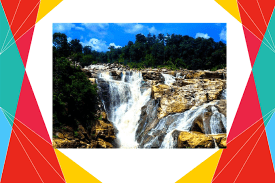
Forests and woodlands are vital components of Jharkhand’s natural landscape, covering more than 29% of the state’s territory. This makes Jharkhand one of the most densely forested regions in India. The state’s forests play a crucial role in maintaining ecological balance, supporting biodiversity, and providing livelihoods for many of its indigenous communities. The flora and fauna in these forests are diverse and include several species of trees, plants, animals, and birds, some of which are endemic to the region.
The forest cover supports various ecological functions, including climate regulation, water cycle maintenance, and soil conservation. Moreover, these forests are central to the cultural and spiritual lives of Jharkhand’s tribal people, who depend on them for food, medicine, and sustenance.
Overall, the establishment of Jharkhand marked a new chapter in addressing regional aspirations for self-governance and development, leveraging its rich natural resources, and preserving its unique cultural and ecological heritage. Today, Jharkhand continues to play a crucial role in India’s mineral production, while also striving to balance economic development with ecological and social sustainability.
#Hindi
सन 2000 में आज झारखण्ड राज्य बना था। भारत के 28वें राज्य के रूप में झारखंड का जन्म बिहार पुनर्गठन अधिनियम के तहत हुआ था। झारखंड शब्द का मतलब है land of forests यानी जंगलों की दुनिया। इसके अलावा झारखंड में खनिज पदार्थ की भरमार है।

 NehaScope
On November 15, 2000, a significant event in the political landscape of India occurred: the state of Jharkhand was officially carved out of the southern part of Bihar. This reorganization was executed under the Bihar Reorganization Act of 2000, which played an instrumental role in the process. The creation of Jharkhand was driven by longstanding demands from various tribal communities who sought greater autonomy and recognition of their cultural and political identities. The movement for the creation of Jharkhand had roots stretching back many decades, involving numerous protests, political campaigns, and advocacy by various activists and groups.
The Role of Bihar Reorganization Act:
The Bihar Reorganization Act of 2000 was the legislative framework that facilitated the bifurcation of Bihar into two separate states. The Act delineated the territorial boundaries of the new state of Jharkhand, transferring jurisdiction over 18 districts from Bihar to the newly formed state. This division was based on a plethora of factors, including linguistic, ethnic, and economic considerations, alongside the pressing demands for development and administrative efficiency.
Rich Mineral Resources:
Jharkhand is renowned for its vast and varied mineral resources, which have significantly contributed to its economy and development. The state’s mineral wealth includes:
The abundance of these resources underlines Jharkhand’s nickname as the “land of forests and minerals,” reflecting its geologically rich and diverse environment.
Forests and Woodlands:
Forests and woodlands are vital components of Jharkhand’s natural landscape, covering more than 29% of the state’s territory. This makes Jharkhand one of the most densely forested regions in India. The state’s forests play a crucial role in maintaining ecological balance, supporting biodiversity, and providing livelihoods for many of its indigenous communities. The flora and fauna in these forests are diverse and include several species of trees, plants, animals, and birds, some of which are endemic to the region.
The forest cover supports various ecological functions, including climate regulation, water cycle maintenance, and soil conservation. Moreover, these forests are central to the cultural and spiritual lives of Jharkhand’s tribal people, who depend on them for food, medicine, and sustenance.
Overall, the establishment of Jharkhand marked a new chapter in addressing regional aspirations for self-governance and development, leveraging its rich natural resources, and preserving its unique cultural and ecological heritage. Today, Jharkhand continues to play a crucial role in India’s mineral production, while also striving to balance economic development with ecological and social sustainability.
#Hindi
सन 2000 में आज झारखण्ड राज्य बना था। भारत के 28वें राज्य के रूप में झारखंड का जन्म बिहार पुनर्गठन अधिनियम के तहत हुआ था। झारखंड शब्द का मतलब है land of forests यानी जंगलों की दुनिया। इसके अलावा झारखंड में खनिज पदार्थ की भरमार है।
Share this: