“Father of the Indian nuclear programme” – Homi Jehangir Bhabha was born today in 1909.
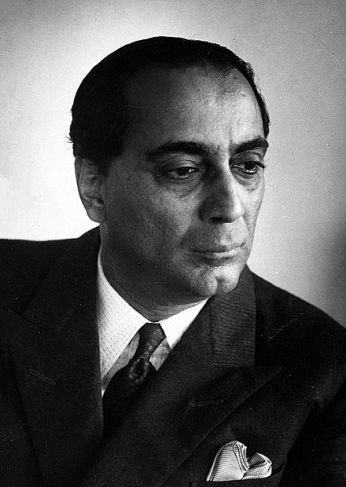
Homi Jehangir Bhabha, often revered as the “Father of the Indian nuclear programme,” was born on October 30, 1909, in Mumbai, India. His life and work left an indelible mark not just on India’s scientific community, but also on the nation’s trajectory towards becoming a modern state with a strong emphasis on scientific research and development.
Early Life and Education
Bhabha hailed from a prominent Parsi family with a rich tradition of education and public service. He was a brilliant student and exhibited a profound aptitude for science and mathematics from a young age. His academic journey led him to the University of Cambridge in England, where he obtained his doctorate in nuclear physics. This period was a formative one, exposing him to the cutting-edge research of the time and allowing him to work alongside some of the world’s most prominent physicists.
Passion for Art and Culture
Despite his scientific inclinations, Bhabha had a deep appreciation for the arts. He was an accomplished painter, revealing his creative side through vivid canvases. His love for classical music and opera was well-known, and he often expressed that the arts were as crucial to human understanding as the sciences. This dual affinity for art and science shaped his holistic worldview and influenced his approach to scientific inquiry and education.
Pioneering Nuclear Research in India
Upon his return to India, Bhabha embarked on a mission to foster scientific research in the country. He recognized the potential of nuclear energy and its transformative power. His vision was not just about energy generation; he saw nuclear science as a means to advance various fields such as agriculture, medicine, and industry, ultimately aimed at alleviating poverty in India.
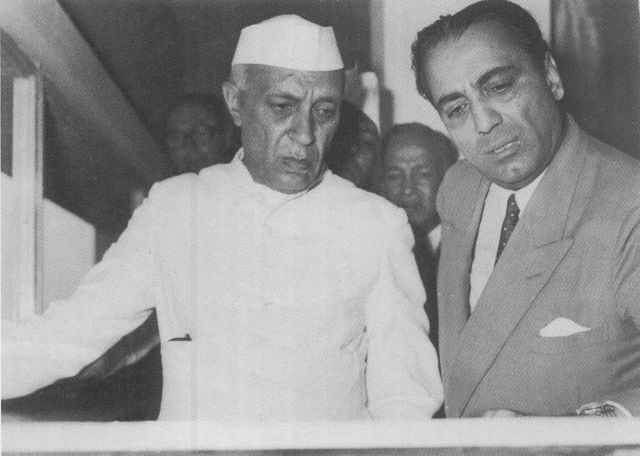
His meeting with then Prime Minister Jawaharlal Nehru was a pivotal moment. Bhabha was able to convince Nehru of the importance of establishing a nuclear programme, framing it as essential for national development and security. This led to the creation of India’s nuclear research establishments.
Leadership and Institutional Contributions
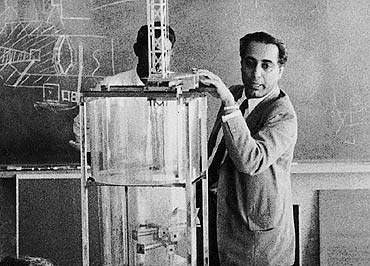
Bhabha was instrumental in founding the Tata Institute of Fundamental Research (TIFR) in 1945, which he envisioned as a hub for advanced scientific research. As the director, he attracted first-rate talent and established TIFR as a center of excellence.
In 1954, Bhabha became the chairperson of India’s Atomic Energy Commission, further cementing his leadership role in the nation’s nuclear endeavors. His foresight and strategic planning laid the groundwork for the Bhabha Atomic Research Centre (BARC), one of the premier nuclear research facilities in the world.
Advocacy for Peaceful Use of Atomic Energy
Bhabha was a staunch advocate for the peaceful usage of nuclear energy. He envisioned atomic energy as a tool for societal development rather than destruction and was vocal about outlawing nuclear weapons globally. His leadership was recognized internationally when he served as the first chairman of the United Nations Conference on the Peaceful Uses of Atomic Energy in 1955. This platform allowed him to champion the cause of using nuclear power for the betterment of humanity.
Legacy
Homi Bhabha’s tragic death in an air crash in 1966 cut short a life devoted to advancing science in service of humanity. However, his legacy endures through the institutions he founded and the policies he shaped. His vision and dedication continue to inspire countless scientists and researchers in India and across the world. Bhabha’s contributions laid a robust foundation for India’s scientific and nuclear programs, fostering an environment where scientific inquiry can thrive and contribute to national and global progress.
#Hindi
होमी जहांगीर भाभा, जिन्हें अक्सर “भारतीय परमाणु कार्यक्रम के जनक” के रूप में जाना जाता है, का जन्म 30 अक्टूबर, 1909 को मुंबई, भारत में हुआ था। उनका जीवन और कार्य न केवल भारत की वैज्ञानिक समुदाय पर बल्कि राष्ट्र के आधुनिक राज्य बनने की दिशा में भी एक गहरी छाप छोड़ गए।
प्रारंभिक जीवन और शिक्षा
भाभा एक प्रमुख पारसी परिवार से थे, जिसका शिक्षा और सार्वजनिक सेवा में समृद्ध परंपरा था। वे एक मेधावी छात्र थे और बचपन से ही विज्ञान और गणित में गहरी रुचि रखते थे। उनकी शैक्षिक यात्रा उन्हें इंग्लैंड के कैम्ब्रिज विश्वविद्यालय ले गई, जहाँ उन्होंने परमाणु भौतिकी में डॉक्टरेट प्राप्त किया। यह समय उनके लिए बहुत महत्वपूर्ण था, जो उन्हें उस समय के अग्रणी अनुसंधान से परिचित करवा रहा था और उन्हें विश्व के प्रमुख भौतिकविदों के साथ काम करने का अवसर मिला।
कला और संस्कृति के प्रति जुनून
वैज्ञानिक प्रवृत्तियों के बावजूद, भाभा कला के प्रति गहरा लगाव रखते थे। वे एक कुशल चित्रकार थे और अपनी रचनात्मकता को जीवंत चित्रों के माध्यम से व्यक्त करते थे। उनका शास्त्रीय संगीत और ओपेरा के प्रति प्रेम प्रसिद्ध था, और वे अक्सर कहते थे कि मानव समझ के लिए कला विज्ञान जितनी ही महत्वपूर्ण है। उनका कला और विज्ञान के प्रति यह द्वैत प्रेम उनके समग्र विश्व दृष्टिकोण को आकार देता था और उनके वैज्ञानिक जांच और शिक्षा के दृष्टिकोण को प्रभावित करता था।
भारत में परमाणु अनुसंधान को आगे बढ़ाना
भारत लौटने के बाद, भाभा ने देश में वैज्ञानिक अनुसंधान को बढ़ावा देने का मिशन शुरू किया। उन्होंने परमाणु ऊर्जा की क्षमता और इसकी परिवर्तनकारी शक्ति को पहचाना। उनका दृष्टिकोण केवल ऊर्जा उत्पादन तक सीमित नहीं था; उन्होंने परमाणु विज्ञान को कृषि, चिकित्सा, और उद्योग जैसे विभिन्न क्षेत्रों में प्रगति का साधन माना, जिसका अंतिम उद्देश्य भारत में गरीबी को कम करना था।
नेतृत्व और संस्थागत योगदान
भाभा ने 1945 में टाटा मूलभूत अनुसंधान संस्थान (TIFR) की स्थापना में महत्वपूर्ण भूमिका निभाई। उन्होंने इसे उन्नत वैज्ञानिक अनुसंधान के केंद्र के रूप में देखा। निदेशक के रूप में, उन्होंने उत्कृष्ट प्रतिभाओं को आकर्षित किया और TIFR को उत्कृष्टता का केंद्र बनाया। 1954 में, भाभा भारत के परमाणु ऊर्जा आयोग के अध्यक्ष बने, जिससे देश के परमाणु प्रयासों में उनकी नेतृत्व भूमिका और मजबूत हुई।
परमाणु ऊर्जा के शांतिपूर्ण उपयोग की वकालत
भाभा परमाणु ऊर्जा के शांतिपूर्ण उपयोग के प्रबल समर्थक थे। उन्होंने परमाणु ऊर्जा को समाज के विकास के लिए एक उपकरण के रूप में देखा और वैश्विक स्तर पर परमाणु हथियारों पर प्रतिबंध लगाने के लिए आवाज उठाई। उनका नेतृत्व अंतरराष्ट्रीय स्तर पर तब मान्यता प्राप्त हुआ जब उन्होंने 1955 में परमाणु ऊर्जा के शांतिपूर्ण उपयोग पर संयुक्त राष्ट्र सम्मेलन के पहले अध्यक्ष के रूप में कार्य किया।
विरासत
1966 में एक विमान दुर्घटना में होमी भाभा की दुखद मृत्यु ने विज्ञान की सेवा में समर्पित एक जीवन को अचानक समाप्त कर दिया। हालांकि, उनके द्वारा स्थापित संस्थान और आकार दी गई नीतियां आज भी उनकी विरासत को जीवित रखती हैं। उनकी दृष्टि और समर्पण ने भारत और दुनिया भर के अनगिनत वैज्ञानिकों और शोधकर्ताओं को प्रेरित किया है। भाभा के योगदान ने भारत के वैज्ञानिक और परमाणु कार्यक्रमों के लिए एक मजबूत नींव रखी, एक ऐसा वातावरण तैयार किया जहां वैज्ञानिक अनुसंधान फल-फूल सके और राष्ट्रीय और वैश्विक प्रगति में योगदान दे सके।

 NehaScope
“Father of the Indian nuclear programme” – Homi Jehangir Bhabha was born today in 1909.
Homi Jehangir Bhabha, often revered as the “Father of the Indian nuclear programme,” was born on October 30, 1909, in Mumbai, India. His life and work left an indelible mark not just on India’s scientific community, but also on the nation’s trajectory towards becoming a modern state with a strong emphasis on scientific research and development.
Early Life and Education
Bhabha hailed from a prominent Parsi family with a rich tradition of education and public service. He was a brilliant student and exhibited a profound aptitude for science and mathematics from a young age. His academic journey led him to the University of Cambridge in England, where he obtained his doctorate in nuclear physics. This period was a formative one, exposing him to the cutting-edge research of the time and allowing him to work alongside some of the world’s most prominent physicists.
Passion for Art and Culture
Despite his scientific inclinations, Bhabha had a deep appreciation for the arts. He was an accomplished painter, revealing his creative side through vivid canvases. His love for classical music and opera was well-known, and he often expressed that the arts were as crucial to human understanding as the sciences. This dual affinity for art and science shaped his holistic worldview and influenced his approach to scientific inquiry and education.
Pioneering Nuclear Research in India
Upon his return to India, Bhabha embarked on a mission to foster scientific research in the country. He recognized the potential of nuclear energy and its transformative power. His vision was not just about energy generation; he saw nuclear science as a means to advance various fields such as agriculture, medicine, and industry, ultimately aimed at alleviating poverty in India.
His meeting with then Prime Minister Jawaharlal Nehru was a pivotal moment. Bhabha was able to convince Nehru of the importance of establishing a nuclear programme, framing it as essential for national development and security. This led to the creation of India’s nuclear research establishments.
Leadership and Institutional Contributions
Bhabha was instrumental in founding the Tata Institute of Fundamental Research (TIFR) in 1945, which he envisioned as a hub for advanced scientific research. As the director, he attracted first-rate talent and established TIFR as a center of excellence.
In 1954, Bhabha became the chairperson of India’s Atomic Energy Commission, further cementing his leadership role in the nation’s nuclear endeavors. His foresight and strategic planning laid the groundwork for the Bhabha Atomic Research Centre (BARC), one of the premier nuclear research facilities in the world.
Advocacy for Peaceful Use of Atomic Energy
Bhabha was a staunch advocate for the peaceful usage of nuclear energy. He envisioned atomic energy as a tool for societal development rather than destruction and was vocal about outlawing nuclear weapons globally. His leadership was recognized internationally when he served as the first chairman of the United Nations Conference on the Peaceful Uses of Atomic Energy in 1955. This platform allowed him to champion the cause of using nuclear power for the betterment of humanity.
Legacy
Homi Bhabha’s tragic death in an air crash in 1966 cut short a life devoted to advancing science in service of humanity. However, his legacy endures through the institutions he founded and the policies he shaped. His vision and dedication continue to inspire countless scientists and researchers in India and across the world. Bhabha’s contributions laid a robust foundation for India’s scientific and nuclear programs, fostering an environment where scientific inquiry can thrive and contribute to national and global progress.
#Hindi
होमी जहांगीर भाभा, जिन्हें अक्सर “भारतीय परमाणु कार्यक्रम के जनक” के रूप में जाना जाता है, का जन्म 30 अक्टूबर, 1909 को मुंबई, भारत में हुआ था। उनका जीवन और कार्य न केवल भारत की वैज्ञानिक समुदाय पर बल्कि राष्ट्र के आधुनिक राज्य बनने की दिशा में भी एक गहरी छाप छोड़ गए।
प्रारंभिक जीवन और शिक्षा
भाभा एक प्रमुख पारसी परिवार से थे, जिसका शिक्षा और सार्वजनिक सेवा में समृद्ध परंपरा था। वे एक मेधावी छात्र थे और बचपन से ही विज्ञान और गणित में गहरी रुचि रखते थे। उनकी शैक्षिक यात्रा उन्हें इंग्लैंड के कैम्ब्रिज विश्वविद्यालय ले गई, जहाँ उन्होंने परमाणु भौतिकी में डॉक्टरेट प्राप्त किया। यह समय उनके लिए बहुत महत्वपूर्ण था, जो उन्हें उस समय के अग्रणी अनुसंधान से परिचित करवा रहा था और उन्हें विश्व के प्रमुख भौतिकविदों के साथ काम करने का अवसर मिला।
कला और संस्कृति के प्रति जुनून
वैज्ञानिक प्रवृत्तियों के बावजूद, भाभा कला के प्रति गहरा लगाव रखते थे। वे एक कुशल चित्रकार थे और अपनी रचनात्मकता को जीवंत चित्रों के माध्यम से व्यक्त करते थे। उनका शास्त्रीय संगीत और ओपेरा के प्रति प्रेम प्रसिद्ध था, और वे अक्सर कहते थे कि मानव समझ के लिए कला विज्ञान जितनी ही महत्वपूर्ण है। उनका कला और विज्ञान के प्रति यह द्वैत प्रेम उनके समग्र विश्व दृष्टिकोण को आकार देता था और उनके वैज्ञानिक जांच और शिक्षा के दृष्टिकोण को प्रभावित करता था।
भारत में परमाणु अनुसंधान को आगे बढ़ाना
भारत लौटने के बाद, भाभा ने देश में वैज्ञानिक अनुसंधान को बढ़ावा देने का मिशन शुरू किया। उन्होंने परमाणु ऊर्जा की क्षमता और इसकी परिवर्तनकारी शक्ति को पहचाना। उनका दृष्टिकोण केवल ऊर्जा उत्पादन तक सीमित नहीं था; उन्होंने परमाणु विज्ञान को कृषि, चिकित्सा, और उद्योग जैसे विभिन्न क्षेत्रों में प्रगति का साधन माना, जिसका अंतिम उद्देश्य भारत में गरीबी को कम करना था।
नेतृत्व और संस्थागत योगदान
भाभा ने 1945 में टाटा मूलभूत अनुसंधान संस्थान (TIFR) की स्थापना में महत्वपूर्ण भूमिका निभाई। उन्होंने इसे उन्नत वैज्ञानिक अनुसंधान के केंद्र के रूप में देखा। निदेशक के रूप में, उन्होंने उत्कृष्ट प्रतिभाओं को आकर्षित किया और TIFR को उत्कृष्टता का केंद्र बनाया। 1954 में, भाभा भारत के परमाणु ऊर्जा आयोग के अध्यक्ष बने, जिससे देश के परमाणु प्रयासों में उनकी नेतृत्व भूमिका और मजबूत हुई।
परमाणु ऊर्जा के शांतिपूर्ण उपयोग की वकालत
भाभा परमाणु ऊर्जा के शांतिपूर्ण उपयोग के प्रबल समर्थक थे। उन्होंने परमाणु ऊर्जा को समाज के विकास के लिए एक उपकरण के रूप में देखा और वैश्विक स्तर पर परमाणु हथियारों पर प्रतिबंध लगाने के लिए आवाज उठाई। उनका नेतृत्व अंतरराष्ट्रीय स्तर पर तब मान्यता प्राप्त हुआ जब उन्होंने 1955 में परमाणु ऊर्जा के शांतिपूर्ण उपयोग पर संयुक्त राष्ट्र सम्मेलन के पहले अध्यक्ष के रूप में कार्य किया।
विरासत
1966 में एक विमान दुर्घटना में होमी भाभा की दुखद मृत्यु ने विज्ञान की सेवा में समर्पित एक जीवन को अचानक समाप्त कर दिया। हालांकि, उनके द्वारा स्थापित संस्थान और आकार दी गई नीतियां आज भी उनकी विरासत को जीवित रखती हैं। उनकी दृष्टि और समर्पण ने भारत और दुनिया भर के अनगिनत वैज्ञानिकों और शोधकर्ताओं को प्रेरित किया है। भाभा के योगदान ने भारत के वैज्ञानिक और परमाणु कार्यक्रमों के लिए एक मजबूत नींव रखी, एक ऐसा वातावरण तैयार किया जहां वैज्ञानिक अनुसंधान फल-फूल सके और राष्ट्रीय और वैश्विक प्रगति में योगदान दे सके।
Share this: