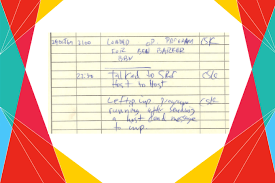
First ARPANET IMP log: the first message ever sent via the ARPANET, 10:30 pm, 29 October 1969.
On this day in 1969, a groundbreaking event in the world of technology and communication took place—the first successful message transmission over the Advanced Research Projects Agency Network (ARPANET). This event marked a pivotal moment in history, as ARPANET laid the groundwork for the development of the modern Internet, fundamentally transforming how information is shared and accessed globally.
ARPANET was initially funded by the United States Department of Defense, specifically by its research branch, the Advanced Research Projects Agency (ARPA), which is now known as the Defense Advanced Research Projects Agency (DARPA). The primary goal of ARPANET was to explore new technologies for a more robust, resilient communication network that could withstand potential disruptions, thereby ensuring that military and research communications could be maintained even in adverse conditions.
On October 29, 1969, the first message was sent from the University of California, Los Angeles (UCLA) to the Stanford Research Institute (SRI). The plan was to send the word “LOGIN,” but the system crashed after the first two letters, and thus only “LO” was transmitted successfully. Despite this initial hiccup, the experiment was a monumental success as it demonstrated that a message could be sent over a network from one computer to another.
ARPANET’s most innovative contribution to networking was its use of packet switching technology. Unlike traditional circuit-switching networks, which require a dedicated communication path between nodes, packet switching divides data into smaller packets that are sent independently over the network and reassembled at their destination. This approach allowed for more efficient use of network resources and increased fault tolerance, as packets could be rerouted in case of a failure in any part of the network.
In addition to packet switching, ARPANET was the first network to implement the protocol suite known as Transmission Control Protocol/Internet Protocol (TCP/IP). Developed in the 1970s and standardized in the 1980s, TCP/IP became the foundational architecture that enables data to be reliably transmitted over interconnected networks, regardless of the underlying infrastructure.
ARPANET’s success demonstrated the feasibility and importance of a robust, interconnected network of computers. The technologies and principles it introduced—particularly packet switching and TCP/IP—became the cornerstones of the present-day Internet. Over the years, ARPANET evolved, expanded, and ultimately transitioned into what we know as the Internet, democratizing access to information and transforming society in countless ways.
In hindsight, the transmission of those first two characters, “LO,” was more than just a technical achievement; it was a profound moment that heralded the dawn of a new era in communication, one that would eventually lead to the interconnected world we live in today.
#Hindi
29 अक्टूबर 1969 को, तकनीकी और संचार की दुनिया में एक महत्वपूर्ण घटना घटी – यह ARPANET के माध्यम से पहला सफल संदेश प्रेषण था। यह घटना इतिहास में मील का पत्थर बन गई, क्योंकि ARPANET ने आधुनिक इंटरनेट के विकास की नींव रखी, जिससे वैश्विक स्तर पर जानकारी साझा करने और उपलब्ध कराने का तरीका बदल गया।
ARPANET को शुरू में संयुक्त राज्य अमेरिका के रक्षा विभाग ने वित्त पोषित किया था, विशेष रूप से इसके अनुसंधान शाखा ARPA (जिसे अब DARPA कहा जाता है) द्वारा। ARPANET का मुख्य उद्देश्य एक मजबूत और लचीले संचार नेटवर्क की नई तकनीकों का पता लगाना था, जो संभावित रुकावटों को झेल सके और प्रतिकूल परिस्थितियों में भी सैन्य और अनुसंधान संचार को बनाए रख सके।
29 अक्टूबर 1969 को, पहला संदेश कैलिफोर्निया विश्वविद्यालय, लॉस एंजेलिस (UCLA) से स्टैनफोर्ड रिसर्च इंस्टीट्यूट (SRI) को भेजा गया। योजना थी “LOGIN” शब्द भेजने की, लेकिन प्रणाली पहले दो अक्षरों के बाद क्रैश हो गई और केवल “LO” ही सफलतापूर्वक प्रेषित हुआ। शुरुआती समस्या के बावजूद, यह प्रयोग एक बड़ी सफलता थी क्योंकि इसने दिखाया कि एक कंप्यूटर से दूसरे कंप्यूटर पर नेटवर्क के माध्यम से संदेश भेजा जा सकता है।
ARPANET की सबसे नवाचारी विशेषता थी उसका पैकेट स्विचिंग तकनीक का उपयोग। पारंपरिक सर्किट-स्विचिंग नेटवर्क्स के विपरीत, जो नोड्स के बीच एक समर्पित संचार पथ की आवश्यकता होती है, पैकेट स्विचिंग डाटा को छोटे पैकेट में विभाजित करती है जो स्वतंत्र रूप से नेटवर्क पर भेजे जाते हैं और उनके गंतव्य पर फिर से इकट्ठा होते हैं। इस दृष्टिकोण ने नेटवर्क संसाधनों के अधिक कुशल उपयोग की अनुमति दी और विफलता की स्थिति में पैकेट को पुनः-निर्देशित करके अवरोध सहनशीलता में वृद्धि की।
पैकेट स्विचिंग के अलावा, ARPANET पहला नेटवर्क था जिसने ट्रांसमिशन कंट्रोल प्रोटोकॉल/इंटरनेट प्रोटोकॉल (TCP/IP) नामक प्रोटोकॉल सूट को लागू किया। 1970 के दशक में विकसित और 1980 के दशक में मानकीकृत, TCP/IP वह बुनियादी वास्तुकला बन गई जिसने परस्पर जुड़े नेटवर्कों पर डेटा को विश्वसनीय रूप से प्रेषित करना संभव बना दिया, चाहे आधारभूत संरचना कैसी भी हो।
ARPANET की सफलता ने कंप्यूटरों के एक मजबूत, परस्पर जुड़े नेटवर्क की संभावना और महत्व को प्रदर्शित किया। इसके द्वारा प्रस्तुत की गई तकनीकें और सिद्धांत – विशेषकर पैकेट स्विचिंग और TCP/IP – आज के इंटरनेट की नींवें बन गए। वर्षों में, ARPANET विकसित हुआ, विस्तारित हुआ, और आखिरकार इंटरनेट में बदल गया, जिसने जानकारी तक पहुंच को लोकतांत्रिक बना दिया और समाज को अनगिनत तरीकों से बदल दिया।
वापस सोचने पर, पहले दो अक्षरों “LO” का प्रेषण केवल एक तकनीकी उपलब्धि नहीं थी; यह एक गहरा क्षण था जिसने संचार के एक नए युग का आरंभ किया, जो अंततः उस परस्पर जुड़े विश्व की ओर ले जाएगा जिसमें हम आज रहते हैं।

 NehaScope
On this day in 1969, a groundbreaking event in the world of technology and communication took place—the first successful message transmission over the Advanced Research Projects Agency Network (ARPANET). This event marked a pivotal moment in history, as ARPANET laid the groundwork for the development of the modern Internet, fundamentally transforming how information is shared and accessed globally.
ARPANET was initially funded by the United States Department of Defense, specifically by its research branch, the Advanced Research Projects Agency (ARPA), which is now known as the Defense Advanced Research Projects Agency (DARPA). The primary goal of ARPANET was to explore new technologies for a more robust, resilient communication network that could withstand potential disruptions, thereby ensuring that military and research communications could be maintained even in adverse conditions.
On October 29, 1969, the first message was sent from the University of California, Los Angeles (UCLA) to the Stanford Research Institute (SRI). The plan was to send the word “LOGIN,” but the system crashed after the first two letters, and thus only “LO” was transmitted successfully. Despite this initial hiccup, the experiment was a monumental success as it demonstrated that a message could be sent over a network from one computer to another.
ARPANET’s most innovative contribution to networking was its use of packet switching technology. Unlike traditional circuit-switching networks, which require a dedicated communication path between nodes, packet switching divides data into smaller packets that are sent independently over the network and reassembled at their destination. This approach allowed for more efficient use of network resources and increased fault tolerance, as packets could be rerouted in case of a failure in any part of the network.
In addition to packet switching, ARPANET was the first network to implement the protocol suite known as Transmission Control Protocol/Internet Protocol (TCP/IP). Developed in the 1970s and standardized in the 1980s, TCP/IP became the foundational architecture that enables data to be reliably transmitted over interconnected networks, regardless of the underlying infrastructure.
ARPANET’s success demonstrated the feasibility and importance of a robust, interconnected network of computers. The technologies and principles it introduced—particularly packet switching and TCP/IP—became the cornerstones of the present-day Internet. Over the years, ARPANET evolved, expanded, and ultimately transitioned into what we know as the Internet, democratizing access to information and transforming society in countless ways.
In hindsight, the transmission of those first two characters, “LO,” was more than just a technical achievement; it was a profound moment that heralded the dawn of a new era in communication, one that would eventually lead to the interconnected world we live in today.
#Hindi
29 अक्टूबर 1969 को, तकनीकी और संचार की दुनिया में एक महत्वपूर्ण घटना घटी – यह ARPANET के माध्यम से पहला सफल संदेश प्रेषण था। यह घटना इतिहास में मील का पत्थर बन गई, क्योंकि ARPANET ने आधुनिक इंटरनेट के विकास की नींव रखी, जिससे वैश्विक स्तर पर जानकारी साझा करने और उपलब्ध कराने का तरीका बदल गया।
ARPANET को शुरू में संयुक्त राज्य अमेरिका के रक्षा विभाग ने वित्त पोषित किया था, विशेष रूप से इसके अनुसंधान शाखा ARPA (जिसे अब DARPA कहा जाता है) द्वारा। ARPANET का मुख्य उद्देश्य एक मजबूत और लचीले संचार नेटवर्क की नई तकनीकों का पता लगाना था, जो संभावित रुकावटों को झेल सके और प्रतिकूल परिस्थितियों में भी सैन्य और अनुसंधान संचार को बनाए रख सके।
29 अक्टूबर 1969 को, पहला संदेश कैलिफोर्निया विश्वविद्यालय, लॉस एंजेलिस (UCLA) से स्टैनफोर्ड रिसर्च इंस्टीट्यूट (SRI) को भेजा गया। योजना थी “LOGIN” शब्द भेजने की, लेकिन प्रणाली पहले दो अक्षरों के बाद क्रैश हो गई और केवल “LO” ही सफलतापूर्वक प्रेषित हुआ। शुरुआती समस्या के बावजूद, यह प्रयोग एक बड़ी सफलता थी क्योंकि इसने दिखाया कि एक कंप्यूटर से दूसरे कंप्यूटर पर नेटवर्क के माध्यम से संदेश भेजा जा सकता है।
ARPANET की सबसे नवाचारी विशेषता थी उसका पैकेट स्विचिंग तकनीक का उपयोग। पारंपरिक सर्किट-स्विचिंग नेटवर्क्स के विपरीत, जो नोड्स के बीच एक समर्पित संचार पथ की आवश्यकता होती है, पैकेट स्विचिंग डाटा को छोटे पैकेट में विभाजित करती है जो स्वतंत्र रूप से नेटवर्क पर भेजे जाते हैं और उनके गंतव्य पर फिर से इकट्ठा होते हैं। इस दृष्टिकोण ने नेटवर्क संसाधनों के अधिक कुशल उपयोग की अनुमति दी और विफलता की स्थिति में पैकेट को पुनः-निर्देशित करके अवरोध सहनशीलता में वृद्धि की।
पैकेट स्विचिंग के अलावा, ARPANET पहला नेटवर्क था जिसने ट्रांसमिशन कंट्रोल प्रोटोकॉल/इंटरनेट प्रोटोकॉल (TCP/IP) नामक प्रोटोकॉल सूट को लागू किया। 1970 के दशक में विकसित और 1980 के दशक में मानकीकृत, TCP/IP वह बुनियादी वास्तुकला बन गई जिसने परस्पर जुड़े नेटवर्कों पर डेटा को विश्वसनीय रूप से प्रेषित करना संभव बना दिया, चाहे आधारभूत संरचना कैसी भी हो।
ARPANET की सफलता ने कंप्यूटरों के एक मजबूत, परस्पर जुड़े नेटवर्क की संभावना और महत्व को प्रदर्शित किया। इसके द्वारा प्रस्तुत की गई तकनीकें और सिद्धांत – विशेषकर पैकेट स्विचिंग और TCP/IP – आज के इंटरनेट की नींवें बन गए। वर्षों में, ARPANET विकसित हुआ, विस्तारित हुआ, और आखिरकार इंटरनेट में बदल गया, जिसने जानकारी तक पहुंच को लोकतांत्रिक बना दिया और समाज को अनगिनत तरीकों से बदल दिया।
वापस सोचने पर, पहले दो अक्षरों “LO” का प्रेषण केवल एक तकनीकी उपलब्धि नहीं थी; यह एक गहरा क्षण था जिसने संचार के एक नए युग का आरंभ किया, जो अंततः उस परस्पर जुड़े विश्व की ओर ले जाएगा जिसमें हम आज रहते हैं।
Share this: