Moon has been associated to be like your beloved face or kids uncle, but either way have you ever thought of how the moon actually looks like ? Why it looks white from the earth ? Are there really some stigma on the moon ?
The fascination with the Moon has been a part of human culture and imagination for millennia. Poets have often likened the Moon to the face of a beloved or a child’s playful uncle, drawing analogies between its serene, familiar presence in the sky and the intimate relationships we cherish on Earth. But have you ever paused to truly consider how the Moon actually looks? Why does it appear so white and luminous from our vantage point on Earth? Could there be any truth to the myths and stories that surround our celestial neighbor?
These musings, however enchanting, were not the primary motivations for scientific exploration of the Moon. Yet, they reflect the enduring curiosity that has driven humanity to seek a deeper understanding of this enigmatic celestial body. Scientific interest in the Moon has a long history, with astronomers and space agencies seeking to unravel its mysteries and uncover its secrets.

One of the significant milestones in lunar exploration came with the launch of Chandrayaan-1, India’s first mission to the Moon, which was launched on October 22, 2008, by the Indian Space Research Organisation (ISRO). This mission marked a significant step in India’s space exploration efforts and was eagerly anticipated by scientists and space enthusiasts worldwide.
Chandrayaan-1 was originally designed for a two-year mission, but it accomplished its primary objectives in just 312 days, during which it made remarkable contributions to lunar science. The mission achieved extensive mapping of the lunar surface, covering about 95% of the Moon, and completed more than 3,400 orbits around it.

One of the most groundbreaking discoveries made by Chandrayaan-1 was the detection of water molecules on the Moon’s surface. This finding was a major scientific breakthrough, as it challenged previous assumptions that the Moon was arid and devoid of water. The presence of water on the Moon has significant implications for future lunar exploration and the potential for sustaining human presence on our celestial neighbor.
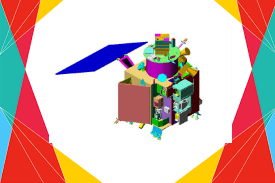
The Chandrayaan-1 mission was a testament to ISRO’s growing capabilities in space exploration. The estimated cost of the project was ₹3.86 billion, which was quite economical compared to similar missions by other countries. The remote sensing lunar satellite weighed 1,380 kg at launch and reduced to 675 kg once in lunar orbit.
In conclusion, while the Moon has long been a source of poetic inspiration and cultural symbolism, it is also a subject of serious scientific inquiry. With missions like Chandrayaan-1, we have begun to peel back the layers of this celestial body, revealing new insights and possibilities that inspire both awe and scientific ambition.
#Hindi
चाँद के प्रति आकर्षण हजारों सालों से मानव संस्कृति और कल्पना का हिस्सा रहा है। कवियों ने अक्सर चाँद की तुलना प्रिय के चेहरे या बच्चे के खेलते हुए चाचा से की है, जो आकाश में इसकी शांति और परिचित उपस्थिति से धरती पर हमारे करीबी रिश्तों की याद दिलाती है। लेकिन क्या आपने कभी सच में सोचा है कि चाँद कैसे दिखता है? यह इतना सफेद और चमकदार क्यों नजर आता है? क्या चाँद से जुड़ी कहानियों और मिथकों में कोई सच्चाई हो सकती है?
इन विचारों के बावजूद, चाँद की वैज्ञानिक खोज का असली कारण नहीं था। फिर भी, ये हमारी जिज्ञासा को दिखाते हैं, जो हमें इस रहस्यमयी आकाशीय पिंड को समझने के लिए प्रेरित करती है। चाँद में वैज्ञानिक रुचि का इतिहास बहुत पुराना है, जहाँ खगोलशास्त्री और अंतरिक्ष एजेंसियाँ इसके रहस्यों को सुलझाने की कोशिश में हैं।
चाँद की खोज में एक महत्वपूर्ण कदम भारत के पहले चंद्र मिशन, चंद्रयान-1 से आया, जिसे 22 अक्टूबर 2008 को भारतीय अंतरिक्ष अनुसंधान संगठन (ISRO) द्वारा लॉन्च किया गया था। यह मिशन भारत के अंतरिक्ष प्रयासों में एक महत्वपूर्ण कदम था और इसे दुनिया भर के वैज्ञानिकों और अंतरिक्ष प्रेमियों ने बड़ी उत्सुकता से देखा।
चंद्रयान-1 को दो साल के मिशन के लिए बनाया गया था, लेकिन इसने सिर्फ 312 दिनों में अपने मूल उद्देश्य पूरे कर लिए, जिसमें इसने चंद्र विज्ञान में महत्वपूर्ण योगदान दिया। इस मिशन ने चंद्र सतह का व्यापक नक्शा तैयार किया, जो चांद के लगभग 95% हिस्से को कवर करता है, और इसके चारों ओर 3,400 से अधिक परिक्रमा की।
चंद्रयान-1 की सबसे महत्वपूर्ण खोज चांद की सतह पर जल अणुओं का पता लगाना था। यह खोज वैज्ञानिक दृष्टि से एक बड़ी सफलता थी, क्योंकि यह पहले की धारणा को चुनौती देती थी कि चाँद सूखा और बिना पानी के है। चाँद पर पानी की उपस्थिति भविष्य की चंद्र खोज और वहाँ मानव उपस्थिति को बनाए रखने की संभावना के लिए महत्वपूर्ण है।
चंद्रयान-1 मिशन ISRO की अंतरिक्ष अन्वेषण में बढ़ती क्षमता का प्रमाण था। इस परियोजना की अनुमानित लागत ₹3.86 अरब थी, जो अन्य देशों के समान मिशनों की तुलना में काफी किफायती थी। लॉन्च के समय उपग्रह का वजन 1,380 किलोग्राम था, जो चंद्र कक्षा में पहुँचने पर घटकर 675 किलोग्राम रह गया।
अंत में, जहाँ चाँद बहुत समय से काव्यात्मक प्रेरणा और सांस्कृतिक प्रतीक रहा है, वहीँ यह गंभीर वैज्ञानिक जांच का विषय भी है। चंद्रयान-1 जैसे मिशनों के साथ, हमने इस आकाशीय पिंड की परतों को खोलना शुरू कर दिया है, जो हमें नई जानकारियों और संभावनाओं की ओर प्रेरित करता है, जिससे विस्मय और वैज्ञानिक महत्वाकांक्षा बढ़ती है।

 NehaScope
Moon has been associated to be like your beloved face or kids uncle, but either way have you ever thought of how the moon actually looks like ? Why it looks white from the earth ? Are there really some stigma on the moon ?
The fascination with the Moon has been a part of human culture and imagination for millennia. Poets have often likened the Moon to the face of a beloved or a child’s playful uncle, drawing analogies between its serene, familiar presence in the sky and the intimate relationships we cherish on Earth. But have you ever paused to truly consider how the Moon actually looks? Why does it appear so white and luminous from our vantage point on Earth? Could there be any truth to the myths and stories that surround our celestial neighbor?
These musings, however enchanting, were not the primary motivations for scientific exploration of the Moon. Yet, they reflect the enduring curiosity that has driven humanity to seek a deeper understanding of this enigmatic celestial body. Scientific interest in the Moon has a long history, with astronomers and space agencies seeking to unravel its mysteries and uncover its secrets.
One of the significant milestones in lunar exploration came with the launch of Chandrayaan-1, India’s first mission to the Moon, which was launched on October 22, 2008, by the Indian Space Research Organisation (ISRO). This mission marked a significant step in India’s space exploration efforts and was eagerly anticipated by scientists and space enthusiasts worldwide.
Chandrayaan-1 was originally designed for a two-year mission, but it accomplished its primary objectives in just 312 days, during which it made remarkable contributions to lunar science. The mission achieved extensive mapping of the lunar surface, covering about 95% of the Moon, and completed more than 3,400 orbits around it.
One of the most groundbreaking discoveries made by Chandrayaan-1 was the detection of water molecules on the Moon’s surface. This finding was a major scientific breakthrough, as it challenged previous assumptions that the Moon was arid and devoid of water. The presence of water on the Moon has significant implications for future lunar exploration and the potential for sustaining human presence on our celestial neighbor.
The Chandrayaan-1 mission was a testament to ISRO’s growing capabilities in space exploration. The estimated cost of the project was ₹3.86 billion, which was quite economical compared to similar missions by other countries. The remote sensing lunar satellite weighed 1,380 kg at launch and reduced to 675 kg once in lunar orbit.
In conclusion, while the Moon has long been a source of poetic inspiration and cultural symbolism, it is also a subject of serious scientific inquiry. With missions like Chandrayaan-1, we have begun to peel back the layers of this celestial body, revealing new insights and possibilities that inspire both awe and scientific ambition.
#Hindi
चाँद के प्रति आकर्षण हजारों सालों से मानव संस्कृति और कल्पना का हिस्सा रहा है। कवियों ने अक्सर चाँद की तुलना प्रिय के चेहरे या बच्चे के खेलते हुए चाचा से की है, जो आकाश में इसकी शांति और परिचित उपस्थिति से धरती पर हमारे करीबी रिश्तों की याद दिलाती है। लेकिन क्या आपने कभी सच में सोचा है कि चाँद कैसे दिखता है? यह इतना सफेद और चमकदार क्यों नजर आता है? क्या चाँद से जुड़ी कहानियों और मिथकों में कोई सच्चाई हो सकती है?
इन विचारों के बावजूद, चाँद की वैज्ञानिक खोज का असली कारण नहीं था। फिर भी, ये हमारी जिज्ञासा को दिखाते हैं, जो हमें इस रहस्यमयी आकाशीय पिंड को समझने के लिए प्रेरित करती है। चाँद में वैज्ञानिक रुचि का इतिहास बहुत पुराना है, जहाँ खगोलशास्त्री और अंतरिक्ष एजेंसियाँ इसके रहस्यों को सुलझाने की कोशिश में हैं।
चाँद की खोज में एक महत्वपूर्ण कदम भारत के पहले चंद्र मिशन, चंद्रयान-1 से आया, जिसे 22 अक्टूबर 2008 को भारतीय अंतरिक्ष अनुसंधान संगठन (ISRO) द्वारा लॉन्च किया गया था। यह मिशन भारत के अंतरिक्ष प्रयासों में एक महत्वपूर्ण कदम था और इसे दुनिया भर के वैज्ञानिकों और अंतरिक्ष प्रेमियों ने बड़ी उत्सुकता से देखा।
चंद्रयान-1 को दो साल के मिशन के लिए बनाया गया था, लेकिन इसने सिर्फ 312 दिनों में अपने मूल उद्देश्य पूरे कर लिए, जिसमें इसने चंद्र विज्ञान में महत्वपूर्ण योगदान दिया। इस मिशन ने चंद्र सतह का व्यापक नक्शा तैयार किया, जो चांद के लगभग 95% हिस्से को कवर करता है, और इसके चारों ओर 3,400 से अधिक परिक्रमा की।
चंद्रयान-1 की सबसे महत्वपूर्ण खोज चांद की सतह पर जल अणुओं का पता लगाना था। यह खोज वैज्ञानिक दृष्टि से एक बड़ी सफलता थी, क्योंकि यह पहले की धारणा को चुनौती देती थी कि चाँद सूखा और बिना पानी के है। चाँद पर पानी की उपस्थिति भविष्य की चंद्र खोज और वहाँ मानव उपस्थिति को बनाए रखने की संभावना के लिए महत्वपूर्ण है।
चंद्रयान-1 मिशन ISRO की अंतरिक्ष अन्वेषण में बढ़ती क्षमता का प्रमाण था। इस परियोजना की अनुमानित लागत ₹3.86 अरब थी, जो अन्य देशों के समान मिशनों की तुलना में काफी किफायती थी। लॉन्च के समय उपग्रह का वजन 1,380 किलोग्राम था, जो चंद्र कक्षा में पहुँचने पर घटकर 675 किलोग्राम रह गया।
अंत में, जहाँ चाँद बहुत समय से काव्यात्मक प्रेरणा और सांस्कृतिक प्रतीक रहा है, वहीँ यह गंभीर वैज्ञानिक जांच का विषय भी है। चंद्रयान-1 जैसे मिशनों के साथ, हमने इस आकाशीय पिंड की परतों को खोलना शुरू कर दिया है, जो हमें नई जानकारियों और संभावनाओं की ओर प्रेरित करता है, जिससे विस्मय और वैज्ञानिक महत्वाकांक्षा बढ़ती है।
Share this: