With the advent of modern technology, our lives have become increasingly automated and interconnected. One of the fascinating developments in recent years is the ability to control household devices, such as light bulbs, using a smartphone. This innovation is part of the broader Internet of Things (IoT) trend, which allows various devices to communicate with each other and be controlled remotely. With just a few taps on a phone screen, you can turn on, dim, or change the color of a light bulb from anywhere, offering unparalleled convenience and energy efficiency.
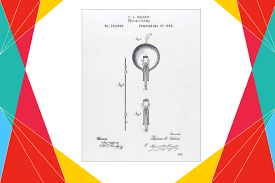
However, to truly appreciate these technological marvels, it’s important to reflect on the history of electric lighting, which began over a century ago. The journey to modern electric light started with the groundbreaking work of Thomas Edison, who is often credited with inventing the first practical incandescent light bulb. On this day in 1879, Edison successfully created a workable electric light at his laboratory in Menlo Park, New Jersey. This achievement came after 14 months of rigorous testing and experimentation, resulting in an incandescent bulb that could last for approximately 13½ hours.

Edison’s work, however, did not emerge from a vacuum. His design was built upon the discoveries and innovations of earlier scientists. One such pioneer was the English scientist Humphrey Davy, who, in the early 1800s, constructed a powerful electric lamp known as the arc lamp. Davy’s invention involved passing an electric current through a strip of charcoal to produce intense light. While his lamp was groundbreaking at the time, it was not practical for everyday use due to its high energy consumption, intense brightness, and limited lifespan.
Edison’s ambition was to develop a lamp that was not only long-lasting but also more efficient than Davy’s arc lamp. Through persistent experimentation, Edison and his team explored thousands of materials for the filament inside the bulb. They eventually discovered that carbonized bamboo filaments provided the longevity and durability they were seeking. This discovery allowed the bulbs to last longer while consuming less power, making them suitable for widespread commercial and residential use.

In addition to the filament, Edison’s bulb design incorporated a strong vacuum inside the glass enclosure, which helped prevent the filament from burning up too quickly. This combination of innovations led to the first commercially viable incandescent light bulb, marking a significant milestone in electrical engineering and paving the way for the widespread use of electric light.
Edison’s invention transformed not only how individuals lived but also how cities were structured, driving the development of electrical infrastructure across the globe. It laid the foundation for future advancements in lighting technologies, leading to the sophisticated smart bulbs we use today.
In conclusion, while today’s technology allows us to control light bulbs with a smartphone effortlessly, this convenience rests on the shoulders of early innovators like Humphrey Davy and Thomas Edison. Their pioneering work in electric lighting set the stage for the ongoing evolution of how we illuminate our world, from incandescent bulbs to smart lighting systems integrated with IoT technology.
#Hindi
आज की आधुनिक तकनीक के साथ, हमारी जिंदगी पहले से ज्यादा स्वचालित और आपस में जुड़ी हुई हो गई है। हाल के वर्षों में एक दिलचस्प विकास यह है कि हम अपने घर के उपकरणों, जैसे कि लाइट बल्ब, को स्मार्टफोन से नियंत्रित कर सकते हैं। यह इनोवेशन इंटरनेट ऑफ थिंग्स (IoT) का हिस्सा है, जो विभिन्न उपकरणों को आपस में संवाद करने और दूर से नियंत्रित होने की सुविधा देता है। फोन स्क्रीन पर कुछ टैप्स के साथ, आप कहीं से भी लाइट बल्ब को ऑन, डिम कर सकते हैं या उसका रंग बदल सकते हैं, जिससे अद्वितीय सुविधा और ऊर्जा दक्षता मिलती है।
लेकिन इन तकनीकी चमत्कारों की सच्ची सराहना करने के लिए, यह जानना जरूरी है कि बिजली की लाइट का इतिहास एक सदी से अधिक पुराना है। आधुनिक बिजली की लाइट की यात्रा थॉमस एडिसन के अद्वितीय काम से शुरू हुई, जिन्हें व्यावहारिक इनसैंडसेंट लाइट बल्ब के आविष्कार का श्रेय दिया जाता है। 1879 में आज ही के दिन, एडिसन ने न्यू जर्सी के मेन्लो पार्क स्थित अपनी प्रयोगशाला में एक कार्यशील बिजली की लाइट बनाई। यह सफलता 14 महीनों की कठोर जांच और प्रयोगों के बाद मिली, जिसमें उन्होंने एक इनसैंडसेंट बल्ब बनाया जो लगभग 13½ घंटे तक चल सकता था।
हालांकि, एडिसन का काम अकेले में नहीं उभरा। उनका डिज़ाइन पहले के वैज्ञानिकों की खोजों और इनोवेशन पर आधारित था। एक ऐसे ही अग्रणी थे अंग्रेज वैज्ञानिक हंफ्री डेवी, जिन्होंने 1800 के दशक की शुरुआत में एक शक्तिशाली इलेक्ट्रिक लैंप बनाया जिसे आर्क लैंप के नाम से जाना जाता है। डेवी के आविष्कार में चारकोल की पट्टी के माध्यम से विद्युत धारा पास कराकर तीव्र रोशनी उत्पन्न करना शामिल था। हालांकि उनका लैंप उस समय के लिए अद्वितीय था, लेकिन यह उच्च ऊर्जा खपत, तीव्र चमक, और सीमित आयु के कारण रोजमर्रा के उपयोग के लिए व्यावहारिक नहीं था।
एडिसन की महत्वाकांक्षा एक ऐसा लैंप विकसित करने की थी जो डेवी के आर्क लैंप से अधिक टिकाऊ और दक्ष हो। निरंतर प्रयोगों के माध्यम से, एडिसन और उनकी टीम ने बल्ब के अंदर फिलामेंट के लिए हजारों सामग्रियों की खोज की। अंततः उन्होंने पाया कि कार्बनाइज्ड बांस फिलामेंट वह दीर्घायु और मजबूती प्रदान करते हैं जिसकी वे तलाश कर रहे थे। इस खोज ने बल्बों को अधिक समय तक चलने और कम ऊर्जा खपत करने में सक्षम बनाया, जिससे वे व्यापक व्यावसायिक और आवासीय उपयोग के लिए उपयुक्त बन सके।
फिलामेंट के अलावा, एडिसन के बल्ब डिज़ाइन में कांच के आवरण के अंदर एक मजबूत वैक्यूम शामिल था, जिसने फिलामेंट को जल्दी जलने से रोका। इन नवाचारों के संयोजन ने पहले व्यावसायिक रूप से व्यवहार्य इनसैंडसेंट लाइट बल्ब को जन्म दिया, जो विद्युत इंजीनियरिंग में एक महत्वपूर्ण मील का पत्थर था और बिजली की लाइट के व्यापक उपयोग के लिए मार्ग प्रशस्त किया।
एडिसन के आविष्कार ने न केवल लोगों के जीवन को बदला बल्कि शहरों की संरचना को भी प्रभावित किया, जिससे दुनिया भर में विद्युत ढांचा का विकास हुआ। इसने लाइटिंग तकनीकों में भविष्य के नवाचारों की नींव रखी, जिससे आज हम जिस उन्नत स्मार्ट बल्ब का उपयोग करते हैं, वे विकसित हुए।
अंत में, हालांकि आज की तकनीक हमें आसानी से स्मार्टफोन से लाइट बल्ब नियंत्रित करने की सुविधा देती है, यह सुविधा हंफ्री डेवी और थॉमस एडिसन जैसे प्राचीन खोजकर्ताओं की मेहनत पर आधारित है। बिजली की लाइटिंग में उनकी अग्रणी कार्यप्रणाली ने इस बुनियाद की स्थापना की, जिससे हम अपने संसार को मौजूदा और भविष्य की लाइटिंग प्रणालियों से जगमगाते हैं, जो IoT तकनीक के साथ एकीकृत हैं।

 NehaScope
With the advent of modern technology, our lives have become increasingly automated and interconnected. One of the fascinating developments in recent years is the ability to control household devices, such as light bulbs, using a smartphone. This innovation is part of the broader Internet of Things (IoT) trend, which allows various devices to communicate with each other and be controlled remotely. With just a few taps on a phone screen, you can turn on, dim, or change the color of a light bulb from anywhere, offering unparalleled convenience and energy efficiency.
However, to truly appreciate these technological marvels, it’s important to reflect on the history of electric lighting, which began over a century ago. The journey to modern electric light started with the groundbreaking work of Thomas Edison, who is often credited with inventing the first practical incandescent light bulb. On this day in 1879, Edison successfully created a workable electric light at his laboratory in Menlo Park, New Jersey. This achievement came after 14 months of rigorous testing and experimentation, resulting in an incandescent bulb that could last for approximately 13½ hours.
Edison’s work, however, did not emerge from a vacuum. His design was built upon the discoveries and innovations of earlier scientists. One such pioneer was the English scientist Humphrey Davy, who, in the early 1800s, constructed a powerful electric lamp known as the arc lamp. Davy’s invention involved passing an electric current through a strip of charcoal to produce intense light. While his lamp was groundbreaking at the time, it was not practical for everyday use due to its high energy consumption, intense brightness, and limited lifespan.
Edison’s ambition was to develop a lamp that was not only long-lasting but also more efficient than Davy’s arc lamp. Through persistent experimentation, Edison and his team explored thousands of materials for the filament inside the bulb. They eventually discovered that carbonized bamboo filaments provided the longevity and durability they were seeking. This discovery allowed the bulbs to last longer while consuming less power, making them suitable for widespread commercial and residential use.
In addition to the filament, Edison’s bulb design incorporated a strong vacuum inside the glass enclosure, which helped prevent the filament from burning up too quickly. This combination of innovations led to the first commercially viable incandescent light bulb, marking a significant milestone in electrical engineering and paving the way for the widespread use of electric light.
Edison’s invention transformed not only how individuals lived but also how cities were structured, driving the development of electrical infrastructure across the globe. It laid the foundation for future advancements in lighting technologies, leading to the sophisticated smart bulbs we use today.
In conclusion, while today’s technology allows us to control light bulbs with a smartphone effortlessly, this convenience rests on the shoulders of early innovators like Humphrey Davy and Thomas Edison. Their pioneering work in electric lighting set the stage for the ongoing evolution of how we illuminate our world, from incandescent bulbs to smart lighting systems integrated with IoT technology.
#Hindi
आज की आधुनिक तकनीक के साथ, हमारी जिंदगी पहले से ज्यादा स्वचालित और आपस में जुड़ी हुई हो गई है। हाल के वर्षों में एक दिलचस्प विकास यह है कि हम अपने घर के उपकरणों, जैसे कि लाइट बल्ब, को स्मार्टफोन से नियंत्रित कर सकते हैं। यह इनोवेशन इंटरनेट ऑफ थिंग्स (IoT) का हिस्सा है, जो विभिन्न उपकरणों को आपस में संवाद करने और दूर से नियंत्रित होने की सुविधा देता है। फोन स्क्रीन पर कुछ टैप्स के साथ, आप कहीं से भी लाइट बल्ब को ऑन, डिम कर सकते हैं या उसका रंग बदल सकते हैं, जिससे अद्वितीय सुविधा और ऊर्जा दक्षता मिलती है।
लेकिन इन तकनीकी चमत्कारों की सच्ची सराहना करने के लिए, यह जानना जरूरी है कि बिजली की लाइट का इतिहास एक सदी से अधिक पुराना है। आधुनिक बिजली की लाइट की यात्रा थॉमस एडिसन के अद्वितीय काम से शुरू हुई, जिन्हें व्यावहारिक इनसैंडसेंट लाइट बल्ब के आविष्कार का श्रेय दिया जाता है। 1879 में आज ही के दिन, एडिसन ने न्यू जर्सी के मेन्लो पार्क स्थित अपनी प्रयोगशाला में एक कार्यशील बिजली की लाइट बनाई। यह सफलता 14 महीनों की कठोर जांच और प्रयोगों के बाद मिली, जिसमें उन्होंने एक इनसैंडसेंट बल्ब बनाया जो लगभग 13½ घंटे तक चल सकता था।
हालांकि, एडिसन का काम अकेले में नहीं उभरा। उनका डिज़ाइन पहले के वैज्ञानिकों की खोजों और इनोवेशन पर आधारित था। एक ऐसे ही अग्रणी थे अंग्रेज वैज्ञानिक हंफ्री डेवी, जिन्होंने 1800 के दशक की शुरुआत में एक शक्तिशाली इलेक्ट्रिक लैंप बनाया जिसे आर्क लैंप के नाम से जाना जाता है। डेवी के आविष्कार में चारकोल की पट्टी के माध्यम से विद्युत धारा पास कराकर तीव्र रोशनी उत्पन्न करना शामिल था। हालांकि उनका लैंप उस समय के लिए अद्वितीय था, लेकिन यह उच्च ऊर्जा खपत, तीव्र चमक, और सीमित आयु के कारण रोजमर्रा के उपयोग के लिए व्यावहारिक नहीं था।
एडिसन की महत्वाकांक्षा एक ऐसा लैंप विकसित करने की थी जो डेवी के आर्क लैंप से अधिक टिकाऊ और दक्ष हो। निरंतर प्रयोगों के माध्यम से, एडिसन और उनकी टीम ने बल्ब के अंदर फिलामेंट के लिए हजारों सामग्रियों की खोज की। अंततः उन्होंने पाया कि कार्बनाइज्ड बांस फिलामेंट वह दीर्घायु और मजबूती प्रदान करते हैं जिसकी वे तलाश कर रहे थे। इस खोज ने बल्बों को अधिक समय तक चलने और कम ऊर्जा खपत करने में सक्षम बनाया, जिससे वे व्यापक व्यावसायिक और आवासीय उपयोग के लिए उपयुक्त बन सके।
फिलामेंट के अलावा, एडिसन के बल्ब डिज़ाइन में कांच के आवरण के अंदर एक मजबूत वैक्यूम शामिल था, जिसने फिलामेंट को जल्दी जलने से रोका। इन नवाचारों के संयोजन ने पहले व्यावसायिक रूप से व्यवहार्य इनसैंडसेंट लाइट बल्ब को जन्म दिया, जो विद्युत इंजीनियरिंग में एक महत्वपूर्ण मील का पत्थर था और बिजली की लाइट के व्यापक उपयोग के लिए मार्ग प्रशस्त किया।
एडिसन के आविष्कार ने न केवल लोगों के जीवन को बदला बल्कि शहरों की संरचना को भी प्रभावित किया, जिससे दुनिया भर में विद्युत ढांचा का विकास हुआ। इसने लाइटिंग तकनीकों में भविष्य के नवाचारों की नींव रखी, जिससे आज हम जिस उन्नत स्मार्ट बल्ब का उपयोग करते हैं, वे विकसित हुए।
अंत में, हालांकि आज की तकनीक हमें आसानी से स्मार्टफोन से लाइट बल्ब नियंत्रित करने की सुविधा देती है, यह सुविधा हंफ्री डेवी और थॉमस एडिसन जैसे प्राचीन खोजकर्ताओं की मेहनत पर आधारित है। बिजली की लाइटिंग में उनकी अग्रणी कार्यप्रणाली ने इस बुनियाद की स्थापना की, जिससे हम अपने संसार को मौजूदा और भविष्य की लाइटिंग प्रणालियों से जगमगाते हैं, जो IoT तकनीक के साथ एकीकृत हैं।
Share this: