
The exploration of space has always been a fascinating journey, full of groundbreaking achievements and milestones. One such milestone was the unveiling of the elusive “dark side” or the “far side” of the Moon, which remained a mystery for astronomers and laypeople alike. This unseen hemisphere of the Moon was first photographed by the Soviet spacecraft Luna 3, launched in 1959 as part of the ambitious Luna program. This mission marked a significant achievement in space exploration history, capturing the imagination of the world and showcasing the technological prowess of the Soviet Union during the Space Race era.
Before Luna 3, the far side of the Moon had remained hidden from direct observation due to the synchronous rotation of the Moon with the Earth, which causes only one hemisphere to be visible from our planet. The far side, often referred to as the “dark side,” is not literally dark but simply unseen due to this synchronous rotation. It had been an object of mystery and speculation for scientists and science fiction enthusiasts alike.
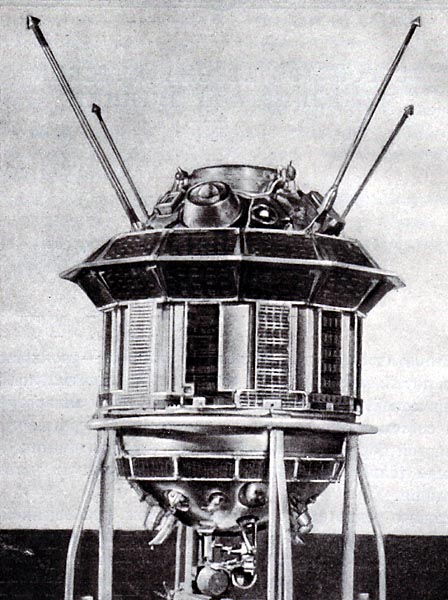
Although the picture quality was very poor as compared to the later standards, the historic never before seen views of the moon were exciting and interesting.
The successful launch and operation of Luna 3 represented a pioneering moment, as it was the first-ever mission to photograph this uncharted territory. The probe was a marvel of its time, equipped with a complex photographic and processing system designed to capture images of the Moon’s hidden surface and transmit them back to Earth. Although the quality of these images was rudimentary by today’s standards, with low resolution and grainy details, the very fact that they were obtained was an extraordinary technical accomplishment.
These initial images revealed a landscape vastly different from the familiar side of the Moon. Unlike the near side, which is characterized by large, dark plains known as maria, created by volcanic activity, the far side of the Moon is heavily cratered with very few maria. This discovery was crucial in enhancing the understanding of the Moon’s geology and prompted further scientific inquiry into the processes shaping lunar surface features.
Luna 3’s success did not occur in isolation. It was the third space probe aimed at studying the Moon, following in the footsteps of earlier missions. Its triumph came just a few years before the United States launched its own set of lunar probes, namely Ranger 7, Ranger 8, and Ranger 9, which collectively contributed to expanding our knowledge of the Moon. These subsequent missions, primarily focused on obtaining high-resolution images of the lunar surface, were instrumental in preparing for manned missions that would eventually culminate in the historic Apollo 11 Moon landing.
The Luna 3 mission’s impact extended beyond its immediate scientific contributions. It was a testament to the era’s spirit of exploration and competition, exemplified by the intense rivalry between the United States and the Soviet Union. It demonstrated how international competition could fuel technological advancement and broaden the horizons of human knowledge.
In retrospect, the Luna 3 mission stands as a pioneering effort that opened a new chapter in lunar exploration. It provided the first glimpse of the Moon’s far side, sparking wonder and curiosity while laying the groundwork for future lunar missions. This mission is an enduring reminder of the vast, uncharted frontiers that still beckon humanity to explore, driven by a timeless quest for discovery and understanding.
#Hindi
अंतरिक्ष की खोज हमेशा से एक रोमांचक यात्रा रही है, जिसमें कई महत्वपूर्ण उपलब्धियाँ हासिल की गई हैं। ऐसी ही एक उपलब्धि थी चंद्रमा के “डार्क साइड” या “फार साइड” का पता लगाना, जो पहले खगोलविदों और आम लोगों के लिए एक रहस्य था। चंद्रमा के इस अदृश्य हिस्से की पहली तस्वीरें सोवियत अंतरिक्ष यान लूना 3 ने खींची थीं, जिसे 1959 में लूना कार्यक्रम के तहत लॉन्च किया गया था। यह मिशन अंतरिक्ष खोज के इतिहास में एक महत्वपूर्ण उपलब्धि थी, जिसने दुनिया की कल्पना को मोहित कर दिया और अंतरिक्ष दौड़ के युग में सोवियत संघ की तकनीकी क्षमता को दर्शाया।
लूना 3 से पहले, चंद्रमा का यह हिस्सा पृथ्वी से सीधा नहीं देखा जा सकता था, क्योंकि चंद्रमा और पृथ्वी की घूर्णन गति के कारण चंद्रमा का केवल एक हिस्सा पृथ्वी से दिखाई देता है। इस वजह से इसे “डार्क साइड” कहा जाता है, जो वास्तव में अंधेरा नहीं है बल्कि अब तक अदृश्य था। यह वैज्ञानिकों और विज्ञान कथा प्रेमियों के लिए एक रहस्य था।
लूना 3 का सफल प्रक्षेपण और संचालन एक पायनियरिंग पल था, क्योंकि यह पहला मिशन था जिसने इस अज्ञात क्षेत्र की तस्वीरें लीं। यह यान अपने समय का एक चमत्कार था, जिसमें एक जटिल फोटोग्राफिक और प्रोसेसिंग सिस्टम था, जो चंद्रमा के छिपे हुए सतह की तस्वीरें खींचने और उन्हें पृथ्वी पर भेजने के लिए डिज़ाइन किया गया था। हालांकि इन तस्वीरों की गुणवत्ता आज के मानकों के अनुसार कम थी, लेकिन उनका प्राप्त होना एक असाधारण तकनीकी उपलब्धि थी।
इन शुरुआती तस्वीरों से पता चला कि चंद्रमा का यह हिस्सा काफी अलग है। इसके विपरीत, जो भाग हमें दिखाई देता है, उसमें बड़े, गहरे मैदान हैं जिन्हें मारीया कहा जाता है, जो ज्वालामुखीय गतिविधियों के कारण बने हैं, जबकि फार साइड पर अधिक गड्ढे हैं और बहुत कम मारीया हैं। यह खोज चंद्रमा की भूविज्ञान को समझने में महत्वपूर्ण थी और चंद्रमा की सतह की विशेषताओं के बारे में और अधिक वैज्ञानिक अनुसंधान को प्रेरित किया।
लूना 3 की सफलता अकेले नहीं हुई। यह चंद्रमा के अध्ययन के लिए भेजी गई तीसरी अंतरिक्ष जांच थी, जिसमें पहले की प्रयासों के अनुभव भी शामिल थे। इसकी सफलता के कुछ साल बाद, अमेरिका ने अपने लूनर प्रोब्स, जैसे कि रेंजर 7, रेंजर 8, और रेंजर 9 लॉन्च किए, जिन्होंने चंद्रमा के बारे में ज्ञान बढ़ाने में मदद की। ये मिशन मुख्य रूप से चंद्रमा की सतह की उच्च-रिज़ोल्यूशन छवियाँ प्राप्त करने पर केंद्रित थे, जो मानवयुक्त मिशनों की तैयारी में सहायक थे, जो अंततः ऐतिहासिक अपोलो 11 चंद्रमा लैंडिंग में समाप्त हुए।
लूना 3 मिशन का प्रभाव उसके वैज्ञानिक योगदानों से परे था। यह उस युग की खोज और प्रतियोगिता की भावना का प्रमाण था, जो अमेरिका और सोवियत संघ के बीच तीव्र प्रतिद्वंद्विता द्वारा दर्शाया गया था। इसने दिखाया कि कैसे अंतरराष्ट्रीय प्रतिस्पर्धा तकनीकी प्रगति को बढ़ावा दे सकती है और मानव ज्ञान की सीमाओं को विस्तृत कर सकती है।
पुनः दृष्टि से देखें तो लूना 3 मिशन एक पायनियर प्रयास के रूप में खड़ा है जिसने चंद्र अन्वेषण में एक नया अध्याय खोला। इसने चंद्रमा के फार साइड की पहली झलक दी, आश्चर्य और जिज्ञासा का संचार किया और भविष्य के चंद्र मिशनों की नींव रखी। यह मिशन एक समय-समय पर अनुसंधान और समझ की खोज के लिए मानवता को प्रेरित करने वाली अनगिनत, अज्ञात सीमाओं की याद दिलाता है।


 NehaScope
The exploration of space has always been a fascinating journey, full of groundbreaking achievements and milestones. One such milestone was the unveiling of the elusive “dark side” or the “far side” of the Moon, which remained a mystery for astronomers and laypeople alike. This unseen hemisphere of the Moon was first photographed by the Soviet spacecraft Luna 3, launched in 1959 as part of the ambitious Luna program. This mission marked a significant achievement in space exploration history, capturing the imagination of the world and showcasing the technological prowess of the Soviet Union during the Space Race era.
Before Luna 3, the far side of the Moon had remained hidden from direct observation due to the synchronous rotation of the Moon with the Earth, which causes only one hemisphere to be visible from our planet. The far side, often referred to as the “dark side,” is not literally dark but simply unseen due to this synchronous rotation. It had been an object of mystery and speculation for scientists and science fiction enthusiasts alike.
The successful launch and operation of Luna 3 represented a pioneering moment, as it was the first-ever mission to photograph this uncharted territory. The probe was a marvel of its time, equipped with a complex photographic and processing system designed to capture images of the Moon’s hidden surface and transmit them back to Earth. Although the quality of these images was rudimentary by today’s standards, with low resolution and grainy details, the very fact that they were obtained was an extraordinary technical accomplishment.
These initial images revealed a landscape vastly different from the familiar side of the Moon. Unlike the near side, which is characterized by large, dark plains known as maria, created by volcanic activity, the far side of the Moon is heavily cratered with very few maria. This discovery was crucial in enhancing the understanding of the Moon’s geology and prompted further scientific inquiry into the processes shaping lunar surface features.
Luna 3’s success did not occur in isolation. It was the third space probe aimed at studying the Moon, following in the footsteps of earlier missions. Its triumph came just a few years before the United States launched its own set of lunar probes, namely Ranger 7, Ranger 8, and Ranger 9, which collectively contributed to expanding our knowledge of the Moon. These subsequent missions, primarily focused on obtaining high-resolution images of the lunar surface, were instrumental in preparing for manned missions that would eventually culminate in the historic Apollo 11 Moon landing.
The Luna 3 mission’s impact extended beyond its immediate scientific contributions. It was a testament to the era’s spirit of exploration and competition, exemplified by the intense rivalry between the United States and the Soviet Union. It demonstrated how international competition could fuel technological advancement and broaden the horizons of human knowledge.
In retrospect, the Luna 3 mission stands as a pioneering effort that opened a new chapter in lunar exploration. It provided the first glimpse of the Moon’s far side, sparking wonder and curiosity while laying the groundwork for future lunar missions. This mission is an enduring reminder of the vast, uncharted frontiers that still beckon humanity to explore, driven by a timeless quest for discovery and understanding.
#Hindi
अंतरिक्ष की खोज हमेशा से एक रोमांचक यात्रा रही है, जिसमें कई महत्वपूर्ण उपलब्धियाँ हासिल की गई हैं। ऐसी ही एक उपलब्धि थी चंद्रमा के “डार्क साइड” या “फार साइड” का पता लगाना, जो पहले खगोलविदों और आम लोगों के लिए एक रहस्य था। चंद्रमा के इस अदृश्य हिस्से की पहली तस्वीरें सोवियत अंतरिक्ष यान लूना 3 ने खींची थीं, जिसे 1959 में लूना कार्यक्रम के तहत लॉन्च किया गया था। यह मिशन अंतरिक्ष खोज के इतिहास में एक महत्वपूर्ण उपलब्धि थी, जिसने दुनिया की कल्पना को मोहित कर दिया और अंतरिक्ष दौड़ के युग में सोवियत संघ की तकनीकी क्षमता को दर्शाया।
लूना 3 से पहले, चंद्रमा का यह हिस्सा पृथ्वी से सीधा नहीं देखा जा सकता था, क्योंकि चंद्रमा और पृथ्वी की घूर्णन गति के कारण चंद्रमा का केवल एक हिस्सा पृथ्वी से दिखाई देता है। इस वजह से इसे “डार्क साइड” कहा जाता है, जो वास्तव में अंधेरा नहीं है बल्कि अब तक अदृश्य था। यह वैज्ञानिकों और विज्ञान कथा प्रेमियों के लिए एक रहस्य था।
लूना 3 का सफल प्रक्षेपण और संचालन एक पायनियरिंग पल था, क्योंकि यह पहला मिशन था जिसने इस अज्ञात क्षेत्र की तस्वीरें लीं। यह यान अपने समय का एक चमत्कार था, जिसमें एक जटिल फोटोग्राफिक और प्रोसेसिंग सिस्टम था, जो चंद्रमा के छिपे हुए सतह की तस्वीरें खींचने और उन्हें पृथ्वी पर भेजने के लिए डिज़ाइन किया गया था। हालांकि इन तस्वीरों की गुणवत्ता आज के मानकों के अनुसार कम थी, लेकिन उनका प्राप्त होना एक असाधारण तकनीकी उपलब्धि थी।
इन शुरुआती तस्वीरों से पता चला कि चंद्रमा का यह हिस्सा काफी अलग है। इसके विपरीत, जो भाग हमें दिखाई देता है, उसमें बड़े, गहरे मैदान हैं जिन्हें मारीया कहा जाता है, जो ज्वालामुखीय गतिविधियों के कारण बने हैं, जबकि फार साइड पर अधिक गड्ढे हैं और बहुत कम मारीया हैं। यह खोज चंद्रमा की भूविज्ञान को समझने में महत्वपूर्ण थी और चंद्रमा की सतह की विशेषताओं के बारे में और अधिक वैज्ञानिक अनुसंधान को प्रेरित किया।
लूना 3 की सफलता अकेले नहीं हुई। यह चंद्रमा के अध्ययन के लिए भेजी गई तीसरी अंतरिक्ष जांच थी, जिसमें पहले की प्रयासों के अनुभव भी शामिल थे। इसकी सफलता के कुछ साल बाद, अमेरिका ने अपने लूनर प्रोब्स, जैसे कि रेंजर 7, रेंजर 8, और रेंजर 9 लॉन्च किए, जिन्होंने चंद्रमा के बारे में ज्ञान बढ़ाने में मदद की। ये मिशन मुख्य रूप से चंद्रमा की सतह की उच्च-रिज़ोल्यूशन छवियाँ प्राप्त करने पर केंद्रित थे, जो मानवयुक्त मिशनों की तैयारी में सहायक थे, जो अंततः ऐतिहासिक अपोलो 11 चंद्रमा लैंडिंग में समाप्त हुए।
लूना 3 मिशन का प्रभाव उसके वैज्ञानिक योगदानों से परे था। यह उस युग की खोज और प्रतियोगिता की भावना का प्रमाण था, जो अमेरिका और सोवियत संघ के बीच तीव्र प्रतिद्वंद्विता द्वारा दर्शाया गया था। इसने दिखाया कि कैसे अंतरराष्ट्रीय प्रतिस्पर्धा तकनीकी प्रगति को बढ़ावा दे सकती है और मानव ज्ञान की सीमाओं को विस्तृत कर सकती है।
पुनः दृष्टि से देखें तो लूना 3 मिशन एक पायनियर प्रयास के रूप में खड़ा है जिसने चंद्र अन्वेषण में एक नया अध्याय खोला। इसने चंद्रमा के फार साइड की पहली झलक दी, आश्चर्य और जिज्ञासा का संचार किया और भविष्य के चंद्र मिशनों की नींव रखी। यह मिशन एक समय-समय पर अनुसंधान और समझ की खोज के लिए मानवता को प्रेरित करने वाली अनगिनत, अज्ञात सीमाओं की याद दिलाता है।
Share this: