We all know first talkie of India – it’s Alam Ara. But do you know which was the first talking film of the world ? It’s Jazz Singer. Released today in 1927, this Warner Brothers film changed the experience of watching cinema.
The advent of synchronized sound in cinema marked a significant turning point in the history of filmmaking, fundamentally altering the way audiences experienced movies and paving the way for the modern film industry. While sound had been experimented with in cinema prior to this, it was often limited to short films or used for music and sound effects that were not synchronized with the dialogue or action on screen.
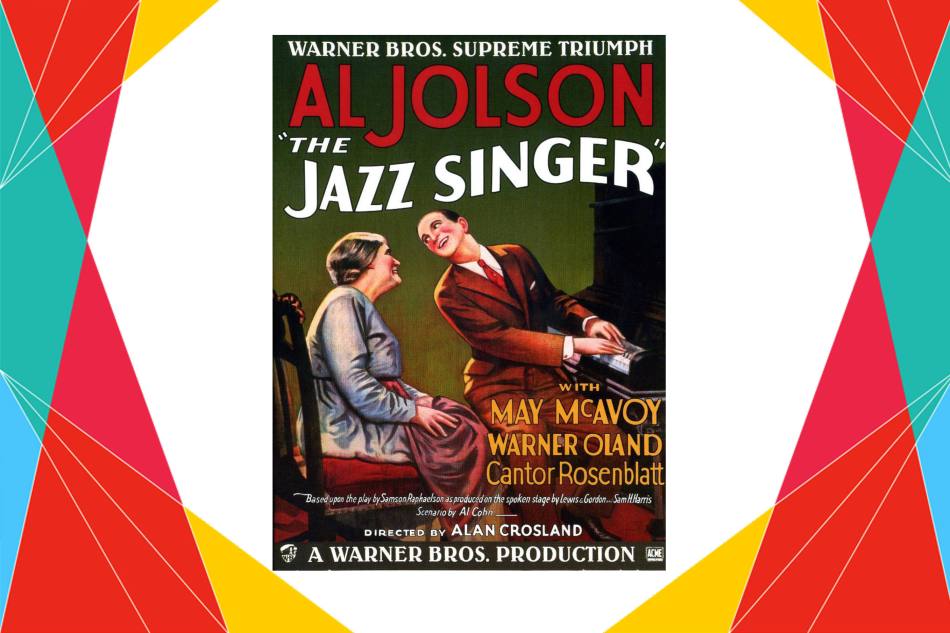
The world’s first feature-length “talkie,” or talking film, was “The Jazz Singer,” released on October 6, 1927, by Warner Brothers. This groundbreaking film set itself apart with its synchronized dialogue and sound, thanks to the innovative Vitaphone technology. Before this innovation, films were primarily silent, with dialogue and sound effects conveyed through text cards and live musical accompaniment.
“The Jazz Singer” stars Al Jolson, a popular singer and actor of the time, in a story about a young man who defies his family’s traditional expectations to pursue a career as a jazz performer. The film is particularly famous for a line spoken by Jolson that captured the essence of this technological breakthrough: “Wait a minute, wait a minute. You ain’t heard nothin’ yet!” This line, and the subsequent musical performances, highlighted the power of synchronized sound, offering audiences an experience that was more immersive and engaging than silent films.
The success of “The Jazz Singer” demonstrated the commercial potential of sound films, leading to a rapid shift in the industry as studios raced to produce their own “talkies.” This transition period, however, was not without challenges. Filmmakers had to adapt to new production techniques and technologies, and actors had to adjust to performing for microphones rather than just cameras. Additionally, theaters across the country underwent significant upgrades to accommodate the new sound systems.
The impact of “The Jazz Singer” extended beyond just technological innovation. It represented a cultural shift, influencing the content and storytelling of films. The capability to combine dialogue, music, and sound effects opened up new avenues for creative expression and narrative complexity, ultimately setting the stage for the diverse and dynamic cinema that audiences enjoy today.
In summary, while India’s first talkie, “Alam Ara,” made its mark in 1931 by transforming Indian cinema, “The Jazz Singer” laid the foundational stone for the global evolution of sound in movies, marking a monumental leap in cinematic history on October 6, 1927.
#Hindi
हम सभी भारत की पहली बोलती फिल्म “आलम आरा” के बारे में जानते हैं। लेकिन क्या आप जानते हैं कि दुनिया की पहली बोलती फिल्म कौन सी थी? यह “जैज सिंगर” थी। यह फिल्म 6 अक्टूबर 1927 को रिलीज़ हुई थी और इसने सिनेमा देखने का अनुभव पूरी तरह से बदल दिया।
सिनेमाई इतिहास में ध्वनि समन्वयन का आगमन एक महत्वपूर्ण मोड़ था, जिसने फिल्मों के देखने के तरीके को बहुत बदल दिया और आधुनिक फिल्म उद्योग की नींव रखी। इससे पहले, फिल्मों में ध्वनि का प्रयोग किया गया था, लेकिन यह अक्सर छोटी फिल्मों तक सीमित होता था या संगीत और ध्वनि प्रभाव के लिए प्रयोग होता था, जो संवाद या स्क्रीन पर चल रही क्रिया के साथ समन्वित नहीं होते थे।
दुनिया की पहली फीचर-लेंथ “बोलती” फिल्म “जैज सिंगर” 6 अक्टूबर 1927 को वार्नर ब्रदर्स द्वारा रिलीज़ की गई। इस ऐतिहासिक फिल्म ने अपने समन्वित संवाद और ध्वनि के साथ खुद को अलग दिखाया, जिसकी वजह थी नवीनतम विटाफोन तकनीक। इससे पहले, फिल्में मुख्य रूप से मूक होती थीं, जिनमें संवाद और ध्वनि प्रभाव को टेक्स्ट कार्ड और जीवंत संगीत संगत के माध्यम से व्यक्त किया जाता था।
“जैज सिंगर” में अल जोल्सन मुख्य भूमिका में हैं, जो उस समय के एक लोकप्रिय गायक और अभिनेता थे। यह कहानी एक युवा व्यक्ति की है जो अपने परिवार की पारंपरिक अपेक्षाओं के खिलाफ जाकर एक जैज कलाकार बनने की कोशिश करता है। इस फिल्म का एक प्रसिद्ध डायलॉग है, “ठहरो, ठहरो। तुमने अभी कुछ नहीं सुना!” इस डायलॉग और बाद के संगीत प्रदर्शन ने समन्वित ध्वनि की शक्ति को उजागर किया और दर्शकों को मूक फिल्मों की तुलना में एक अधिक समृद्ध और आकर्षक अनुभव दिया।
“जैज सिंगर” की सफलता ने ध्वनि फिल्मों की व्यावसायिक संभावनाओं को दर्शाया और उद्योग में तेजी से बदलाव लाया, जहां स्टूडियो अपनी खुद की “बोलती” फिल्में बनाने के लिए दौड़ पड़े। हालांकि, इस परिवर्तन के दौरान चुनौतियाँ भी थीं। फिल्म निर्माताओं को नए उत्पादन तकनीकों और तकनीकों के अनुकूल होना पड़ा, और अभिनेताओं को केवल कैमरों के लिए नहीं बल्कि माइक्रोफोन के लिए प्रदर्शन करने के लिए खुद को समायोजित करना पड़ा। इसके अलावा, देशभर के थिएटर को नए ध्वनि सिस्टम को स्थापित करने के लिए महत्वपूर्ण अपग्रेड करने पड़े।
“जैज सिंगर” का प्रभाव केवल तकनीकी नवाचारों तक ही सीमित नहीं था। इसने एक सांस्कृतिक परिवर्तन का भी प्रतिनिधित्व किया, जिससे फिल्मों की सामग्री और कहानी पर प्रभाव पड़ा। संवाद, संगीत और ध्वनि प्रभाव को मिलाने की क्षमता ने रचनात्मक अभिव्यक्ति और कथा जटिलता के नए द्वार खोले, जिनके कारण आज के विविध और गतिशील सिनेमा का विकास संभव हुआ।
संक्षेप में, जबकि भारत की पहली बोलती फिल्म “आलम आरा” ने 1931 में भारतीय सिनेमा में अपनी छाप छोड़ी, “जैज सिंगर” ने फिल्मों में ध्वनि के वैश्विक विकास के लिए आधारशिला रखी, जो 6 अक्टूबर 1927 को सिनेमाई इतिहास में एक महत्वपूर्ण छलांग थी।

 NehaScope
We all know first talkie of India – it’s Alam Ara. But do you know which was the first talking film of the world ? It’s Jazz Singer. Released today in 1927, this Warner Brothers film changed the experience of watching cinema.
The advent of synchronized sound in cinema marked a significant turning point in the history of filmmaking, fundamentally altering the way audiences experienced movies and paving the way for the modern film industry. While sound had been experimented with in cinema prior to this, it was often limited to short films or used for music and sound effects that were not synchronized with the dialogue or action on screen.
The world’s first feature-length “talkie,” or talking film, was “The Jazz Singer,” released on October 6, 1927, by Warner Brothers. This groundbreaking film set itself apart with its synchronized dialogue and sound, thanks to the innovative Vitaphone technology. Before this innovation, films were primarily silent, with dialogue and sound effects conveyed through text cards and live musical accompaniment.
“The Jazz Singer” stars Al Jolson, a popular singer and actor of the time, in a story about a young man who defies his family’s traditional expectations to pursue a career as a jazz performer. The film is particularly famous for a line spoken by Jolson that captured the essence of this technological breakthrough: “Wait a minute, wait a minute. You ain’t heard nothin’ yet!” This line, and the subsequent musical performances, highlighted the power of synchronized sound, offering audiences an experience that was more immersive and engaging than silent films.
The success of “The Jazz Singer” demonstrated the commercial potential of sound films, leading to a rapid shift in the industry as studios raced to produce their own “talkies.” This transition period, however, was not without challenges. Filmmakers had to adapt to new production techniques and technologies, and actors had to adjust to performing for microphones rather than just cameras. Additionally, theaters across the country underwent significant upgrades to accommodate the new sound systems.
The impact of “The Jazz Singer” extended beyond just technological innovation. It represented a cultural shift, influencing the content and storytelling of films. The capability to combine dialogue, music, and sound effects opened up new avenues for creative expression and narrative complexity, ultimately setting the stage for the diverse and dynamic cinema that audiences enjoy today.
In summary, while India’s first talkie, “Alam Ara,” made its mark in 1931 by transforming Indian cinema, “The Jazz Singer” laid the foundational stone for the global evolution of sound in movies, marking a monumental leap in cinematic history on October 6, 1927.
#Hindi
हम सभी भारत की पहली बोलती फिल्म “आलम आरा” के बारे में जानते हैं। लेकिन क्या आप जानते हैं कि दुनिया की पहली बोलती फिल्म कौन सी थी? यह “जैज सिंगर” थी। यह फिल्म 6 अक्टूबर 1927 को रिलीज़ हुई थी और इसने सिनेमा देखने का अनुभव पूरी तरह से बदल दिया।
सिनेमाई इतिहास में ध्वनि समन्वयन का आगमन एक महत्वपूर्ण मोड़ था, जिसने फिल्मों के देखने के तरीके को बहुत बदल दिया और आधुनिक फिल्म उद्योग की नींव रखी। इससे पहले, फिल्मों में ध्वनि का प्रयोग किया गया था, लेकिन यह अक्सर छोटी फिल्मों तक सीमित होता था या संगीत और ध्वनि प्रभाव के लिए प्रयोग होता था, जो संवाद या स्क्रीन पर चल रही क्रिया के साथ समन्वित नहीं होते थे।
दुनिया की पहली फीचर-लेंथ “बोलती” फिल्म “जैज सिंगर” 6 अक्टूबर 1927 को वार्नर ब्रदर्स द्वारा रिलीज़ की गई। इस ऐतिहासिक फिल्म ने अपने समन्वित संवाद और ध्वनि के साथ खुद को अलग दिखाया, जिसकी वजह थी नवीनतम विटाफोन तकनीक। इससे पहले, फिल्में मुख्य रूप से मूक होती थीं, जिनमें संवाद और ध्वनि प्रभाव को टेक्स्ट कार्ड और जीवंत संगीत संगत के माध्यम से व्यक्त किया जाता था।
“जैज सिंगर” में अल जोल्सन मुख्य भूमिका में हैं, जो उस समय के एक लोकप्रिय गायक और अभिनेता थे। यह कहानी एक युवा व्यक्ति की है जो अपने परिवार की पारंपरिक अपेक्षाओं के खिलाफ जाकर एक जैज कलाकार बनने की कोशिश करता है। इस फिल्म का एक प्रसिद्ध डायलॉग है, “ठहरो, ठहरो। तुमने अभी कुछ नहीं सुना!” इस डायलॉग और बाद के संगीत प्रदर्शन ने समन्वित ध्वनि की शक्ति को उजागर किया और दर्शकों को मूक फिल्मों की तुलना में एक अधिक समृद्ध और आकर्षक अनुभव दिया।
“जैज सिंगर” की सफलता ने ध्वनि फिल्मों की व्यावसायिक संभावनाओं को दर्शाया और उद्योग में तेजी से बदलाव लाया, जहां स्टूडियो अपनी खुद की “बोलती” फिल्में बनाने के लिए दौड़ पड़े। हालांकि, इस परिवर्तन के दौरान चुनौतियाँ भी थीं। फिल्म निर्माताओं को नए उत्पादन तकनीकों और तकनीकों के अनुकूल होना पड़ा, और अभिनेताओं को केवल कैमरों के लिए नहीं बल्कि माइक्रोफोन के लिए प्रदर्शन करने के लिए खुद को समायोजित करना पड़ा। इसके अलावा, देशभर के थिएटर को नए ध्वनि सिस्टम को स्थापित करने के लिए महत्वपूर्ण अपग्रेड करने पड़े।
“जैज सिंगर” का प्रभाव केवल तकनीकी नवाचारों तक ही सीमित नहीं था। इसने एक सांस्कृतिक परिवर्तन का भी प्रतिनिधित्व किया, जिससे फिल्मों की सामग्री और कहानी पर प्रभाव पड़ा। संवाद, संगीत और ध्वनि प्रभाव को मिलाने की क्षमता ने रचनात्मक अभिव्यक्ति और कथा जटिलता के नए द्वार खोले, जिनके कारण आज के विविध और गतिशील सिनेमा का विकास संभव हुआ।
संक्षेप में, जबकि भारत की पहली बोलती फिल्म “आलम आरा” ने 1931 में भारतीय सिनेमा में अपनी छाप छोड़ी, “जैज सिंगर” ने फिल्मों में ध्वनि के वैश्विक विकास के लिए आधारशिला रखी, जो 6 अक्टूबर 1927 को सिनेमाई इतिहास में एक महत्वपूर्ण छलांग थी।
Share this: