’S’oviet Union launched World’s first artificial ’S’atellite ’S’putnik 1 today in 1957. It was named so as ’Sputnik’ is the Russian word for ‘Satellite’. x

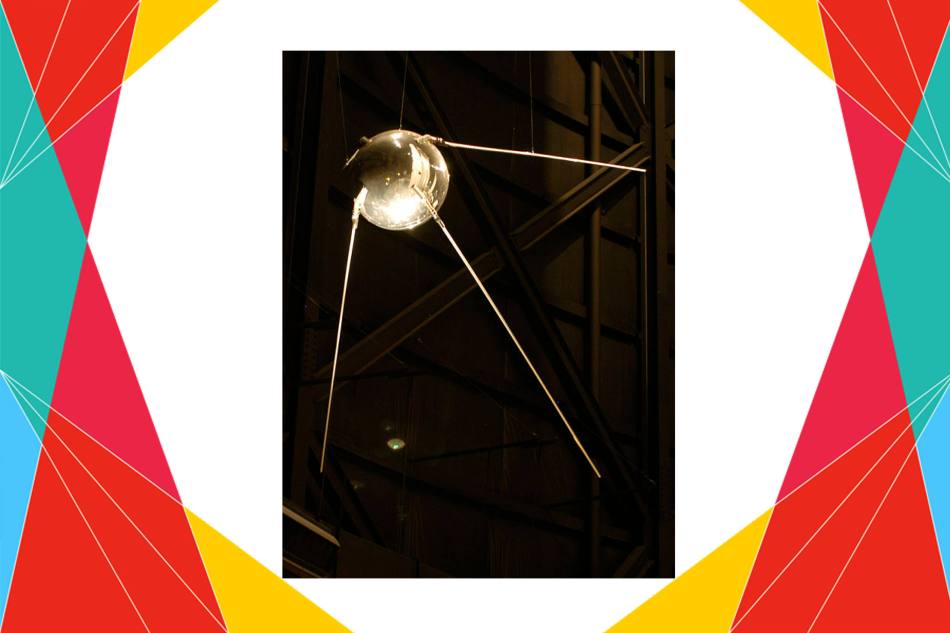
On October 4, 1957, the Soviet Union achieved a monumental milestone in space exploration with the launch of Sputnik 1, the world’s first artificial satellite. This historic event took place at precisely 10:29 p.m. Moscow time from the Tyuratam launch base, now known as the Baikonur Cosmodrome, in the Kazakh Republic. Sputnik 1 was a spherical satellite, measuring 22 inches in diameter and weighing approximately 184 pounds. It was equipped with four external radio antennas to broadcast radio pulses, which could be received by radio operators across the globe.
The satellite orbited Earth in an elliptical path, completing one full orbit every hour and 36 minutes. Traveling at an astonishing speed of 18,000 miles per hour, Sputnik 1’s orbit had an apogee, or the farthest point from Earth, of 584 miles, and a perigee, the nearest point to Earth, of 143 miles. This trajectory allowed the satellite to pass over different parts of the world, including the United States, several times each day. Its passage over America was a stark reminder of the Soviet Union’s technological prowess during the Cold War era, leading to significant political and scientific repercussions.
In the United States, the successful launch of Sputnik 1 came as a shock and was perceived as a challenge to American scientific and military supremacy. The launch marked the beginning of the space race, a period characterized by a fierce rivalry between the United States and the Soviet Union for dominance in space exploration. The American public and government were taken aback by the news, prompting a rapid acceleration in U.S. space and technological endeavors, which eventually led to the establishment of NASA in July 1958.
As expected, Sputnik 1’s orbit deteriorated over time. In January 1958, after approximately three months in space, the satellite re-entered Earth’s atmosphere and burned up, having completed 1,440 orbits and traveling about 43 million miles. Although Sputnik 1’s operational life was short-lived, it left an indelible mark on history, symbolizing the beginning of a new era in scientific achievement and altering the global perception of the Soviet Union’s capabilities. The launch of Sputnik not only demonstrated the Soviet Union’s advanced technological capabilities but also initiated a series of events that changed the course of history, leading to unprecedented advancements in science and technology worldwide.
#Hindi
4 अक्टूबर, 1957 को सोवियत संघ ने अंतरिक्ष अन्वेषण में एक महत्वपूर्ण उपलब्धि हासिल की। इस दिन उन्होंने स्पुतनिक 1 नामक दुनिया के पहले कृत्रिम उपग्रह को लॉन्च किया। यह ऐतिहासिक घटना रात के ठीक 10:29 बजे मास्को समय पर कजाख गणराज्य में स्थित ब्याकोनूर कोस्मोड्रोम (तब टयूराटम लॉन्च बेस) से हुई थी। स्पुतनिक 1 एक गोल आकार का उपग्रह था, जिसका व्यास 22 इंच और वजन लगभग 184 पाउंड था। इसमें चार बाहरी रेडियो एंटेना लगे थे, जो रेडियो सिग्नल प्रसारित करते थे, जिसे दुनिया भर के रेडियो ऑपरेटर्स पकड़ सकते थे।
यह उपग्रह पृथ्वी के चारों ओर एक अंडाकार कक्षा में घूमता था और हर 1 घंटे 36 मिनट में एक पूरा चक्कर लगाता था। स्पुतनिक 1 की गति 18,000 मील प्रति घंटे थी। इसकी कक्षा का अपोजी (पृथ्वी से सबसे दूर बिंदु) 584 मील और पेरिजी (पृथ्वी के सबसे पास बिंदु) 143 मील था। इस रास्ते से उपग्रह कई बार अमेरिका सहित दुनिया के अलग-अलग हिस्सों के ऊपर से गुजरता था। यह घटना शीत युद्ध के समय में सोवियत संघ की तकनीकी क्षमताओं का संकेत थी, जिससे बड़ी राजनीतिक और वैज्ञानिक प्रतिक्रियाएं उत्पन्न हुईं।
अमेरिका में, स्पुतनिक 1 का सफल प्रक्षेपण एक झटके के रूप में देखा गया और इसे अमेरिकी वैज्ञानिक और सैन्य प्रभुत्व के लिए एक चुनौती के रूप में माना गया। इस लॉन्च ने अंतरिक्ष दौड़ की शुरुआत की, जो अमेरिका और सोवियत संघ के बीच अंतरिक्ष अन्वेषण में एक तीव्र प्रतिस्पर्धा थी। इस खबर से अमेरिकी जनता और सरकार चकित रह गई, जिससे अमेरिकी अंतरिक्ष और तकनीकी प्रयासों में तेजी आई और जुलाई 1958 में नासा की स्थापना हुई।
स्पुतनिक 1 की कक्षा समय के साथ कमजोर हो गई। जनवरी 1958 में, लगभग तीन महीने बाद, यह उपग्रह पृथ्वी के वातावरण में पुनः प्रवेश कर जल गया, इसने 1,440 चक्कर लगाते हुए लगभग 43 मिलियन मील की यात्रा की। हालांकि स्पुतनिक 1 की संचालन अवधि छोटी थी, लेकिन इसने इतिहास पर एक अमिट छाप छोड़ी, विज्ञान में एक नए युग की शुरुआत का प्रतीक बना और सोवियत संघ की क्षमताओं के वैश्विक दृष्टिकोण को बदल दिया। स्पुतनिक के प्रक्षेपण ने न केवल सोवियत संघ की उन्नत तकनीकी क्षमताएं प्रदर्शित कीं बल्कि ऐसी घटनाओं की श्रृंखला भी शुरू की, जिन्होंने विज्ञान और प्रौद्योगिकी में विश्वव्यापी प्रगति को प्रेरित किया।

 NehaScope
’S’oviet Union launched World’s first artificial ’S’atellite ’S’putnik 1 today in 1957. It was named so as ’Sputnik’ is the Russian word for ‘Satellite’. x
On October 4, 1957, the Soviet Union achieved a monumental milestone in space exploration with the launch of Sputnik 1, the world’s first artificial satellite. This historic event took place at precisely 10:29 p.m. Moscow time from the Tyuratam launch base, now known as the Baikonur Cosmodrome, in the Kazakh Republic. Sputnik 1 was a spherical satellite, measuring 22 inches in diameter and weighing approximately 184 pounds. It was equipped with four external radio antennas to broadcast radio pulses, which could be received by radio operators across the globe.
The satellite orbited Earth in an elliptical path, completing one full orbit every hour and 36 minutes. Traveling at an astonishing speed of 18,000 miles per hour, Sputnik 1’s orbit had an apogee, or the farthest point from Earth, of 584 miles, and a perigee, the nearest point to Earth, of 143 miles. This trajectory allowed the satellite to pass over different parts of the world, including the United States, several times each day. Its passage over America was a stark reminder of the Soviet Union’s technological prowess during the Cold War era, leading to significant political and scientific repercussions.
In the United States, the successful launch of Sputnik 1 came as a shock and was perceived as a challenge to American scientific and military supremacy. The launch marked the beginning of the space race, a period characterized by a fierce rivalry between the United States and the Soviet Union for dominance in space exploration. The American public and government were taken aback by the news, prompting a rapid acceleration in U.S. space and technological endeavors, which eventually led to the establishment of NASA in July 1958.
As expected, Sputnik 1’s orbit deteriorated over time. In January 1958, after approximately three months in space, the satellite re-entered Earth’s atmosphere and burned up, having completed 1,440 orbits and traveling about 43 million miles. Although Sputnik 1’s operational life was short-lived, it left an indelible mark on history, symbolizing the beginning of a new era in scientific achievement and altering the global perception of the Soviet Union’s capabilities. The launch of Sputnik not only demonstrated the Soviet Union’s advanced technological capabilities but also initiated a series of events that changed the course of history, leading to unprecedented advancements in science and technology worldwide.
#Hindi
4 अक्टूबर, 1957 को सोवियत संघ ने अंतरिक्ष अन्वेषण में एक महत्वपूर्ण उपलब्धि हासिल की। इस दिन उन्होंने स्पुतनिक 1 नामक दुनिया के पहले कृत्रिम उपग्रह को लॉन्च किया। यह ऐतिहासिक घटना रात के ठीक 10:29 बजे मास्को समय पर कजाख गणराज्य में स्थित ब्याकोनूर कोस्मोड्रोम (तब टयूराटम लॉन्च बेस) से हुई थी। स्पुतनिक 1 एक गोल आकार का उपग्रह था, जिसका व्यास 22 इंच और वजन लगभग 184 पाउंड था। इसमें चार बाहरी रेडियो एंटेना लगे थे, जो रेडियो सिग्नल प्रसारित करते थे, जिसे दुनिया भर के रेडियो ऑपरेटर्स पकड़ सकते थे।
यह उपग्रह पृथ्वी के चारों ओर एक अंडाकार कक्षा में घूमता था और हर 1 घंटे 36 मिनट में एक पूरा चक्कर लगाता था। स्पुतनिक 1 की गति 18,000 मील प्रति घंटे थी। इसकी कक्षा का अपोजी (पृथ्वी से सबसे दूर बिंदु) 584 मील और पेरिजी (पृथ्वी के सबसे पास बिंदु) 143 मील था। इस रास्ते से उपग्रह कई बार अमेरिका सहित दुनिया के अलग-अलग हिस्सों के ऊपर से गुजरता था। यह घटना शीत युद्ध के समय में सोवियत संघ की तकनीकी क्षमताओं का संकेत थी, जिससे बड़ी राजनीतिक और वैज्ञानिक प्रतिक्रियाएं उत्पन्न हुईं।
अमेरिका में, स्पुतनिक 1 का सफल प्रक्षेपण एक झटके के रूप में देखा गया और इसे अमेरिकी वैज्ञानिक और सैन्य प्रभुत्व के लिए एक चुनौती के रूप में माना गया। इस लॉन्च ने अंतरिक्ष दौड़ की शुरुआत की, जो अमेरिका और सोवियत संघ के बीच अंतरिक्ष अन्वेषण में एक तीव्र प्रतिस्पर्धा थी। इस खबर से अमेरिकी जनता और सरकार चकित रह गई, जिससे अमेरिकी अंतरिक्ष और तकनीकी प्रयासों में तेजी आई और जुलाई 1958 में नासा की स्थापना हुई।
स्पुतनिक 1 की कक्षा समय के साथ कमजोर हो गई। जनवरी 1958 में, लगभग तीन महीने बाद, यह उपग्रह पृथ्वी के वातावरण में पुनः प्रवेश कर जल गया, इसने 1,440 चक्कर लगाते हुए लगभग 43 मिलियन मील की यात्रा की। हालांकि स्पुतनिक 1 की संचालन अवधि छोटी थी, लेकिन इसने इतिहास पर एक अमिट छाप छोड़ी, विज्ञान में एक नए युग की शुरुआत का प्रतीक बना और सोवियत संघ की क्षमताओं के वैश्विक दृष्टिकोण को बदल दिया। स्पुतनिक के प्रक्षेपण ने न केवल सोवियत संघ की उन्नत तकनीकी क्षमताएं प्रदर्शित कीं बल्कि ऐसी घटनाओं की श्रृंखला भी शुरू की, जिन्होंने विज्ञान और प्रौद्योगिकी में विश्वव्यापी प्रगति को प्रेरित किया।
Share this: