In 1926, Henry Ford, the founder of the car company Ford Motor, first implemented the plan for people working in factories to work 5 days a week and 8 hours a day. This plan was implemented at a time when many Factories had moved towards running the machines 24 hours… and people used to work for 10 to 16 hours… but after this gradually the policy of 5 day work in a week started being adopted all over the world.
In the early 20th century, the concept of the workweek was vastly different from what we know today. People toiled for long hours, sometimes stretching into 10 to 16-hour shifts, in factories that operated day and night. However, one man’s vision would change the course of labor history forever – Henry Ford, the founder of Ford Motor Company.
In 1926, Ford introduced a radical plan that revolutionized the way people worked: a 5-day workweek, comprising 8 hours per day. This groundbreaking decision not only transformed the lives of countless factory workers but also set a new standard for work-life balance that would eventually be embraced worldwide.
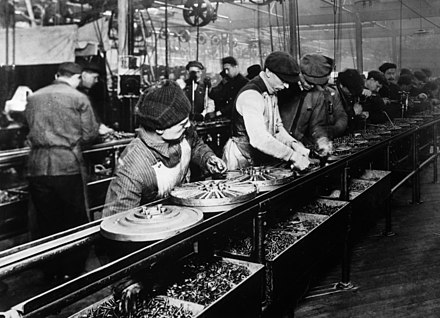
At the time, factory labor was a grueling and demanding occupation. Workers were often subjected to oppressive conditions, long hours, and meager wages. Industrialization had rapidly overtaken many aspects of society, leading to factories operating around the clock to meet the growing demand for manufactured goods.
Ford recognized the detrimental effects of this relentless work schedule on the physical and mental well-being of his employees. He believed that providing them with more time for leisure, rest, and family commitments would not only improve their quality of life but also boost productivity in the long run.
Ford’s decision to reduce the workweek from six to five days was highly controversial. Skeptics argued that such a change would be detrimental to the economy, as it would reduce production and slow down industrial growth. However, Ford’s implementation of this radical concept defied conventional wisdom and laid the foundation for a more equitable work environment.
Soon, other companies began to follow in Ford’s footsteps, recognizing the advantages of shorter working hours. The 5-day workweek quickly gained popularity around the world, becoming a standard practice in many industries. This groundbreaking shift marked a significant milestone in the labor rights movement, as it prioritized the well-being and needs of workers over relentless production.
The impact of Ford’s groundbreaking decision went beyond improved work-life balance. As employees gained more leisure time, they began to spend money on leisure activities, such as buying automobiles, going to movies, and engaging in recreational pursuits. This, in turn, bolstered consumerism and spurred economic growth, helping to shape the modern consumer-driven society we live in today.
#Hindi
1926 में, हेनरी फोर्ड, जो Ford Motor कंपनी के संस्थापक थे, ने पहली बार फैक्ट्री में काम करने वाले लोगों के लिए हफ्ते में 5 दिन और दिन में 8 घंटे काम करने का प्लान लागू किया। यह प्लान उस समय लागू किया गया जब कई फैक्ट्रियाँ 24 घंटे मशीनें चला रही थीं और लोग 10 से 16 घंटे तक काम करते थे। लेकिन इस प्लान के बाद धीरे-धीरे हफ्ते में 5 दिन काम करने की नीति दुनिया भर में अपनाई जाने लगी।
20वीं शताब्दी की शुरुआत में कामकाज का तरीका आज के मुकाबले काफी अलग था। लोग लंबे समय तक काम करते थे, कभी-कभी 10 से 16 घंटे की शिफ्ट में, और फैक्ट्रियाँ दिन और रात चलती रहती थीं। लेकिन हेनरी फोर्ड की सोच ने श्रम के इतिहास को हमेशा के लिए बदल दिया – उन्होंने 1926 में 5 दिन का कामकाजी हफ्ता शुरू किया, जिसमें हर दिन 8 घंटे का काम होता था।
उस समय फैक्ट्री में काम करना बहुत ही मुश्किल और थका देने वाला होता था। कामगारों को कठिन परिस्थितियों में लंबे समय तक काम करना पड़ता था, और उन्हें बहुत ही कम वेतन मिलता था। औद्योगिकीकरण के कारण फैक्ट्रियाँ दिन-रात चल रही थीं ताकि उत्पादन की बढ़ती मांग को पूरा किया जा सके।
फोर्ड ने देखा कि इस तरह की थकाने वाली काम की शेड्यूल से उनके कर्मचारियों के शारीरिक और मानसिक स्वास्थ्य पर बुरा प्रभाव पड़ रहा था। वह मानते थे कि अगर कर्मचारियों को आराम, परिवार के साथ समय बिताने और अपनी पसंदीदा गतिविधियों के लिए अधिक समय मिलेगा, तो उनकी जीवन की गुणवत्ता सुधरेगी और लंबी अवधि में उत्पादन भी बढ़ेगा।
फोर्ड का हफ्ते में 6 दिन से 5 दिन काम करने का फैसला बहुत विवादास्पद था। कुछ लोगों का मानना था कि इससे अर्थव्यवस्था को नुकसान होगा, क्योंकि उत्पादन कम हो जाएगा और औद्योगिक विकास धीमा पड़ जाएगा। लेकिन फोर्ड का यह क्रांतिकारी विचार पारंपरिक सोच को चुनौती देता था और एक अधिक समान कार्य स्थल की नींव रखता था।
जल्द ही, अन्य कंपनियाँ भी फोर्ड के कदमों का अनुसरण करने लगीं और कम काम के घंटे होने के फायदे पहचानने लगीं। 5 दिन का कामकाजी हफ्ता दुनिया भर में लोकप्रिय हो गया और कई उद्योगों में एक मानक प्रथा बन गया। इस महत्वपूर्ण बदलाव ने श्रमिक अधिकार आंदोलन में एक बड़ा मील का पत्थर चिह्नित किया, क्योंकि इसने श्रमिकों की भलाई और जरूरतों को उत्पादन से ऊपर रखा।
फोर्ड के इस क्रांतिकारी फैसले का प्रभाव सिर्फ कामकाजी संतुलन को बेहतर बनाने तक सीमित नहीं रहा। कर्मचारियों को अधिक अवकाश मिलने के कारण उन्होंने विभिन्न मनोरंजन क्रियाओं पर खर्च करना शुरू किया, जैसे कार खरीदना, सिनेमा जाना और मनोरंजन की गतिविधियों में भाग लेना। इससे उपभोक्तावाद को बढ़ावा मिला और आर्थिक वृद्धि हुई, जिसने आज के आधुनिक उपभोक्ता-प्रेरित समाज को आकार देने में मदद की।

 NehaScope
In 1926, Henry Ford, the founder of the car company Ford Motor, first implemented the plan for people working in factories to work 5 days a week and 8 hours a day. This plan was implemented at a time when many Factories had moved towards running the machines 24 hours… and people used to work for 10 to 16 hours… but after this gradually the policy of 5 day work in a week started being adopted all over the world.
In the early 20th century, the concept of the workweek was vastly different from what we know today. People toiled for long hours, sometimes stretching into 10 to 16-hour shifts, in factories that operated day and night. However, one man’s vision would change the course of labor history forever – Henry Ford, the founder of Ford Motor Company.
In 1926, Ford introduced a radical plan that revolutionized the way people worked: a 5-day workweek, comprising 8 hours per day. This groundbreaking decision not only transformed the lives of countless factory workers but also set a new standard for work-life balance that would eventually be embraced worldwide.
At the time, factory labor was a grueling and demanding occupation. Workers were often subjected to oppressive conditions, long hours, and meager wages. Industrialization had rapidly overtaken many aspects of society, leading to factories operating around the clock to meet the growing demand for manufactured goods.
Ford recognized the detrimental effects of this relentless work schedule on the physical and mental well-being of his employees. He believed that providing them with more time for leisure, rest, and family commitments would not only improve their quality of life but also boost productivity in the long run.
Ford’s decision to reduce the workweek from six to five days was highly controversial. Skeptics argued that such a change would be detrimental to the economy, as it would reduce production and slow down industrial growth. However, Ford’s implementation of this radical concept defied conventional wisdom and laid the foundation for a more equitable work environment.
Soon, other companies began to follow in Ford’s footsteps, recognizing the advantages of shorter working hours. The 5-day workweek quickly gained popularity around the world, becoming a standard practice in many industries. This groundbreaking shift marked a significant milestone in the labor rights movement, as it prioritized the well-being and needs of workers over relentless production.
The impact of Ford’s groundbreaking decision went beyond improved work-life balance. As employees gained more leisure time, they began to spend money on leisure activities, such as buying automobiles, going to movies, and engaging in recreational pursuits. This, in turn, bolstered consumerism and spurred economic growth, helping to shape the modern consumer-driven society we live in today.
#Hindi
1926 में, हेनरी फोर्ड, जो Ford Motor कंपनी के संस्थापक थे, ने पहली बार फैक्ट्री में काम करने वाले लोगों के लिए हफ्ते में 5 दिन और दिन में 8 घंटे काम करने का प्लान लागू किया। यह प्लान उस समय लागू किया गया जब कई फैक्ट्रियाँ 24 घंटे मशीनें चला रही थीं और लोग 10 से 16 घंटे तक काम करते थे। लेकिन इस प्लान के बाद धीरे-धीरे हफ्ते में 5 दिन काम करने की नीति दुनिया भर में अपनाई जाने लगी।
20वीं शताब्दी की शुरुआत में कामकाज का तरीका आज के मुकाबले काफी अलग था। लोग लंबे समय तक काम करते थे, कभी-कभी 10 से 16 घंटे की शिफ्ट में, और फैक्ट्रियाँ दिन और रात चलती रहती थीं। लेकिन हेनरी फोर्ड की सोच ने श्रम के इतिहास को हमेशा के लिए बदल दिया – उन्होंने 1926 में 5 दिन का कामकाजी हफ्ता शुरू किया, जिसमें हर दिन 8 घंटे का काम होता था।
उस समय फैक्ट्री में काम करना बहुत ही मुश्किल और थका देने वाला होता था। कामगारों को कठिन परिस्थितियों में लंबे समय तक काम करना पड़ता था, और उन्हें बहुत ही कम वेतन मिलता था। औद्योगिकीकरण के कारण फैक्ट्रियाँ दिन-रात चल रही थीं ताकि उत्पादन की बढ़ती मांग को पूरा किया जा सके।
फोर्ड ने देखा कि इस तरह की थकाने वाली काम की शेड्यूल से उनके कर्मचारियों के शारीरिक और मानसिक स्वास्थ्य पर बुरा प्रभाव पड़ रहा था। वह मानते थे कि अगर कर्मचारियों को आराम, परिवार के साथ समय बिताने और अपनी पसंदीदा गतिविधियों के लिए अधिक समय मिलेगा, तो उनकी जीवन की गुणवत्ता सुधरेगी और लंबी अवधि में उत्पादन भी बढ़ेगा।
फोर्ड का हफ्ते में 6 दिन से 5 दिन काम करने का फैसला बहुत विवादास्पद था। कुछ लोगों का मानना था कि इससे अर्थव्यवस्था को नुकसान होगा, क्योंकि उत्पादन कम हो जाएगा और औद्योगिक विकास धीमा पड़ जाएगा। लेकिन फोर्ड का यह क्रांतिकारी विचार पारंपरिक सोच को चुनौती देता था और एक अधिक समान कार्य स्थल की नींव रखता था।
जल्द ही, अन्य कंपनियाँ भी फोर्ड के कदमों का अनुसरण करने लगीं और कम काम के घंटे होने के फायदे पहचानने लगीं। 5 दिन का कामकाजी हफ्ता दुनिया भर में लोकप्रिय हो गया और कई उद्योगों में एक मानक प्रथा बन गया। इस महत्वपूर्ण बदलाव ने श्रमिक अधिकार आंदोलन में एक बड़ा मील का पत्थर चिह्नित किया, क्योंकि इसने श्रमिकों की भलाई और जरूरतों को उत्पादन से ऊपर रखा।
फोर्ड के इस क्रांतिकारी फैसले का प्रभाव सिर्फ कामकाजी संतुलन को बेहतर बनाने तक सीमित नहीं रहा। कर्मचारियों को अधिक अवकाश मिलने के कारण उन्होंने विभिन्न मनोरंजन क्रियाओं पर खर्च करना शुरू किया, जैसे कार खरीदना, सिनेमा जाना और मनोरंजन की गतिविधियों में भाग लेना। इससे उपभोक्तावाद को बढ़ावा मिला और आर्थिक वृद्धि हुई, जिसने आज के आधुनिक उपभोक्ता-प्रेरित समाज को आकार देने में मदद की।
Share this: