In 1930, the world saw the introduction of the first adhesive tape for sale. This tape was waterproof, transparent, and pressure-sensitive, making it a revolutionary invention. It was developed by Richard Drew, an American innovator.
Before the adhesive tape, people used a variety of methods to stick things together. Glue, pins, and stitching were some common techniques. However, these methods had their limitations. Glue took time to dry, pins were not suitable for all materials, and stitching required sewing skills. The need for a more efficient and practical solution led to the creation of adhesive tape.
SONY DSC
Richard Drew was working for 3M, a company that specialized in producing sandpaper at the time. While observing the factory workers, he noticed that they struggled to paint two-tone cars. The painters had to apply a line of masking paper to separate the two colors, but it was not an easy task. The paper would often tear or fall off, causing frustration and delaying the painting process.
Determined to find a solution, Drew experimented with different materials and adhesives. After several attempts, he developed a tape with a special adhesive that allowed it to stick firmly but also be easily removed without leaving any residue. This adhesive tape was a game-changer in the industry.
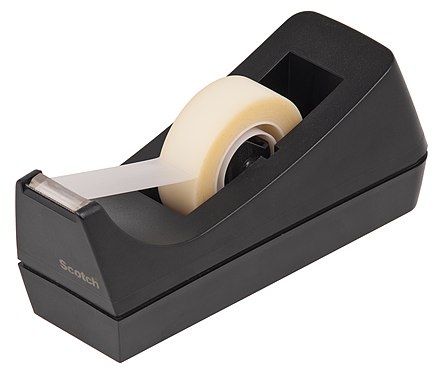
The first adhesive tape produced by Drew’s team was named “Scotch” tape. The name originated from the process of “scotching,” which means cutting or incising a line. Scotch tape quickly gained popularity due to its versatility and convenience. It could be used for various applications, such as wrapping gifts, sealing envelopes, and repairing torn paper.
Over the years, adhesive tapes evolved to meet different needs. There are now tapes specifically designed for electrical insulation, packaging, medical purposes, and even decorative purposes. The invention of adhesive tape revolutionized various industries and became an essential tool in everyday life.
Looking back, it is fascinating to see how such a simple invention transformed the way we do things. Richard Drew’s adhesive tape not only solved a specific problem but also opened doors to countless possibilities. It laid the foundation for further innovations and advancements in adhesive technology.
Today, adhesive tapes are an integral part of our lives, whether we realize it or not. From packaging our online purchases to repairing broken items, we rely on adhesive tapes for countless tasks. The historical perspective of adhesive tape reminds us of the importance of innovation and how even the smallest inventions can have a significant impact on society.
#Hindi
1930 में, दुनिया ने पहली बार बेचने के लिए चिपकने वाली टेप की शुरुआत देखी। यह टेप जलरोधक, पारदर्शी और दबाव-संवेदनशील थी, जो एक क्रांतिकारी अविष्कार था। इसे रिचर्ड ड्रू, एक अमेरिकी इनोवेटर द्वारा विकसित किया गया था।
चिपकने वाली टेप से पहले, लोग चीजों को जोड़ने के लिए अलग-अलग तरीकों का उपयोग करते थे। गोंद, पिन और सिलाई आम तकनीकें थीं। लेकिन इनमें कुछ सीमाएँ थीं। गोंद सूखने में समय लेता था, पिन सभी सामग्रियों के लिए उपयुक्त नहीं होते थे, और सिलाई के लिए सिलने की कौशल की जरूरत होती थी। एक अधिक कुशल और व्यावहारिक समाधान की आवश्यकता ने चिपकने वाली टेप के निर्माण की ओर अग्रसर किया।
रिचर्ड ड्रू 3M कंपनी के लिए काम कर रहे थे, जो उस समय सैंडपेपर बनाने में विशेषज्ञता रखती थी। उन्होंने देखा कि फैक्ट्री में काम करने वाले मजदूरों को दो रंगों की गाड़ियों को पेंट करने में परेशानी होती थी। पेंटर्स को दो रंगों को अलग करने के लिए मास्किंग पेपर की एक लाइन लगानी पड़ती थी, लेकिन यह काम आसान नहीं था। पेपर अक्सर फट जाता या गिर जाता, जिससे परेशानी होती और पेंटिंग प्रक्रिया में देरी होती।
समाधान खोजने के लिए दृढ़ संकल्पित, ड्रू ने विभिन्न सामग्रियों और चिपकने वाले पदार्थों के साथ प्रयोग किया। कई प्रयासों के बाद, उन्होंने एक विशेष चिपकने वाले के साथ एक टेप विकसित की जो मजबूती से जुड़ जाती थी, लेकिन आसानी से बिना कोई निशान छोड़े हटाई जा सकती थी। यह चिपकने वाली टेप उद्योग में एक गेम-चेंजर बन गई।
ड्रू की टीम द्वारा बनाई गई पहली चिपकने वाली टेप को “स्कॉच” टेप नाम दिया गया। नाम “स्कॉचिंग” की प्रक्रिया से आया, जिसका मतलब एक रेखा काटना या उकेरना होता है। स्कॉच टेप ने अपनी बहुमुखी प्रतिभा और सुविधा के कारण जल्दी ही लोकप्रियता हासिल कर ली। इसका उपयोग उपहार पैक करने, लिफाफे बंद करने और फटे कागज की मरम्मत के लिए किया जा सकता था।
वर्षों में, चिपकने वाली टेप अलग-अलग जरूरतों को पूरा करने के लिए विकसित हुई। अब बिजली की इन्सुलेशन, पैकेजिंग, चिकित्सा उद्देश्यों और सजावटी उद्देश्यों के लिए विशेष रूप से डिज़ाइन की गई टेपें हैं। चिपकने वाली टेप का अविष्कार विभिन्न उद्योगों में क्रांति ले आया और यह हमारे दैनिक जीवन का एक अनिवार्य हिस्सा बन गई।
पीछे मुड़कर देखें तो यह देखना अद्भुत है कि कैसे एक सरल अविष्कार ने हमारे काम करने के तरीके को बदल दिया। रिचर्ड ड्रू की चिपकने वाली टेप ने न केवल एक विशिष्ट समस्या का समाधान किया बल्कि अनगिनत संभावनाओं के द्वार भी खोले। इसने चिपकने वाली तकनीक में आगे के नवाचारों और प्रगति की नींव रखी।
आज, चिपकने वाली टेप हमारे जीवन का अभिन्न हिस्सा बन गई है, चाहे हम इसे महसूस करें या नहीं। ऑनलाइन खरीदारी के पैकेजिंग से लेकर टूटी हुई वस्तुओं की मरम्मत तक, हम अनगिनत कार्यों के लिए चिपकने वाली टेप पर निर्भर करते हैं। चिपकने वाली टेप का ऐतिहासिक दृष्टिकोण हमें नवाचार के महत्व की याद दिलाता है और यह भी कि कैसे छोटे से छोटे अविष्कार का समाज पर महत्वपूर्ण प्रभाव पड़ सकता है।

 NehaScope
In 1930, the world saw the introduction of the first adhesive tape for sale. This tape was waterproof, transparent, and pressure-sensitive, making it a revolutionary invention. It was developed by Richard Drew, an American innovator.
Before the adhesive tape, people used a variety of methods to stick things together. Glue, pins, and stitching were some common techniques. However, these methods had their limitations. Glue took time to dry, pins were not suitable for all materials, and stitching required sewing skills. The need for a more efficient and practical solution led to the creation of adhesive tape.
Richard Drew was working for 3M, a company that specialized in producing sandpaper at the time. While observing the factory workers, he noticed that they struggled to paint two-tone cars. The painters had to apply a line of masking paper to separate the two colors, but it was not an easy task. The paper would often tear or fall off, causing frustration and delaying the painting process.
Determined to find a solution, Drew experimented with different materials and adhesives. After several attempts, he developed a tape with a special adhesive that allowed it to stick firmly but also be easily removed without leaving any residue. This adhesive tape was a game-changer in the industry.
The first adhesive tape produced by Drew’s team was named “Scotch” tape. The name originated from the process of “scotching,” which means cutting or incising a line. Scotch tape quickly gained popularity due to its versatility and convenience. It could be used for various applications, such as wrapping gifts, sealing envelopes, and repairing torn paper.
Over the years, adhesive tapes evolved to meet different needs. There are now tapes specifically designed for electrical insulation, packaging, medical purposes, and even decorative purposes. The invention of adhesive tape revolutionized various industries and became an essential tool in everyday life.
Looking back, it is fascinating to see how such a simple invention transformed the way we do things. Richard Drew’s adhesive tape not only solved a specific problem but also opened doors to countless possibilities. It laid the foundation for further innovations and advancements in adhesive technology.
Today, adhesive tapes are an integral part of our lives, whether we realize it or not. From packaging our online purchases to repairing broken items, we rely on adhesive tapes for countless tasks. The historical perspective of adhesive tape reminds us of the importance of innovation and how even the smallest inventions can have a significant impact on society.
#Hindi
1930 में, दुनिया ने पहली बार बेचने के लिए चिपकने वाली टेप की शुरुआत देखी। यह टेप जलरोधक, पारदर्शी और दबाव-संवेदनशील थी, जो एक क्रांतिकारी अविष्कार था। इसे रिचर्ड ड्रू, एक अमेरिकी इनोवेटर द्वारा विकसित किया गया था।
चिपकने वाली टेप से पहले, लोग चीजों को जोड़ने के लिए अलग-अलग तरीकों का उपयोग करते थे। गोंद, पिन और सिलाई आम तकनीकें थीं। लेकिन इनमें कुछ सीमाएँ थीं। गोंद सूखने में समय लेता था, पिन सभी सामग्रियों के लिए उपयुक्त नहीं होते थे, और सिलाई के लिए सिलने की कौशल की जरूरत होती थी। एक अधिक कुशल और व्यावहारिक समाधान की आवश्यकता ने चिपकने वाली टेप के निर्माण की ओर अग्रसर किया।
रिचर्ड ड्रू 3M कंपनी के लिए काम कर रहे थे, जो उस समय सैंडपेपर बनाने में विशेषज्ञता रखती थी। उन्होंने देखा कि फैक्ट्री में काम करने वाले मजदूरों को दो रंगों की गाड़ियों को पेंट करने में परेशानी होती थी। पेंटर्स को दो रंगों को अलग करने के लिए मास्किंग पेपर की एक लाइन लगानी पड़ती थी, लेकिन यह काम आसान नहीं था। पेपर अक्सर फट जाता या गिर जाता, जिससे परेशानी होती और पेंटिंग प्रक्रिया में देरी होती।
समाधान खोजने के लिए दृढ़ संकल्पित, ड्रू ने विभिन्न सामग्रियों और चिपकने वाले पदार्थों के साथ प्रयोग किया। कई प्रयासों के बाद, उन्होंने एक विशेष चिपकने वाले के साथ एक टेप विकसित की जो मजबूती से जुड़ जाती थी, लेकिन आसानी से बिना कोई निशान छोड़े हटाई जा सकती थी। यह चिपकने वाली टेप उद्योग में एक गेम-चेंजर बन गई।
ड्रू की टीम द्वारा बनाई गई पहली चिपकने वाली टेप को “स्कॉच” टेप नाम दिया गया। नाम “स्कॉचिंग” की प्रक्रिया से आया, जिसका मतलब एक रेखा काटना या उकेरना होता है। स्कॉच टेप ने अपनी बहुमुखी प्रतिभा और सुविधा के कारण जल्दी ही लोकप्रियता हासिल कर ली। इसका उपयोग उपहार पैक करने, लिफाफे बंद करने और फटे कागज की मरम्मत के लिए किया जा सकता था।
वर्षों में, चिपकने वाली टेप अलग-अलग जरूरतों को पूरा करने के लिए विकसित हुई। अब बिजली की इन्सुलेशन, पैकेजिंग, चिकित्सा उद्देश्यों और सजावटी उद्देश्यों के लिए विशेष रूप से डिज़ाइन की गई टेपें हैं। चिपकने वाली टेप का अविष्कार विभिन्न उद्योगों में क्रांति ले आया और यह हमारे दैनिक जीवन का एक अनिवार्य हिस्सा बन गई।
पीछे मुड़कर देखें तो यह देखना अद्भुत है कि कैसे एक सरल अविष्कार ने हमारे काम करने के तरीके को बदल दिया। रिचर्ड ड्रू की चिपकने वाली टेप ने न केवल एक विशिष्ट समस्या का समाधान किया बल्कि अनगिनत संभावनाओं के द्वार भी खोले। इसने चिपकने वाली तकनीक में आगे के नवाचारों और प्रगति की नींव रखी।
आज, चिपकने वाली टेप हमारे जीवन का अभिन्न हिस्सा बन गई है, चाहे हम इसे महसूस करें या नहीं। ऑनलाइन खरीदारी के पैकेजिंग से लेकर टूटी हुई वस्तुओं की मरम्मत तक, हम अनगिनत कार्यों के लिए चिपकने वाली टेप पर निर्भर करते हैं। चिपकने वाली टेप का ऐतिहासिक दृष्टिकोण हमें नवाचार के महत्व की याद दिलाता है और यह भी कि कैसे छोटे से छोटे अविष्कार का समाज पर महत्वपूर्ण प्रभाव पड़ सकता है।
Share this: