In the annals of history, the year 1959 holds a significant place due to a momentous event that unfolded in the celestial realm – a massive solar storm. It was an occurrence that captivated the scientific community and left a lasting impact on our understanding of space weather and its effects on Earth.
The stage was set on the early morning of February 4, 1959, when a group of amateur radio operators around the globe noticed an unexpected surge in radio interference. This was followed by a dramatic display of the aurora borealis, commonly known as the northern lights, which shimmered across the skies in regions far beyond their usual boundaries.
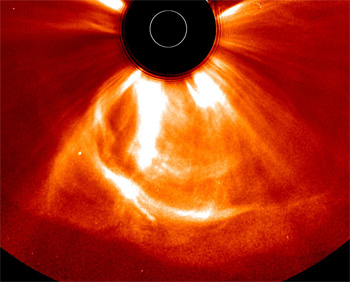
As scientists scrambled to comprehend these peculiar phenomena, they soon realized that a solar storm of exceptional magnitude had swept across the sun and unleashed a barrage of charged particles towards our planet. This colossal outburst, known as the Carrington Event, was unparalleled in its intensity since the dawn of scientific observation.
The Carrington Event derived its name from British astronomer Richard Carrington, who, in 1859, first observed and documented a similar solar storm. However, the impact of the 1959 event was far greater due to the rapid advancements in technology and the growing dependence on electrical infrastructure.
During this era, electricity had become the lifeblood of modern civilization, powering industries, homes, and communication systems. Yet, these very systems were now at the mercy of an invisible force emanating from our sun. The solar storm caused an unprecedented disruption in electrical grids, telecommunications, and even radio broadcasts.
In some regions, power grids experienced surges that overloaded transformers, causing widespread blackouts and leaving millions of people in darkness. Telecommunication networks were severely impaired, and radio signals were distorted or completely disrupted. Even satellites, a relatively new technology at the time, faced significant challenges in their orbits due to the increased atmospheric drag caused by the storm.
The effects were not limited to our technological infrastructure; the solar storm also left an indelible mark on Earth’s ecosystems. Magnetic disturbances from the energetic particles disrupted animal navigation systems, causing disorientation and behavioral changes. Additionally, it is believed that the increased radiation levels during the event had adverse effects on both human and animal health, although the extent of these impacts remains a subject of ongoing research.
In the aftermath of the 1959 solar storm, scientists and engineers became acutely aware of the vulnerability of our technological society to space weather events. The event served as a wake-up call, prompting the development of strategies and technologies to mitigate the potential damage caused by future solar storms.
One of the immediate responses to the Carrington Event was the establishment of a global network of observatories dedicated to monitoring the sun and predicting space weather. Scientists worked tirelessly to develop models and algorithms that could forecast the occurrence and intensity of solar storms, allowing for early warnings and precautionary measures to be taken.
Technological advancements also played a crucial role in safeguarding our electrical infrastructure. The design and construction of power grids and telecommunications networks were revised to incorporate protective measures against electromagnetic disturbances caused by solar storms. Transformers and other critical components were fortified to withstand sudden surges in electrical currents.
Satellite technology was not left untouched either. Engineers developed shielding mechanisms and improved propulsion systems that could counteract the effects of atmospheric drag during solar storms. This ensured the uninterrupted functioning of satellites vital for communication, weather prediction, and navigation.
Furthermore, the widespread dissemination of knowledge and awareness about space weather became a priority. Educational programs and public awareness campaigns helped the general population understand the potential risks associated with solar storms and the steps they could take to protect themselves and their equipment during such events.
In the decades that followed the Carrington Event, space weather forecasting and mitigation measures became integral parts of our technological development. The lessons learned from this significant event paved the way for the creation of dedicated space weather agencies and research organizations, ensuring that the impacts of solar storms on our modern society are understood and minimized.
Nonetheless, the threat of a massive solar storm still looms over our world. As our reliance on technology continues to grow, so does our vulnerability to space weather events. Although significant progress has been made in predicting and mitigating the effects of solar storms, there is still much to be learned and improved upon.
The 1959 Carrington Event will forever be remembered as a turning point in our understanding of space weather and its impact on Earth. It serves as a stark reminder that our existence is intertwined with the cosmic forces beyond our planet, and we must remain vigilant in our efforts to protect ourselves and our technology from the unpredictable power of the sun.
#Hindi
4 फरवरी 1959 की सुबह का समय था। दुनिया भर के शौकिया रेडियो ऑपरेटरों ने रेडियो में अचानक से बढ़ी हुई गड़बड़ी को नोटिस किया। इसके साथ ही, एक अद्भुत और रंगीन रोशनी जिसे नॉर्दन लाइट्स कहते हैं, आसमान में दिखाई दी। यह वह जगह थी जहाँ ये रोशनी आमतौर पर नहीं दिखती।
वैज्ञानिक इस अद्भुत घटना को समझने की कोशिश कर रहे थे, और उन्हें जल्दी ही पता चला कि सूर्य पर एक बहुत बड़ा सौर तूफान आया था। इस तूफान से चार्ज्ड कण धरती की ओर आ गए थे। इस बड़े विस्फोट को कैरिंगटन इवेंट कहा गया। यह नाम ब्रिटिश खगोलशास्त्री रिचर्ड कैरिंगटन के नाम पर रखा गया। उन्होंने 1859 में इसी तरह के एक सौर तूफान को देखा और रिकॉर्ड किया था।
1959 का ये इवेंट इसलिए भी बड़ा था क्योंकि तब तक प्रौद्योगिकी में काफी तरक्की हो चुकी थी और बिजली पर निर्भरता बढ़ गई थी। बिजली अब आधुनिक सभ्यता की आत्मा बन चुकी थी। यह उद्योगों, घरों और संचार प्रणालियों को शक्ति प्रदान करती थी। लेकिन यही प्रणालियाँ अब सूर्य से आने वाले अदृश्य बल के सामने असहाय थीं। सौर तूफान ने बिजली के ग्रिड, दूरसंचार और रेडियो प्रसारण में रुकावटें डालीं।
कुछ क्षेत्रों में बिजली ग्रिड में इतने बड़े बदलाव आए कि ट्रांसफॉर्मर ओवरलोड हो गए, जिससे व्यापक ब्लैकआउट हुआ और लाखों लोग अंधेरे में रह गए। दूरसंचार नेटवर्क बुरी तरह से प्रभावित हुए और रेडियो सिग्नल बाधित हो गए। यहां तक कि सैटेलाइट्स को भी समस्याओं का सामना करना पड़ा।
सौर तूफान का असर सिर्फ तकनीकी संरचना तक सीमित नहीं था। धरती के पारिस्थितिक तंत्र पर भी इसका प्रभाव पड़ा। ऊर्जा कणों से उत्पन्न चुम्बकीय अशांति ने जानवरों की नेविगेशन प्रणाली को बाधित कर दिया। इसके अलावा, बढ़े हुए विकिरण स्तर का मानव और जानवरों के स्वास्थ्य पर भी नकारात्मक प्रभाव पड़ा।
1959 के सौर तूफान के बाद, वैज्ञानिक और इंजीनियर इस बात से वाकिफ हो गए कि हमारी तकनीकी सभ्यता अंतरिक्ष मौसम की घटनाओं के प्रति कितनी संवेदनशील है। इस घटना ने भविष्य के सौर तूफानों से होने वाले संभावित नुकसान को कम करने के लिए रणनीतियों और तकनीकों के विकास को प्रेरित किया।
कैरिंगटन इवेंट के बाद, सूर्य की गतिविधियों को मॉनिटर करने और अंतरिक्ष मौसम का पूर्वानुमान लगाने के लिए वैश्विक स्तर पर वेधशालाओं का नेटवर्क स्थापित किया गया। वैज्ञानिकों ने मॉडल और एल्गोरिद्म विकसित किए ताकि सौर तूफानों की भविष्यवाणी की जा सके और पहले से ही सावधानी बरती जा सके।
तकनीकी प्रगति ने भी हमारी विद्युत संरचना की सुरक्षा में महत्वपूर्ण भूमिका निभाई। पावर ग्रिड और दूरसंचार नेटवर्क के डिजाइन और निर्माण को सौर तूफानों के कारण होने वाली विद्युत गड़बड़ी से सुरक्षा के लिए संशोधित किया गया। ट्रांसफार्मर और अन्य महत्वपूर्ण घटकों को अचानक विद्युत प्रवाह के उभार के लिए मजबूत बनाया गया।
सैटेलाइट प्रौद्योगिकी के लिए भी कदम उठाए गए। इंजीनियरों ने सुरक्षा तंत्र और उन्नत प्रणोदन प्रणाली विकसित की जो सौर तूफानों के दौरान सैटेलाइट्स को चालू रख सके। इसके साथ ही, अंतरिक्ष मौसम के बारे में ज्ञान और जागरूकता फैलाना भी प्राथमिकता बन गया। शिक्षण कार्यक्रम और जन जागरूकता अभियान आम जनता को सौर तूफानों से जुड़े जोखिमों को समझने में मदद करते हैं।
कैरिंगटन इवेंट के बाद के दशकों में, अंतरिक्ष मौसम की भविष्यवाणी और प्रतिरोधक उपाय हमारे तकनीकी विकास का अभिन्न हिस्सा बन गए। इस घटना से सीखे गए पाठों ने समर्पित अंतरिक्ष मौसम एजेंसियों और अनुसंधान संगठनों के निर्माण का मार्ग प्रशस्त किया, जिससे यह सुनिश्चित हो सके कि सौर तूफानों के प्रभाव को समझा और न्यूनतम किया जा सके।
फिर भी, एक बड़े सौर तूफान का खतरा अब भी हमारे ऊपर मंडरा रहा है। जैसे-जैसे हमारी तकनीक पर निर्भरता बढ़ रही है, वैसे-वैसे अंतरिक्ष मौसम की घटनाओं के प्रति हमारी संवेदनशीलता भी बढ़ रही है। हालांकि सौर तूफानों के प्रभाव की भविष्यवाणी और सुधार में महत्वपूर्ण प्रगति हुई है, अभी भी सीखने और सुधारने के लिए बहुत कुछ बाकी है।
1959 की कैरिंगटन इवेंट हमारे अंतरिक्ष मौसम और धरती पर इसके प्रभाव की समझ में एक महत्वपूर्ण मोड़ के रूप में हमेशा याद किया जाएगा। यह हमें याद दिलाता है कि हमारी स्थिति ब्रह्मांडीय शक्तियों से जुड़ी हुई है और हमें खुद को और अपनी तकनीक को सूर्य की अप्रत्याशित शक्ति से बचाने के लिए सतर्क रहना होगा।

 NehaScope
In the annals of history, the year 1959 holds a significant place due to a momentous event that unfolded in the celestial realm – a massive solar storm. It was an occurrence that captivated the scientific community and left a lasting impact on our understanding of space weather and its effects on Earth.
The stage was set on the early morning of February 4, 1959, when a group of amateur radio operators around the globe noticed an unexpected surge in radio interference. This was followed by a dramatic display of the aurora borealis, commonly known as the northern lights, which shimmered across the skies in regions far beyond their usual boundaries.
As scientists scrambled to comprehend these peculiar phenomena, they soon realized that a solar storm of exceptional magnitude had swept across the sun and unleashed a barrage of charged particles towards our planet. This colossal outburst, known as the Carrington Event, was unparalleled in its intensity since the dawn of scientific observation.
The Carrington Event derived its name from British astronomer Richard Carrington, who, in 1859, first observed and documented a similar solar storm. However, the impact of the 1959 event was far greater due to the rapid advancements in technology and the growing dependence on electrical infrastructure.
During this era, electricity had become the lifeblood of modern civilization, powering industries, homes, and communication systems. Yet, these very systems were now at the mercy of an invisible force emanating from our sun. The solar storm caused an unprecedented disruption in electrical grids, telecommunications, and even radio broadcasts.
In some regions, power grids experienced surges that overloaded transformers, causing widespread blackouts and leaving millions of people in darkness. Telecommunication networks were severely impaired, and radio signals were distorted or completely disrupted. Even satellites, a relatively new technology at the time, faced significant challenges in their orbits due to the increased atmospheric drag caused by the storm.
The effects were not limited to our technological infrastructure; the solar storm also left an indelible mark on Earth’s ecosystems. Magnetic disturbances from the energetic particles disrupted animal navigation systems, causing disorientation and behavioral changes. Additionally, it is believed that the increased radiation levels during the event had adverse effects on both human and animal health, although the extent of these impacts remains a subject of ongoing research.
In the aftermath of the 1959 solar storm, scientists and engineers became acutely aware of the vulnerability of our technological society to space weather events. The event served as a wake-up call, prompting the development of strategies and technologies to mitigate the potential damage caused by future solar storms.
One of the immediate responses to the Carrington Event was the establishment of a global network of observatories dedicated to monitoring the sun and predicting space weather. Scientists worked tirelessly to develop models and algorithms that could forecast the occurrence and intensity of solar storms, allowing for early warnings and precautionary measures to be taken.
Technological advancements also played a crucial role in safeguarding our electrical infrastructure. The design and construction of power grids and telecommunications networks were revised to incorporate protective measures against electromagnetic disturbances caused by solar storms. Transformers and other critical components were fortified to withstand sudden surges in electrical currents.
Satellite technology was not left untouched either. Engineers developed shielding mechanisms and improved propulsion systems that could counteract the effects of atmospheric drag during solar storms. This ensured the uninterrupted functioning of satellites vital for communication, weather prediction, and navigation.
Furthermore, the widespread dissemination of knowledge and awareness about space weather became a priority. Educational programs and public awareness campaigns helped the general population understand the potential risks associated with solar storms and the steps they could take to protect themselves and their equipment during such events.
In the decades that followed the Carrington Event, space weather forecasting and mitigation measures became integral parts of our technological development. The lessons learned from this significant event paved the way for the creation of dedicated space weather agencies and research organizations, ensuring that the impacts of solar storms on our modern society are understood and minimized.
Nonetheless, the threat of a massive solar storm still looms over our world. As our reliance on technology continues to grow, so does our vulnerability to space weather events. Although significant progress has been made in predicting and mitigating the effects of solar storms, there is still much to be learned and improved upon.
The 1959 Carrington Event will forever be remembered as a turning point in our understanding of space weather and its impact on Earth. It serves as a stark reminder that our existence is intertwined with the cosmic forces beyond our planet, and we must remain vigilant in our efforts to protect ourselves and our technology from the unpredictable power of the sun.
#Hindi
4 फरवरी 1959 की सुबह का समय था। दुनिया भर के शौकिया रेडियो ऑपरेटरों ने रेडियो में अचानक से बढ़ी हुई गड़बड़ी को नोटिस किया। इसके साथ ही, एक अद्भुत और रंगीन रोशनी जिसे नॉर्दन लाइट्स कहते हैं, आसमान में दिखाई दी। यह वह जगह थी जहाँ ये रोशनी आमतौर पर नहीं दिखती।
वैज्ञानिक इस अद्भुत घटना को समझने की कोशिश कर रहे थे, और उन्हें जल्दी ही पता चला कि सूर्य पर एक बहुत बड़ा सौर तूफान आया था। इस तूफान से चार्ज्ड कण धरती की ओर आ गए थे। इस बड़े विस्फोट को कैरिंगटन इवेंट कहा गया। यह नाम ब्रिटिश खगोलशास्त्री रिचर्ड कैरिंगटन के नाम पर रखा गया। उन्होंने 1859 में इसी तरह के एक सौर तूफान को देखा और रिकॉर्ड किया था।
1959 का ये इवेंट इसलिए भी बड़ा था क्योंकि तब तक प्रौद्योगिकी में काफी तरक्की हो चुकी थी और बिजली पर निर्भरता बढ़ गई थी। बिजली अब आधुनिक सभ्यता की आत्मा बन चुकी थी। यह उद्योगों, घरों और संचार प्रणालियों को शक्ति प्रदान करती थी। लेकिन यही प्रणालियाँ अब सूर्य से आने वाले अदृश्य बल के सामने असहाय थीं। सौर तूफान ने बिजली के ग्रिड, दूरसंचार और रेडियो प्रसारण में रुकावटें डालीं।
कुछ क्षेत्रों में बिजली ग्रिड में इतने बड़े बदलाव आए कि ट्रांसफॉर्मर ओवरलोड हो गए, जिससे व्यापक ब्लैकआउट हुआ और लाखों लोग अंधेरे में रह गए। दूरसंचार नेटवर्क बुरी तरह से प्रभावित हुए और रेडियो सिग्नल बाधित हो गए। यहां तक कि सैटेलाइट्स को भी समस्याओं का सामना करना पड़ा।
सौर तूफान का असर सिर्फ तकनीकी संरचना तक सीमित नहीं था। धरती के पारिस्थितिक तंत्र पर भी इसका प्रभाव पड़ा। ऊर्जा कणों से उत्पन्न चुम्बकीय अशांति ने जानवरों की नेविगेशन प्रणाली को बाधित कर दिया। इसके अलावा, बढ़े हुए विकिरण स्तर का मानव और जानवरों के स्वास्थ्य पर भी नकारात्मक प्रभाव पड़ा।
1959 के सौर तूफान के बाद, वैज्ञानिक और इंजीनियर इस बात से वाकिफ हो गए कि हमारी तकनीकी सभ्यता अंतरिक्ष मौसम की घटनाओं के प्रति कितनी संवेदनशील है। इस घटना ने भविष्य के सौर तूफानों से होने वाले संभावित नुकसान को कम करने के लिए रणनीतियों और तकनीकों के विकास को प्रेरित किया।
कैरिंगटन इवेंट के बाद, सूर्य की गतिविधियों को मॉनिटर करने और अंतरिक्ष मौसम का पूर्वानुमान लगाने के लिए वैश्विक स्तर पर वेधशालाओं का नेटवर्क स्थापित किया गया। वैज्ञानिकों ने मॉडल और एल्गोरिद्म विकसित किए ताकि सौर तूफानों की भविष्यवाणी की जा सके और पहले से ही सावधानी बरती जा सके।
तकनीकी प्रगति ने भी हमारी विद्युत संरचना की सुरक्षा में महत्वपूर्ण भूमिका निभाई। पावर ग्रिड और दूरसंचार नेटवर्क के डिजाइन और निर्माण को सौर तूफानों के कारण होने वाली विद्युत गड़बड़ी से सुरक्षा के लिए संशोधित किया गया। ट्रांसफार्मर और अन्य महत्वपूर्ण घटकों को अचानक विद्युत प्रवाह के उभार के लिए मजबूत बनाया गया।
सैटेलाइट प्रौद्योगिकी के लिए भी कदम उठाए गए। इंजीनियरों ने सुरक्षा तंत्र और उन्नत प्रणोदन प्रणाली विकसित की जो सौर तूफानों के दौरान सैटेलाइट्स को चालू रख सके। इसके साथ ही, अंतरिक्ष मौसम के बारे में ज्ञान और जागरूकता फैलाना भी प्राथमिकता बन गया। शिक्षण कार्यक्रम और जन जागरूकता अभियान आम जनता को सौर तूफानों से जुड़े जोखिमों को समझने में मदद करते हैं।
कैरिंगटन इवेंट के बाद के दशकों में, अंतरिक्ष मौसम की भविष्यवाणी और प्रतिरोधक उपाय हमारे तकनीकी विकास का अभिन्न हिस्सा बन गए। इस घटना से सीखे गए पाठों ने समर्पित अंतरिक्ष मौसम एजेंसियों और अनुसंधान संगठनों के निर्माण का मार्ग प्रशस्त किया, जिससे यह सुनिश्चित हो सके कि सौर तूफानों के प्रभाव को समझा और न्यूनतम किया जा सके।
फिर भी, एक बड़े सौर तूफान का खतरा अब भी हमारे ऊपर मंडरा रहा है। जैसे-जैसे हमारी तकनीक पर निर्भरता बढ़ रही है, वैसे-वैसे अंतरिक्ष मौसम की घटनाओं के प्रति हमारी संवेदनशीलता भी बढ़ रही है। हालांकि सौर तूफानों के प्रभाव की भविष्यवाणी और सुधार में महत्वपूर्ण प्रगति हुई है, अभी भी सीखने और सुधारने के लिए बहुत कुछ बाकी है।
1959 की कैरिंगटन इवेंट हमारे अंतरिक्ष मौसम और धरती पर इसके प्रभाव की समझ में एक महत्वपूर्ण मोड़ के रूप में हमेशा याद किया जाएगा। यह हमें याद दिलाता है कि हमारी स्थिति ब्रह्मांडीय शक्तियों से जुड़ी हुई है और हमें खुद को और अपनी तकनीक को सूर्य की अप्रत्याशित शक्ति से बचाने के लिए सतर्क रहना होगा।
Share this: