Thomas Edison, the great inventor and entrepreneur, is widely known for his groundbreaking inventions that revolutionized the world. One of his notable achievements is the patenting of the Kinetoscope in 1897. This invention, a precursor to the modern-day motion picture projector, forever changed the way we view and experience films.
The Kinetoscope was created by Edison’s team at the Edison Manufacturing Company, aiming to capture and display moving images. Prior to this invention, films were viewed through the use of peepholes, making them accessible to only a few viewers at a time. However, the Kinetoscope allowed for a more immersive cinematic experience, as it projected moving images onto a screen.
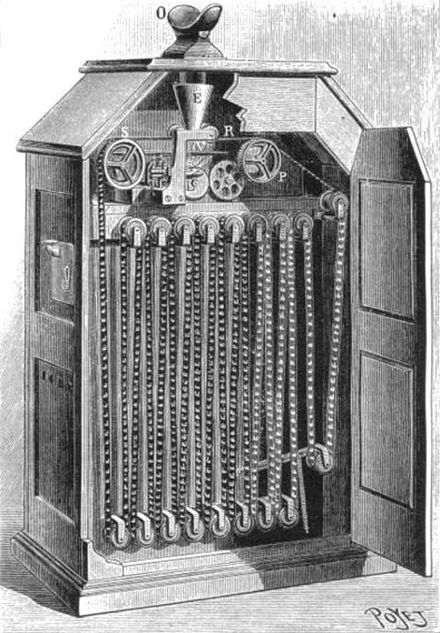
The patent for the Kinetoscope, filed on May 20, 1891, and granted on August 31, 1897, was a significant milestone in the history of film technology. It described a device that could capture and play back motion pictures using a series of photographs positioned on a rotating drum. These images were viewed through a magnifying eyepiece, which made the illusion of motion possible.
Edison’s Kinetoscope was a remarkable invention, utilizing several innovations in order to create a seamless viewing experience. For instance, the device incorporated a light source, a motor, and a continuous loop of film, enabling the uninterrupted projection of moving images. Additionally, the Kinetoscope had a crank mechanism that allowed for easy rewinding and re-watching of the films.
The patenting of the Kinetoscope marked a turning point in the development of the film industry. It paved the way for the eventual creation of movie theaters and the mass distribution of films. Edison’s invention sparked a wave of creativity and innovation among filmmakers, who began experimenting with the possibilities of this new medium.
Filmstrip of Butterfly Dance (ca. 1895), an early Kinetoscope film produced by Thomas Edison, featuring Annabelle Whitford
Interestingly, despite its significance, the Kinetoscope faced challenges in terms of commercial viability. Individual Kinetoscope parlors were established, where patrons could pay a nickel to view short films. However, the limitations of the device, such as its lack of sound and the need for individual viewing, made it less competitive in the evolving film industry.
Nonetheless, the Kinetoscope had a profound impact on the development of cinema. It laid the foundation for the subsequent advancements in film technology, such as the creation of projection systems that allowed large audiences to watch films simultaneously. Edison’s patent opened up new avenues for storytelling and the art of filmmaking, fueling the growth of the industry and captivating audiences worldwide.
The success of the Kinetoscope led to further innovations in film projection and distribution. In 1895, the Lumière brothers, Auguste and Louis, introduced the Cinématographe, a device that combined a camera, projector, and printer into one machine. This invention allowed for the filming and projection of movies onto a larger screen, making it possible for multiple viewers to enjoy the films at the same time.
As the demand for motion pictures grew, movie theaters began to pop up in cities around the world. These theaters, equipped with projectors capable of displaying films on a larger scale, quickly became popular gathering places for people of all walks of life. The Kinetoscope parlors faded into obscurity, unable to compete with the communal experience offered by movie theaters.
Photograph of Thomas Edison’s film studio (the first in the world), the Black Maria, ca. 1893–1900
The advent of synchronized sound in films in the late 1920s further revolutionized the industry. Edison himself attempted to develop a sound-on-film system, but it was the Warner Bros. who successfully introduced the Vitaphone system in 1926. This breakthrough allowed for the integration of dialogue, music, and sound effects into films, enhancing the overall viewing experience for audiences.
Despite the commercial challenges faced by the Kinetoscope, its impact on the world of cinema is undeniable. It sparked a technological race among inventors and filmmakers, leading to the development of more sophisticated camera equipment, film production techniques, and special effects. The Kinetoscope also paved the way for the rise of Hollywood as the epicenter of the film industry, attracting talented directors, actors, and crew members from around the world.
Today, we owe much of our cinematic experiences to the pioneering work of Thomas Edison and his team. From the humble beginnings of the Kinetoscope, we now have access to an array of technologies, such as digital cameras, 3D movies, and virtual reality, that continue to push the boundaries of storytelling and immerse audiences in new and exciting cinematic worlds.
In conclusion, Edison’s patenting of the Kinetoscope in 1897 was a momentous event in the history of film technology. It revolutionized the way we view and experience moving images, laying the foundation for the modern-day motion picture projector and the subsequent growth of the film industry. Edison’s invention opened up new avenues for creativity and innovation, captivating audiences worldwide and shaping the art of filmmaking as we know it today.
#Hindi
थॉमस एडिसन, जो एक महान आविष्कारक और उद्यमी थे, अपने अनोखे आविष्कारों के लिए बहुत जाने जाते हैं, जिन्होंने दुनिया को बदल दिया। उनके एक महत्वपूर्ण आविष्कार का नाम किनेटोस्कोप था, जिसका पेटेंट 1897 में हुआ। यह आविष्कार आधुनिक फिल्म प्रोजेक्टर का पूर्वज था और इसने फिल्मों को देखने का तरीका हमेशा के लिए बदल दिया।
किनेटोस्कोप को एडिसन की टीम ने एडिसन मैन्युफैक्चरिंग कंपनी में बनाया था। इसका उद्देश्य चलती हुई तस्वीरों को कैप्चर करना और दिखाना था। इससे पहले, लोग फिल्मों को छोटे छेदों के जरिए देखते थे, जिससे एक समय में केवल कुछ ही लोग फिल्म देख पाते थे। किनेटोस्कोप ने एक बड़ी स्क्रीन पर चलती हुई तस्वीरें दिखाकर एक बेहतर फिल्म देखने का अनुभव दिया।
20 मई 1891 को किनेटोस्कोप का पेटेंट किया गया और 31 अगस्त 1897 को इसे मंजूरी मिली। यह एक महत्वपूर्ण उपलब्धि थी, जिसमें चलती तस्वीरें कैप्चर करने और दिखाने के लिए तस्वीरों को घुमाने वाले एक ड्रम पर रखा गया था। इसे एक मैग्नीफाइंग आईपीस के जरिए देखा जाता था, जिससे तस्वीरें चलने का आभास होता था।
किनेटोस्कोप के आविष्कार ने फिल्म इंडस्ट्री के विकास में अहम भूमिका निभाई। एडिसन के इस अविष्कार ने फिल्म थिएटर और फिल्म वितरण के नए रास्ते खोले। हालांकि, किनेटोस्कोप की कुछ सीमाएं थीं, जैसे कि इसमें आवाज नहीं थी और इसे एक समय में केवल एक व्यक्ति ही देख सकता था।
फिर भी, किनेटोस्कोप ने सिनेमा के विकास पर गहरा असर डाला। इसने नई फिल्म तकनीकों के विकास की नींव रखी, जिससे बड़े स्क्रीन पर एक साथ कई लोग फिल्म देख सकते थे। इसके बाद 1895 में लुमिएर भाइयों ने सिनेमैटोग्राफ का आविष्कार किया, जो कैमरा, प्रोजेक्टर और प्रिंटर का मिश्रण था। इसने बड़े पर्दे पर फिल्मों को दिखाना संभव बनाया।
जैसे-जैसे फिल्मों की मांग बढ़ी, दुनिया भर के शहरों में मूवी थिएटर खुलने लगे। ये थिएटर लोगों के मिलने-जुलने की जगह बन गए। किनेटोस्कोप पार्लर खत्म होने लगे क्योंकि मूवी थिएटर का अनुभव ज्यादा अच्छा था।
1920 के दशक के अंत में फिल्मों में ध्वनि के समन्वय ने उद्योग में और भी क्रांति ला दी। एडिसन ने भी ध्वनि-ऑन-फिल्म सिस्टम विकसित करने की कोशिश की, लेकिन वॉर्नर ब्रदर्स ने 1926 में सफलतापूर्वक विटाफोन सिस्टम पेश किया। इससे फिल्मों में संवाद, संगीत और ध्वनि प्रभाव जोड़ना संभव हुआ।
हालांकि किनेटोस्कोप को व्यावसायिक चुनौतियों का सामना करना पड़ा, लेकिन इसका प्रभाव सिनेमा की दुनिया में अविस्मरणीय है। इसने नए-नए तकनीकी अविष्कारों को बढ़ावा दिया और हॉलीवुड को फिल्म इंडस्ट्री का केंद्र बनने में मदद की।
आज हमारी सिनेमा की दुनिया थॉमस एडिसन और उनकी टीम के मेहनत का नतीजा है। किनेटोस्कोप से शुरू होकर अब हमारे पास डिजिटल कैमरा, 3डी मूवी और वर्चुअल रियलिटी जैसी तकनीकें हैं, जो हमारी फिल्मों के अनुभवों को और भी रोमांचक बनाती हैं।
संक्षेप में, 1897 में एडिसन के किनेटोस्कोप का पेटेंट फिल्म तकनीक के इतिहास में एक बहुत बड़ा कदम था। इसने फिल्मों को देखने और अनुभव करने के तरीके को बदल दिया और फिल्म इंडस्ट्री के विकास की नींव रखी। एडिसन के इस आविष्कार ने रचनात्मकता और नवाचार के नए रास्ते खोले, जिससे दुनियाभर के दर्शकों को आकर्षित किया।

 NehaScope
Thomas Edison, the great inventor and entrepreneur, is widely known for his groundbreaking inventions that revolutionized the world. One of his notable achievements is the patenting of the Kinetoscope in 1897. This invention, a precursor to the modern-day motion picture projector, forever changed the way we view and experience films.
The Kinetoscope was created by Edison’s team at the Edison Manufacturing Company, aiming to capture and display moving images. Prior to this invention, films were viewed through the use of peepholes, making them accessible to only a few viewers at a time. However, the Kinetoscope allowed for a more immersive cinematic experience, as it projected moving images onto a screen.
The patent for the Kinetoscope, filed on May 20, 1891, and granted on August 31, 1897, was a significant milestone in the history of film technology. It described a device that could capture and play back motion pictures using a series of photographs positioned on a rotating drum. These images were viewed through a magnifying eyepiece, which made the illusion of motion possible.
Edison’s Kinetoscope was a remarkable invention, utilizing several innovations in order to create a seamless viewing experience. For instance, the device incorporated a light source, a motor, and a continuous loop of film, enabling the uninterrupted projection of moving images. Additionally, the Kinetoscope had a crank mechanism that allowed for easy rewinding and re-watching of the films.
The patenting of the Kinetoscope marked a turning point in the development of the film industry. It paved the way for the eventual creation of movie theaters and the mass distribution of films. Edison’s invention sparked a wave of creativity and innovation among filmmakers, who began experimenting with the possibilities of this new medium.
Interestingly, despite its significance, the Kinetoscope faced challenges in terms of commercial viability. Individual Kinetoscope parlors were established, where patrons could pay a nickel to view short films. However, the limitations of the device, such as its lack of sound and the need for individual viewing, made it less competitive in the evolving film industry.
Nonetheless, the Kinetoscope had a profound impact on the development of cinema. It laid the foundation for the subsequent advancements in film technology, such as the creation of projection systems that allowed large audiences to watch films simultaneously. Edison’s patent opened up new avenues for storytelling and the art of filmmaking, fueling the growth of the industry and captivating audiences worldwide.
The success of the Kinetoscope led to further innovations in film projection and distribution. In 1895, the Lumière brothers, Auguste and Louis, introduced the Cinématographe, a device that combined a camera, projector, and printer into one machine. This invention allowed for the filming and projection of movies onto a larger screen, making it possible for multiple viewers to enjoy the films at the same time.
As the demand for motion pictures grew, movie theaters began to pop up in cities around the world. These theaters, equipped with projectors capable of displaying films on a larger scale, quickly became popular gathering places for people of all walks of life. The Kinetoscope parlors faded into obscurity, unable to compete with the communal experience offered by movie theaters.
ca. 1893–1900
The advent of synchronized sound in films in the late 1920s further revolutionized the industry. Edison himself attempted to develop a sound-on-film system, but it was the Warner Bros. who successfully introduced the Vitaphone system in 1926. This breakthrough allowed for the integration of dialogue, music, and sound effects into films, enhancing the overall viewing experience for audiences.
Despite the commercial challenges faced by the Kinetoscope, its impact on the world of cinema is undeniable. It sparked a technological race among inventors and filmmakers, leading to the development of more sophisticated camera equipment, film production techniques, and special effects. The Kinetoscope also paved the way for the rise of Hollywood as the epicenter of the film industry, attracting talented directors, actors, and crew members from around the world.
Today, we owe much of our cinematic experiences to the pioneering work of Thomas Edison and his team. From the humble beginnings of the Kinetoscope, we now have access to an array of technologies, such as digital cameras, 3D movies, and virtual reality, that continue to push the boundaries of storytelling and immerse audiences in new and exciting cinematic worlds.
In conclusion, Edison’s patenting of the Kinetoscope in 1897 was a momentous event in the history of film technology. It revolutionized the way we view and experience moving images, laying the foundation for the modern-day motion picture projector and the subsequent growth of the film industry. Edison’s invention opened up new avenues for creativity and innovation, captivating audiences worldwide and shaping the art of filmmaking as we know it today.
#Hindi
थॉमस एडिसन, जो एक महान आविष्कारक और उद्यमी थे, अपने अनोखे आविष्कारों के लिए बहुत जाने जाते हैं, जिन्होंने दुनिया को बदल दिया। उनके एक महत्वपूर्ण आविष्कार का नाम किनेटोस्कोप था, जिसका पेटेंट 1897 में हुआ। यह आविष्कार आधुनिक फिल्म प्रोजेक्टर का पूर्वज था और इसने फिल्मों को देखने का तरीका हमेशा के लिए बदल दिया।
किनेटोस्कोप को एडिसन की टीम ने एडिसन मैन्युफैक्चरिंग कंपनी में बनाया था। इसका उद्देश्य चलती हुई तस्वीरों को कैप्चर करना और दिखाना था। इससे पहले, लोग फिल्मों को छोटे छेदों के जरिए देखते थे, जिससे एक समय में केवल कुछ ही लोग फिल्म देख पाते थे। किनेटोस्कोप ने एक बड़ी स्क्रीन पर चलती हुई तस्वीरें दिखाकर एक बेहतर फिल्म देखने का अनुभव दिया।
20 मई 1891 को किनेटोस्कोप का पेटेंट किया गया और 31 अगस्त 1897 को इसे मंजूरी मिली। यह एक महत्वपूर्ण उपलब्धि थी, जिसमें चलती तस्वीरें कैप्चर करने और दिखाने के लिए तस्वीरों को घुमाने वाले एक ड्रम पर रखा गया था। इसे एक मैग्नीफाइंग आईपीस के जरिए देखा जाता था, जिससे तस्वीरें चलने का आभास होता था।
किनेटोस्कोप के आविष्कार ने फिल्म इंडस्ट्री के विकास में अहम भूमिका निभाई। एडिसन के इस अविष्कार ने फिल्म थिएटर और फिल्म वितरण के नए रास्ते खोले। हालांकि, किनेटोस्कोप की कुछ सीमाएं थीं, जैसे कि इसमें आवाज नहीं थी और इसे एक समय में केवल एक व्यक्ति ही देख सकता था।
फिर भी, किनेटोस्कोप ने सिनेमा के विकास पर गहरा असर डाला। इसने नई फिल्म तकनीकों के विकास की नींव रखी, जिससे बड़े स्क्रीन पर एक साथ कई लोग फिल्म देख सकते थे। इसके बाद 1895 में लुमिएर भाइयों ने सिनेमैटोग्राफ का आविष्कार किया, जो कैमरा, प्रोजेक्टर और प्रिंटर का मिश्रण था। इसने बड़े पर्दे पर फिल्मों को दिखाना संभव बनाया।
जैसे-जैसे फिल्मों की मांग बढ़ी, दुनिया भर के शहरों में मूवी थिएटर खुलने लगे। ये थिएटर लोगों के मिलने-जुलने की जगह बन गए। किनेटोस्कोप पार्लर खत्म होने लगे क्योंकि मूवी थिएटर का अनुभव ज्यादा अच्छा था।
1920 के दशक के अंत में फिल्मों में ध्वनि के समन्वय ने उद्योग में और भी क्रांति ला दी। एडिसन ने भी ध्वनि-ऑन-फिल्म सिस्टम विकसित करने की कोशिश की, लेकिन वॉर्नर ब्रदर्स ने 1926 में सफलतापूर्वक विटाफोन सिस्टम पेश किया। इससे फिल्मों में संवाद, संगीत और ध्वनि प्रभाव जोड़ना संभव हुआ।
हालांकि किनेटोस्कोप को व्यावसायिक चुनौतियों का सामना करना पड़ा, लेकिन इसका प्रभाव सिनेमा की दुनिया में अविस्मरणीय है। इसने नए-नए तकनीकी अविष्कारों को बढ़ावा दिया और हॉलीवुड को फिल्म इंडस्ट्री का केंद्र बनने में मदद की।
आज हमारी सिनेमा की दुनिया थॉमस एडिसन और उनकी टीम के मेहनत का नतीजा है। किनेटोस्कोप से शुरू होकर अब हमारे पास डिजिटल कैमरा, 3डी मूवी और वर्चुअल रियलिटी जैसी तकनीकें हैं, जो हमारी फिल्मों के अनुभवों को और भी रोमांचक बनाती हैं।
संक्षेप में, 1897 में एडिसन के किनेटोस्कोप का पेटेंट फिल्म तकनीक के इतिहास में एक बहुत बड़ा कदम था। इसने फिल्मों को देखने और अनुभव करने के तरीके को बदल दिया और फिल्म इंडस्ट्री के विकास की नींव रखी। एडिसन के इस आविष्कार ने रचनात्मकता और नवाचार के नए रास्ते खोले, जिससे दुनियाभर के दर्शकों को आकर्षित किया।
Share this: