On 26th August 1303, a significant event unfolded in the annals of Indian history. Alauddin Khilji, the ruler of the Khilji Dynasty, launched a fierce attack on the fort of Chittorgarh, ultimately capturing it. This event, known as the Battle of Chittorgarh, not only shaped the destiny of the region but also carries immense historical and cultural significance.
A 17th century portrait of Alauddin Khalji
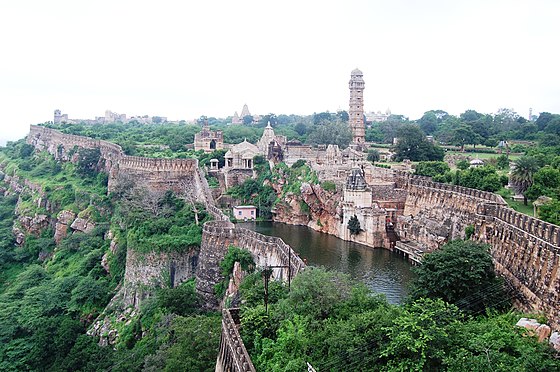
Chittorgarh, situated in present-day Rajasthan, was a formidable fortress that stood as a symbol of Rajput valor and resistance. Over centuries, it had witnessed numerous battles and invasions due to its strategic location. However, the battle fought on that fateful day in 1303 was a turning point, leaving an indelible mark on the history of India.
Alauddin Khilji, known for his ambition and military prowess, had set his sights on Chittorgarh. He saw it as a crucial stepping stone towards his goal of establishing a vast empire. The Rajput rulers of Chittorgarh, led by Ratan Singh, put up a valiant defense, displaying the epitome of Rajput bravery and honour.
Alauddin Khalji captured the fort of Chittor
The siege on Chittorgarh lasted for several months, during which the Khilji army faced numerous challenges. The Rajputs utilized their superior knowledge of the terrain, along with their courage and unwavering determination, to hold off the relentless attacks.
It is said that the women of Chittorgarh, led by Queen Padmini, also played a significant role in this battle. Faced with the imminent threat of falling into the hands of the enemy, they chose to perform ‘jauhar,’ a ritualistic act of self-immolation to protect their honor. This act of sacrifice has become an enduring symbol of Rajput bravery and resistance against foreign invasions.
Ultimately, after months of relentless fighting, Chittorgarh fell to the Khilji forces. However, the Battle of Chittorgarh had a profound impact on the subsequent events in Indian history. It ignited a flame of resistance among the Rajputs, who continued to fight against foreign invasions for centuries to come.
The fall of Chittorgarh marked a turning point in the struggle between the Rajputs and the Islamic rulers. It also served as a catalyst for the formation of alliances among the Rajput
clans, as they realized the need for unity in the face of adversity. The Battle of Chittorgarh solidified their resolve to preserve their culture, traditions, and way of life, even in the face of overwhelming odds.
The capture of Chittorgarh by Alauddin Khilji had far-reaching consequences beyond the immediate loss of the fortress. It sent shockwaves throughout the Rajput kingdoms, prompting them to reassess their strategies and fortify their defenses. This event became a rallying cry for the Rajputs, fuelling their determination to reclaim their lost glory and resist further incursions.
News of the fall of Chittorgarh spread like wildfire, reaching neighboring kingdoms and sultanates. While some saw it as a testament to Alauddin Khilji’s military might, others viewed it as an opportunity to challenge his authority and expand their own territories. The power dynamics in the region began to shift, as alliances were formed and broken in a bid to control the strategic fortresses.
The Battle of Chittorgarh also left a lasting impact on the cultural fabric of the region. Stories of the heroic resistance put up by the Rajputs spread far and wide, inspiring generations to come. Poets and bards composed ballads and verses glorifying the valor of the Rajputs, immortalizing their sacrifice and bravery in the collective memory of the people.
In the years that followed, Chittorgarh became a symbol of Rajput pride and resilience. It became a pilgrimage site for Rajputs, who would visit the fortress to pay homage to their ancestors and seek strength from their spirits. The stories of the battle and the subsequent acts of bravery by the Rajputs became part of their oral history, passed down from generation to generation.
Today, Chittorgarh stands as a testament to the indomitable spirit of the Rajputs. The battle scarred walls and ruins of the fort remind us of the sacrifices made by those who fought for their freedom and honor. It serves as a solemn reminder of the price that was paid to preserve the rich cultural heritage of India.
The Battle of Chittorgarh will forever occupy a prominent place in the annals of Indian history. It serves as a reminder of the struggle for independence and the resilience of the people in the face of adversity. The valor and sacrifice displayed by the Rajputs during this battle continue to inspire and instill a sense of pride in the hearts of millions.
#Hindi
26 अगस्त 1303 को भारतीय इतिहास में एक महत्वपूर्ण घटना घटी। अलाउद्दीन खिलजी, जो कि खिलजी वंश के शासक थे, ने चित्तौड़गढ़ के किले पर जोरदार हमला किया और अंततः इसे कब्जा कर लिया। इस घटना को चित्तौड़गढ़ का युद्ध कहा जाता है, जो न सिर्फ उस क्षेत्र की किस्मत बदलने वाला था बल्कि इसका ऐतिहासिक और सांस्कृतिक महत्व भी बहुत है।
चित्तौड़गढ़, जो आज के राजस्थानी इलाके में है, राजपूत वीरता और प्रतिरोध का प्रतीक था। इस किले ने कई युद्ध और आक्रमण देखे थे। लेकिन 1303 में हुआ यह युद्ध एक अहम मोड़ था, जिसने भारतीय इतिहास पर गहरा असर डाला।
अलाउद्दीन खिलजी, जो अपनी महत्वाकांक्षा और सैनिक ताकत के लिए मशहूर थे, ने चित्तौड़गढ़ पर नज़रें गड़ा रखी थीं। उन्होंने इसे अपने विशाल साम्राज्य की स्थापना के लिए एक महत्वपूर्ण कदम माना। चित्तौड़गढ़ के राजपूत शासक, रतन सिंह के नेतृत्व में, ने बहादुरी और सम्मान के साथ इस हमले का सामना किया।
चित्तौड़गढ़ की घेराबंदी कई महीनों तक चली, जिसमें खिलजी की सेना को कई चुनौतियों का सामना करना पड़ा। राजपूतों ने अपनी धरती की जानकारी, साहस और दृढ़ संकल्प से लगातार हमलों का सामना किया। कहा जाता है कि चित्तौड़गढ़ की महिलाओं, रानी पद्मिनी के नेतृत्व में, ने भी इस युद्ध में महत्वपूर्ण भूमिका निभाई। दुश्मन के हाथों में पड़ने के खतरे के सामने, उन्होंने ‘जौहर’ का प्रदर्शन किया। यह बलिदान राजपूत वीरता और विदेशी आक्रमण के खिलाफ प्रतिरोध का प्रतीक बन गया।
अंततः, महीनों की लड़ाई के बाद, चित्तौड़गढ़ पर खिलजी की सेना ने कब्जा कर लिया। हालांकि, इस युद्ध ने भारतीय इतिहास की आगे की घटनाओं पर गहरा प्रभाव डाला। इसने राजपूतों के बीच प्रतिरोध की भावना जगा दी, जिन्होंने आने वाले सैंकड़ों वर्षों तक विदेशी आक्रमणों का सामना किया।
चित्तौड़गढ़ का पतन राजपूतों और इस्लामी शासकों के बीच संघर्ष में एक निर्णायक मोड़ था। इस घटना ने राजपूतों के बीच एकता की ज़रूरत को मजबूत किया। यह युद्ध उनकी संस्कृति, परंपराओं और जीवनशैली को बचाने की उनकी दृढ़ता को मजबूत कर गया।
अलाउद्दीन खिलजी द्वारा चित्तौड़गढ़ की विजय का असर सिर्फ किले की हार तक सीमित नहीं था। इसने राजपूत राज्यों को अपनी रणनीतियों पर पुनर्विचार करने और उनकी रक्षा को मजबूत करने के लिए प्रेरित किया। यह घटना राजपूतों के लिए एक प्रेरणा बन गई, जिसने उन्हें अपनी खोई हुई महिमा को पुनः प्राप्त करने और आगे के आक्रमणों का विरोध करने के लिए प्रेरित किया।
चित्तौड़गढ़ की लड़ाई ने क्षेत्र के सांस्कृतिक ताने-बाने पर भी गहरा प्रभाव डाला। राजपूतों द्वारा दिखाए गए वीरता की कहानियाँ दूर-दूर तक फैलीं, और आने वाली पीढ़ियों को प्रेरित करती रहीं। कवियों और गायक ने राजपूतों की बहादुरी की प्रशंसा करते हुए गीत और छंद रचे, जिनसे उनकी कुर्बानी और वीरता को अमर कर दिया।
आज, चित्तौड़गढ़ राजपूतों की अटल भावना का प्रतीक है। किले की दीवारें और खंडहर हमें उस स्वतंत्रता और सम्मान के लिए किए गए बलिदानों की याद दिलाते हैं। यह भारतीय सांस्कृतिक धरोहर को बचाने की कीमत की याद दिलाता है।
चित्तौड़गढ़ का युद्ध भारतीय इतिहास में हमेशा एक प्रमुख स्थान रखेगा। यह स्वतंत्रता के संघर्ष और विपरीत परिस्थितियों में लोगों की दृढ़ता की याद दिलाता है। इस युद्ध के दौरान राजपूतों द्वारा दिखाई गई वीरता और बलिदान आज भी लाखों दिलों में गर्व और प्रेरणा का संचार करते हैं।

 NehaScope
On 26th August 1303, a significant event unfolded in the annals of Indian history. Alauddin Khilji, the ruler of the Khilji Dynasty, launched a fierce attack on the fort of Chittorgarh, ultimately capturing it. This event, known as the Battle of Chittorgarh, not only shaped the destiny of the region but also carries immense historical and cultural significance.
Chittorgarh, situated in present-day Rajasthan, was a formidable fortress that stood as a symbol of Rajput valor and resistance. Over centuries, it had witnessed numerous battles and invasions due to its strategic location. However, the battle fought on that fateful day in 1303 was a turning point, leaving an indelible mark on the history of India.
Alauddin Khilji, known for his ambition and military prowess, had set his sights on Chittorgarh. He saw it as a crucial stepping stone towards his goal of establishing a vast empire. The Rajput rulers of Chittorgarh, led by Ratan Singh, put up a valiant defense, displaying the epitome of Rajput bravery and honour.
The siege on Chittorgarh lasted for several months, during which the Khilji army faced numerous challenges. The Rajputs utilized their superior knowledge of the terrain, along with their courage and unwavering determination, to hold off the relentless attacks.
It is said that the women of Chittorgarh, led by Queen Padmini, also played a significant role in this battle. Faced with the imminent threat of falling into the hands of the enemy, they chose to perform ‘jauhar,’ a ritualistic act of self-immolation to protect their honor. This act of sacrifice has become an enduring symbol of Rajput bravery and resistance against foreign invasions.
Ultimately, after months of relentless fighting, Chittorgarh fell to the Khilji forces. However, the Battle of Chittorgarh had a profound impact on the subsequent events in Indian history. It ignited a flame of resistance among the Rajputs, who continued to fight against foreign invasions for centuries to come.
The fall of Chittorgarh marked a turning point in the struggle between the Rajputs and the Islamic rulers. It also served as a catalyst for the formation of alliances among the Rajput
clans, as they realized the need for unity in the face of adversity. The Battle of Chittorgarh solidified their resolve to preserve their culture, traditions, and way of life, even in the face of overwhelming odds.
The capture of Chittorgarh by Alauddin Khilji had far-reaching consequences beyond the immediate loss of the fortress. It sent shockwaves throughout the Rajput kingdoms, prompting them to reassess their strategies and fortify their defenses. This event became a rallying cry for the Rajputs, fuelling their determination to reclaim their lost glory and resist further incursions.
News of the fall of Chittorgarh spread like wildfire, reaching neighboring kingdoms and sultanates. While some saw it as a testament to Alauddin Khilji’s military might, others viewed it as an opportunity to challenge his authority and expand their own territories. The power dynamics in the region began to shift, as alliances were formed and broken in a bid to control the strategic fortresses.
The Battle of Chittorgarh also left a lasting impact on the cultural fabric of the region. Stories of the heroic resistance put up by the Rajputs spread far and wide, inspiring generations to come. Poets and bards composed ballads and verses glorifying the valor of the Rajputs, immortalizing their sacrifice and bravery in the collective memory of the people.
In the years that followed, Chittorgarh became a symbol of Rajput pride and resilience. It became a pilgrimage site for Rajputs, who would visit the fortress to pay homage to their ancestors and seek strength from their spirits. The stories of the battle and the subsequent acts of bravery by the Rajputs became part of their oral history, passed down from generation to generation.
Today, Chittorgarh stands as a testament to the indomitable spirit of the Rajputs. The battle scarred walls and ruins of the fort remind us of the sacrifices made by those who fought for their freedom and honor. It serves as a solemn reminder of the price that was paid to preserve the rich cultural heritage of India.
The Battle of Chittorgarh will forever occupy a prominent place in the annals of Indian history. It serves as a reminder of the struggle for independence and the resilience of the people in the face of adversity. The valor and sacrifice displayed by the Rajputs during this battle continue to inspire and instill a sense of pride in the hearts of millions.
#Hindi
26 अगस्त 1303 को भारतीय इतिहास में एक महत्वपूर्ण घटना घटी। अलाउद्दीन खिलजी, जो कि खिलजी वंश के शासक थे, ने चित्तौड़गढ़ के किले पर जोरदार हमला किया और अंततः इसे कब्जा कर लिया। इस घटना को चित्तौड़गढ़ का युद्ध कहा जाता है, जो न सिर्फ उस क्षेत्र की किस्मत बदलने वाला था बल्कि इसका ऐतिहासिक और सांस्कृतिक महत्व भी बहुत है।
चित्तौड़गढ़, जो आज के राजस्थानी इलाके में है, राजपूत वीरता और प्रतिरोध का प्रतीक था। इस किले ने कई युद्ध और आक्रमण देखे थे। लेकिन 1303 में हुआ यह युद्ध एक अहम मोड़ था, जिसने भारतीय इतिहास पर गहरा असर डाला।
अलाउद्दीन खिलजी, जो अपनी महत्वाकांक्षा और सैनिक ताकत के लिए मशहूर थे, ने चित्तौड़गढ़ पर नज़रें गड़ा रखी थीं। उन्होंने इसे अपने विशाल साम्राज्य की स्थापना के लिए एक महत्वपूर्ण कदम माना। चित्तौड़गढ़ के राजपूत शासक, रतन सिंह के नेतृत्व में, ने बहादुरी और सम्मान के साथ इस हमले का सामना किया।
चित्तौड़गढ़ की घेराबंदी कई महीनों तक चली, जिसमें खिलजी की सेना को कई चुनौतियों का सामना करना पड़ा। राजपूतों ने अपनी धरती की जानकारी, साहस और दृढ़ संकल्प से लगातार हमलों का सामना किया। कहा जाता है कि चित्तौड़गढ़ की महिलाओं, रानी पद्मिनी के नेतृत्व में, ने भी इस युद्ध में महत्वपूर्ण भूमिका निभाई। दुश्मन के हाथों में पड़ने के खतरे के सामने, उन्होंने ‘जौहर’ का प्रदर्शन किया। यह बलिदान राजपूत वीरता और विदेशी आक्रमण के खिलाफ प्रतिरोध का प्रतीक बन गया।
अंततः, महीनों की लड़ाई के बाद, चित्तौड़गढ़ पर खिलजी की सेना ने कब्जा कर लिया। हालांकि, इस युद्ध ने भारतीय इतिहास की आगे की घटनाओं पर गहरा प्रभाव डाला। इसने राजपूतों के बीच प्रतिरोध की भावना जगा दी, जिन्होंने आने वाले सैंकड़ों वर्षों तक विदेशी आक्रमणों का सामना किया।
चित्तौड़गढ़ का पतन राजपूतों और इस्लामी शासकों के बीच संघर्ष में एक निर्णायक मोड़ था। इस घटना ने राजपूतों के बीच एकता की ज़रूरत को मजबूत किया। यह युद्ध उनकी संस्कृति, परंपराओं और जीवनशैली को बचाने की उनकी दृढ़ता को मजबूत कर गया।
अलाउद्दीन खिलजी द्वारा चित्तौड़गढ़ की विजय का असर सिर्फ किले की हार तक सीमित नहीं था। इसने राजपूत राज्यों को अपनी रणनीतियों पर पुनर्विचार करने और उनकी रक्षा को मजबूत करने के लिए प्रेरित किया। यह घटना राजपूतों के लिए एक प्रेरणा बन गई, जिसने उन्हें अपनी खोई हुई महिमा को पुनः प्राप्त करने और आगे के आक्रमणों का विरोध करने के लिए प्रेरित किया।
चित्तौड़गढ़ की लड़ाई ने क्षेत्र के सांस्कृतिक ताने-बाने पर भी गहरा प्रभाव डाला। राजपूतों द्वारा दिखाए गए वीरता की कहानियाँ दूर-दूर तक फैलीं, और आने वाली पीढ़ियों को प्रेरित करती रहीं। कवियों और गायक ने राजपूतों की बहादुरी की प्रशंसा करते हुए गीत और छंद रचे, जिनसे उनकी कुर्बानी और वीरता को अमर कर दिया।
आज, चित्तौड़गढ़ राजपूतों की अटल भावना का प्रतीक है। किले की दीवारें और खंडहर हमें उस स्वतंत्रता और सम्मान के लिए किए गए बलिदानों की याद दिलाते हैं। यह भारतीय सांस्कृतिक धरोहर को बचाने की कीमत की याद दिलाता है।
चित्तौड़गढ़ का युद्ध भारतीय इतिहास में हमेशा एक प्रमुख स्थान रखेगा। यह स्वतंत्रता के संघर्ष और विपरीत परिस्थितियों में लोगों की दृढ़ता की याद दिलाता है। इस युद्ध के दौरान राजपूतों द्वारा दिखाई गई वीरता और बलिदान आज भी लाखों दिलों में गर्व और प्रेरणा का संचार करते हैं।
Share this: