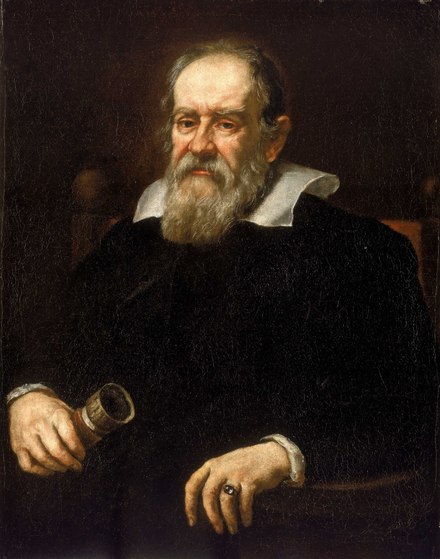
On 25 August 1609, a groundbreaking event took place that would forever change the way we understand the universe. Galileo Galilei, an Italian astronomer, physicist, and mathematician, demonstrated one of his early telescopes, marking the beginning of a new era in the field of observational astronomy.
Galileo’s telescope was not the first of its kind, but it was certainly revolutionary in terms of its capabilities and the scientific discoveries it facilitated. The telescope was a refracting telescope, meaning it used lenses to gather and focus light. Although it had a modest magnification power, it allowed Galileo to observe celestial objects like the moon, the planets, and the stars with unprecedented detail.
With his telescope, Galileo was able to observe features on the moon that had never been seen before. He saw mountains and craters dotting its surface, challenging the popular belief that the moon was a smooth, perfect sphere. These observations provided evidence that the moon, and by extension other celestial bodies, were not perfect and pristine but rather had imperfections and features similar to those found on Earth.
Galileo’s observations of the moon also supported the heliocentric model of the solar system proposed by Nicolaus Copernicus. Galileo observed that the moon went through phases, just like Earth. This meant that the moon was not a source of light but rather reflected sunlight, further undermining the prevailing belief that all celestial bodies orbited around Earth.
Furthermore, Galileo’s observations of Jupiter revolutionized our understanding of the solar system. He observed four moons orbiting Jupiter, now known as the Galilean moons, which provided evidence that not all celestial bodies orbited around Earth or the sun. This discovery challenged the geocentric model of the universe, which placed Earth at the center of all celestial motion and was widely accepted at the time.
Galileo’s telescopic observations and his subsequent publication of his findings in his book “Sidereus Nuncius” (Starry Messenger) in 1610 had a profound impact on the scientific community and the wider world. Galileo’s findings ignited a debate between those who embraced his discoveries and those who were deeply entrenched in the traditional geocentric model.
Unfortunately, Galileo’s revolutionary ideas and support for the heliocentric model eventually led to his condemnation by the Catholic Church. In 1633, he was convicted of heresy and placed under house arrest for the remainder of his life. However, Galileo’s contributions to the scientific understanding of the universe could not be suppressed. His work laid the foundation for modern observational astronomy and his courage in challenging prevailing beliefs paved the way for future scientific breakthroughs.
Despite the challenges he faced, Galileo’s observations and discoveries opened the door to a new era of exploration and understanding. His telescope provided scientists with a tool to observe celestial bodies and gather empirical evidence about their nature and motion. This marked a significant shift from relying solely on philosophical and mathematical arguments to support scientific theories.
Galileo’s observations also paved the way for further advancements in telescope technology. His original design inspired other scientists and inventors to improve upon his ideas, leading to the development of more powerful and precise telescopes. Over time, these advancements would enable scientists to explore the depths of the universe and uncover mind-boggling phenomena.
Today, thanks to the legacy of Galileo and other pioneers, we have telescopes that can detect distant galaxies, study black holes, and even search for signs of extraterrestrial life. The field of astronomy has expanded to encompass astrophysics, cosmology, and planetary science, pushing the boundaries of human knowledge and understanding.
Galileo’s story serves as a reminder of the importance of curiosity, questioning, and rigorous investigation in the pursuit of knowledge. His dedication to the truth, despite the consequences he faced, is an inspiration to future generations of scientists and thinkers.
In recognition of his contributions to science, Galileo’s works and discoveries have been celebrated and honored worldwide. His legacy serves as a reminder of the power of human curiosity and the impact that individuals can have on the course of scientific progress. Galileo Galilei will forever be remembered as a trailblazer who challenged conventional wisdom and expanded our understanding of the universe.
#Hindi
25 अगस्त 1609 को एक ऐसा अद्भुत घटना घटी जिसने हमारे ब्रह्मांड को समझने के तरीके को हमेशा के लिए बदल दिया। इटली के खगोलशास्त्री, भौतिकशास्त्री, और गणितज्ञ गैलीलियो गैलिली ने अपनी एक शुरुआती दूरबीन का प्रदर्शन किया, जिससे प्रेक्षणीय खगोलशास्त्र के एक नए युग की शुरुआत हुई।
गैलीलियो की दूरबीन पहली नहीं थी, लेकिन इसकी क्षमताएं और इससे हुई वैज्ञानिक खोजें बेहद क्रांतिकारी थीं। यह एक अपवर्तन दूरबीन थी, जो लेंस का उपयोग करके प्रकाश को इकट्ठा और केंद्रित करती थी। इसकी देखने की शक्ति सामान्य थी, लेकिन इसने गैलीलियो को चंद्रमा, ग्रहों और तारों को पहले से कहीं अधिक विस्तार से देखने में सक्षम बनाया।
अपनी दूरबीन से, गैलीलियो ने चंद्रमा पर ऐसी विशेषताएं देखीं जो पहले कभी नहीं देखी गई थीं। उन्होंने चंद्रमा की सतह पर पहाड़ और गड्ढे देखे, जो इस धारणा को चुनौती देते थे कि चंद्रमा एक चिकनी और पूर्ण गोला है। इन अवलोकनों से यह प्रमाण मिला कि चंद्रमा और अन्य खगोलीय पिंड भी अपूर्ण हैं, जैसे पृथ्वी।
गैलीलियो के चंद्रमा के अवलोकनों ने निकोलस कोपरनिकस द्वारा प्रस्तावित सौर मंडल के हेलियोसेंट्रिक मॉडल का समर्थन किया। उन्होंने देखा कि चंद्रमा पृथ्वी की तरह ही चरणों से गुजरता है। इसका मतलब था कि चंद्रमा स्वयं प्रकाश का स्रोत नहीं है बल्कि सूरज की रोशनी को परावर्तित करता है, जिससे यह धारणा कमजोर हुई कि सभी खगोलीय पिंड पृथ्वी के चारों ओर घूमते हैं।
इसके अलावा, गैलीलियो के बृहस्पति के अवलोकनों ने हमारे सौर मंडल को समझने के तरीके में क्रांति ला दी। उन्होंने बृहस्पति के चार चंद्रमाओं को देखा, जिन्हें अब गैलीलियो के चांद के नाम से जाना जाता है। इस खोज ने यह दिखाया कि सभी खगोलीय पिंड पृथ्वी या सूर्य के चारों ओर नहीं घूमते, जिससे उस समय प्रचलित भूकेन्द्रीय मॉडल को चुनौती मिली।
गैलीलियो के दूरबीन से किए गए अवलोकनों और उनकी किताब “सिडेरियस नुंसीयस” (स्टारी मैसेंजर) में 1610 में उनके निष्कर्षों के प्रकाशन ने वैज्ञानिक समुदाय और व्यापक दुनिया पर गहरा प्रभाव डाला। इसके बावजूद, गैलीलियो के हेलियोसेंट्रिक मॉडल का समर्थन करने के लिए चर्च द्वारा उनकी निंदा की गई। 1633 में, उन्हें धर्मविरोधिता का दोषी ठहराया गया और जीवनभर के लिए घर में नजरबंद कर दिया गया।
गैलीलियो के अवलोकनों और खोजों ने खोज और समझ के एक नए युग के दरवाजे खोले। उनकी दूरबीन ने वैज्ञानिकों को खगोलीय पिंडों का अवलोकन करने और उनके स्वभाव और गति के बारे में ठोस प्रमाण जुटाने का साधन प्रदान किया। गैलीलियो की कहानी जिज्ञासा, सवाल करने और ज्ञान की खोज में कठोर जांच के महत्व को याद दिलाती है। उनका योगदान विज्ञान के क्षेत्र में हमेशा याद किया जाएगा और उनके साहस ने भविष्य की वैज्ञानिक प्रगति के रास्ते को प्रशस्त किया।

 NehaScope
On 25 August 1609, a groundbreaking event took place that would forever change the way we understand the universe. Galileo Galilei, an Italian astronomer, physicist, and mathematician, demonstrated one of his early telescopes, marking the beginning of a new era in the field of observational astronomy.
Galileo’s telescope was not the first of its kind, but it was certainly revolutionary in terms of its capabilities and the scientific discoveries it facilitated. The telescope was a refracting telescope, meaning it used lenses to gather and focus light. Although it had a modest magnification power, it allowed Galileo to observe celestial objects like the moon, the planets, and the stars with unprecedented detail.
With his telescope, Galileo was able to observe features on the moon that had never been seen before. He saw mountains and craters dotting its surface, challenging the popular belief that the moon was a smooth, perfect sphere. These observations provided evidence that the moon, and by extension other celestial bodies, were not perfect and pristine but rather had imperfections and features similar to those found on Earth.
Galileo’s observations of the moon also supported the heliocentric model of the solar system proposed by Nicolaus Copernicus. Galileo observed that the moon went through phases, just like Earth. This meant that the moon was not a source of light but rather reflected sunlight, further undermining the prevailing belief that all celestial bodies orbited around Earth.
Furthermore, Galileo’s observations of Jupiter revolutionized our understanding of the solar system. He observed four moons orbiting Jupiter, now known as the Galilean moons, which provided evidence that not all celestial bodies orbited around Earth or the sun. This discovery challenged the geocentric model of the universe, which placed Earth at the center of all celestial motion and was widely accepted at the time.
Galileo’s telescopic observations and his subsequent publication of his findings in his book “Sidereus Nuncius” (Starry Messenger) in 1610 had a profound impact on the scientific community and the wider world. Galileo’s findings ignited a debate between those who embraced his discoveries and those who were deeply entrenched in the traditional geocentric model.
Unfortunately, Galileo’s revolutionary ideas and support for the heliocentric model eventually led to his condemnation by the Catholic Church. In 1633, he was convicted of heresy and placed under house arrest for the remainder of his life. However, Galileo’s contributions to the scientific understanding of the universe could not be suppressed. His work laid the foundation for modern observational astronomy and his courage in challenging prevailing beliefs paved the way for future scientific breakthroughs.
Despite the challenges he faced, Galileo’s observations and discoveries opened the door to a new era of exploration and understanding. His telescope provided scientists with a tool to observe celestial bodies and gather empirical evidence about their nature and motion. This marked a significant shift from relying solely on philosophical and mathematical arguments to support scientific theories.
Galileo’s observations also paved the way for further advancements in telescope technology. His original design inspired other scientists and inventors to improve upon his ideas, leading to the development of more powerful and precise telescopes. Over time, these advancements would enable scientists to explore the depths of the universe and uncover mind-boggling phenomena.
Today, thanks to the legacy of Galileo and other pioneers, we have telescopes that can detect distant galaxies, study black holes, and even search for signs of extraterrestrial life. The field of astronomy has expanded to encompass astrophysics, cosmology, and planetary science, pushing the boundaries of human knowledge and understanding.
Galileo’s story serves as a reminder of the importance of curiosity, questioning, and rigorous investigation in the pursuit of knowledge. His dedication to the truth, despite the consequences he faced, is an inspiration to future generations of scientists and thinkers.
In recognition of his contributions to science, Galileo’s works and discoveries have been celebrated and honored worldwide. His legacy serves as a reminder of the power of human curiosity and the impact that individuals can have on the course of scientific progress. Galileo Galilei will forever be remembered as a trailblazer who challenged conventional wisdom and expanded our understanding of the universe.
#Hindi
25 अगस्त 1609 को एक ऐसा अद्भुत घटना घटी जिसने हमारे ब्रह्मांड को समझने के तरीके को हमेशा के लिए बदल दिया। इटली के खगोलशास्त्री, भौतिकशास्त्री, और गणितज्ञ गैलीलियो गैलिली ने अपनी एक शुरुआती दूरबीन का प्रदर्शन किया, जिससे प्रेक्षणीय खगोलशास्त्र के एक नए युग की शुरुआत हुई।
गैलीलियो की दूरबीन पहली नहीं थी, लेकिन इसकी क्षमताएं और इससे हुई वैज्ञानिक खोजें बेहद क्रांतिकारी थीं। यह एक अपवर्तन दूरबीन थी, जो लेंस का उपयोग करके प्रकाश को इकट्ठा और केंद्रित करती थी। इसकी देखने की शक्ति सामान्य थी, लेकिन इसने गैलीलियो को चंद्रमा, ग्रहों और तारों को पहले से कहीं अधिक विस्तार से देखने में सक्षम बनाया।
अपनी दूरबीन से, गैलीलियो ने चंद्रमा पर ऐसी विशेषताएं देखीं जो पहले कभी नहीं देखी गई थीं। उन्होंने चंद्रमा की सतह पर पहाड़ और गड्ढे देखे, जो इस धारणा को चुनौती देते थे कि चंद्रमा एक चिकनी और पूर्ण गोला है। इन अवलोकनों से यह प्रमाण मिला कि चंद्रमा और अन्य खगोलीय पिंड भी अपूर्ण हैं, जैसे पृथ्वी।
गैलीलियो के चंद्रमा के अवलोकनों ने निकोलस कोपरनिकस द्वारा प्रस्तावित सौर मंडल के हेलियोसेंट्रिक मॉडल का समर्थन किया। उन्होंने देखा कि चंद्रमा पृथ्वी की तरह ही चरणों से गुजरता है। इसका मतलब था कि चंद्रमा स्वयं प्रकाश का स्रोत नहीं है बल्कि सूरज की रोशनी को परावर्तित करता है, जिससे यह धारणा कमजोर हुई कि सभी खगोलीय पिंड पृथ्वी के चारों ओर घूमते हैं।
इसके अलावा, गैलीलियो के बृहस्पति के अवलोकनों ने हमारे सौर मंडल को समझने के तरीके में क्रांति ला दी। उन्होंने बृहस्पति के चार चंद्रमाओं को देखा, जिन्हें अब गैलीलियो के चांद के नाम से जाना जाता है। इस खोज ने यह दिखाया कि सभी खगोलीय पिंड पृथ्वी या सूर्य के चारों ओर नहीं घूमते, जिससे उस समय प्रचलित भूकेन्द्रीय मॉडल को चुनौती मिली।
गैलीलियो के दूरबीन से किए गए अवलोकनों और उनकी किताब “सिडेरियस नुंसीयस” (स्टारी मैसेंजर) में 1610 में उनके निष्कर्षों के प्रकाशन ने वैज्ञानिक समुदाय और व्यापक दुनिया पर गहरा प्रभाव डाला। इसके बावजूद, गैलीलियो के हेलियोसेंट्रिक मॉडल का समर्थन करने के लिए चर्च द्वारा उनकी निंदा की गई। 1633 में, उन्हें धर्मविरोधिता का दोषी ठहराया गया और जीवनभर के लिए घर में नजरबंद कर दिया गया।
गैलीलियो के अवलोकनों और खोजों ने खोज और समझ के एक नए युग के दरवाजे खोले। उनकी दूरबीन ने वैज्ञानिकों को खगोलीय पिंडों का अवलोकन करने और उनके स्वभाव और गति के बारे में ठोस प्रमाण जुटाने का साधन प्रदान किया। गैलीलियो की कहानी जिज्ञासा, सवाल करने और ज्ञान की खोज में कठोर जांच के महत्व को याद दिलाती है। उनका योगदान विज्ञान के क्षेत्र में हमेशा याद किया जाएगा और उनके साहस ने भविष्य की वैज्ञानिक प्रगति के रास्ते को प्रशस्त किया।
Share this: