The year 1961 marked a significant phase in the history of Dadra and Nagar Haveli, a union territory in western India. It was during this period that the region underwent a major political transition, which had a profound impact on the cultural and social fabric of the land.
Location of Dadra and Nagar Haveli
Prior to 1961, Dadra and Nagar Haveli were under Portuguese control for over four centuries. The Portuguese had a significant influence on the region, deeply impacting its culture, traditions, and societal structure. However, as the movement for independence grew stronger in India, the liberation struggle in Dadra and Nagar Haveli gained momentum.
In 1954, the residents of the territory initiated the demand for their integration into the Indian mainland. Their aspiration for independence gained recognition, and on August 11, 1961, the Indian government officially annexed Dadra and Nagar Haveli, marking the end of Portuguese rule in the region.
Daman, Dadra and Nagar Haveli during the Portuguese period
The transition from Portuguese to Indian rule was not without its challenges. The people of Dadra and Nagar Haveli had to adapt to a new administrative system and undergo significant changes in governance. Yet, amidst all the transformations, the region managed to retain its cultural identity and preserve its traditional practices.
One of the key factors in preserving the cultural roots of Dadra and Nagar Haveli was their rich tribal heritage. The indigenous tribes, including the Dhodia, Kokna, and Varli, played an instrumental role in shaping the region’s cultural landscape. Their distinct language, folklore, music, and art forms were integral to the region’s identity.
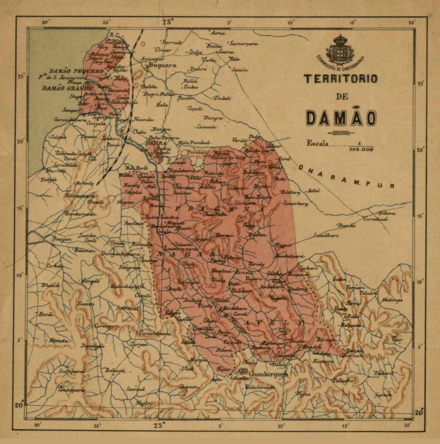
Old map of the territory
Even in 1961, these tribal communities held tightly onto their cultural practices. Despite the overwhelming presence of modernity, traditional rituals and festivals continued to be celebrated with great fervor. Dance forms like Tarpa, Gheriya, and Dholki were performed during religious festivities, maintaining a crucial link to the past.
In addition to the tribal communities, the region’s historical monuments stood as a testament to its cultural heritage. Structures like the Church of Our Lady of Piety and the Dadra Fort exemplified the architectural fusion of Portuguese and Indian influences. These landmarks, along with their historical significance, became proud symbols of Dadra and Nagar Haveli’s unique history and cultural blend.
The integration of Dadra and Nagar Haveli into India also brought about positive changes in terms of education and infrastructure. Schools were established, allowing children in the region to receive formal education and gain exposure to different cultures and ideas. This educational development not only helped in preserving the cultural identity of Dadra and Nagar Haveli but also provided the residents with new opportunities for personal and professional growth.
The government took measures to promote tourism in the region, recognizing the potential of showcasing the rich cultural heritage of Dadra and Nagar Haveli to the rest of the country and the world. Efforts were made to preserve and restore historical sites, ensuring that future generations could continue to appreciate the architectural wonders left behind by the Portuguese.
The influx of tourists brought economic opportunities for the local population, especially in the areas of handicrafts and traditional arts. Artisans and craftsmen were able to showcase their skills and sell their products, keeping traditional art forms alive and benefiting from the growing interest in cultural tourism.
Moreover, cultural festivals and events were organized to celebrate the diverse traditions of Dadra and Nagar Haveli. These events not only brought the community together but also served as platforms for artists and performers to showcase their talent and preserve their cultural heritage.
#Hindi
1961 का साल दादरा और नगर हवेली के इतिहास में एक महत्वपूर्ण समय था। इस साल इस क्षेत्र में एक बड़ा राजनीतिक बदलाव हुआ, जिसने यहाँ की सांस्कृतिक और सामाजिक संरचना पर गहरा प्रभाव डाला।
दादरा और नगर हवेली की स्थिति
1961 से पहले, दादरा और नगर हवेली पर चार शताब्दियों से अधिक समय तक पुर्तगालियों का नियंत्रण था। पुर्तगालियों ने इस क्षेत्र की संस्कृति, परंपराओं और समाजी ढांचे पर गहरा प्रभाव डाला। लेकिन जब भारत में स्वतंत्रता आंदोलन जोर पकड़ने लगा, तो दादरा और नगर हवेली में भी स्वतंत्रता की मांग बढ़ गई।
1954 में, इस क्षेत्र के लोगों ने भारत में मिलाने की मांग शुरू की। उनका स्वतंत्रता पाने का सपना मजबूत हुआ, और 11 अगस्त, 1961 को भारतीय सरकार ने दादरा और नगर हवेली को आधिकारिक रूप से भारत में शामिल कर लिया, जिससे पुर्तगाली शासन का अंत हो गया।
पुर्तगाली युग में दादरा और नगर हवेली
पुर्तगाली शासन से भारतीय शासन में परिवर्तन के दौरान कई चुनौतियाँ आईं। दादरा और नगर हवेली के लोगों को नए प्रशासनिक प्रणाली को अपनाना पड़ा और शासन में महत्वपूर्ण बदलावों का सामना करना पड़ा। फिर भी, इन परिवर्तनों के बीच, इस क्षेत्र ने अपनी सांस्कृतिक पहचान बनाए रखी और अपनी परंपराओं को संरक्षित रखा।
दादरा और नगर हवेली की सांस्कृतिक जड़ों को संरक्षित करने में इनकी समृद्ध जनजातीय विरासत एक अहम भूमिका निभाई। धोडिया, कोकना, और वारली जैसी स्थानीय जनजातियाँ यहाँ की सांस्कृतिक छवि को आकार देने में महत्वपूर्ण थीं। उनकी विशिष्ट भाषा, लोककथाएँ, संगीत, और कला यहाँ की पहचान का हिस्सा थीं।
यहाँ के जनजातीय समुदायों ने 1961 में भी अपनी सांस्कृतिक परंपराओं को दृढ़ता से पकड़े रखा। आधुनिकता के प्रभाव के बावजूद, पारंपरिक रीति-रिवाज और त्योहारों को बड़े जोश के साथ मनाया जाता रहा। धार्मिक उत्सवों के दौरान तर्पा, घेरीया, और ढोलकी जैसे नृत्य रूपों का प्रदर्शन होता रहा, जिससे अतीत से एक महत्वपूर्ण संबंध बना रहा।
जनजातीय समुदायों के अलावा, इस क्षेत्र के ऐतिहासिक स्मारक इसकी सांस्कृतिक धरोहर के प्रतीक बने रहे। ‘चर्च ऑफ आवर लेडी ऑफ पायटी’ और ‘दादरा फोर्ट’ जैसी संरचनाएँ पुर्तगाली और भारतीय प्रभाव के वास्तुशिल्प मिश्रण का उदाहरण थीं। ये स्थान दादरा और नगर हवेली के अनोखे इतिहास और सांस्कृतिक मिलाप के गर्वित प्रतीक बने।
दादरा और नगर हवेली के भारत में विलय से शिक्षा और बुनियादी ढांचे के मामले में सकारात्मक बदलाव आए। स्कूलों की स्थापना हुई, जिससे यहाँ के बच्चों को औपचारिक शिक्षा मिली और वे विभिन्न संस्कृतियों और विचारधाराओं से परिचित हुए। इस शैक्षिक विकास ने दादरा और नगर हवेली की सांस्कृतिक पहचान को संरक्षित रखने में मदद की और निवासियों को व्यक्तिगत और व्यावसायिक विकास के नए अवसर प्रदान किए।
सरकार ने इस क्षेत्र में पर्यटन को बढ़ावा देने के लिए कदम उठाए, यह समझते हुए कि दादरा और नगर हवेली की समृद्ध सांस्कृतिक धरोहर को देश और दुनिया के सामने प्रदर्शित करने की क्षमता है। ऐतिहासिक स्थलों को संरक्षित और पुनःस्थापित करने के प्रयास किए गए, ताकि आने वाली पीढ़ियाँ पुर्तगालियों द्वारा छोड़े गए वास्तुशिल्प चमत्कारों की सराहना कर सकें।
पर्यटकों के आगमन ने स्थानीय जनसंख्या के लिए आर्थिक अवसर भी लाए, विशेष रूप से हस्तशिल्प और पारंपरिक कलाओं के क्षेत्र में। कारीगरों और शिल्पकारों को अपनी कला कौशल दिखाने और अपने उत्पाद बेचने का अवसर मिला, जिससे पारंपरिक कला रूप जीवित रहे और सांस्कृतिक पर्यटन में बढ़ती रुचि के कारण उन्हें लाभ हुआ।
इसके अलावा, दादरा और नगर हवेली की विविध परंपराओं का जश्न मनाने के लिए सांस्कृतिक त्योहार और कार्यक्रम आयोजित किए गए। इन आयोजनों ने न केवल समुदाय को एक साथ लाया, बल्कि कलाकारों और प्रदर्शनकारों को अपनी प्रतिभा दिखाने और अपनी सांस्कृतिक धरोहर को संरक्षित रखने के लिए मंच भी प्रदान किया।

 NehaScope
The year 1961 marked a significant phase in the history of Dadra and Nagar Haveli, a union territory in western India. It was during this period that the region underwent a major political transition, which had a profound impact on the cultural and social fabric of the land.
Prior to 1961, Dadra and Nagar Haveli were under Portuguese control for over four centuries. The Portuguese had a significant influence on the region, deeply impacting its culture, traditions, and societal structure. However, as the movement for independence grew stronger in India, the liberation struggle in Dadra and Nagar Haveli gained momentum.
In 1954, the residents of the territory initiated the demand for their integration into the Indian mainland. Their aspiration for independence gained recognition, and on August 11, 1961, the Indian government officially annexed Dadra and Nagar Haveli, marking the end of Portuguese rule in the region.
The transition from Portuguese to Indian rule was not without its challenges. The people of Dadra and Nagar Haveli had to adapt to a new administrative system and undergo significant changes in governance. Yet, amidst all the transformations, the region managed to retain its cultural identity and preserve its traditional practices.
One of the key factors in preserving the cultural roots of Dadra and Nagar Haveli was their rich tribal heritage. The indigenous tribes, including the Dhodia, Kokna, and Varli, played an instrumental role in shaping the region’s cultural landscape. Their distinct language, folklore, music, and art forms were integral to the region’s identity.
Even in 1961, these tribal communities held tightly onto their cultural practices. Despite the overwhelming presence of modernity, traditional rituals and festivals continued to be celebrated with great fervor. Dance forms like Tarpa, Gheriya, and Dholki were performed during religious festivities, maintaining a crucial link to the past.
In addition to the tribal communities, the region’s historical monuments stood as a testament to its cultural heritage. Structures like the Church of Our Lady of Piety and the Dadra Fort exemplified the architectural fusion of Portuguese and Indian influences. These landmarks, along with their historical significance, became proud symbols of Dadra and Nagar Haveli’s unique history and cultural blend.
The integration of Dadra and Nagar Haveli into India also brought about positive changes in terms of education and infrastructure. Schools were established, allowing children in the region to receive formal education and gain exposure to different cultures and ideas. This educational development not only helped in preserving the cultural identity of Dadra and Nagar Haveli but also provided the residents with new opportunities for personal and professional growth.
The government took measures to promote tourism in the region, recognizing the potential of showcasing the rich cultural heritage of Dadra and Nagar Haveli to the rest of the country and the world. Efforts were made to preserve and restore historical sites, ensuring that future generations could continue to appreciate the architectural wonders left behind by the Portuguese.
The influx of tourists brought economic opportunities for the local population, especially in the areas of handicrafts and traditional arts. Artisans and craftsmen were able to showcase their skills and sell their products, keeping traditional art forms alive and benefiting from the growing interest in cultural tourism.
Moreover, cultural festivals and events were organized to celebrate the diverse traditions of Dadra and Nagar Haveli. These events not only brought the community together but also served as platforms for artists and performers to showcase their talent and preserve their cultural heritage.
#Hindi
1961 का साल दादरा और नगर हवेली के इतिहास में एक महत्वपूर्ण समय था। इस साल इस क्षेत्र में एक बड़ा राजनीतिक बदलाव हुआ, जिसने यहाँ की सांस्कृतिक और सामाजिक संरचना पर गहरा प्रभाव डाला।
दादरा और नगर हवेली की स्थिति
1961 से पहले, दादरा और नगर हवेली पर चार शताब्दियों से अधिक समय तक पुर्तगालियों का नियंत्रण था। पुर्तगालियों ने इस क्षेत्र की संस्कृति, परंपराओं और समाजी ढांचे पर गहरा प्रभाव डाला। लेकिन जब भारत में स्वतंत्रता आंदोलन जोर पकड़ने लगा, तो दादरा और नगर हवेली में भी स्वतंत्रता की मांग बढ़ गई।
1954 में, इस क्षेत्र के लोगों ने भारत में मिलाने की मांग शुरू की। उनका स्वतंत्रता पाने का सपना मजबूत हुआ, और 11 अगस्त, 1961 को भारतीय सरकार ने दादरा और नगर हवेली को आधिकारिक रूप से भारत में शामिल कर लिया, जिससे पुर्तगाली शासन का अंत हो गया।
पुर्तगाली युग में दादरा और नगर हवेली
पुर्तगाली शासन से भारतीय शासन में परिवर्तन के दौरान कई चुनौतियाँ आईं। दादरा और नगर हवेली के लोगों को नए प्रशासनिक प्रणाली को अपनाना पड़ा और शासन में महत्वपूर्ण बदलावों का सामना करना पड़ा। फिर भी, इन परिवर्तनों के बीच, इस क्षेत्र ने अपनी सांस्कृतिक पहचान बनाए रखी और अपनी परंपराओं को संरक्षित रखा।
दादरा और नगर हवेली की सांस्कृतिक जड़ों को संरक्षित करने में इनकी समृद्ध जनजातीय विरासत एक अहम भूमिका निभाई। धोडिया, कोकना, और वारली जैसी स्थानीय जनजातियाँ यहाँ की सांस्कृतिक छवि को आकार देने में महत्वपूर्ण थीं। उनकी विशिष्ट भाषा, लोककथाएँ, संगीत, और कला यहाँ की पहचान का हिस्सा थीं।
यहाँ के जनजातीय समुदायों ने 1961 में भी अपनी सांस्कृतिक परंपराओं को दृढ़ता से पकड़े रखा। आधुनिकता के प्रभाव के बावजूद, पारंपरिक रीति-रिवाज और त्योहारों को बड़े जोश के साथ मनाया जाता रहा। धार्मिक उत्सवों के दौरान तर्पा, घेरीया, और ढोलकी जैसे नृत्य रूपों का प्रदर्शन होता रहा, जिससे अतीत से एक महत्वपूर्ण संबंध बना रहा।
जनजातीय समुदायों के अलावा, इस क्षेत्र के ऐतिहासिक स्मारक इसकी सांस्कृतिक धरोहर के प्रतीक बने रहे। ‘चर्च ऑफ आवर लेडी ऑफ पायटी’ और ‘दादरा फोर्ट’ जैसी संरचनाएँ पुर्तगाली और भारतीय प्रभाव के वास्तुशिल्प मिश्रण का उदाहरण थीं। ये स्थान दादरा और नगर हवेली के अनोखे इतिहास और सांस्कृतिक मिलाप के गर्वित प्रतीक बने।
दादरा और नगर हवेली के भारत में विलय से शिक्षा और बुनियादी ढांचे के मामले में सकारात्मक बदलाव आए। स्कूलों की स्थापना हुई, जिससे यहाँ के बच्चों को औपचारिक शिक्षा मिली और वे विभिन्न संस्कृतियों और विचारधाराओं से परिचित हुए। इस शैक्षिक विकास ने दादरा और नगर हवेली की सांस्कृतिक पहचान को संरक्षित रखने में मदद की और निवासियों को व्यक्तिगत और व्यावसायिक विकास के नए अवसर प्रदान किए।
सरकार ने इस क्षेत्र में पर्यटन को बढ़ावा देने के लिए कदम उठाए, यह समझते हुए कि दादरा और नगर हवेली की समृद्ध सांस्कृतिक धरोहर को देश और दुनिया के सामने प्रदर्शित करने की क्षमता है। ऐतिहासिक स्थलों को संरक्षित और पुनःस्थापित करने के प्रयास किए गए, ताकि आने वाली पीढ़ियाँ पुर्तगालियों द्वारा छोड़े गए वास्तुशिल्प चमत्कारों की सराहना कर सकें।
पर्यटकों के आगमन ने स्थानीय जनसंख्या के लिए आर्थिक अवसर भी लाए, विशेष रूप से हस्तशिल्प और पारंपरिक कलाओं के क्षेत्र में। कारीगरों और शिल्पकारों को अपनी कला कौशल दिखाने और अपने उत्पाद बेचने का अवसर मिला, जिससे पारंपरिक कला रूप जीवित रहे और सांस्कृतिक पर्यटन में बढ़ती रुचि के कारण उन्हें लाभ हुआ।
इसके अलावा, दादरा और नगर हवेली की विविध परंपराओं का जश्न मनाने के लिए सांस्कृतिक त्योहार और कार्यक्रम आयोजित किए गए। इन आयोजनों ने न केवल समुदाय को एक साथ लाया, बल्कि कलाकारों और प्रदर्शनकारों को अपनी प्रतिभा दिखाने और अपनी सांस्कृतिक धरोहर को संरक्षित रखने के लिए मंच भी प्रदान किया।
Share this: