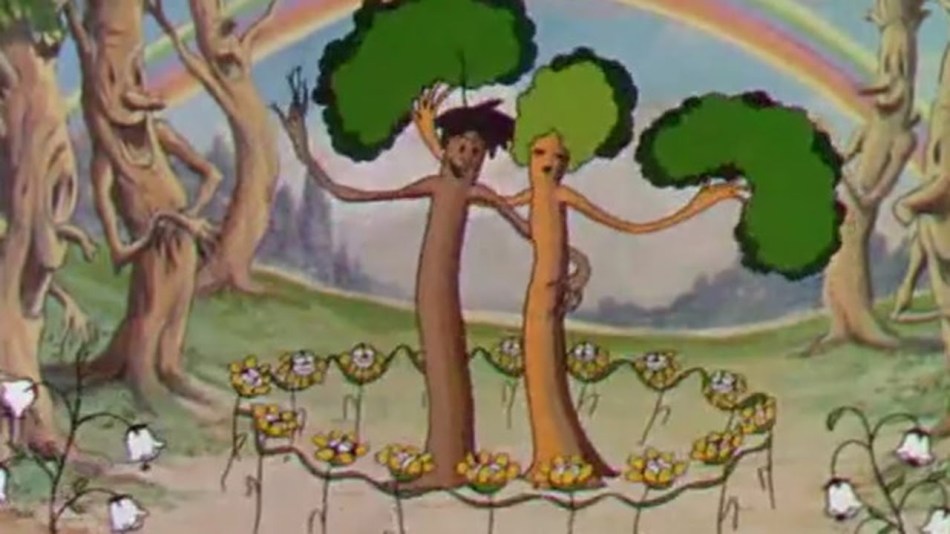
“Flowers and Trees,” the groundbreaking short film from Walt Disney Productions, holds a distinguished place in cinematic history as the first cartoon to win an Academy Award. Released on July 30, 1932, this enchanting short not only captivated audiences with its charming animation and storytelling but also marked a pivotal moment in film technology by being the inaugural commercial release produced using the full-color three-strip Technicolor process.
Prior to the advent of the three-strip Technicolor, films were predominantly produced in black and white, with some exploring the two-color Technicolor process. This older method utilized only red and green hues, resulting in films that could not fully replicate the vibrant spectrum of colors visible to the human eye. Disney, always a pioneer in the field of animation, seized the opportunity to test this new technology that promised a more vivid and realistic color experience.
“Flowers and Trees” showcases a simple yet enchanting narrative: a natural setting where flora and fauna come to life, engaging in fantastical interactions. The plot revolves around a love story, with two trees as the central characters. Their romantic tale is threatened by a sinister old tree stump, leading to a climax filled with drama and excitement. The resolution sees harmony restored, symbolizing the triumph of love and nature over adversity.
The decision to produce “Flowers and Trees” in Technicolor was momentous for Disney. Walt Disney had initially produced the film in black and white but, after witnessing the potential of the new Technicolor process, he decided to remake it in full color. This decision paid off tremendously, as the vivid hues brought an unprecedented level of detail and vibrancy to the animation, enhancing both its aesthetic appeal and emotional impact.
Audiences were dazzled by the rich colors and the lifelike quality of the animation, qualities that set a new standard for the industry. The success of “Flowers and Trees” not only reinforced Disney’s reputation as a visionary but also accelerated the transition in the industry from black and white to color animation.
The film’s critical acclaim culminated in its winning the first Academy Award for Animated Short Film at the 5th Oscar ceremony in 1932. This recognition not only celebrated the creative excellence of the Disney team but also validated the promising future of color film technology.
“Flowers and Trees” stands as a testament to Walt Disney’s commitment to innovation and quality in animation. Its production marked a significant technological milestone, paving the way for future advancements in the industry. The film’s legacy endures, reminding audiences of the magic that can be achieved when art and technology converge.
#Hindi
“फ्लॉवर्स एंड ट्रीज़,” वॉल्ट डिज़्नी प्रोडक्शंस की एक प्रमुख शॉर्ट फिल्म है, जिसे सिनेमाई इतिहास में खास जगह मिली है क्योंकि यह पहली एनिमेशन फिल्म थी जिसने अकादमी अवॉर्ड जीता। 30 जुलाई, 1932 को रिलीज़ हुई यह लघु फिल्म न केवल दर्शकों को अपनी दिलकश एनिमेशन और कहानी के साथ मोहित कर गई, बल्कि यह फिल्म तकनीक के क्षेत्र में एक महत्वपूर्ण मोड़ साबित हुई, क्योंकि यह पूरी तरह से रंगीन तीन-स्ट्रीप टेक्नीकलर प्रक्रिया का उपयोग करके बनाई गई पहली व्यावसायिक फिल्म थी।
तीन-स्ट्रीप टेक्नीकलर के आगमन से पहले, ज्यादातर फिल्में ब्लैक एंड व्हाइट में बनाई जाती थीं, कुछ में दो-रंग टेक्नीकलर प्रक्रिया का प्रयोग किया गया था। यह पुरानी विधि केवल लाल और हरे रंग का उपयोग करती थी, जिससे फिल्में मानव आंखों द्वारा दिखाई जा सकने वाले रंगों के जीवंत स्पेक्ट्रम की पूरी नकल नहीं कर पाती थीं। डिज़्नी, हमेशा से एनीमेशन के क्षेत्र में अग्रणी थे, उन्होंने इस नई तकनीक को आजमाने का अवसर लिया, जो अधिक जीवंत और वास्तविक रंग अनुभव का वादा करती थी।
“फ्लॉवर्स एंड ट्रीज़” एक सरल लेकिन मनमोहक कहानी प्रस्तुत करती है: एक प्राकृतिक वातावरण जहाँ फूल-पौधे और जीव-जन्तु जीवन्त हो उठते हैं और जादुई संवाद करते हैं। कहानी का मुख्य बिंदु एक प्रेम कथा है, जिसमें दो पेड़ मुख्य पात्र होते हैं। उनकी रोमांटिक कहानी को एक कुटिल पुराने पेड़ के ठूंठ से खतरा होता है, जो नाटकीयता और उत्साह से भरे चरमोत्कर्ष की ओर ले जाती है। अंत में प्रेम और प्रकृति की विजय होती है और सब कुछ सामंजस्य में आ जाता है।
“फ्लॉवर्स एंड ट्रीज़” को टेक्नीकलर में बनाने का निर्णय डिज़्नी के लिए एक महत्वपूर्ण था। वॉल्ट डिज़्नी ने पहले इस फिल्म को ब्लैक एंड व्हाइट में बनाया था, लेकिन जब उन्होंने नए टेक्नीकलर प्रक्रिया की संभावना देखी, तो उन्होंने इसे पूर्ण रंग में फिर से बनाने का निर्णय लिया। इस निर्णय से जबरदस्त लाभ हुआ क्योंकि जीवंत रंगों ने एनिमेशन में एक नई स्तर की विस्तार और चमक लाई, जिसने इसकी सौंदर्य अपील और भावनात्मक प्रभाव को बढ़ाया।
दर्शक समृद्ध रंगों और एनिमेशन की जीवन्तता से दंग रह गए, ये गुण उद्योग के लिए एक नया मानक बन गए। “फ्लॉवर्स एंड ट्रीज़” की सफलता ने न केवल डिज़्नी की दूरदर्शिता को मजबूत किया बल्कि उद्योग में ब्लैक एंड व्हाइट से रंगीन एनिमेशन की ओर बदलाव को भी तेज किया।
फिल्म की आलोचनात्मक प्रशंसा तब चरम पर पहुँची जब इसे 1932 के 5वें ऑस्कर समारोह में एनिमेटेड शॉर्ट फिल्म के लिए पहला अकादमी अवॉर्ड मिला। इस सम्मान ने न केवल डिज़्नी टीम की रचनात्मक उत्कृष्टता का उत्सव मनाया, बल्कि रंगीन फिल्म प्रौद्योगिकी के आशाजनक भविष्य की पुष्टि भी की।
“फ्लॉवर्स एंड ट्रीज़” वॉल्ट डिज़्नी की एनिमेशन में नवाचार और गुणवत्ता के प्रति समर्पण का प्रतीक है। इसका निर्माण एक महत्वपूर्ण तकनीकी मील का पत्थर साबित हुआ, जिसने उद्योग में भविष्य की प्रगति का मार्ग प्रशस्त किया। फिल्म की विरासत बनी हुई है, दर्शकों को यह याद दिलाती है कि जब कला और प्रौद्योगिकी एक साथ मिलती हैं तो जादू कैसे पैदा होता है।


 NehaScope
“Flowers and Trees,” the groundbreaking short film from Walt Disney Productions, holds a distinguished place in cinematic history as the first cartoon to win an Academy Award. Released on July 30, 1932, this enchanting short not only captivated audiences with its charming animation and storytelling but also marked a pivotal moment in film technology by being the inaugural commercial release produced using the full-color three-strip Technicolor process.
Prior to the advent of the three-strip Technicolor, films were predominantly produced in black and white, with some exploring the two-color Technicolor process. This older method utilized only red and green hues, resulting in films that could not fully replicate the vibrant spectrum of colors visible to the human eye. Disney, always a pioneer in the field of animation, seized the opportunity to test this new technology that promised a more vivid and realistic color experience.
“Flowers and Trees” showcases a simple yet enchanting narrative: a natural setting where flora and fauna come to life, engaging in fantastical interactions. The plot revolves around a love story, with two trees as the central characters. Their romantic tale is threatened by a sinister old tree stump, leading to a climax filled with drama and excitement. The resolution sees harmony restored, symbolizing the triumph of love and nature over adversity.
The decision to produce “Flowers and Trees” in Technicolor was momentous for Disney. Walt Disney had initially produced the film in black and white but, after witnessing the potential of the new Technicolor process, he decided to remake it in full color. This decision paid off tremendously, as the vivid hues brought an unprecedented level of detail and vibrancy to the animation, enhancing both its aesthetic appeal and emotional impact.
Audiences were dazzled by the rich colors and the lifelike quality of the animation, qualities that set a new standard for the industry. The success of “Flowers and Trees” not only reinforced Disney’s reputation as a visionary but also accelerated the transition in the industry from black and white to color animation.
The film’s critical acclaim culminated in its winning the first Academy Award for Animated Short Film at the 5th Oscar ceremony in 1932. This recognition not only celebrated the creative excellence of the Disney team but also validated the promising future of color film technology.
“Flowers and Trees” stands as a testament to Walt Disney’s commitment to innovation and quality in animation. Its production marked a significant technological milestone, paving the way for future advancements in the industry. The film’s legacy endures, reminding audiences of the magic that can be achieved when art and technology converge.
#Hindi
“फ्लॉवर्स एंड ट्रीज़,” वॉल्ट डिज़्नी प्रोडक्शंस की एक प्रमुख शॉर्ट फिल्म है, जिसे सिनेमाई इतिहास में खास जगह मिली है क्योंकि यह पहली एनिमेशन फिल्म थी जिसने अकादमी अवॉर्ड जीता। 30 जुलाई, 1932 को रिलीज़ हुई यह लघु फिल्म न केवल दर्शकों को अपनी दिलकश एनिमेशन और कहानी के साथ मोहित कर गई, बल्कि यह फिल्म तकनीक के क्षेत्र में एक महत्वपूर्ण मोड़ साबित हुई, क्योंकि यह पूरी तरह से रंगीन तीन-स्ट्रीप टेक्नीकलर प्रक्रिया का उपयोग करके बनाई गई पहली व्यावसायिक फिल्म थी।
तीन-स्ट्रीप टेक्नीकलर के आगमन से पहले, ज्यादातर फिल्में ब्लैक एंड व्हाइट में बनाई जाती थीं, कुछ में दो-रंग टेक्नीकलर प्रक्रिया का प्रयोग किया गया था। यह पुरानी विधि केवल लाल और हरे रंग का उपयोग करती थी, जिससे फिल्में मानव आंखों द्वारा दिखाई जा सकने वाले रंगों के जीवंत स्पेक्ट्रम की पूरी नकल नहीं कर पाती थीं। डिज़्नी, हमेशा से एनीमेशन के क्षेत्र में अग्रणी थे, उन्होंने इस नई तकनीक को आजमाने का अवसर लिया, जो अधिक जीवंत और वास्तविक रंग अनुभव का वादा करती थी।
“फ्लॉवर्स एंड ट्रीज़” एक सरल लेकिन मनमोहक कहानी प्रस्तुत करती है: एक प्राकृतिक वातावरण जहाँ फूल-पौधे और जीव-जन्तु जीवन्त हो उठते हैं और जादुई संवाद करते हैं। कहानी का मुख्य बिंदु एक प्रेम कथा है, जिसमें दो पेड़ मुख्य पात्र होते हैं। उनकी रोमांटिक कहानी को एक कुटिल पुराने पेड़ के ठूंठ से खतरा होता है, जो नाटकीयता और उत्साह से भरे चरमोत्कर्ष की ओर ले जाती है। अंत में प्रेम और प्रकृति की विजय होती है और सब कुछ सामंजस्य में आ जाता है।
“फ्लॉवर्स एंड ट्रीज़” को टेक्नीकलर में बनाने का निर्णय डिज़्नी के लिए एक महत्वपूर्ण था। वॉल्ट डिज़्नी ने पहले इस फिल्म को ब्लैक एंड व्हाइट में बनाया था, लेकिन जब उन्होंने नए टेक्नीकलर प्रक्रिया की संभावना देखी, तो उन्होंने इसे पूर्ण रंग में फिर से बनाने का निर्णय लिया। इस निर्णय से जबरदस्त लाभ हुआ क्योंकि जीवंत रंगों ने एनिमेशन में एक नई स्तर की विस्तार और चमक लाई, जिसने इसकी सौंदर्य अपील और भावनात्मक प्रभाव को बढ़ाया।
दर्शक समृद्ध रंगों और एनिमेशन की जीवन्तता से दंग रह गए, ये गुण उद्योग के लिए एक नया मानक बन गए। “फ्लॉवर्स एंड ट्रीज़” की सफलता ने न केवल डिज़्नी की दूरदर्शिता को मजबूत किया बल्कि उद्योग में ब्लैक एंड व्हाइट से रंगीन एनिमेशन की ओर बदलाव को भी तेज किया।
फिल्म की आलोचनात्मक प्रशंसा तब चरम पर पहुँची जब इसे 1932 के 5वें ऑस्कर समारोह में एनिमेटेड शॉर्ट फिल्म के लिए पहला अकादमी अवॉर्ड मिला। इस सम्मान ने न केवल डिज़्नी टीम की रचनात्मक उत्कृष्टता का उत्सव मनाया, बल्कि रंगीन फिल्म प्रौद्योगिकी के आशाजनक भविष्य की पुष्टि भी की।
“फ्लॉवर्स एंड ट्रीज़” वॉल्ट डिज़्नी की एनिमेशन में नवाचार और गुणवत्ता के प्रति समर्पण का प्रतीक है। इसका निर्माण एक महत्वपूर्ण तकनीकी मील का पत्थर साबित हुआ, जिसने उद्योग में भविष्य की प्रगति का मार्ग प्रशस्त किया। फिल्म की विरासत बनी हुई है, दर्शकों को यह याद दिलाती है कि जब कला और प्रौद्योगिकी एक साथ मिलती हैं तो जादू कैसे पैदा होता है।
Share this: