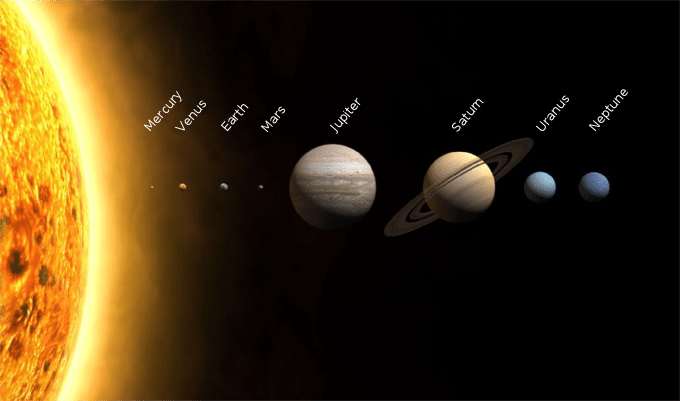
The idea that all planets revolve around the Sun is a concept rooted in heliocentrism, a model that dates back to the Renaissance period. This model fundamentally transformed our understanding of the cosmos and our place within it. While Nicolaus Copernicus laid the groundwork for heliocentrism in the early 16th century, it was Italian astronomer Galileo Galilei who provided substantial observational evidence to support this revolutionary idea. However, championing this theory came at a significant personal cost for Galileo.

Galileo’s Contributions to Astronomy
Galileo Galilei, born in 1564, was a groundbreaking scientist whose numerous contributions reshaped various scientific fields. His development and use of the telescope allowed him to make unprecedented observations of the heavens. Among his discoveries were the four largest moons of Jupiter—Io, Europa, Ganymede, and Callisto—which are collectively known today as the Galilean moons. This discovery was crucial because it provided clear evidence that not everything orbited the Earth, challenging the geocentric model that had dominated for centuries.
Furthermore, Galileo’s observations of the phases of Venus provided additional support for the heliocentric model. He observed that Venus exhibited a full set of phases similar to those of the Moon, something that could only be explained if Venus orbited the Sun. His study of sunspots and his insights into the rugged surface of the Moon further demonstrated his commitment to empirical observation and a willingness to challenge traditional beliefs.
Galileo and the Church: A Clash of Ideologies
Galileo’s support for the Copernican theory that the Earth and other planets revolve around the Sun was met with hostility by the Catholic Church, which held the Aristotelian geocentric view as doctrine. The Church considered the heliocentric model to be contrary to the teachings of the Scriptures, which was a grave offense at the time.
In 1616, the Church formally declared heliocentrism to be heretical. Despite this, Galileo continued to work on this theory and published his findings in “Dialogue Concerning the Two Chief World Systems” in 1632. The book presented arguments for both the heliocentric and geocentric systems, but it was clear where Galileo’s support lay.
Trial and Punishment
Galileo’s advocacy for heliocentrism led to his trial by the Roman Catholic Inquisition in 1633. Accused of heresy, Galileo was forced to recant his support for the heliocentric model publicly. He famously muttered, “And yet it moves,” a defiant assertion of his belief in the heliocentric theory.
The Inquisition sentenced Galileo to formal imprisonment, which was later commuted to house arrest. He spent the remainder of his life under house arrest at his villa in Arcetri, near Florence, until his death in 1642. Additionally, the Church banned his “Dialogue” and prohibited the publication of any of his future works. Despite this censure, Galileo continued to write, although his works circulated only clandestinely.
Legacy and Vindication
Galileo’s work laid the foundation for modern physics and astronomy and inspired future generations of scientists. It was not until centuries later that the Church formally acknowledged its error in condemning Galileo. In 1992, Pope John Paul II issued a formal apology, acknowledging the trials and tribulations Galileo faced for his contributions to science and affirming the validity of his work.
Today, the heliocentric model is universally accepted, and Galileo is celebrated as one of the pivotal figures in the Scientific Revolution. His story highlights the enduring tension between established beliefs and new ideas, and serves as a testament to the courage required to pursue truth in the face of adversity.
#Hindi
सभी ग्रह सूर्य के चारों ओर घूमते हैं, यह विचार सूर्य केंद्रित (हेलियोसेंट्रिक) मॉडल पर आधारित है। यह मॉडल पुनर्जागरण काल के समय का है और इसने हमारे ब्रह्मांड को समझने के तरीके को बदल दिया। निकोलस कोपरनिकस ने 16वीं सदी में इस मॉडल की नींव रखी, लेकिन इतालवी खगोलशास्त्री गैलीलियो गैलिली ने इसे साबित करने के लिए ठोस सबूत दिए। हालांकि, इस विचार का समर्थन करना गैलीलियो के लिए व्यक्तिगत रूप से बहुत महंगा पड़ा।
गैलीलियो के खगोल विज्ञान में योगदान
गैलीलियो गैलिली का जन्म 1564 में हुआ था और वे एक अत्यंत महत्वपूर्ण वैज्ञानिक थे। उन्होंने दूरबीन का विकास किया और आकाश के अभूतपूर्व अवलोकन किए। उन्होंने बृहस्पति के चार सबसे बड़े चंद्रमाओं की खोज की, जिन्हें आज ‘गैलीलियन चंद्रमा’ कहा जाता है। इस खोज ने साबित किया कि सबकुछ पृथ्वी के चारों ओर नहीं घूमता, जो पुराने भौगोलिक मॉडल को चुनौती देता था।
इसके अलावा, गैलीलियो ने शुक्र ग्रह के चरणों का अवलोकन किया, जो यह साबित करता है कि शुक्र सूर्य की परिक्रमा करता है। उन्होंने सूर्य के धब्बों और चंद्रमा के असमतल सतह का अध्ययन किया, जो उनके वैज्ञानिक अवलोकन और पारंपरिक विश्वासों को चुनौती देने की तत्परता को दर्शाता है।
गैलीलियो और चर्च: विचारों का टकराव
गैलीलियो के सूर्य केंद्रित मॉडल के समर्थन को कैथोलिक चर्च ने अपमानजनक माना, क्योंकि चर्च अरस्तोटल के भौगोलिक विचार को मान्यता देता था। 1616 में, चर्च ने सूर्य केंद्रित मॉडल को धर्मविरोधी घोषित किया। फिर भी, गैलीलियो ने इस पर काम जारी रखा और 1632 में “डायलॉग कंसर्निंग द टू चीफ वर्ल्ड सिस्टम्स” पुस्तक प्रकाशित की।
मुकदमा और सजा
गैलीलियो के इस मॉडल का समर्थन करने के कारण 1633 में उन्हें चर्च के अनुशासनात्मक न्यायालय द्वारा धर्मविरोध के आरोप में मुकदमे का सामना करना पड़ा। उन्होंने सार्वजनिक रूप से अपने विचार वापस लिए। गैलीलियो को औपचारिक कैद की सजा दी गई, जिसे बाद में नजरबंदी में बदल दिया गया। 1642 में उनकी मृत्यु तक वे घर में ही कैद रहे। उनके लेखन पर पाबंदी लगा दी गई, लेकिन उनके काम गुप्त रूप से फैलते रहे।
विरासत और मान्यता
गैलीलियो का काम आधुनिक भौतिकी और खगोल विज्ञान की नींव बना। सदियों बाद, 1992 में पोप जॉन पॉल द्वितीय ने गैलीलियो के प्रति चर्च की गलती को स्वीकारते हुए माफी मांगी। आज, सूर्य केंद्रित मॉडल को सार्वभौमिक रूप से स्वीकार किया गया है और गैलीलियो को वैज्ञानिक क्रांति के महत्वपूर्ण व्यक्तियों में से एक के रूप में सम्मानित किया जाता है। उनका जीवन दिखाता है कि नए विचारों के लिए स्थापित मान्यताओं को चुनौती देना कितना कठिन होता है और सत्य की खोज में साहस की कितनी जरूरत होती है।


 NehaScope
Galileo’s Contributions to Astronomy
Galileo Galilei, born in 1564, was a groundbreaking scientist whose numerous contributions reshaped various scientific fields. His development and use of the telescope allowed him to make unprecedented observations of the heavens. Among his discoveries were the four largest moons of Jupiter—Io, Europa, Ganymede, and Callisto—which are collectively known today as the Galilean moons. This discovery was crucial because it provided clear evidence that not everything orbited the Earth, challenging the geocentric model that had dominated for centuries.
Furthermore, Galileo’s observations of the phases of Venus provided additional support for the heliocentric model. He observed that Venus exhibited a full set of phases similar to those of the Moon, something that could only be explained if Venus orbited the Sun. His study of sunspots and his insights into the rugged surface of the Moon further demonstrated his commitment to empirical observation and a willingness to challenge traditional beliefs.
Galileo and the Church: A Clash of Ideologies
Galileo’s support for the Copernican theory that the Earth and other planets revolve around the Sun was met with hostility by the Catholic Church, which held the Aristotelian geocentric view as doctrine. The Church considered the heliocentric model to be contrary to the teachings of the Scriptures, which was a grave offense at the time.
In 1616, the Church formally declared heliocentrism to be heretical. Despite this, Galileo continued to work on this theory and published his findings in “Dialogue Concerning the Two Chief World Systems” in 1632. The book presented arguments for both the heliocentric and geocentric systems, but it was clear where Galileo’s support lay.
Trial and Punishment
Galileo’s advocacy for heliocentrism led to his trial by the Roman Catholic Inquisition in 1633. Accused of heresy, Galileo was forced to recant his support for the heliocentric model publicly. He famously muttered, “And yet it moves,” a defiant assertion of his belief in the heliocentric theory.
The Inquisition sentenced Galileo to formal imprisonment, which was later commuted to house arrest. He spent the remainder of his life under house arrest at his villa in Arcetri, near Florence, until his death in 1642. Additionally, the Church banned his “Dialogue” and prohibited the publication of any of his future works. Despite this censure, Galileo continued to write, although his works circulated only clandestinely.
Legacy and Vindication
Galileo’s work laid the foundation for modern physics and astronomy and inspired future generations of scientists. It was not until centuries later that the Church formally acknowledged its error in condemning Galileo. In 1992, Pope John Paul II issued a formal apology, acknowledging the trials and tribulations Galileo faced for his contributions to science and affirming the validity of his work.
Today, the heliocentric model is universally accepted, and Galileo is celebrated as one of the pivotal figures in the Scientific Revolution. His story highlights the enduring tension between established beliefs and new ideas, and serves as a testament to the courage required to pursue truth in the face of adversity.
#Hindi
सभी ग्रह सूर्य के चारों ओर घूमते हैं, यह विचार सूर्य केंद्रित (हेलियोसेंट्रिक) मॉडल पर आधारित है। यह मॉडल पुनर्जागरण काल के समय का है और इसने हमारे ब्रह्मांड को समझने के तरीके को बदल दिया। निकोलस कोपरनिकस ने 16वीं सदी में इस मॉडल की नींव रखी, लेकिन इतालवी खगोलशास्त्री गैलीलियो गैलिली ने इसे साबित करने के लिए ठोस सबूत दिए। हालांकि, इस विचार का समर्थन करना गैलीलियो के लिए व्यक्तिगत रूप से बहुत महंगा पड़ा।
गैलीलियो के खगोल विज्ञान में योगदान
गैलीलियो गैलिली का जन्म 1564 में हुआ था और वे एक अत्यंत महत्वपूर्ण वैज्ञानिक थे। उन्होंने दूरबीन का विकास किया और आकाश के अभूतपूर्व अवलोकन किए। उन्होंने बृहस्पति के चार सबसे बड़े चंद्रमाओं की खोज की, जिन्हें आज ‘गैलीलियन चंद्रमा’ कहा जाता है। इस खोज ने साबित किया कि सबकुछ पृथ्वी के चारों ओर नहीं घूमता, जो पुराने भौगोलिक मॉडल को चुनौती देता था।
इसके अलावा, गैलीलियो ने शुक्र ग्रह के चरणों का अवलोकन किया, जो यह साबित करता है कि शुक्र सूर्य की परिक्रमा करता है। उन्होंने सूर्य के धब्बों और चंद्रमा के असमतल सतह का अध्ययन किया, जो उनके वैज्ञानिक अवलोकन और पारंपरिक विश्वासों को चुनौती देने की तत्परता को दर्शाता है।
गैलीलियो और चर्च: विचारों का टकराव
गैलीलियो के सूर्य केंद्रित मॉडल के समर्थन को कैथोलिक चर्च ने अपमानजनक माना, क्योंकि चर्च अरस्तोटल के भौगोलिक विचार को मान्यता देता था। 1616 में, चर्च ने सूर्य केंद्रित मॉडल को धर्मविरोधी घोषित किया। फिर भी, गैलीलियो ने इस पर काम जारी रखा और 1632 में “डायलॉग कंसर्निंग द टू चीफ वर्ल्ड सिस्टम्स” पुस्तक प्रकाशित की।
मुकदमा और सजा
गैलीलियो के इस मॉडल का समर्थन करने के कारण 1633 में उन्हें चर्च के अनुशासनात्मक न्यायालय द्वारा धर्मविरोध के आरोप में मुकदमे का सामना करना पड़ा। उन्होंने सार्वजनिक रूप से अपने विचार वापस लिए। गैलीलियो को औपचारिक कैद की सजा दी गई, जिसे बाद में नजरबंदी में बदल दिया गया। 1642 में उनकी मृत्यु तक वे घर में ही कैद रहे। उनके लेखन पर पाबंदी लगा दी गई, लेकिन उनके काम गुप्त रूप से फैलते रहे।
विरासत और मान्यता
गैलीलियो का काम आधुनिक भौतिकी और खगोल विज्ञान की नींव बना। सदियों बाद, 1992 में पोप जॉन पॉल द्वितीय ने गैलीलियो के प्रति चर्च की गलती को स्वीकारते हुए माफी मांगी। आज, सूर्य केंद्रित मॉडल को सार्वभौमिक रूप से स्वीकार किया गया है और गैलीलियो को वैज्ञानिक क्रांति के महत्वपूर्ण व्यक्तियों में से एक के रूप में सम्मानित किया जाता है। उनका जीवन दिखाता है कि नए विचारों के लिए स्थापित मान्यताओं को चुनौती देना कितना कठिन होता है और सत्य की खोज में साहस की कितनी जरूरत होती है।
Share this: