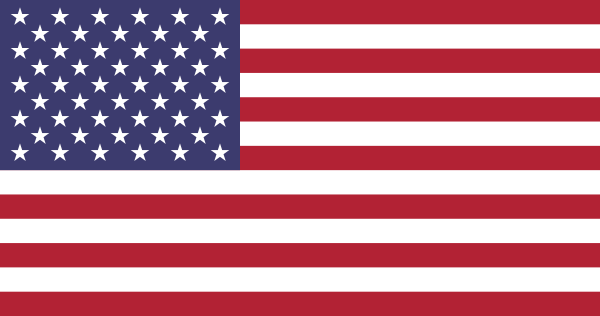
The American flag is a symbol of the United States, with 50 stars representing the 50 states in the Union. The design of the flag was officially adopted on June 14, 1777, with 13 stripes alternating between red and white, and 50 white stars arranged in rows on a blue field.
The original design of the flag was based on the “Grand Union” flag carried by the Continental Army in 1776. As new states joined the Union, additional stars were added to represent them on the flag.
Flag Day was first observed on June 14, 1877, marking the 100th anniversary of the adoption of the Stars and Stripes. In 1949, Congress officially designated June 14 as Flag Day, a national day of observance to honor the flag and its significance in American history.
The colors of the flag have symbolic meanings as well, with red representing valor and bravery, white symbolizing purity and innocence, and blue standing for vigilance, perseverance, and justice. The flag is often displayed on government buildings, schools, and during patriotic events and holidays such as Independence Day.
Many Americans also display the flag at their homes as a show of patriotism and pride in their country. Flag etiquette dictates proper ways to display and handle the flag, such as not allowing it to touch the ground and properly folding it when not in use.
The American flag has been a powerful symbol of unity, freedom, and democracy for over 200 years, and continues to evoke strong emotions and pride among Americans.


 NehaScope
The American flag is a symbol of the United States, with 50 stars representing the 50 states in the Union. The design of the flag was officially adopted on June 14, 1777, with 13 stripes alternating between red and white, and 50 white stars arranged in rows on a blue field.
The original design of the flag was based on the “Grand Union” flag carried by the Continental Army in 1776. As new states joined the Union, additional stars were added to represent them on the flag.
Flag Day was first observed on June 14, 1877, marking the 100th anniversary of the adoption of the Stars and Stripes. In 1949, Congress officially designated June 14 as Flag Day, a national day of observance to honor the flag and its significance in American history.
The colors of the flag have symbolic meanings as well, with red representing valor and bravery, white symbolizing purity and innocence, and blue standing for vigilance, perseverance, and justice. The flag is often displayed on government buildings, schools, and during patriotic events and holidays such as Independence Day.
Many Americans also display the flag at their homes as a show of patriotism and pride in their country. Flag etiquette dictates proper ways to display and handle the flag, such as not allowing it to touch the ground and properly folding it when not in use.
The American flag has been a powerful symbol of unity, freedom, and democracy for over 200 years, and continues to evoke strong emotions and pride among Americans.
Share this: