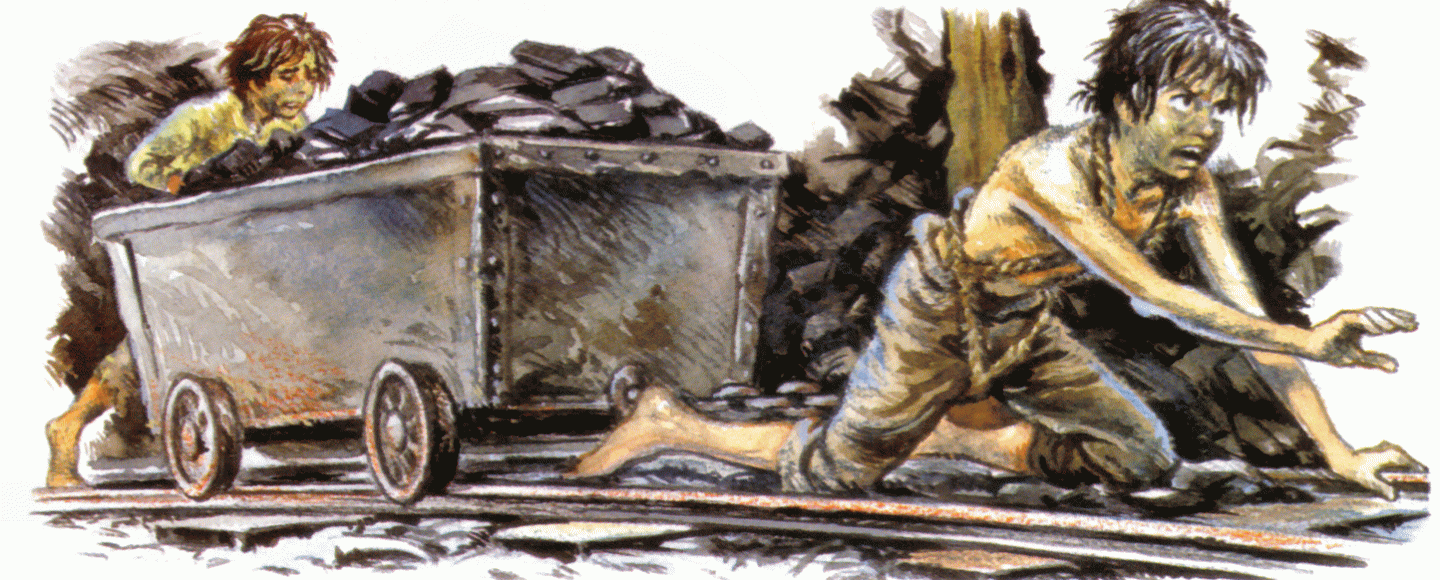
This day is dedicated to World day against Child Labour since 2002.
Celebrating Progress and Aiming Higher: A Brighter Future for India’s Children
While challenges in combating child labour in India persist, it’s essential to acknowledge the positive strides we’ve made and remain hopeful for a brighter future. Today, on World Day Against Child Labour, let’s highlight the positive aspects and ongoing efforts to create a better environment for our future generations.
1. Legal Framework and Commitment:
India has shown a strong commitment to eradicating child labour through robust legal frameworks. Articles 24, 21-A, and 45 of the Indian Constitution are pivotal in ensuring the protection and education of children. These laws reflect our nation’s dedication to safeguarding the fundamental rights of every child.
2. Increased Awareness:
The awareness around child labour and its detrimental effects has significantly increased. World Day Against Child Labour, observed since 2002, has played a crucial role in shining a spotlight on this issue, prompting collective action from various sectors of society.
3. Government Initiatives:
Both the central and state governments have launched numerous programs aimed at reducing child labour. Initiatives like the National Child Labour Project (NCLP) are designed to rescue and rehabilitate children engaged in labour, providing them with education and vocational training.
4. Progress in Education:
Efforts to improve access to education have seen notable advancements. With the implementation of the Right to Education Act (RTE) and schemes like Sarva Shiksha Abhiyan, more children are now enrolled in schools, paving the way for a better-educated youth population.
5. Community Involvement:
Communities across India are increasingly taking a stand against child labour. Local NGOs, community groups, and activists are working tirelessly to identify, rescue, and rehabilitate child labourers, ensuring they receive the support and education they need.
6. International Support:
India’s fight against child labour has garnered international support. Organizations like UNICEF and the International Labour Organization (ILO) are partnering with Indian authorities and NGOs to provide resources, share best practices, and drive impactful changes.
7. Corporate Responsibility:
There is a growing trend of corporate social responsibility (CSR) initiatives focusing on child welfare. Companies are investing in programs that support education, health, and skill development for disadvantaged children, contributing significantly to the cause.
8. Empowering Future Generations:
Programs that focus on skill development and vocational training for older children ensure that they are equipped with the necessary skills to secure better employment opportunities, breaking the cycle of poverty and child labour.
As we commemorate World Day Against Child Labour, let’s celebrate these positive strides and reaffirm our commitment to protect every child’s right to a safe, healthy, and educated future. Together, with continued efforts, we can make a significant difference in the lives of millions of children and build a stronger, more prosperous India.
#WorldDayAgainstChildLabour #HopeForFuture #ProgressForAll #EducationForChildren #India #PositiveChange #FutureGeneration
#Hindi
यह दिन 2002 से बाल श्रम के खिलाफ विश्व दिवस के रूप में समर्पित किया गया है।
उन्नति का उत्सव और ऊँचे लक्ष्य: भारत के बच्चों के लिए एक उज्जवल भविष्य
भारत में बाल श्रम से लड़ने में चुनौतियाँ बनी हुई हैं, लेकिन यह महत्वपूर्ण है कि हम अब तक की सकारात्मक प्रगति को मान्य करें और एक उज्जवल भविष्य के लिए आशान्वित रहें। आज, बाल श्रम के खिलाफ विश्व दिवस के मौके पर, चलिए भविष्य की पीढ़ियों के लिए बेहतर माहौल बनाने के लिए सकारात्मक पहलुओं और चल रहे प्रयासों पर रोशनी डालें।
कानूनी ढांचा और प्रतिबद्धता:
भारत ने मजबूत कानूनी ढाचे के माध्यम से बाल श्रम उन्मूलन के प्रति दृढ़ प्रतिबद्धता दिखाई है। भारतीय संविधान के अनुच्छेद 24, 21-ए और 45 बच्चों के संरक्षण और शिक्षा सुनिश्चित करने में महत्वपूर्ण हैं। ये कानून हर बच्चे के मूलभूत अधिकारों की रक्षा के प्रति हमारे देश की प्रतिबद्धता को दर्शाते हैं।
जागरूकता में वृद्धि:
बाल श्रम और इसके हानिकारक प्रभावों के प्रति जागरूकता में काफी वृद्धि हुई है। 2002 से मनाए जा रहे बाल श्रम के खिलाफ विश्व दिवस ने इस मुद्दे पर ध्यान केंद्रित करने में एक महत्वपूर्ण भूमिका निभाई है, जिससे समाज के विभिन्न क्षेत्रों से सामूहिक कार्रवाई को प्रेरित किया गया है।
सरकारी पहल:
केंद्रीय और राज्य सरकारों ने बाल श्रम को कम करने के लिए कई कार्यक्रम शुरू किए हैं। राष्ट्रीय बाल श्रम परियोजना (NCLP) जैसी पहलें बच्चों को श्रम से मुक्त कर शिक्षा और व्यावसायिक प्रशिक्षण प्रदान करने के लिए बनाई गई हैं।
शिक्षा में प्रगति:
शिक्षा तक पहुँच में सुधार के प्रयासों में उल्लेखनीय प्रगति हुई है। शिक्षा का अधिकार अधिनियम (RTE) और सर्व शिक्षा अभियान जैसी योजनाओं के कार्यान्वयन के साथ, अब अधिक बच्चे स्कूलों में नामांकित हैं, जिससे एक बेहतर शिक्षित युवा पीढ़ी का मार्ग प्रशस्त हो रहा है।
समुदाय की भागीदारी:
भारत भर में समुदाय तेजी से बाल श्रम के खिलाफ खड़े हो रहे हैं। स्थानीय गैर-सरकारी संगठन (NGOs), सामुदायिक समूह और कार्यकर्ता बाल श्रमिकों की पहचान करने, उन्हें बचाने और पुनर्वासित करने के लिए अथक प्रयास कर रहे हैं, यह सुनिश्चित करते हुए कि उन्हें आवश्यक समर्थन और शिक्षा मिले।
अंतरराष्ट्रीय समर्थन:
बाल श्रम के खिलाफ भारत की लड़ाई को अंतरराष्ट्रीय समर्थन प्राप्त हुआ है। यूनिसेफ और अंतर्राष्ट्रीय श्रम संगठन (ILO) जैसे संगठन भारतीय अधिकारियों और गैर-सरकारी संगठनों के साथ साझेदारी कर संसाधन प्रदान करने, सर्वोत्तम प्रथाओं को साझा करने और प्रभावशाली बदलाव लाने में मदद कर रहे हैं।
कॉर्पोरेट जिम्मेदारी:
बाल कल्याण पर ध्यान केंद्रित करने वाली कॉर्पोरेट सामाजिक जिम्मेदारी (CSR) पहलों की प्रवृत्ति बढ़ रही है। कंपनियां वंचित बच्चों के लिए शिक्षा, स्वास्थ्य और कौशल विकास में निवेश कर रही हैं, जो इस उद्देश्य में महत्वपूर्ण योगदान दे रहे हैं।
भविष्य की पीढ़ियों को सशक्त बनाना:
बड़े बच्चों के लिए कौशल विकास और व्यावसायिक प्रशिक्षण पर ध्यान केंद्रित करने वाले कार्यक्रम यह सुनिश्चित करते हैं कि वे बेहतर रोजगार के अवसर सुरक्षित करने के लिए आवश्यक कौशल से लैस हों, गरीबी और बाल श्रम के चक्र को तोड़ते हुए।
जैसे ही हम बाल श्रम के खिलाफ विश्व दिवस का स्मरण करते हैं, आइए इन सकारात्मक प्रगतियों का उत्सव मनाएं और हर बच्चे के सुरक्षित, स्वस्थ और शिक्षित भविष्य के अधिकार की रक्षा करने की अपनी प्रतिबद्धता को फिर से दृढ़ करें। मिलकर, निरंतर प्रयासों के साथ, हम लाखों बच्चों के जीवन में सार्थक बदलाव ला सकते हैं और एक मजबूत, अधिक समृद्ध भारत का निर्माण कर सकते हैं।

 NehaScope
This day is dedicated to World day against Child Labour since 2002.
Celebrating Progress and Aiming Higher: A Brighter Future for India’s Children
While challenges in combating child labour in India persist, it’s essential to acknowledge the positive strides we’ve made and remain hopeful for a brighter future. Today, on World Day Against Child Labour, let’s highlight the positive aspects and ongoing efforts to create a better environment for our future generations.
1. Legal Framework and Commitment:
India has shown a strong commitment to eradicating child labour through robust legal frameworks. Articles 24, 21-A, and 45 of the Indian Constitution are pivotal in ensuring the protection and education of children. These laws reflect our nation’s dedication to safeguarding the fundamental rights of every child.
2. Increased Awareness:
The awareness around child labour and its detrimental effects has significantly increased. World Day Against Child Labour, observed since 2002, has played a crucial role in shining a spotlight on this issue, prompting collective action from various sectors of society.
3. Government Initiatives:
Both the central and state governments have launched numerous programs aimed at reducing child labour. Initiatives like the National Child Labour Project (NCLP) are designed to rescue and rehabilitate children engaged in labour, providing them with education and vocational training.
4. Progress in Education:
Efforts to improve access to education have seen notable advancements. With the implementation of the Right to Education Act (RTE) and schemes like Sarva Shiksha Abhiyan, more children are now enrolled in schools, paving the way for a better-educated youth population.
5. Community Involvement:
Communities across India are increasingly taking a stand against child labour. Local NGOs, community groups, and activists are working tirelessly to identify, rescue, and rehabilitate child labourers, ensuring they receive the support and education they need.
6. International Support:
India’s fight against child labour has garnered international support. Organizations like UNICEF and the International Labour Organization (ILO) are partnering with Indian authorities and NGOs to provide resources, share best practices, and drive impactful changes.
7. Corporate Responsibility:
There is a growing trend of corporate social responsibility (CSR) initiatives focusing on child welfare. Companies are investing in programs that support education, health, and skill development for disadvantaged children, contributing significantly to the cause.
8. Empowering Future Generations:
Programs that focus on skill development and vocational training for older children ensure that they are equipped with the necessary skills to secure better employment opportunities, breaking the cycle of poverty and child labour.
As we commemorate World Day Against Child Labour, let’s celebrate these positive strides and reaffirm our commitment to protect every child’s right to a safe, healthy, and educated future. Together, with continued efforts, we can make a significant difference in the lives of millions of children and build a stronger, more prosperous India.
#WorldDayAgainstChildLabour #HopeForFuture #ProgressForAll #EducationForChildren #India #PositiveChange #FutureGeneration
#Hindi
यह दिन 2002 से बाल श्रम के खिलाफ विश्व दिवस के रूप में समर्पित किया गया है।
उन्नति का उत्सव और ऊँचे लक्ष्य: भारत के बच्चों के लिए एक उज्जवल भविष्य
भारत में बाल श्रम से लड़ने में चुनौतियाँ बनी हुई हैं, लेकिन यह महत्वपूर्ण है कि हम अब तक की सकारात्मक प्रगति को मान्य करें और एक उज्जवल भविष्य के लिए आशान्वित रहें। आज, बाल श्रम के खिलाफ विश्व दिवस के मौके पर, चलिए भविष्य की पीढ़ियों के लिए बेहतर माहौल बनाने के लिए सकारात्मक पहलुओं और चल रहे प्रयासों पर रोशनी डालें।
कानूनी ढांचा और प्रतिबद्धता:
भारत ने मजबूत कानूनी ढाचे के माध्यम से बाल श्रम उन्मूलन के प्रति दृढ़ प्रतिबद्धता दिखाई है। भारतीय संविधान के अनुच्छेद 24, 21-ए और 45 बच्चों के संरक्षण और शिक्षा सुनिश्चित करने में महत्वपूर्ण हैं। ये कानून हर बच्चे के मूलभूत अधिकारों की रक्षा के प्रति हमारे देश की प्रतिबद्धता को दर्शाते हैं।
जागरूकता में वृद्धि:
बाल श्रम और इसके हानिकारक प्रभावों के प्रति जागरूकता में काफी वृद्धि हुई है। 2002 से मनाए जा रहे बाल श्रम के खिलाफ विश्व दिवस ने इस मुद्दे पर ध्यान केंद्रित करने में एक महत्वपूर्ण भूमिका निभाई है, जिससे समाज के विभिन्न क्षेत्रों से सामूहिक कार्रवाई को प्रेरित किया गया है।
सरकारी पहल:
केंद्रीय और राज्य सरकारों ने बाल श्रम को कम करने के लिए कई कार्यक्रम शुरू किए हैं। राष्ट्रीय बाल श्रम परियोजना (NCLP) जैसी पहलें बच्चों को श्रम से मुक्त कर शिक्षा और व्यावसायिक प्रशिक्षण प्रदान करने के लिए बनाई गई हैं।
शिक्षा में प्रगति:
शिक्षा तक पहुँच में सुधार के प्रयासों में उल्लेखनीय प्रगति हुई है। शिक्षा का अधिकार अधिनियम (RTE) और सर्व शिक्षा अभियान जैसी योजनाओं के कार्यान्वयन के साथ, अब अधिक बच्चे स्कूलों में नामांकित हैं, जिससे एक बेहतर शिक्षित युवा पीढ़ी का मार्ग प्रशस्त हो रहा है।
समुदाय की भागीदारी:
भारत भर में समुदाय तेजी से बाल श्रम के खिलाफ खड़े हो रहे हैं। स्थानीय गैर-सरकारी संगठन (NGOs), सामुदायिक समूह और कार्यकर्ता बाल श्रमिकों की पहचान करने, उन्हें बचाने और पुनर्वासित करने के लिए अथक प्रयास कर रहे हैं, यह सुनिश्चित करते हुए कि उन्हें आवश्यक समर्थन और शिक्षा मिले।
अंतरराष्ट्रीय समर्थन:
बाल श्रम के खिलाफ भारत की लड़ाई को अंतरराष्ट्रीय समर्थन प्राप्त हुआ है। यूनिसेफ और अंतर्राष्ट्रीय श्रम संगठन (ILO) जैसे संगठन भारतीय अधिकारियों और गैर-सरकारी संगठनों के साथ साझेदारी कर संसाधन प्रदान करने, सर्वोत्तम प्रथाओं को साझा करने और प्रभावशाली बदलाव लाने में मदद कर रहे हैं।
कॉर्पोरेट जिम्मेदारी:
बाल कल्याण पर ध्यान केंद्रित करने वाली कॉर्पोरेट सामाजिक जिम्मेदारी (CSR) पहलों की प्रवृत्ति बढ़ रही है। कंपनियां वंचित बच्चों के लिए शिक्षा, स्वास्थ्य और कौशल विकास में निवेश कर रही हैं, जो इस उद्देश्य में महत्वपूर्ण योगदान दे रहे हैं।
भविष्य की पीढ़ियों को सशक्त बनाना:
बड़े बच्चों के लिए कौशल विकास और व्यावसायिक प्रशिक्षण पर ध्यान केंद्रित करने वाले कार्यक्रम यह सुनिश्चित करते हैं कि वे बेहतर रोजगार के अवसर सुरक्षित करने के लिए आवश्यक कौशल से लैस हों, गरीबी और बाल श्रम के चक्र को तोड़ते हुए।
जैसे ही हम बाल श्रम के खिलाफ विश्व दिवस का स्मरण करते हैं, आइए इन सकारात्मक प्रगतियों का उत्सव मनाएं और हर बच्चे के सुरक्षित, स्वस्थ और शिक्षित भविष्य के अधिकार की रक्षा करने की अपनी प्रतिबद्धता को फिर से दृढ़ करें। मिलकर, निरंतर प्रयासों के साथ, हम लाखों बच्चों के जीवन में सार्थक बदलाव ला सकते हैं और एक मजबूत, अधिक समृद्ध भारत का निर्माण कर सकते हैं।
Share this: