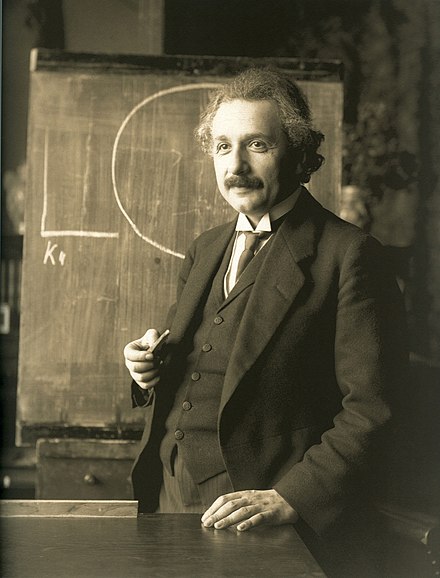
In 1919, the General Theory of Relativity was a relatively new and still largely untested idea proposed by the German physicist Albert Einstein. The theory sought to explain the nature of gravity as a curvature of spacetime caused by the presence of mass and energy.
In May of that year, a total solar eclipse provided an opportunity for astronomers to test the theory’s prediction that gravity would bend the path of light passing near a massive object. British astronomer Arthur Eddington led an expedition to the island of Principe off the coast of West Africa, while another team went to Sobral in northern Brazil.
Both teams were able to observe the eclipse and measure the slight shift in the position of stars in the sky due to the bending of light around the sun. The results of the experiments were consistent with the predictions of the General Theory of Relativity, providing strong evidence for the theory’s validity.
This confirmation of the theory was a major turning point in the history of physics, establishing Einstein as one of the most important figures in the field and paving the way for further breakthroughs in our understanding of the nature of the universe.
Fast Facts :
– Time dilation: According to the theory of relativity, time can be experienced differently by different observers depending on their relative velocity and gravitational fields. This phenomenon is known as time dilation.
– Space-time curvature: The theory of relativity proposes that mass and energy can curve space-time, causing objects to follow curved trajectories. This concept is known as space-time curvature.
– The equivalence principle: According to the theory of relativity, gravity is not a force but rather a curvature of space-time caused by mass and energy. This idea is known as the equivalence principle.
– Black holes: The theory of relativity predicts the existence of black holes, which are regions of space where the gravitational pull is so strong that nothing, not even light, can escape. These phenomena are a direct consequence of Einstein’s equations.
– Gravitational waves: The theory of relativity also predicts the existence of gravitational waves, which are ripples in space-time caused by the acceleration of massive objects. These waves were first detected in 2015, providing direct evidence for the theory.
– General relativity vs. special relativity: The theory of relativity is divided into two parts – general relativity and special relativity. Special relativity deals with the behavior of objects in uniform motion, while general relativity incorporates the effects of gravity and accelerated motion.
#Hindi
जर्मन वैज्ञानिक अल्बर्ट आइंस्टीन द्वारा प्रस्तावित एक विचार है। इस सिद्धांत ने गुरुत्वाकर्षण (gravity) को द्रव्य (mass) और ऊर्जा (energy) की उपस्थिति से समय-स्थान के वक्रण (curvature) के रूप में समझाने की कोशिश की।
उस वर्ष मई में एक पूर्ण सूर्य ग्रहण ने खगोलविदों को यह सिद्धांत परखने का मौका दिया कि भारी वस्तु के पास से गुज़रने पर गुरुत्वाकर्षण प्रकाश के मार्ग को मोड़ देगा। ब्रिटिश खगोलशास्त्री आर्थर एडिंगटन वेस्ट अफ्रीका के प्रिंसिपे द्वीप गए, जबकि दूसरी टीम उत्तरी ब्राज़ील के सोब्राल गई।
दोनों टीमों ने ग्रहण को देखा और देखा कि सूर्य के पास से प्रकाश का मार्ग थोड़ा मुड़ गया, जिससे आकाश में तारों की स्थिति में थोड़ा बदलाव आया। इन प्रयोगों के परिणाम सामान्य सापेक्षता के सिद्धांत की भविष्यवाणियों के साथ मेल खाते थे, जिसने सिद्धांत की वैधता के लिए मजबूत सबूत प्रदान किया।
इस सिद्धांत की पुष्टि भौतिकी के इतिहास में एक महत्वपूर्ण मोड़ साबित हुई, जिसने आइंस्टीन को क्षेत्र का एक महत्वपूर्ण व्यक्ति बना दिया और ब्रह्मांड की प्रकृति को समझने के लिए आगे के विकास का मार्ग प्रशस्त किया।
त्वरित तथ्य:
सामान्य सापेक्षता बनाम विशेष सापेक्षता (General relativity vs. special relativity): सापेक्षता का सिद्धांत दो भागों में विभाजित है – सामान्य सापेक्षता और विशेष सापेक्षता। विशेष सापेक्षता उन वस्तुओं के व्यवहार से संबंधित है जो एकसमान गति में होती हैं, जबकि सामान्य सापेक्षता गुरुत्वाकर्षण और त्वरित गति के प्रभावों को समाहित करती है।
समय प्रसरण (Time dilation): सापेक्षता के सिद्धांत के अनुसार, समय विभिन्न पर्यवेक्षकों के लिए अलग-अलग तरीके से अनुभव किया जा सकता है, यह उनके सापेक्ष गति और गुरुत्वाकर्षण क्षेत्र पर निर्भर करता है। इस घटना को समय प्रसरण कहा जाता है।
समय-स्थान वक्रण (Space-time curvature): सापेक्षता का सिद्धांत प्रस्तावित करता है कि द्रव्य और ऊर्जा समय-स्थान को मोड़ सकते हैं, जिससे वस्तुएं वक्र पथ का अनुसरण करती हैं। इसे समय-स्थान वक्रण कहा जाता है।
समतुल्यता सिद्धांत (Equivalence principle): सापेक्षता के सिद्धांत के अनुसार, गुरुत्वाकर्षण एक बल नहीं है बल्कि द्रव्य और ऊर्जा के कारण समय-स्थान का वक्रण है। इस विचार को समतुल्यता सिद्धांत कहा जाता है।
ब्लैक होल (Black holes): सापेक्षता का सिद्धांत ब्लैक होल के अस्तित्व की भविष्यवाणी करता है, जो अंतरिक्ष के ऐसे क्षेत्र होते हैं जहाँ गुरुत्वाकर्षण इतना अधिक होता है कि कुछ भी, यहाँ तक कि प्रकाश भी, वहां से बाहर नहीं निकल सकता। ये घटनाएं आइंस्टीन के समीकरणों का प्रत्यक्ष परिणाम हैं।
गुरुत्वाकर्षण तरंगें (Gravitational waves): सापेक्षता का सिद्धांत यह भी भविष्यवाणी करता है कि गुरुत्वाकर्षण तरंगें होती हैं, जो बड़े वस्तुओं के त्वरण से समय-स्थान में लहरें होती हैं। इन तरंगों को पहली बार 2015 में देखा गया, जिसने सिद्धांत के लिए प्रत्यक्ष प्रमाण प्रदान किया।

 NehaScope
In 1919, the General Theory of Relativity was a relatively new and still largely untested idea proposed by the German physicist Albert Einstein. The theory sought to explain the nature of gravity as a curvature of spacetime caused by the presence of mass and energy.
In May of that year, a total solar eclipse provided an opportunity for astronomers to test the theory’s prediction that gravity would bend the path of light passing near a massive object. British astronomer Arthur Eddington led an expedition to the island of Principe off the coast of West Africa, while another team went to Sobral in northern Brazil.
Both teams were able to observe the eclipse and measure the slight shift in the position of stars in the sky due to the bending of light around the sun. The results of the experiments were consistent with the predictions of the General Theory of Relativity, providing strong evidence for the theory’s validity.
This confirmation of the theory was a major turning point in the history of physics, establishing Einstein as one of the most important figures in the field and paving the way for further breakthroughs in our understanding of the nature of the universe.
Fast Facts :
– Time dilation: According to the theory of relativity, time can be experienced differently by different observers depending on their relative velocity and gravitational fields. This phenomenon is known as time dilation.
– Space-time curvature: The theory of relativity proposes that mass and energy can curve space-time, causing objects to follow curved trajectories. This concept is known as space-time curvature.
– The equivalence principle: According to the theory of relativity, gravity is not a force but rather a curvature of space-time caused by mass and energy. This idea is known as the equivalence principle.
– Black holes: The theory of relativity predicts the existence of black holes, which are regions of space where the gravitational pull is so strong that nothing, not even light, can escape. These phenomena are a direct consequence of Einstein’s equations.
– Gravitational waves: The theory of relativity also predicts the existence of gravitational waves, which are ripples in space-time caused by the acceleration of massive objects. These waves were first detected in 2015, providing direct evidence for the theory.
– General relativity vs. special relativity: The theory of relativity is divided into two parts – general relativity and special relativity. Special relativity deals with the behavior of objects in uniform motion, while general relativity incorporates the effects of gravity and accelerated motion.
#Hindi
जर्मन वैज्ञानिक अल्बर्ट आइंस्टीन द्वारा प्रस्तावित एक विचार है। इस सिद्धांत ने गुरुत्वाकर्षण (gravity) को द्रव्य (mass) और ऊर्जा (energy) की उपस्थिति से समय-स्थान के वक्रण (curvature) के रूप में समझाने की कोशिश की।
उस वर्ष मई में एक पूर्ण सूर्य ग्रहण ने खगोलविदों को यह सिद्धांत परखने का मौका दिया कि भारी वस्तु के पास से गुज़रने पर गुरुत्वाकर्षण प्रकाश के मार्ग को मोड़ देगा। ब्रिटिश खगोलशास्त्री आर्थर एडिंगटन वेस्ट अफ्रीका के प्रिंसिपे द्वीप गए, जबकि दूसरी टीम उत्तरी ब्राज़ील के सोब्राल गई।
दोनों टीमों ने ग्रहण को देखा और देखा कि सूर्य के पास से प्रकाश का मार्ग थोड़ा मुड़ गया, जिससे आकाश में तारों की स्थिति में थोड़ा बदलाव आया। इन प्रयोगों के परिणाम सामान्य सापेक्षता के सिद्धांत की भविष्यवाणियों के साथ मेल खाते थे, जिसने सिद्धांत की वैधता के लिए मजबूत सबूत प्रदान किया।
इस सिद्धांत की पुष्टि भौतिकी के इतिहास में एक महत्वपूर्ण मोड़ साबित हुई, जिसने आइंस्टीन को क्षेत्र का एक महत्वपूर्ण व्यक्ति बना दिया और ब्रह्मांड की प्रकृति को समझने के लिए आगे के विकास का मार्ग प्रशस्त किया।
त्वरित तथ्य:
सामान्य सापेक्षता बनाम विशेष सापेक्षता (General relativity vs. special relativity): सापेक्षता का सिद्धांत दो भागों में विभाजित है – सामान्य सापेक्षता और विशेष सापेक्षता। विशेष सापेक्षता उन वस्तुओं के व्यवहार से संबंधित है जो एकसमान गति में होती हैं, जबकि सामान्य सापेक्षता गुरुत्वाकर्षण और त्वरित गति के प्रभावों को समाहित करती है।
समय प्रसरण (Time dilation): सापेक्षता के सिद्धांत के अनुसार, समय विभिन्न पर्यवेक्षकों के लिए अलग-अलग तरीके से अनुभव किया जा सकता है, यह उनके सापेक्ष गति और गुरुत्वाकर्षण क्षेत्र पर निर्भर करता है। इस घटना को समय प्रसरण कहा जाता है।
समय-स्थान वक्रण (Space-time curvature): सापेक्षता का सिद्धांत प्रस्तावित करता है कि द्रव्य और ऊर्जा समय-स्थान को मोड़ सकते हैं, जिससे वस्तुएं वक्र पथ का अनुसरण करती हैं। इसे समय-स्थान वक्रण कहा जाता है।
समतुल्यता सिद्धांत (Equivalence principle): सापेक्षता के सिद्धांत के अनुसार, गुरुत्वाकर्षण एक बल नहीं है बल्कि द्रव्य और ऊर्जा के कारण समय-स्थान का वक्रण है। इस विचार को समतुल्यता सिद्धांत कहा जाता है।
ब्लैक होल (Black holes): सापेक्षता का सिद्धांत ब्लैक होल के अस्तित्व की भविष्यवाणी करता है, जो अंतरिक्ष के ऐसे क्षेत्र होते हैं जहाँ गुरुत्वाकर्षण इतना अधिक होता है कि कुछ भी, यहाँ तक कि प्रकाश भी, वहां से बाहर नहीं निकल सकता। ये घटनाएं आइंस्टीन के समीकरणों का प्रत्यक्ष परिणाम हैं।
गुरुत्वाकर्षण तरंगें (Gravitational waves): सापेक्षता का सिद्धांत यह भी भविष्यवाणी करता है कि गुरुत्वाकर्षण तरंगें होती हैं, जो बड़े वस्तुओं के त्वरण से समय-स्थान में लहरें होती हैं। इन तरंगों को पहली बार 2015 में देखा गया, जिसने सिद्धांत के लिए प्रत्यक्ष प्रमाण प्रदान किया।
Share this: