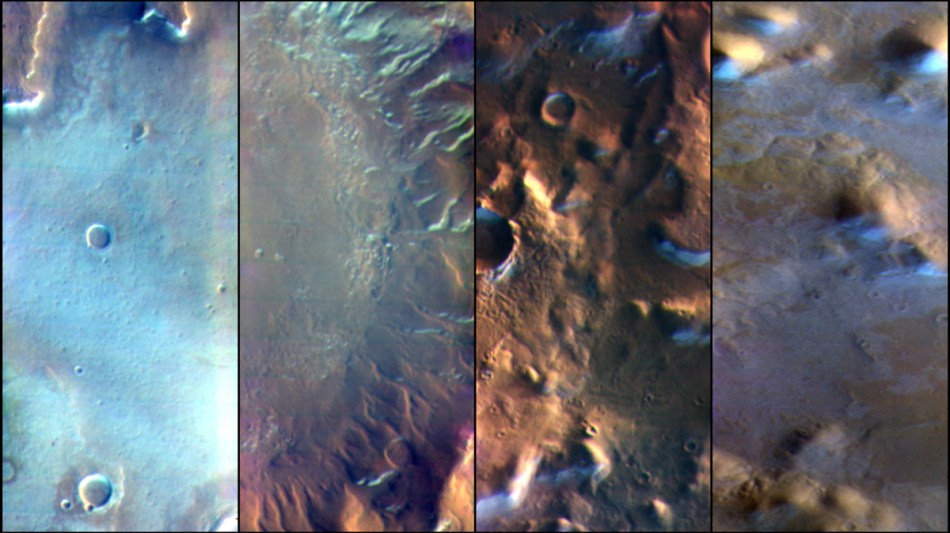
In 2002, Mars Odyssey discovered ice on Mars. For years, scientists have been searching for signs of water on the red planet, and this discovery was a breakthrough in that search.
Mars Odyssey is a spacecraft sent by NASA to study Mars and gather information about the planet’s environment. It was launched in 2001 and began orbiting Mars in 2002. One of its main objectives was to search for water on the planet’s surface.
Using a gamma ray spectrometer, Mars Odyssey detected hydrogen in certain locations on Mars. Hydrogen is a key element in water, which led scientists to believe that there may be ice present in those areas. Further analysis revealed that the hydrogen was indeed from water in the form of ice.
The discovery of ice on Mars was a significant finding for a few reasons. Firstly, it was a confirmation that water exists on Mars, which is a critical element for the possibility of life. Secondly, it was an indication that the planet’s climate was once much different, as ice requires cold temperatures to form and maintain.
Since the discovery, Mars Odyssey has continued to study the ice on Mars. In 2008, it detected a much larger amount of ice than previously thought, which suggests that there may be even more ice hiding beneath the surface.
The presence of ice on Mars has also led to further exploration and research on the planet. The discovery has sparked interest in the possibility of human exploration and colonization, as water is essential for human survival.
Overall, the discovery of ice on Mars by Mars Odyssey in 2002 was a groundbreaking moment in the search for water and signs of life on the red planet. It opened up new avenues for research and exploration, and the study of Mars continues to reveal exciting new findings.
#Hindi
2002 में मार्स ओडिसी ने मंगल ग्रह पर बर्फ की खोज की थी। सालों से वैज्ञानिक लाल ग्रह पर पानी के संकेतों की खोज कर रहे हैं और ये खोज एक बड़ी सफलता थी।
मार्स ओडिसी मंगल ग्रह का अध्ययन करने और ग्रह के पर्यावरण के बारे में जानकारी इकट्ठा करने के लिए नासा द्वारा भेजा गया एक अंतरिक्ष यान है। इसे 2001 में प्रक्षेपित किया गया था और 2002 में इसने मंगल की परिक्रमा शुरू की। इसका एक मुख्य उद्देश्य ग्रह की सतह पर पानी की खोज करना था।
मार्स ओडिसी ने गामा रे स्पेक्ट्रोमीटर का उपयोग करके मंगल पर कुछ स्थानों पर हाइड्रोजन का पता लगाया। पानी में हाइड्रोजन एक प्रमुख तत्व है, जिसके कारण वैज्ञानिकों को ये विश्वास हुआ कि उन क्षेत्रों में बर्फ मौजूद हो सकती है। आगे के विश्लेषण से पता चला कि हाइड्रोजन वास्तव में बर्फ के रूप में मौजूद पानी की वजह से था।
मंगल ग्रह पर बर्फ की खोज कुछ कारणों से एक महत्वपूर्ण खोज थी। सबसे पहले, ये इस बात की पुष्टि थी कि मंगल ग्रह पर पानी मौजूद है, जो जीवन की संभावना के लिए एक महत्वपूर्ण तत्व है। दूसरे, ये एक संकेत था कि ग्रह की जलवायु एक बार बहुत अलग थी, क्योंकि बर्फ को बनाने और बनाए रखने के लिए ठंडे तापमान की ज़रूरत होती है।
खोज के बाद से, मार्स ओडिसी ने मंगल पर बर्फ का अध्ययन करना जारी रखा है। 2008 में, इसने पहले की तुलना में बहुत अधिक मात्रा में बर्फ का पता लगाया, जो बताता है कि सतह के नीचे और भी अधिक बर्फ छिपी हो सकती है। कुल मिलाकर, 2002 में मार्स ओडिसी द्वारा मंगल ग्रह पर बर्फ की खोज लाल ग्रह पर पानी और जीवन के संकेतों की खोज में एक महत्वपूर्ण क्षण था।

 NehaScope
In 2002, Mars Odyssey discovered ice on Mars. For years, scientists have been searching for signs of water on the red planet, and this discovery was a breakthrough in that search.
Mars Odyssey is a spacecraft sent by NASA to study Mars and gather information about the planet’s environment. It was launched in 2001 and began orbiting Mars in 2002. One of its main objectives was to search for water on the planet’s surface.
Using a gamma ray spectrometer, Mars Odyssey detected hydrogen in certain locations on Mars. Hydrogen is a key element in water, which led scientists to believe that there may be ice present in those areas. Further analysis revealed that the hydrogen was indeed from water in the form of ice.
The discovery of ice on Mars was a significant finding for a few reasons. Firstly, it was a confirmation that water exists on Mars, which is a critical element for the possibility of life. Secondly, it was an indication that the planet’s climate was once much different, as ice requires cold temperatures to form and maintain.
Since the discovery, Mars Odyssey has continued to study the ice on Mars. In 2008, it detected a much larger amount of ice than previously thought, which suggests that there may be even more ice hiding beneath the surface.
The presence of ice on Mars has also led to further exploration and research on the planet. The discovery has sparked interest in the possibility of human exploration and colonization, as water is essential for human survival.
Overall, the discovery of ice on Mars by Mars Odyssey in 2002 was a groundbreaking moment in the search for water and signs of life on the red planet. It opened up new avenues for research and exploration, and the study of Mars continues to reveal exciting new findings.
#Hindi
2002 में मार्स ओडिसी ने मंगल ग्रह पर बर्फ की खोज की थी। सालों से वैज्ञानिक लाल ग्रह पर पानी के संकेतों की खोज कर रहे हैं और ये खोज एक बड़ी सफलता थी।
मार्स ओडिसी मंगल ग्रह का अध्ययन करने और ग्रह के पर्यावरण के बारे में जानकारी इकट्ठा करने के लिए नासा द्वारा भेजा गया एक अंतरिक्ष यान है। इसे 2001 में प्रक्षेपित किया गया था और 2002 में इसने मंगल की परिक्रमा शुरू की। इसका एक मुख्य उद्देश्य ग्रह की सतह पर पानी की खोज करना था।
मार्स ओडिसी ने गामा रे स्पेक्ट्रोमीटर का उपयोग करके मंगल पर कुछ स्थानों पर हाइड्रोजन का पता लगाया। पानी में हाइड्रोजन एक प्रमुख तत्व है, जिसके कारण वैज्ञानिकों को ये विश्वास हुआ कि उन क्षेत्रों में बर्फ मौजूद हो सकती है। आगे के विश्लेषण से पता चला कि हाइड्रोजन वास्तव में बर्फ के रूप में मौजूद पानी की वजह से था।
मंगल ग्रह पर बर्फ की खोज कुछ कारणों से एक महत्वपूर्ण खोज थी। सबसे पहले, ये इस बात की पुष्टि थी कि मंगल ग्रह पर पानी मौजूद है, जो जीवन की संभावना के लिए एक महत्वपूर्ण तत्व है। दूसरे, ये एक संकेत था कि ग्रह की जलवायु एक बार बहुत अलग थी, क्योंकि बर्फ को बनाने और बनाए रखने के लिए ठंडे तापमान की ज़रूरत होती है।
खोज के बाद से, मार्स ओडिसी ने मंगल पर बर्फ का अध्ययन करना जारी रखा है। 2008 में, इसने पहले की तुलना में बहुत अधिक मात्रा में बर्फ का पता लगाया, जो बताता है कि सतह के नीचे और भी अधिक बर्फ छिपी हो सकती है। कुल मिलाकर, 2002 में मार्स ओडिसी द्वारा मंगल ग्रह पर बर्फ की खोज लाल ग्रह पर पानी और जीवन के संकेतों की खोज में एक महत्वपूर्ण क्षण था।
Share this: