Holi is one of the most fun festivals, isn’t it? Splashing colours, throwing water balloons, and spraying pichkaris—it is a day full of excitement. But have you ever wondered how a pichkari shoots water so fast or why a water balloon bursts so easily? The answer lies in science. Let’s dive into the magical world of physics and uncover the secrets behind our favourite Holi toys.
How Does a Pichkari Work?
A pichkari (water gun) is like a mini rocket for water. It works using something called pressure—the force that pushes things forward.
When you pull the handle of your pichkari, you create a tiny vacuum (empty space), and water rushes inside to fill it.
When you push the handle back, you squeeze the water inside, making it rush out super fast through the nozzle.
Think of it like squeezing a juice box—when you press it, the juice squirts out quickly. 🍹 That’s exactly how your pichkari sprays water.
Fun Fact: If your pichkari’s nozzle is small, the water comes out even faster because it has less space to escape. That’s why some pichkaris shoot farther than others.
Why Do Water Balloons Burst?
Throwing water balloons on Holi is super fun. But why do they burst when they hit someone? Let’s find out.
– Water balloons are made of rubber, which is stretchy like a rubber band.
– When you fill a balloon with water, the rubber stretches and becomes thin.
– When it hits a surface, the water pushes outward, and if the balloon is too stretched, it tears apart—SPLASH.
But what if you fill the balloon with air instead of water?
– Air is light and can be squeezed easily, so the balloon doesn’t stretch as much.
– This means air-filled balloons don’t burst as easily—you can press them without popping.
Try This : Fill one balloon with air and another with water, then drop both. Which one bursts first? (Hint: It’s the water one.)
The Super Stretchy Science of Balloons.
Balloons are like tiny superheroes—they stretch a lot before they break. But they don’t stretch forever. If you blow a balloon too much, it pops.
This is because of elasticity—the ability of rubber to stretch and return to its shape. But if you stretch it too much, it can’t go back—so it breaks.
Fun Science Fact
– If a balloon is warm, it stretches more before bursting.
– If a balloon is cold, it becomes stiff and pops faster.
That’s why balloons left in the sun stretch more, and those in the fridge become hard and pop easily.
Here are some additional fun science segments to enhance the article while keeping it engaging and informative for kids.
Why Does Water Feel Colder When It Hits You?
Ever noticed that when someone splashes water on you, it feels colder than when you touch it in a bucket? That’s because of evaporation.
– When water touches your skin, it absorbs heat from your body.
– As the water evaporates (dries up into the air), it takes away some of your body’s heat, making you feel chilly even if the water wasn’t that cold.
– That’s why after playing with water balloons and pichkaris, you might start feeling cold, especially if there’s wind.
Fun Fact. If you stand in the sun after getting wet, you dry up faster because heat helps water evaporate quickly.
Why Do Some Water Balloons Bounce Instead of Bursting?
Sometimes, instead of bursting, a water balloon just bounces off someone. Why? It all depends on how and where it lands.
If the balloon hits a soft surface (like a t-shirt or cushion), the impact spreads out, and the balloon stays whole instead of bursting.
If it hits a hard surface (like the ground or a wall), all the force is concentrated on one spot, making it pop instantly.
A half-filled balloon is more likely to bounce than a full one because it has extra space for water to slosh around, absorbing the impact.
Try This. Fill two balloons—one full and one half-full. Drop them both on different surfaces (grass vs. concrete) and see what happens.
Why Does Colour Stick Better to Wet Skin?
Ever noticed that when someone throws dry Holi powder, it blows away, but if your skin is wet, the colour sticks? Here’s why.
– Water makes your skin slightly sticky because of surface tension.
– When Holi powder touches wet skin, it gets trapped in the tiny water droplets, making the colours last longer.
– That’s why playing wet Holi with pichkaris and balloons makes the colours brighter and harder to wash off.
Pro Tip. Apply coconut oil or cream on your skin before playing Holi—this creates a layer that makes it easier to wash off colours later.
Pichkari and Balloon Secrets: What Makes Them Awesome?
– Pichkaris use pressure to shoot water far. The harder you push, the faster the water sprays. That’s why bigger pichkaris with long handles can shoot farther.
– Water balloons burst because water pushes the rubber outward. If you overfill a balloon, it gets super tight, making it more likely to burst even with a small poke.
– Rubber can stretch a lot, but not forever. Cold balloons don’t stretch well, so if you want to fill water balloons faster, keep them in a warm place before Holi.
More Fun Pichkari and Balloon Secrets
Why do some pichkaris leak? If air sneaks into the water chamber, the pressure isn’t strong enough, so the water drips instead of spraying. Always fill them properly for the best splash.
Why do big balloons take longer to burst? They have thicker rubber, so they stretch more before breaking. Small balloons have thin rubber, making them pop faster.
Why do wet hands help tie balloons better? Water reduces friction, making it easier to stretch the rubber and tie a knot. Try it next time.
Now you know all the cool secrets of pichkaris and water balloons. Use these tricks to play Holi smarter and splash better.
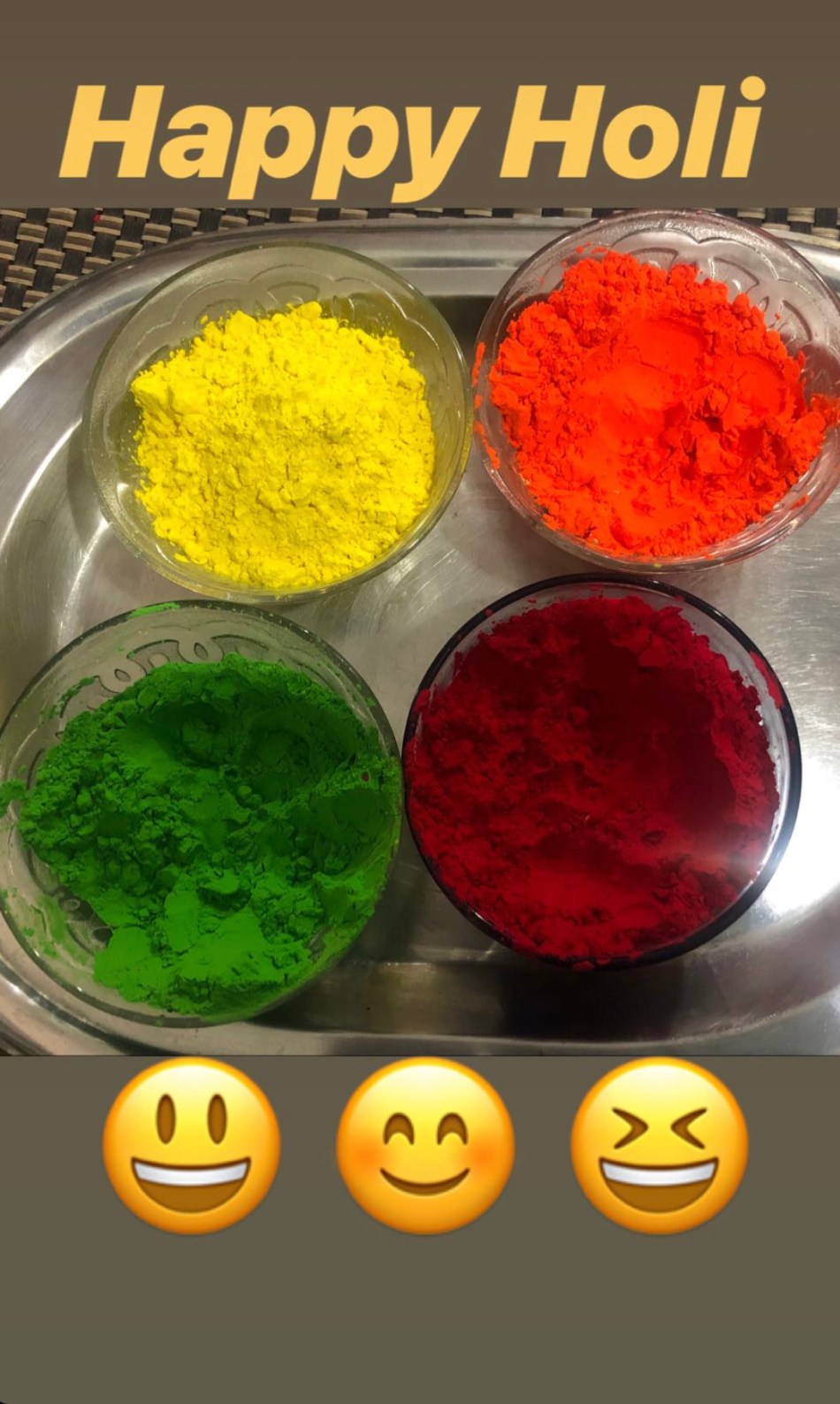
Happy Holi !!!

 NehaScope
Holi is one of the most fun festivals, isn’t it? Splashing colours, throwing water balloons, and spraying pichkaris—it is a day full of excitement. But have you ever wondered how a pichkari shoots water so fast or why a water balloon bursts so easily? The answer lies in science. Let’s dive into the magical world of physics and uncover the secrets behind our favourite Holi toys.
How Does a Pichkari Work?
A pichkari (water gun) is like a mini rocket for water. It works using something called pressure—the force that pushes things forward.
When you pull the handle of your pichkari, you create a tiny vacuum (empty space), and water rushes inside to fill it.
When you push the handle back, you squeeze the water inside, making it rush out super fast through the nozzle.
Think of it like squeezing a juice box—when you press it, the juice squirts out quickly. 🍹 That’s exactly how your pichkari sprays water.
Fun Fact: If your pichkari’s nozzle is small, the water comes out even faster because it has less space to escape. That’s why some pichkaris shoot farther than others.
Why Do Water Balloons Burst?
Throwing water balloons on Holi is super fun. But why do they burst when they hit someone? Let’s find out.
– Water balloons are made of rubber, which is stretchy like a rubber band.
– When you fill a balloon with water, the rubber stretches and becomes thin.
– When it hits a surface, the water pushes outward, and if the balloon is too stretched, it tears apart—SPLASH.
But what if you fill the balloon with air instead of water?
– Air is light and can be squeezed easily, so the balloon doesn’t stretch as much.
– This means air-filled balloons don’t burst as easily—you can press them without popping.
Try This : Fill one balloon with air and another with water, then drop both. Which one bursts first? (Hint: It’s the water one.)
The Super Stretchy Science of Balloons.
Balloons are like tiny superheroes—they stretch a lot before they break. But they don’t stretch forever. If you blow a balloon too much, it pops.
This is because of elasticity—the ability of rubber to stretch and return to its shape. But if you stretch it too much, it can’t go back—so it breaks.
Fun Science Fact
– If a balloon is warm, it stretches more before bursting.
– If a balloon is cold, it becomes stiff and pops faster.
That’s why balloons left in the sun stretch more, and those in the fridge become hard and pop easily.
Here are some additional fun science segments to enhance the article while keeping it engaging and informative for kids.
Why Does Water Feel Colder When It Hits You?
Ever noticed that when someone splashes water on you, it feels colder than when you touch it in a bucket? That’s because of evaporation.
– When water touches your skin, it absorbs heat from your body.
– As the water evaporates (dries up into the air), it takes away some of your body’s heat, making you feel chilly even if the water wasn’t that cold.
– That’s why after playing with water balloons and pichkaris, you might start feeling cold, especially if there’s wind.
Fun Fact. If you stand in the sun after getting wet, you dry up faster because heat helps water evaporate quickly.
Why Do Some Water Balloons Bounce Instead of Bursting?
Sometimes, instead of bursting, a water balloon just bounces off someone. Why? It all depends on how and where it lands.
If the balloon hits a soft surface (like a t-shirt or cushion), the impact spreads out, and the balloon stays whole instead of bursting.
If it hits a hard surface (like the ground or a wall), all the force is concentrated on one spot, making it pop instantly.
A half-filled balloon is more likely to bounce than a full one because it has extra space for water to slosh around, absorbing the impact.
Try This. Fill two balloons—one full and one half-full. Drop them both on different surfaces (grass vs. concrete) and see what happens.
Why Does Colour Stick Better to Wet Skin?
Ever noticed that when someone throws dry Holi powder, it blows away, but if your skin is wet, the colour sticks? Here’s why.
– Water makes your skin slightly sticky because of surface tension.
– When Holi powder touches wet skin, it gets trapped in the tiny water droplets, making the colours last longer.
– That’s why playing wet Holi with pichkaris and balloons makes the colours brighter and harder to wash off.
Pro Tip. Apply coconut oil or cream on your skin before playing Holi—this creates a layer that makes it easier to wash off colours later.
Pichkari and Balloon Secrets: What Makes Them Awesome?
– Pichkaris use pressure to shoot water far. The harder you push, the faster the water sprays. That’s why bigger pichkaris with long handles can shoot farther.
– Water balloons burst because water pushes the rubber outward. If you overfill a balloon, it gets super tight, making it more likely to burst even with a small poke.
– Rubber can stretch a lot, but not forever. Cold balloons don’t stretch well, so if you want to fill water balloons faster, keep them in a warm place before Holi.
More Fun Pichkari and Balloon Secrets
Why do some pichkaris leak? If air sneaks into the water chamber, the pressure isn’t strong enough, so the water drips instead of spraying. Always fill them properly for the best splash.
Why do big balloons take longer to burst? They have thicker rubber, so they stretch more before breaking. Small balloons have thin rubber, making them pop faster.
Why do wet hands help tie balloons better? Water reduces friction, making it easier to stretch the rubber and tie a knot. Try it next time.
Now you know all the cool secrets of pichkaris and water balloons. Use these tricks to play Holi smarter and splash better.
Happy Holi !!!
Share this: