We all are well aware of the power of nylon. Nylon is an artificial fibre.
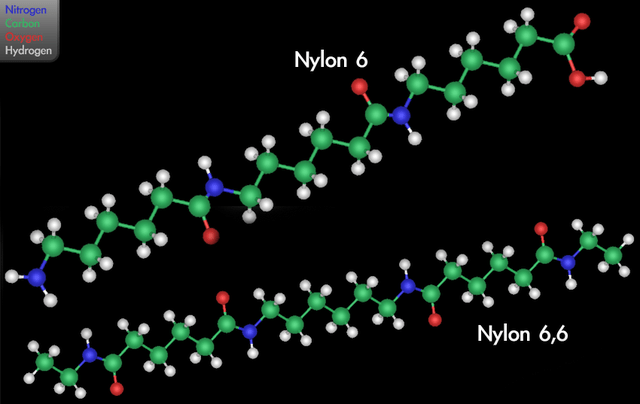
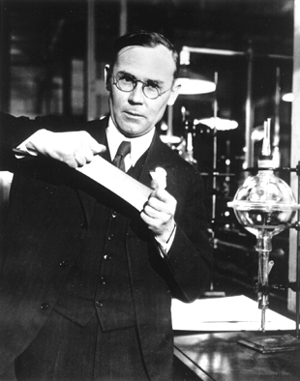
Nylon, the versatile synthetic fiber, has revolutionized various industries since its invention in 1935 on February 28. But it was only today in 1937, Dr. Wallace H Carothers, the brilliant research chemist and inventor of nylon, received a patent for this groundbreaking material.
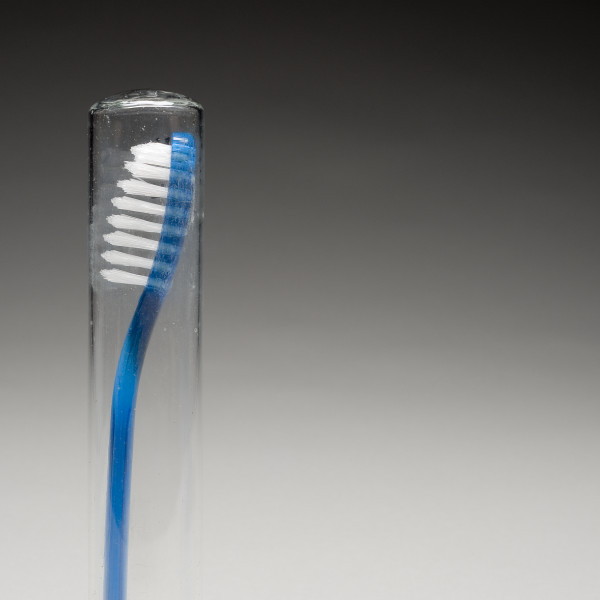
Initially, the primary use of nylon was in the production of toothbrushes. The first nylon toothbrush, called Doctor West’s Miracle Toothbrush, showcased nylon’s exceptional strength, durability, and water resistance. This marked the beginning of a new era in oral healthcare, providing people with a more efficient and effective tool for maintaining dental hygiene.
However, nylon’s potential extended far beyond toothbrushes. Its qualities quickly caught the attention of various industries, leading to its widespread use in the production of parachutes, ropes, string for tires, carpets, fishing nets, and clothing accessories like socks.
During World War II, silk became scarce, resulting in a need for an alternative material for parachutes. Nylon’s remarkable strength and resistance made it the perfect substitute for silk, and as a result, nylon parachutes played a crucial role in the war effort. This marked a significant milestone for nylon, solidifying its reputation as a material that could be relied upon in critical situations.
As time went on, the applications of nylon continued to expand. Its use in the production of garments, such as stockings and lingerie, became increasingly popular due to its durability and affordability. Nylon’s introduction in the textile industry opened up new possibilities for fashion and comfort, making it a favorite among designers and consumers alike.
Nylon’s versatility also led to its use in various outdoor and industrial applications. From the creation of durable ropes and cords to the manufacturing of strong fishing nets, nylon quickly became a staple material for industries that require strength and resilience. Additionally, its water-resistant properties made it ideal for creating durable and long-lasting carpets, ensuring that households and commercial spaces could enjoy both aesthetic appeal and functionality.
Nylon’s impact on modern society cannot be overstated. Its invention has transformed numerous industries, offering enhanced performance characteristics and superior durability compared to traditional materials. Dr. Wallace H Carothers’ patent for nylon in 1937 paved the way for its remarkable success, and its applications continue to expand and diversify to this day.
As we appreciate the convenience and reliability of nylon in our daily lives, it is important to recognize the significant contributions of Dr. Carothers and the countless researchers and innovators who have contributed to the development and advancement of nylon. Their tireless efforts have brought about a material that has undoubtedly changed the way we live, work, and play.
Looking ahead, the future of nylon seems promising. With advancements in technology and an increasing focus on sustainability, researchers are exploring ways to improve the environmental footprint of nylon production. Efforts are being made to develop bio-based nylon, using renewable resources such as plant-based feedstocks, to reduce the reliance on fossil fuels.
#Hindi
नायलॉन, एक बहुउपयोगी सिंथेटिक फाइबर, ने 28 फरवरी 1935 में अपने आविष्कार के बाद से कई उद्योगों में क्रांति ला दी है। लेकिन आज ही के दिन 1937 में, डॉ. वालेस एच कैरोथर्स, जिन्होंने नायलॉन का आविष्कार किया था, को इस अद्वितीय सामग्री का पेटेंट मिला।
शुरुआत में, नायलॉन का मुख्य उपयोग टूथब्रश बनाने में होता था। पहला नायलॉन टूथब्रश, जिसका नाम डॉक्टर वेस्ट्स चमत्कारिक टूथब्रश था, ने नायलॉन की अद्भुत ताकत, टिकाऊपन और पानी प्रतिरोध को दिखाया। इसने मौखिक स्वास्थ्य देखभाल में एक नए युग की शुरुआत की, जिससे लोगों को दंत स्वच्छता बनाए रखने के लिए एक अधिक प्रभावी उपकरण मिला।
हालांकि, नायलॉन की क्षमता सिर्फ टूथब्रश तक सीमित नहीं रही। इसकी गुणधर्मों ने जल्दी ही विभिन्न उद्योगों का ध्यान आकृष्ट किया, जिससे पैराशूट, रस्सियाँ, टायरों की स्ट्रिंग, कालीन, मछली पकड़ने के जाल और मोज़े जैसे वस्त्रों के निर्माण में इसका व्यापक उपयोग होने लगा।
द्वितीय विश्व युद्ध के दौरान, रेशम की कमी हो गई, जिसके कारण पैराशूट के लिए एक वैकल्पिक सामग्री की आवश्यकता थी। नायलॉन की अद्भुत ताकत और प्रतिरोध क्षमता ने इसे रेशम के लिए एक उत्तम विकल्प बना दिया, और इस प्रकार नायलॉन पैराशूट ने युद्ध में महत्वपूर्ण भूमिका निभाई। यह नायलॉन के लिए एक महत्वपूर्ण उपलब्धि थी, जिसने इसे एक विश्वसनीय सामग्री के रूप में स्थापित किया।
समय के साथ, नायलॉन का उपयोग और भी अधिक बढ़ता गया। इसके कपड़ों, जैसे स्टॉकिंग्स और लिंगेरी, के निर्माण में उपयोग के कारण यह लोकप्रिय हो गया, क्योंकि यह टिकाऊ और किफायती था। वस्त्र उद्योग में नायलॉन के आगमन ने फैशन और आराम के लिए नए विकल्प खोले, जिससे यह डिजाइनरों और उपभोक्ताओं के बीच पसंदीदा बन गया।
नायलॉन की बहुमुखी प्रतिभा ने इसे बाहरी और औद्योगिक अनुप्रयोगों में भी उपयोगी बना दिया। मजबूत रस्सियों और तारों से लेकर मजबूत मछली पकड़ने के जाल तक, नायलॉन जल्दी ही उन उद्योगों के लिए एक महत्वपूर्ण सामग्री बन गया, जिन्हें ताकत और मजबूती की आवश्यकता होती है। इसके अलावा, इसकी पानी प्रतिरोधी विशेषताओं के कारण यह मजबूत और लंबे समय तक चलने वाले कालीन बनाने के लिए आदर्श था, जिससे घरों और व्यावसायिक स्थानों में सुंदरता और कार्यक्षमता दोनों का आनंद लिया जा सकता था।
आधुनिक समाज पर नायलॉन का प्रभाव अत्यधिक है। इसका आविष्कार कई उद्योगों में परिवर्तन लाया है, जो पारंपरिक सामग्रियों की तुलना में बेहतर प्रदर्शन और श्रेष्ठ टिकाऊपन प्रदान करता है। डॉ. वालेस एच कैरोथर्स का 1937 में नायलॉन के लिए पेटेंट इसकी अद्वितीय सफलता का मार्ग प्रशस्त करता है, और इसके अनुप्रयोग आज भी बढ़ते और विविध होते जा रहे हैं।
जैसे-जैसे हम अपनी दैनिक जिंदगी में नायलॉन की सुविधा और विश्वसनीयता की सराहना करते हैं, डॉ. कैरोथर्स और नायलॉन के विकास में योगदान देने वाले अनगिनत शोधकर्ताओं और नवप्रवर्तकों की महत्वपूर्ण भूमिका को पहचानना आवश्यक है। उनके अथक प्रयासों ने एक ऐसी सामग्री को जन्म दिया है, जिसने निस्संदेह हमारे जीवन, कार्य, और मनोरंजन के तरीकों को बदल दिया है।
भविष्य में, नायलॉन का भविष्य उज्जवल दिख रहा है। प्रौद्योगिकी में प्रगति और स्थिरता पर बढ़ते ध्यान के साथ, शोधकर्ता नायलॉन उत्पादन के पर्यावरणीय प्रभाव को सुधारने के तरीकों की खोज कर रहे हैं। जैव-आधारित नायलॉन विकसित करने के प्रयास किए जा रहे हैं, जो पौधों पर आधारित संसाधनों का उपयोग कर, जीवाश्म ईंधनों पर निर्भरता को कम कर सके।

 NehaScope
We all are well aware of the power of nylon. Nylon is an artificial fibre.
Nylon, the versatile synthetic fiber, has revolutionized various industries since its invention in 1935 on February 28. But it was only today in 1937, Dr. Wallace H Carothers, the brilliant research chemist and inventor of nylon, received a patent for this groundbreaking material.
Initially, the primary use of nylon was in the production of toothbrushes. The first nylon toothbrush, called Doctor West’s Miracle Toothbrush, showcased nylon’s exceptional strength, durability, and water resistance. This marked the beginning of a new era in oral healthcare, providing people with a more efficient and effective tool for maintaining dental hygiene.
However, nylon’s potential extended far beyond toothbrushes. Its qualities quickly caught the attention of various industries, leading to its widespread use in the production of parachutes, ropes, string for tires, carpets, fishing nets, and clothing accessories like socks.
During World War II, silk became scarce, resulting in a need for an alternative material for parachutes. Nylon’s remarkable strength and resistance made it the perfect substitute for silk, and as a result, nylon parachutes played a crucial role in the war effort. This marked a significant milestone for nylon, solidifying its reputation as a material that could be relied upon in critical situations.
As time went on, the applications of nylon continued to expand. Its use in the production of garments, such as stockings and lingerie, became increasingly popular due to its durability and affordability. Nylon’s introduction in the textile industry opened up new possibilities for fashion and comfort, making it a favorite among designers and consumers alike.
Nylon’s versatility also led to its use in various outdoor and industrial applications. From the creation of durable ropes and cords to the manufacturing of strong fishing nets, nylon quickly became a staple material for industries that require strength and resilience. Additionally, its water-resistant properties made it ideal for creating durable and long-lasting carpets, ensuring that households and commercial spaces could enjoy both aesthetic appeal and functionality.
Nylon’s impact on modern society cannot be overstated. Its invention has transformed numerous industries, offering enhanced performance characteristics and superior durability compared to traditional materials. Dr. Wallace H Carothers’ patent for nylon in 1937 paved the way for its remarkable success, and its applications continue to expand and diversify to this day.
As we appreciate the convenience and reliability of nylon in our daily lives, it is important to recognize the significant contributions of Dr. Carothers and the countless researchers and innovators who have contributed to the development and advancement of nylon. Their tireless efforts have brought about a material that has undoubtedly changed the way we live, work, and play.
Looking ahead, the future of nylon seems promising. With advancements in technology and an increasing focus on sustainability, researchers are exploring ways to improve the environmental footprint of nylon production. Efforts are being made to develop bio-based nylon, using renewable resources such as plant-based feedstocks, to reduce the reliance on fossil fuels.
#Hindi
नायलॉन, एक बहुउपयोगी सिंथेटिक फाइबर, ने 28 फरवरी 1935 में अपने आविष्कार के बाद से कई उद्योगों में क्रांति ला दी है। लेकिन आज ही के दिन 1937 में, डॉ. वालेस एच कैरोथर्स, जिन्होंने नायलॉन का आविष्कार किया था, को इस अद्वितीय सामग्री का पेटेंट मिला।
शुरुआत में, नायलॉन का मुख्य उपयोग टूथब्रश बनाने में होता था। पहला नायलॉन टूथब्रश, जिसका नाम डॉक्टर वेस्ट्स चमत्कारिक टूथब्रश था, ने नायलॉन की अद्भुत ताकत, टिकाऊपन और पानी प्रतिरोध को दिखाया। इसने मौखिक स्वास्थ्य देखभाल में एक नए युग की शुरुआत की, जिससे लोगों को दंत स्वच्छता बनाए रखने के लिए एक अधिक प्रभावी उपकरण मिला।
हालांकि, नायलॉन की क्षमता सिर्फ टूथब्रश तक सीमित नहीं रही। इसकी गुणधर्मों ने जल्दी ही विभिन्न उद्योगों का ध्यान आकृष्ट किया, जिससे पैराशूट, रस्सियाँ, टायरों की स्ट्रिंग, कालीन, मछली पकड़ने के जाल और मोज़े जैसे वस्त्रों के निर्माण में इसका व्यापक उपयोग होने लगा।
द्वितीय विश्व युद्ध के दौरान, रेशम की कमी हो गई, जिसके कारण पैराशूट के लिए एक वैकल्पिक सामग्री की आवश्यकता थी। नायलॉन की अद्भुत ताकत और प्रतिरोध क्षमता ने इसे रेशम के लिए एक उत्तम विकल्प बना दिया, और इस प्रकार नायलॉन पैराशूट ने युद्ध में महत्वपूर्ण भूमिका निभाई। यह नायलॉन के लिए एक महत्वपूर्ण उपलब्धि थी, जिसने इसे एक विश्वसनीय सामग्री के रूप में स्थापित किया।
समय के साथ, नायलॉन का उपयोग और भी अधिक बढ़ता गया। इसके कपड़ों, जैसे स्टॉकिंग्स और लिंगेरी, के निर्माण में उपयोग के कारण यह लोकप्रिय हो गया, क्योंकि यह टिकाऊ और किफायती था। वस्त्र उद्योग में नायलॉन के आगमन ने फैशन और आराम के लिए नए विकल्प खोले, जिससे यह डिजाइनरों और उपभोक्ताओं के बीच पसंदीदा बन गया।
नायलॉन की बहुमुखी प्रतिभा ने इसे बाहरी और औद्योगिक अनुप्रयोगों में भी उपयोगी बना दिया। मजबूत रस्सियों और तारों से लेकर मजबूत मछली पकड़ने के जाल तक, नायलॉन जल्दी ही उन उद्योगों के लिए एक महत्वपूर्ण सामग्री बन गया, जिन्हें ताकत और मजबूती की आवश्यकता होती है। इसके अलावा, इसकी पानी प्रतिरोधी विशेषताओं के कारण यह मजबूत और लंबे समय तक चलने वाले कालीन बनाने के लिए आदर्श था, जिससे घरों और व्यावसायिक स्थानों में सुंदरता और कार्यक्षमता दोनों का आनंद लिया जा सकता था।
आधुनिक समाज पर नायलॉन का प्रभाव अत्यधिक है। इसका आविष्कार कई उद्योगों में परिवर्तन लाया है, जो पारंपरिक सामग्रियों की तुलना में बेहतर प्रदर्शन और श्रेष्ठ टिकाऊपन प्रदान करता है। डॉ. वालेस एच कैरोथर्स का 1937 में नायलॉन के लिए पेटेंट इसकी अद्वितीय सफलता का मार्ग प्रशस्त करता है, और इसके अनुप्रयोग आज भी बढ़ते और विविध होते जा रहे हैं।
जैसे-जैसे हम अपनी दैनिक जिंदगी में नायलॉन की सुविधा और विश्वसनीयता की सराहना करते हैं, डॉ. कैरोथर्स और नायलॉन के विकास में योगदान देने वाले अनगिनत शोधकर्ताओं और नवप्रवर्तकों की महत्वपूर्ण भूमिका को पहचानना आवश्यक है। उनके अथक प्रयासों ने एक ऐसी सामग्री को जन्म दिया है, जिसने निस्संदेह हमारे जीवन, कार्य, और मनोरंजन के तरीकों को बदल दिया है।
भविष्य में, नायलॉन का भविष्य उज्जवल दिख रहा है। प्रौद्योगिकी में प्रगति और स्थिरता पर बढ़ते ध्यान के साथ, शोधकर्ता नायलॉन उत्पादन के पर्यावरणीय प्रभाव को सुधारने के तरीकों की खोज कर रहे हैं। जैव-आधारित नायलॉन विकसित करने के प्रयास किए जा रहे हैं, जो पौधों पर आधारित संसाधनों का उपयोग कर, जीवाश्म ईंधनों पर निर्भरता को कम कर सके।
Share this: