The sighting of Halley’s Comet in 1986 marked a significant event in human history. This was the 30th time that this magnificent comet had graced our solar system with its presence. However, it wouldn’t be the last time we would lay eyes upon it. The 31st appearance of Halley’s Comet is predicted to occur in 2061, allowing future generations to witness its celestial beauty.
What makes Halley’s Comet particularly unique is that it is the only naked-eye comet that may appear twice in a human lifetime. The vast majority of comets are only visible once and then disappear into the depths of space. This fact alone makes Halley’s Comet a much-anticipated event among astronomers and enthusiasts alike.
The history of Halley’s Comet stretches far back into antiquity. Its returns to the inner Solar System have been observed and recorded by astronomers since at least 240 BC. However, during those ancient times, the appearances of the comet were not recognized as reappearances of the same object. It was only in the last three decades that clear records of the comet’s appearances were made, shedding light on its periodic nature.
The credit for determining the comet’s periodicity goes to the English astronomer Edmond Halley. In 1705, Halley published his findings on the comet’s orbit and predicted its return in 1758. Unfortunately, Halley did not live to witness his prediction come true, as he died in 1742. Nonetheless, his work marked a significant milestone in the study of comets.
What sets Halley’s Comet apart from others is that it was the first comet to be recognized as periodic. This means that its return to our solar system can be anticipated based on a precise orbital calculation. Halley’s Comet follows a short-period orbit, completing its journey around the Sun every 75 to 76 years.
The observation of Halley’s Comet in 1986 was a moment of wonder and curiosity. Scientists and sky-watchers turned their gaze to the heavens to witness this extraordinary celestial event. The opportunity to see this magnificent comet twice in a lifetime is a rare privilege that future generations, in 2061, will also have the chance to experience.
As we reflect on the historical perspective of Halley’s Comet, we are reminded of the wonders of our universe and the advancements in astronomy that have allowed us to understand and appreciate these cosmic phenomena. Halley’s Comet continues to captivate our imaginations and serves
as a reminder of the ever-changing nature of our solar system. Its predictable return every few decades provides us with an opportunity to study and learn more about the mysteries of comets and their role in the cosmos.
The anticipation of Halley’s Comet’s next appearance in 2061 fills astronomers and enthusiasts with excitement. It is a constant reminder that our universe is alive and constantly evolving. The chance to witness such a rare event not once, but twice in a lifetime, is a testament to the vastness and beauty of our universe.
As we eagerly await Halley’s Comet’s return, we are reminded of the importance of continued scientific research and exploration. Each appearance of this magnificent comet provides us with new insights and knowledge about the workings of our solar system. It serves as a reminder of the endless possibilities that lie beyond our planet and the importance of expanding our understanding of the universe.
The sighting of Halley’s Comet in 1986 was a moment of unity and wonder for humanity. People from all over the world came together to witness this celestial spectacle, reminding us of our shared humanity and our curiosity about the unknown. It was a moment that brought people closer together and sparked conversations about the mysteries of the universe.
Looking ahead to its next appearance in 2061, we can only imagine the advancements in technology that will allow us to study and appreciate Halley’s Comet in even greater detail. The scientific community will undoubtedly seize this opportunity to gather new data and deepen our understanding of comets and their significance in the grand cosmic tapestry.
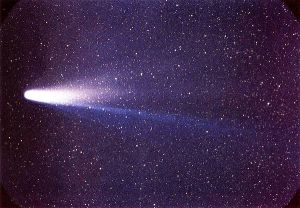
- Hailey’s comet was last seen today in 1986.
- This was the 30th time that this comet could be seen in our solar system.
- The 31st time we can see it in 2061.
- It is the only naked-eye comet that might appear twice in a human lifetime.
- Halley’s Comet is a short-period comet visible from Earth every 75–76 years.
- Halley’s returns to the inner Solar System have been observed and recorded by astronomers since at least 240 BC.
- Clear records of the comet’s appearances were made in last 3 decades.
- The appearances were not recognized as reappearances of the same object at the time.
- The comet’s periodicity was first determined in 1705 by English astronomer Edmond Halley, after whom it is now named.
- Halley was the first comet to be recognized as periodic.
#Hindi
1986 में हैली का धूमकेतु देखना मानव इतिहास की एक महत्वपूर्ण घटना थी। यह 30वीं बार था जब इस शानदार धूमकेतु ने हमारे सौरमंडल में अपनी उपस्थिति दर्ज की। हालांकि, यह अंतिम बार नहीं था जब हमने इसे देखा। हैली का धूमकेतु अगली बार 2061 में दिखाई देगा, जिससे आने वाली पीढ़ियाँ इसकी आकाशीय सुंदरता का आनंद ले सकेंगी।
हैली का धूमकेतु खास इसलिए है क्योंकि यह एकमात्र ऐसा धूमकेतु है जो एक मानव जीवनकाल में दो बार दिखाई दे सकता है। अधिकांश धूमकेतु एक बार दिखते हैं और फिर अंतरिक्ष में खो जाते हैं। यही वजह है कि खगोलशास्त्रियों और उत्साही लोगों के बीच हैली का धूमकेतु बेहद प्रतीक्षित होता है।
हैली के धूमकेतु का इतिहास बहुत पुराना है। इसकी वापसी का कम से कम 240 ई.पू. से खगोलशास्त्रियों द्वारा अवलोकन और रिकॉर्ड किया गया है। हालांकि, उन प्राचीन समय में धूमकेतु की बार-बार होने वाली उपस्थिति को उसी वस्तु की पुनरावृत्ति के रूप में नहीं पहचाना गया था। केवल पिछले तीन दशकों में धूमकेतु की उपस्थिति के स्पष्ट रिकॉर्ड बनाए गए, जिससे इसकी आवधिक प्रकृति पर रोशनी पड़ी।
धूमकेतु की आवधिकता का श्रेय अंग्रेज खगोलशास्त्री एडमंड हैली को जाता है। 1705 में, हैली ने धूमकेतु की कक्षा पर अपने निष्कर्ष प्रकाशित किए और 1758 में इसकी वापसी की भविष्यवाणी की। दुर्भाग्य से, हैली अपने पूर्वानुमान को सच होते देखने के लिए जीवित नहीं रहे क्योंकि उनकी 1742 में मृत्यु हो गई थी। फिर भी, उनके काम ने धूमकेतुओं के अध्ययन में एक महत्वपूर्ण मील का पत्थर स्थापित किया।
हैली का धूमकेतु अन्य धूमकेतुओं से अलग है क्योंकि यह पहला धूमकेतु था जिसे आवधिक के रूप में पहचाना गया। इसका मतलब है कि हमारे सौरमंडल में इसकी वापसी की सटीक कक्षीय गणना के आधार पर अनुमान लगाया जा सकता है। हैली का धूमकेतु 75 से 76 वर्षों में सूर्य की परिक्रमा करता है।

 NehaScope
The sighting of Halley’s Comet in 1986 marked a significant event in human history. This was the 30th time that this magnificent comet had graced our solar system with its presence. However, it wouldn’t be the last time we would lay eyes upon it. The 31st appearance of Halley’s Comet is predicted to occur in 2061, allowing future generations to witness its celestial beauty.
What makes Halley’s Comet particularly unique is that it is the only naked-eye comet that may appear twice in a human lifetime. The vast majority of comets are only visible once and then disappear into the depths of space. This fact alone makes Halley’s Comet a much-anticipated event among astronomers and enthusiasts alike.
The history of Halley’s Comet stretches far back into antiquity. Its returns to the inner Solar System have been observed and recorded by astronomers since at least 240 BC. However, during those ancient times, the appearances of the comet were not recognized as reappearances of the same object. It was only in the last three decades that clear records of the comet’s appearances were made, shedding light on its periodic nature.
The credit for determining the comet’s periodicity goes to the English astronomer Edmond Halley. In 1705, Halley published his findings on the comet’s orbit and predicted its return in 1758. Unfortunately, Halley did not live to witness his prediction come true, as he died in 1742. Nonetheless, his work marked a significant milestone in the study of comets.
What sets Halley’s Comet apart from others is that it was the first comet to be recognized as periodic. This means that its return to our solar system can be anticipated based on a precise orbital calculation. Halley’s Comet follows a short-period orbit, completing its journey around the Sun every 75 to 76 years.
The observation of Halley’s Comet in 1986 was a moment of wonder and curiosity. Scientists and sky-watchers turned their gaze to the heavens to witness this extraordinary celestial event. The opportunity to see this magnificent comet twice in a lifetime is a rare privilege that future generations, in 2061, will also have the chance to experience.
As we reflect on the historical perspective of Halley’s Comet, we are reminded of the wonders of our universe and the advancements in astronomy that have allowed us to understand and appreciate these cosmic phenomena. Halley’s Comet continues to captivate our imaginations and serves
as a reminder of the ever-changing nature of our solar system. Its predictable return every few decades provides us with an opportunity to study and learn more about the mysteries of comets and their role in the cosmos.
The anticipation of Halley’s Comet’s next appearance in 2061 fills astronomers and enthusiasts with excitement. It is a constant reminder that our universe is alive and constantly evolving. The chance to witness such a rare event not once, but twice in a lifetime, is a testament to the vastness and beauty of our universe.
As we eagerly await Halley’s Comet’s return, we are reminded of the importance of continued scientific research and exploration. Each appearance of this magnificent comet provides us with new insights and knowledge about the workings of our solar system. It serves as a reminder of the endless possibilities that lie beyond our planet and the importance of expanding our understanding of the universe.
The sighting of Halley’s Comet in 1986 was a moment of unity and wonder for humanity. People from all over the world came together to witness this celestial spectacle, reminding us of our shared humanity and our curiosity about the unknown. It was a moment that brought people closer together and sparked conversations about the mysteries of the universe.
Looking ahead to its next appearance in 2061, we can only imagine the advancements in technology that will allow us to study and appreciate Halley’s Comet in even greater detail. The scientific community will undoubtedly seize this opportunity to gather new data and deepen our understanding of comets and their significance in the grand cosmic tapestry.
#Hindi
1986 में हैली का धूमकेतु देखना मानव इतिहास की एक महत्वपूर्ण घटना थी। यह 30वीं बार था जब इस शानदार धूमकेतु ने हमारे सौरमंडल में अपनी उपस्थिति दर्ज की। हालांकि, यह अंतिम बार नहीं था जब हमने इसे देखा। हैली का धूमकेतु अगली बार 2061 में दिखाई देगा, जिससे आने वाली पीढ़ियाँ इसकी आकाशीय सुंदरता का आनंद ले सकेंगी।
हैली का धूमकेतु खास इसलिए है क्योंकि यह एकमात्र ऐसा धूमकेतु है जो एक मानव जीवनकाल में दो बार दिखाई दे सकता है। अधिकांश धूमकेतु एक बार दिखते हैं और फिर अंतरिक्ष में खो जाते हैं। यही वजह है कि खगोलशास्त्रियों और उत्साही लोगों के बीच हैली का धूमकेतु बेहद प्रतीक्षित होता है।
हैली के धूमकेतु का इतिहास बहुत पुराना है। इसकी वापसी का कम से कम 240 ई.पू. से खगोलशास्त्रियों द्वारा अवलोकन और रिकॉर्ड किया गया है। हालांकि, उन प्राचीन समय में धूमकेतु की बार-बार होने वाली उपस्थिति को उसी वस्तु की पुनरावृत्ति के रूप में नहीं पहचाना गया था। केवल पिछले तीन दशकों में धूमकेतु की उपस्थिति के स्पष्ट रिकॉर्ड बनाए गए, जिससे इसकी आवधिक प्रकृति पर रोशनी पड़ी।
धूमकेतु की आवधिकता का श्रेय अंग्रेज खगोलशास्त्री एडमंड हैली को जाता है। 1705 में, हैली ने धूमकेतु की कक्षा पर अपने निष्कर्ष प्रकाशित किए और 1758 में इसकी वापसी की भविष्यवाणी की। दुर्भाग्य से, हैली अपने पूर्वानुमान को सच होते देखने के लिए जीवित नहीं रहे क्योंकि उनकी 1742 में मृत्यु हो गई थी। फिर भी, उनके काम ने धूमकेतुओं के अध्ययन में एक महत्वपूर्ण मील का पत्थर स्थापित किया।
हैली का धूमकेतु अन्य धूमकेतुओं से अलग है क्योंकि यह पहला धूमकेतु था जिसे आवधिक के रूप में पहचाना गया। इसका मतलब है कि हमारे सौरमंडल में इसकी वापसी की सटीक कक्षीय गणना के आधार पर अनुमान लगाया जा सकता है। हैली का धूमकेतु 75 से 76 वर्षों में सूर्य की परिक्रमा करता है।
Share this: