Today, on January 13, 1910, public radio was heard for the first time. This historic event took place during an experimental transmission of a live performance at the Metropolitan Opera House in New York City. The performance featured renowned opera singers Ricardo Martin, Amy Destin, and Enrico Caruso.
At the time, the birth of public radio was heard at the De Forest Radio Laboratory, as well as on board ships in New York Harbor, which were approximately 20 kilometers away. The transmission could also be heard in large hotels on Times Square and at various locations in New York City, where members of the press were stationed at receiving sets.
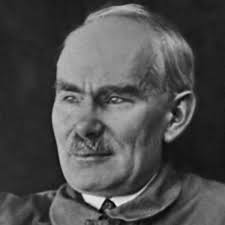 The mind behind this experiment
Despite being a significant milestone, the experiment was considered mostly unsuccessful. The quality of the microphones used was poor, resulting in an inability to pick up most of the singing done on stage. Only off-stage singers who sang directly into a microphone could be heard clearly.
However, the importance of this broadcast cannot be undermined. It marked the beginning of a technological revolution that would impact households worldwide. This experiment paved the way for the widespread adoption of radio as a household item.
The man behind this experiment was none other than Lee De Forest, an American inventor who is often referred to as the “Father of Radio.” De Forest’s continuous trials and experiments eventually led to the first public radio broadcast on January 13, 1910.
But even before De Forest’s breakthrough, there were early experiments in radio broadcasting. In 1904, Dr. Nussbaumer of the University of Graz is credited with the very first transmission of music by radio. He sang an Austrian folk song into an experimental transmitter, which was received in the next room at the university where he worked. However, this transmission was not made available to the general public and is not widely recognized in scientific reference works.
In 1908, Lee De Forest himself conducted an experimental program of opera phonograph records from the Eiffel Tower in Paris. Although this was not considered a public broadcast, it was an intriguing experiment that appealed to nearby hobbyists. At the time, the general public did not have access to radio receivers.
Interestingly, Lee De Forest also played a role in testing the radiotelephone for the Navy. As the ships entered the harbor, he played patriotic phonograph music, further exploring the possibilities of radio transmission.
The first public radio broadcast in 1910 marked the beginning of a new era. From that moment on, radio became an integral part of people’s lives, providing them with news, entertainment, and a means of communication. The success of this early experiment paved the way for further advancements in radio technology, leading to the establishment of radio stations and the eventual development of commercial broadcasting.
Over the years, radio has evolved and adapted to the changing times. It has remained a reliable source of information during times of crisis and has brought entertainment and music to people’s homes. From live news broadcasts and political speeches to radio dramas and music programs, radio has continued to captivate audiences and connect people from all walks of life.
With the advent of new technologies such as the internet and digital platforms, radio has expanded its reach beyond the traditional airwaves. Online streaming and podcasting have allowed listeners to access radio shows and content anytime, anywhere, further enhancing the accessibility and convenience of this medium.
Today, radio continues to play a significant role in society. It is a powerful tool for disseminating information, promoting cultural diversity, and fostering community engagement. Despite the rise of television and the internet, radio has remained resilient and relevant, standing as a testament to its enduring appeal and importance in people’s lives.
As we reflect on the historic first public radio broadcast 114 years ago, let us recognize the contributions of visionaries like Lee De Forest, who paved the way for the development of this remarkable technology. Let us celebrate the power of radio to inform, entertain, and unite us, and continue to appreciate its timeless charm in an ever-changing world.
Early experiments in radio broadcast, even before 1910.
– The very first transmission of music by radio is credited to one Dr. Nussbaumer of the University of Graz in 1904, however it was not to the general public. He sang an Austrian folk song into an experimental transmitter which was received in the next room at the university where he worked. He does not show in any standard reference works of science.
– Lee De Forest did a program of opera phonograph records from the Eiffel Tower in Paris in 1908. This was just an experimental stunt to other nearby hobbyists and not considered a public broadcast. The general public had no access to receivers at the time.
– When testing the radiotelephone for the Navy, Lee de Forest played patriotic phonograph music as the ships entered the harbour.
#Hindi
आज से 115 साल पहले, 13 जनवरी 1910 को, पहली बार सार्वजनिक रेडियो सुना गया था। यह ऐतिहासिक घटना न्यूयॉर्क सिटी के मेट्रोपॉलिटन ओपेरा हाउस में एक लाइव परफॉर्मेंस के एक्सपेरिमेंटल ट्रांसमिशन के दौरान हुई थी। इस प्रदर्शन में मशहूर ओपेरा गायकों रिकार्डो मार्टिन, एमी डेस्टिन, और एरिको कैरुसो ने भाग लिया था।
उस समय, यह प्रसारण डी फॉरेस्ट रेडियो लैब में सुना गया, और न्यूयॉर्क हार्बर में जहाजों पर भी, जो लगभग 20 किलोमीटर दूर थे। टाइम्स स्क्वायर के बड़े होटलों और न्यूयॉर्क शहर के विभिन्न स्थानों पर भी इसे सुना गया, जहाँ प्रेस के सदस्य रिसीविंग सेट्स के पास तैनात थे।
इस प्रयोग के पीछे का दिमाग
हालांकि यह एक महत्वपूर्ण मील का पत्थर था, यह प्रयोग ज्यादातर असफल माना गया। माइक्रोफोन्स की गुणवत्ता खराब थी, जिसके कारण स्टेज पर गाए जाने वाले गानों को सुनना संभव नहीं था। केवल वे गायक, जो माइक्रोफोन में सीधे गा रहे थे, स्पष्ट रूप से सुने जा सकते थे।
हालांकि, इस प्रसारण का महत्व कम नहीं किया जा सकता। इसने एक तकनीकी क्रांति की शुरुआत की, जिसने दुनिया भर के घरों को प्रभावित किया। इस प्रयोग ने रेडियो को एक घरेलू वस्तु के रूप में अपनाने के रास्ते खोले।
इस प्रयोग के पीछे का व्यक्ति कोई और नहीं बल्कि ली डी फॉरेस्ट थे, जो एक अमेरिकी अविष्कारक थे जिन्हें अक्सर “रेडियो का पिता” कहा जाता है। डी फॉरेस्ट के निरंतर प्रयासों और प्रयोगों ने अंततः 13 जनवरी 1910 को पहली सार्वजनिक रेडियो प्रसारण की नींव रखी।
लेकिन डी फॉरेस्ट के इस खोज से पहले भी रेडियो प्रसारण के प्रारंभिक प्रयोग हुए थे। 1904 में, यूनिवर्सिटी ऑफ ग्राज के डॉ. नुसबाउमर को रेडियो द्वारा संगीत के सबसे पहले ट्रांसमिशन का श्रेय दिया जाता है। उन्होंने एक ऑस्ट्रियन लोक गीत एक एक्सपेरिमेंटल ट्रांसमीटर के माध्यम से गाया, जिसे उसी विश्वविद्यालय में अगले कमरे में सुना गया।
1908 में, ली डी फॉरेस्ट ने पेरिस की एफिल टॉवर से ओपेरा फोनोग्राफ रिकॉर्ड्स का एक एक्सपेरिमेंटल प्रोग्राम किया। हालांकि इसे सार्वजनिक प्रसारण नहीं माना गया, यह एक दिलचस्प प्रयोग था जो पास के शौकिया लोगों को आकर्षित करता था। उस समय आम जनता के पास रेडियो रिसीवर्स की उपलब्धता नहीं थी।
ली डी फॉरेस्ट ने नौसेना के लिए रेडियोटेलीफोन का परीक्षण करते समय जहाजों के हार्बर में प्रवेश करते समय देशभक्ति की फोनोग्राफ संगीत बजाया, रेडियो ट्रांसमिशन की संभावनाओं की और खोज की।
1910 में पहली सार्वजनिक रेडियो प्रसारण ने एक नए युग की शुरुआत की। उस पल से, रेडियो लोगों के जीवन का एक अविभाज्य हिस्सा बन गया, जो उन्हें समाचार, मनोरंजन और संचार का साधन प्रदान करता था। इस प्रारंभिक प्रयोग की सफलता ने रेडियो प्रौद्योगिकी में और आगे के विकास के लिए मार्ग प्रशस्त किया, जिसके परिणामस्वरूप रेडियो स्टेशनों की स्थापना और व्यावसायिक प्रसारण का विकास हुआ।
वर्षों से, रेडियो ने बदलते समय के साथ अपने आप को अनुकूलित किया है। यह संकट के समय में जानकारी का एक विश्वसनीय स्रोत बना रहा है और लोगों के घरों में मनोरंजन और संगीत लाया है। लाइव समाचार प्रसारण, राजनीतिक भाषणों, रेडियो ड्रामा और संगीत कार्यक्रमों के माध्यम से, रेडियो ने श्रोताओं को आकर्षित किया और विभिन्न पृष्ठभूमि के लोगों को जोड़ा है।
इंटरनेट और डिजिटल प्लेटफॉर्म जैसी नई तकनीकों के आगमन के साथ, रेडियो ने अपनी पहुंच पारंपरिक एयरवेव्स से परे बढ़ा दी है। ऑनलाइन स्ट्रीमिंग और पॉडकास्टिंग ने श्रोताओं को किसी भी समय, कहीं भी रेडियो शो और सामग्री तक पहुंचने की अनुमति दी है, जिससे इस माध्यम की पहुंच और सुविधा में सुधार हुआ है।
आज, रेडियो समाज में एक महत्वपूर्ण भूमिका निभाता है। यह जानकारी प्रसारित करने, सांस्कृतिक विविधता को बढ़ावा देने और सामुदायिक जुड़ाव को बढ़ावा देने के लिए एक शक्तिशाली उपकरण है। टेलीविजन और इंटरनेट के उदय के बावजूद, रेडियो स्थायी और प्रासंगिक बना हुआ है, लोगों के जीवन में इसकी स्थायी अपील और महत्व का प्रमाण है।
जैसा कि हम 114 साल पहले हुए ऐतिहासिक पहले सार्वजनिक रेडियो प्रसारण को देखते हैं, हमें ली डी फॉरेस्ट जैसे दूरदर्शियों के योगदान को पहचानना चाहिए, जिन्होंने इस अद्भुत तकनीक के विकास का मार्ग प्रशस्त किया। हमें रेडियो की शक्ति का जश्न मनाना चाहिए, जो हमें सूचित, मनोरंजन और एकजुट करता है, और बदलती दुनिया में इसके समयाभिसार आकर्षण की सराहना करनी चाहिए।


 NehaScope
Today, on January 13, 1910, public radio was heard for the first time. This historic event took place during an experimental transmission of a live performance at the Metropolitan Opera House in New York City. The performance featured renowned opera singers Ricardo Martin, Amy Destin, and Enrico Caruso.
At the time, the birth of public radio was heard at the De Forest Radio Laboratory, as well as on board ships in New York Harbor, which were approximately 20 kilometers away. The transmission could also be heard in large hotels on Times Square and at various locations in New York City, where members of the press were stationed at receiving sets.
Despite being a significant milestone, the experiment was considered mostly unsuccessful. The quality of the microphones used was poor, resulting in an inability to pick up most of the singing done on stage. Only off-stage singers who sang directly into a microphone could be heard clearly.
However, the importance of this broadcast cannot be undermined. It marked the beginning of a technological revolution that would impact households worldwide. This experiment paved the way for the widespread adoption of radio as a household item.
The man behind this experiment was none other than Lee De Forest, an American inventor who is often referred to as the “Father of Radio.” De Forest’s continuous trials and experiments eventually led to the first public radio broadcast on January 13, 1910.
But even before De Forest’s breakthrough, there were early experiments in radio broadcasting. In 1904, Dr. Nussbaumer of the University of Graz is credited with the very first transmission of music by radio. He sang an Austrian folk song into an experimental transmitter, which was received in the next room at the university where he worked. However, this transmission was not made available to the general public and is not widely recognized in scientific reference works.
In 1908, Lee De Forest himself conducted an experimental program of opera phonograph records from the Eiffel Tower in Paris. Although this was not considered a public broadcast, it was an intriguing experiment that appealed to nearby hobbyists. At the time, the general public did not have access to radio receivers.
Interestingly, Lee De Forest also played a role in testing the radiotelephone for the Navy. As the ships entered the harbor, he played patriotic phonograph music, further exploring the possibilities of radio transmission.
The first public radio broadcast in 1910 marked the beginning of a new era. From that moment on, radio became an integral part of people’s lives, providing them with news, entertainment, and a means of communication. The success of this early experiment paved the way for further advancements in radio technology, leading to the establishment of radio stations and the eventual development of commercial broadcasting.
Over the years, radio has evolved and adapted to the changing times. It has remained a reliable source of information during times of crisis and has brought entertainment and music to people’s homes. From live news broadcasts and political speeches to radio dramas and music programs, radio has continued to captivate audiences and connect people from all walks of life.
With the advent of new technologies such as the internet and digital platforms, radio has expanded its reach beyond the traditional airwaves. Online streaming and podcasting have allowed listeners to access radio shows and content anytime, anywhere, further enhancing the accessibility and convenience of this medium.
Today, radio continues to play a significant role in society. It is a powerful tool for disseminating information, promoting cultural diversity, and fostering community engagement. Despite the rise of television and the internet, radio has remained resilient and relevant, standing as a testament to its enduring appeal and importance in people’s lives.
As we reflect on the historic first public radio broadcast 114 years ago, let us recognize the contributions of visionaries like Lee De Forest, who paved the way for the development of this remarkable technology. Let us celebrate the power of radio to inform, entertain, and unite us, and continue to appreciate its timeless charm in an ever-changing world.
#Hindi
आज से 115 साल पहले, 13 जनवरी 1910 को, पहली बार सार्वजनिक रेडियो सुना गया था। यह ऐतिहासिक घटना न्यूयॉर्क सिटी के मेट्रोपॉलिटन ओपेरा हाउस में एक लाइव परफॉर्मेंस के एक्सपेरिमेंटल ट्रांसमिशन के दौरान हुई थी। इस प्रदर्शन में मशहूर ओपेरा गायकों रिकार्डो मार्टिन, एमी डेस्टिन, और एरिको कैरुसो ने भाग लिया था।
उस समय, यह प्रसारण डी फॉरेस्ट रेडियो लैब में सुना गया, और न्यूयॉर्क हार्बर में जहाजों पर भी, जो लगभग 20 किलोमीटर दूर थे। टाइम्स स्क्वायर के बड़े होटलों और न्यूयॉर्क शहर के विभिन्न स्थानों पर भी इसे सुना गया, जहाँ प्रेस के सदस्य रिसीविंग सेट्स के पास तैनात थे।
इस प्रयोग के पीछे का दिमाग
हालांकि यह एक महत्वपूर्ण मील का पत्थर था, यह प्रयोग ज्यादातर असफल माना गया। माइक्रोफोन्स की गुणवत्ता खराब थी, जिसके कारण स्टेज पर गाए जाने वाले गानों को सुनना संभव नहीं था। केवल वे गायक, जो माइक्रोफोन में सीधे गा रहे थे, स्पष्ट रूप से सुने जा सकते थे।
हालांकि, इस प्रसारण का महत्व कम नहीं किया जा सकता। इसने एक तकनीकी क्रांति की शुरुआत की, जिसने दुनिया भर के घरों को प्रभावित किया। इस प्रयोग ने रेडियो को एक घरेलू वस्तु के रूप में अपनाने के रास्ते खोले।
इस प्रयोग के पीछे का व्यक्ति कोई और नहीं बल्कि ली डी फॉरेस्ट थे, जो एक अमेरिकी अविष्कारक थे जिन्हें अक्सर “रेडियो का पिता” कहा जाता है। डी फॉरेस्ट के निरंतर प्रयासों और प्रयोगों ने अंततः 13 जनवरी 1910 को पहली सार्वजनिक रेडियो प्रसारण की नींव रखी।
लेकिन डी फॉरेस्ट के इस खोज से पहले भी रेडियो प्रसारण के प्रारंभिक प्रयोग हुए थे। 1904 में, यूनिवर्सिटी ऑफ ग्राज के डॉ. नुसबाउमर को रेडियो द्वारा संगीत के सबसे पहले ट्रांसमिशन का श्रेय दिया जाता है। उन्होंने एक ऑस्ट्रियन लोक गीत एक एक्सपेरिमेंटल ट्रांसमीटर के माध्यम से गाया, जिसे उसी विश्वविद्यालय में अगले कमरे में सुना गया।
1908 में, ली डी फॉरेस्ट ने पेरिस की एफिल टॉवर से ओपेरा फोनोग्राफ रिकॉर्ड्स का एक एक्सपेरिमेंटल प्रोग्राम किया। हालांकि इसे सार्वजनिक प्रसारण नहीं माना गया, यह एक दिलचस्प प्रयोग था जो पास के शौकिया लोगों को आकर्षित करता था। उस समय आम जनता के पास रेडियो रिसीवर्स की उपलब्धता नहीं थी।
ली डी फॉरेस्ट ने नौसेना के लिए रेडियोटेलीफोन का परीक्षण करते समय जहाजों के हार्बर में प्रवेश करते समय देशभक्ति की फोनोग्राफ संगीत बजाया, रेडियो ट्रांसमिशन की संभावनाओं की और खोज की।
1910 में पहली सार्वजनिक रेडियो प्रसारण ने एक नए युग की शुरुआत की। उस पल से, रेडियो लोगों के जीवन का एक अविभाज्य हिस्सा बन गया, जो उन्हें समाचार, मनोरंजन और संचार का साधन प्रदान करता था। इस प्रारंभिक प्रयोग की सफलता ने रेडियो प्रौद्योगिकी में और आगे के विकास के लिए मार्ग प्रशस्त किया, जिसके परिणामस्वरूप रेडियो स्टेशनों की स्थापना और व्यावसायिक प्रसारण का विकास हुआ।
वर्षों से, रेडियो ने बदलते समय के साथ अपने आप को अनुकूलित किया है। यह संकट के समय में जानकारी का एक विश्वसनीय स्रोत बना रहा है और लोगों के घरों में मनोरंजन और संगीत लाया है। लाइव समाचार प्रसारण, राजनीतिक भाषणों, रेडियो ड्रामा और संगीत कार्यक्रमों के माध्यम से, रेडियो ने श्रोताओं को आकर्षित किया और विभिन्न पृष्ठभूमि के लोगों को जोड़ा है।
इंटरनेट और डिजिटल प्लेटफॉर्म जैसी नई तकनीकों के आगमन के साथ, रेडियो ने अपनी पहुंच पारंपरिक एयरवेव्स से परे बढ़ा दी है। ऑनलाइन स्ट्रीमिंग और पॉडकास्टिंग ने श्रोताओं को किसी भी समय, कहीं भी रेडियो शो और सामग्री तक पहुंचने की अनुमति दी है, जिससे इस माध्यम की पहुंच और सुविधा में सुधार हुआ है।
आज, रेडियो समाज में एक महत्वपूर्ण भूमिका निभाता है। यह जानकारी प्रसारित करने, सांस्कृतिक विविधता को बढ़ावा देने और सामुदायिक जुड़ाव को बढ़ावा देने के लिए एक शक्तिशाली उपकरण है। टेलीविजन और इंटरनेट के उदय के बावजूद, रेडियो स्थायी और प्रासंगिक बना हुआ है, लोगों के जीवन में इसकी स्थायी अपील और महत्व का प्रमाण है।
जैसा कि हम 114 साल पहले हुए ऐतिहासिक पहले सार्वजनिक रेडियो प्रसारण को देखते हैं, हमें ली डी फॉरेस्ट जैसे दूरदर्शियों के योगदान को पहचानना चाहिए, जिन्होंने इस अद्भुत तकनीक के विकास का मार्ग प्रशस्त किया। हमें रेडियो की शक्ति का जश्न मनाना चाहिए, जो हमें सूचित, मनोरंजन और एकजुट करता है, और बदलती दुनिया में इसके समयाभिसार आकर्षण की सराहना करनी चाहिए।
Share this: