Louis Braille, a visionary inventor and educator, was born on this day in 1809. His contributions to society are immeasurable, as he developed a reading and writing system known as Braille, specifically designed for those who are visually impaired. Today, Braille continues to be utilized worldwide, opening up a world of literacy and independence for millions of individuals with visual disabilities.
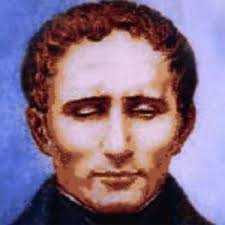
At the tender age of five, Braille suffered a devastating accident that resulted in the loss of his sight in both eyes. However, his passion for learning and his determination to overcome challenges never wavered. In fact, Braille excelled in his studies and was granted a scholarship to attend France’s Royal Institute of Blind Youth. It was during his time as a student there that he began to conceive a method that would enable blind people to read and write.
Inspired by an existing military cryptographic system called “night writing,” Braille embarked on the development of a unique code specifically designed for visually impaired individuals. Remarkably, he was only fifteen years old when he created this groundbreaking system that has since revolutionized the lives of countless individuals with visual impairments.
Contrary to popular belief, Braille is not a language itself, but rather a tactile alphabet that can be adapted to various languages. The system consists of a series of raised dots arranged in patterns within designated cells. By feeling these dots with their fingertips, blind individuals can decipher written text and even create their own written compositions.
One of the notable characteristics of Braille is that it requires more space than traditional printed alphabets. As a result, Braille books tend to be larger and heavier than their printed counterparts. However, this small inconvenience pales in comparison to the enormous impact Braille has had on the lives of the visually impaired. It has given them access to literature, education, and the ability to communicate effectively in written form.
To celebrate the achievements of those who have mastered Braille, there is an annual event called the Braille Challenge. Often referred to as the “Braille Olympics,” this competition showcases the incredible skills and abilities of blind individuals who have become proficient in reading and writing Braille. It serves as a testament to the enduring power of Braille and its ability to empower individuals to reach their full potential, regardless of their visual limitations.
Today, Braille remains an indispensable tool for the visually impaired. It is used in a wide range of applications, from signage and labeling to computer keyboards and smartphones. With the advancements in technology, Braille has also evolved to include electronic Braille displays and refreshable Braille devices, enabling blind individuals to access digital content and participate fully in the digital age.
The legacy of Louis Braille and his revolutionary system continues to inspire and empower individuals with visual impairments around the world. His ingenuity and perseverance have transformed the lives of countless individuals, providing them with the opportunity to read, write, and engage with the world around them. As we celebrate Louis Braille’s birthday today, let us acknowledge his remarkable contribution to society and reaffirm our commitment to ensuring equal access and inclusion for everyone, regardless of their visual abilities.
Hindi
ब्रेल लिपि का आविष्कार करने वाले लुई ब्रेल का जन्म आज 1809 में फ्रांस में हुआ था। ब्रेल लिपि नेत्रहीनों के लिए पढ़ने और लिखने की तकनीक है, जिसमें कागज़ पर अक्षरों के उभार को छू कर उसे पढ़ा जाता है। महज़ 5 साल की उम्र में एक हादसे की वजह से ब्रेल की आंखों की रोशनी चली गई थी। इस तकलीफ को समझते हुए ब्रेल ने कुछ ऐसा करने की सोची जिससे दूसरे लोगों का जीवन आसान हो सके। ब्रेल ने पढ़ाई करते हुए ही, इस तकनीक पर काम शुरु कर दिया था, फ्रांस की मिलिट्री में ऐसे ही संचार माध्यम का इस्तेमाल किया जाता था। लिहाज़ा ब्रेल ने इसके बारे में जानकारी हासिल करनी शुरु की। ‘नाइट राइटिंग’ नाम की ये तकनीक काफी जटिल थी, लेकिन ब्रेल ने इस तकनीक से प्रेरणा लेकर ब्रेल लिपि का आविष्कार किया। माना जाता है कि 15 साल की उम्र में ही ब्रेल ने इस क्रांतिकारी लिपि को विकसित कर लिया था, और इसका इस्तेमाल आज पूरी दुनिया में किया जाता है।

 NehaScope
Louis Braille, a visionary inventor and educator, was born on this day in 1809. His contributions to society are immeasurable, as he developed a reading and writing system known as Braille, specifically designed for those who are visually impaired. Today, Braille continues to be utilized worldwide, opening up a world of literacy and independence for millions of individuals with visual disabilities.
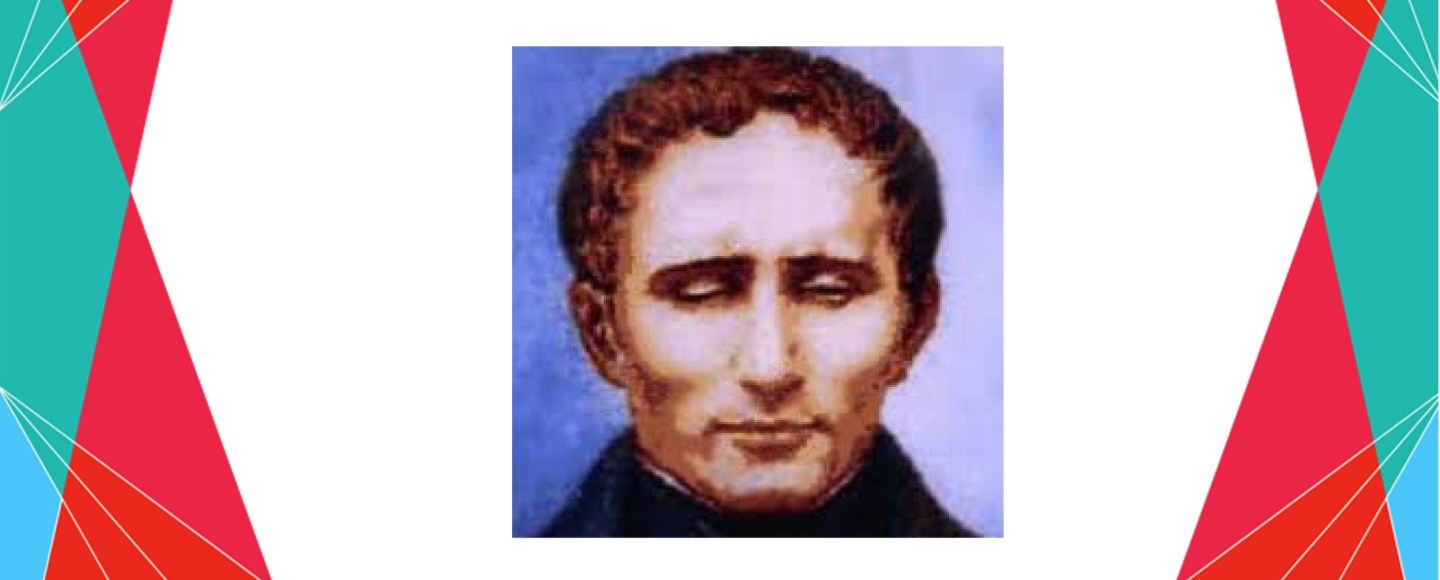
At the tender age of five, Braille suffered a devastating accident that resulted in the loss of his sight in both eyes. However, his passion for learning and his determination to overcome challenges never wavered. In fact, Braille excelled in his studies and was granted a scholarship to attend France’s Royal Institute of Blind Youth. It was during his time as a student there that he began to conceive a method that would enable blind people to read and write.
Inspired by an existing military cryptographic system called “night writing,” Braille embarked on the development of a unique code specifically designed for visually impaired individuals. Remarkably, he was only fifteen years old when he created this groundbreaking system that has since revolutionized the lives of countless individuals with visual impairments.
Contrary to popular belief, Braille is not a language itself, but rather a tactile alphabet that can be adapted to various languages. The system consists of a series of raised dots arranged in patterns within designated cells. By feeling these dots with their fingertips, blind individuals can decipher written text and even create their own written compositions.
One of the notable characteristics of Braille is that it requires more space than traditional printed alphabets. As a result, Braille books tend to be larger and heavier than their printed counterparts. However, this small inconvenience pales in comparison to the enormous impact Braille has had on the lives of the visually impaired. It has given them access to literature, education, and the ability to communicate effectively in written form.
To celebrate the achievements of those who have mastered Braille, there is an annual event called the Braille Challenge. Often referred to as the “Braille Olympics,” this competition showcases the incredible skills and abilities of blind individuals who have become proficient in reading and writing Braille. It serves as a testament to the enduring power of Braille and its ability to empower individuals to reach their full potential, regardless of their visual limitations.
Today, Braille remains an indispensable tool for the visually impaired. It is used in a wide range of applications, from signage and labeling to computer keyboards and smartphones. With the advancements in technology, Braille has also evolved to include electronic Braille displays and refreshable Braille devices, enabling blind individuals to access digital content and participate fully in the digital age.
The legacy of Louis Braille and his revolutionary system continues to inspire and empower individuals with visual impairments around the world. His ingenuity and perseverance have transformed the lives of countless individuals, providing them with the opportunity to read, write, and engage with the world around them. As we celebrate Louis Braille’s birthday today, let us acknowledge his remarkable contribution to society and reaffirm our commitment to ensuring equal access and inclusion for everyone, regardless of their visual abilities.
Hindi
ब्रेल लिपि का आविष्कार करने वाले लुई ब्रेल का जन्म आज 1809 में फ्रांस में हुआ था। ब्रेल लिपि नेत्रहीनों के लिए पढ़ने और लिखने की तकनीक है, जिसमें कागज़ पर अक्षरों के उभार को छू कर उसे पढ़ा जाता है। महज़ 5 साल की उम्र में एक हादसे की वजह से ब्रेल की आंखों की रोशनी चली गई थी। इस तकलीफ को समझते हुए ब्रेल ने कुछ ऐसा करने की सोची जिससे दूसरे लोगों का जीवन आसान हो सके। ब्रेल ने पढ़ाई करते हुए ही, इस तकनीक पर काम शुरु कर दिया था, फ्रांस की मिलिट्री में ऐसे ही संचार माध्यम का इस्तेमाल किया जाता था। लिहाज़ा ब्रेल ने इसके बारे में जानकारी हासिल करनी शुरु की। ‘नाइट राइटिंग’ नाम की ये तकनीक काफी जटिल थी, लेकिन ब्रेल ने इस तकनीक से प्रेरणा लेकर ब्रेल लिपि का आविष्कार किया। माना जाता है कि 15 साल की उम्र में ही ब्रेल ने इस क्रांतिकारी लिपि को विकसित कर लिया था, और इसका इस्तेमाल आज पूरी दुनिया में किया जाता है।
Share this: